Summary: The New York Times' recent profiles depict Delcy Rodríguez as a market-minded technocrat who helped stabilize Venezuela, but critics say that portrayal downplays her role in a repressive state and ignores how much of the "liberalization" was actually the result of state collapse. Dollarization and remittances supplanted formal policy, selective enforcement benefited the politically connected, and opaque laws like the Anti-Blockade Law shielded large oil revenues from scrutiny. Economic indicators remained deeply depressed and repression of dissent continued — raising concerns that flattering coverage could lend undue legitimacy to an authoritarian regime.
The New York Times' Rebranding of Delcy Rodríguez: Technocrat or Authoritarian Enabler?
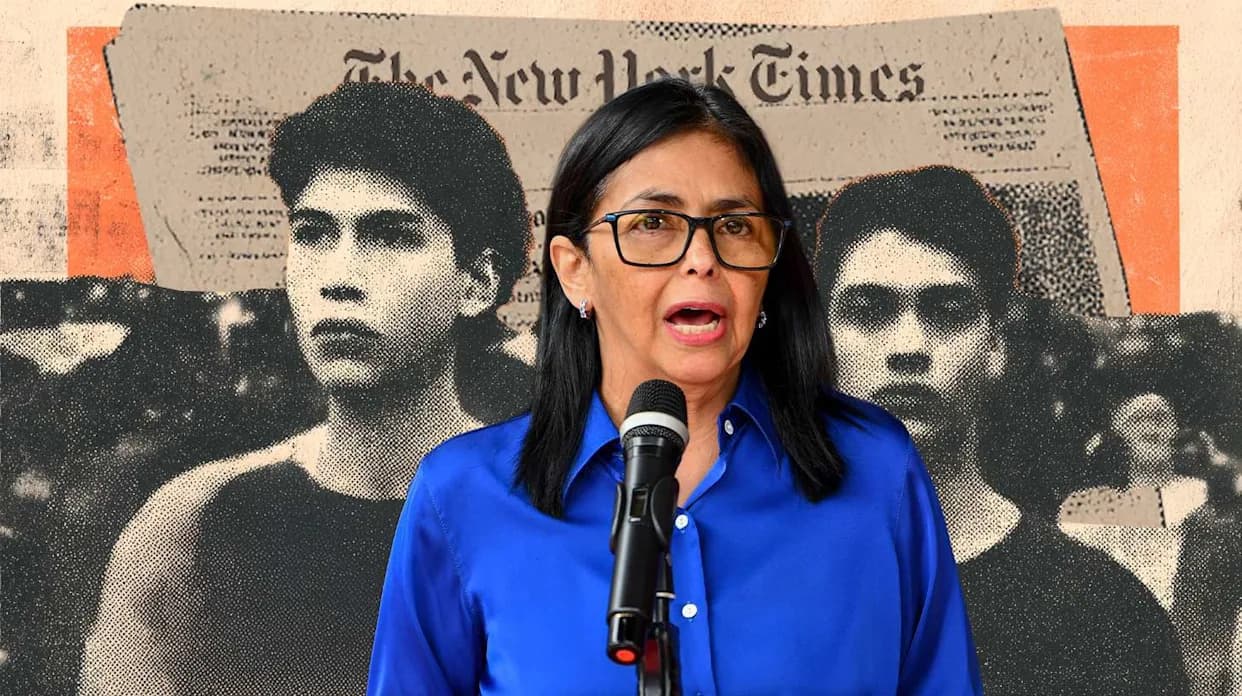
The New York Times Is Trying To Rebrand Venezuela's New Dictator as a Serious Thinker
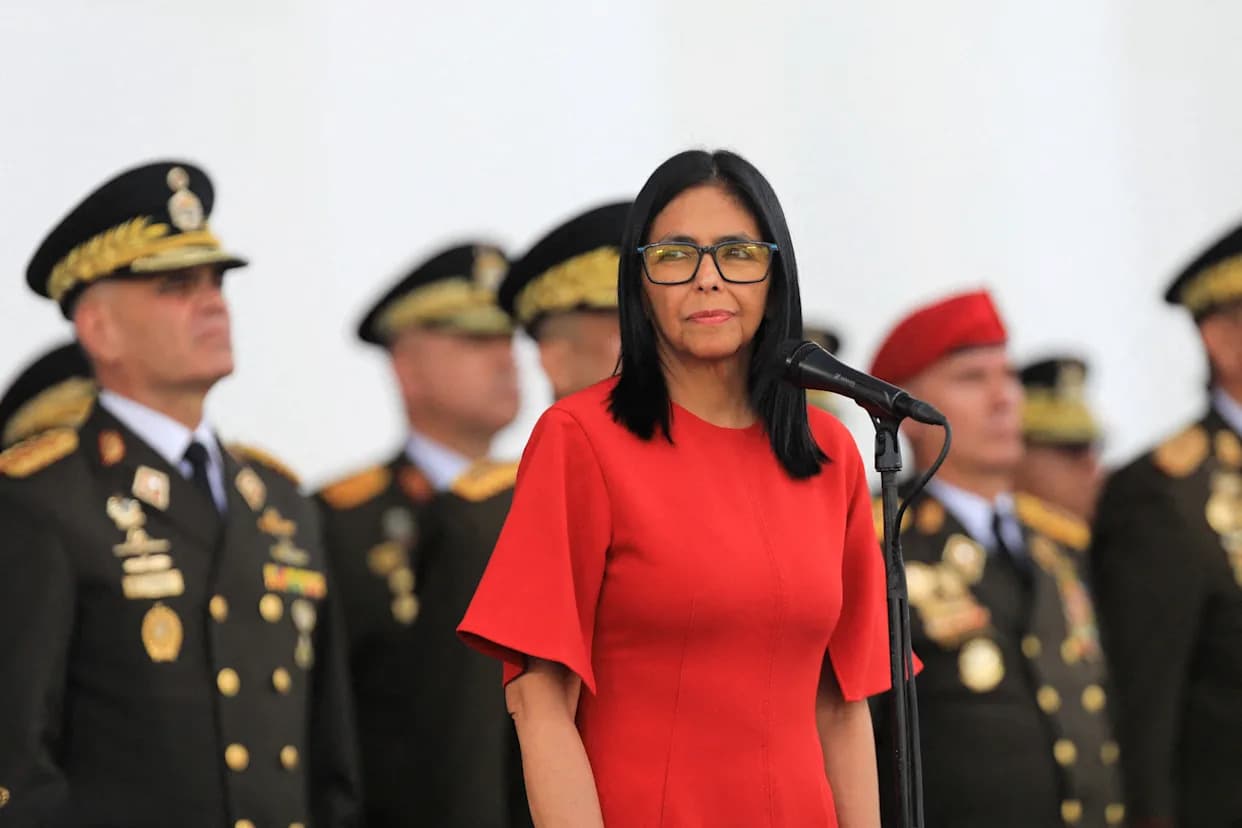
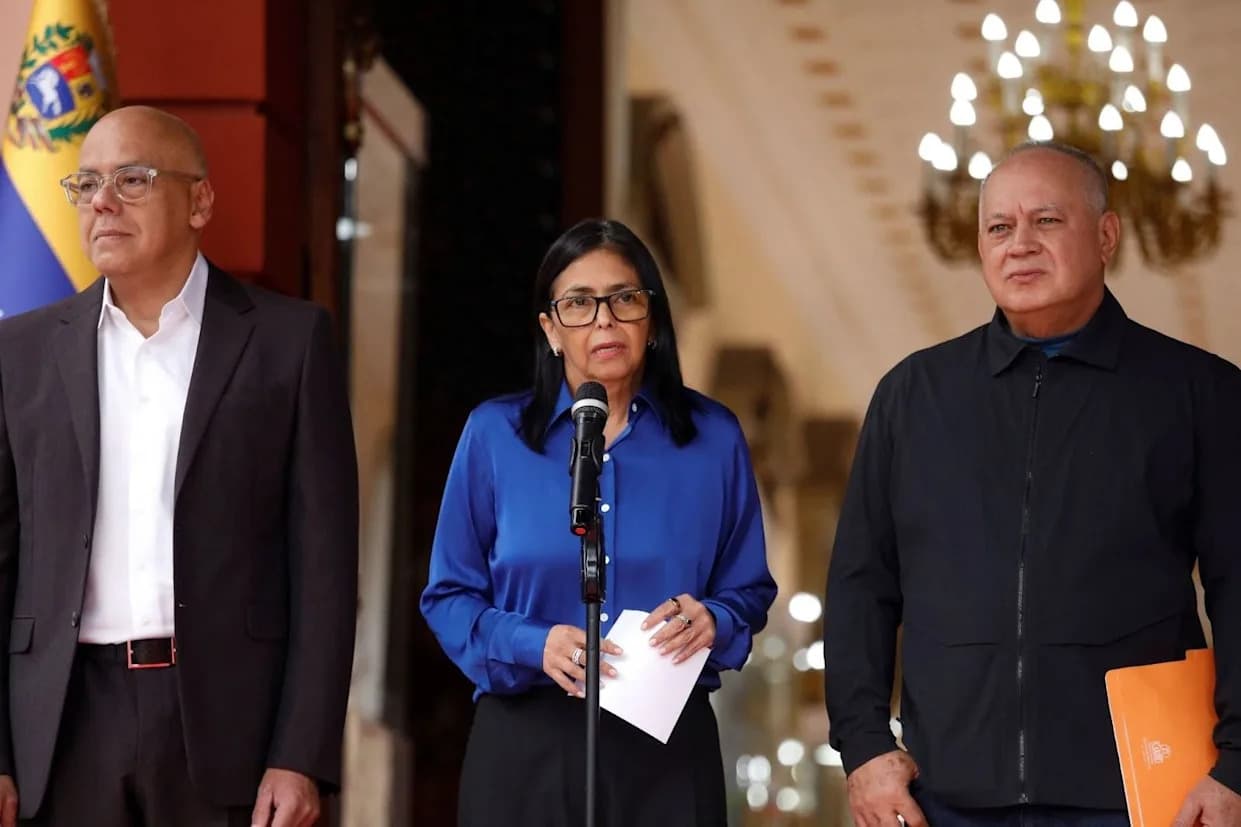
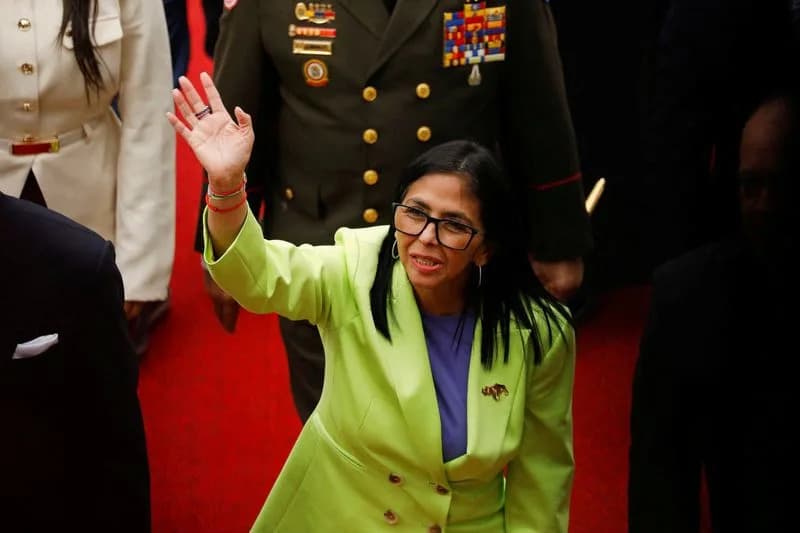
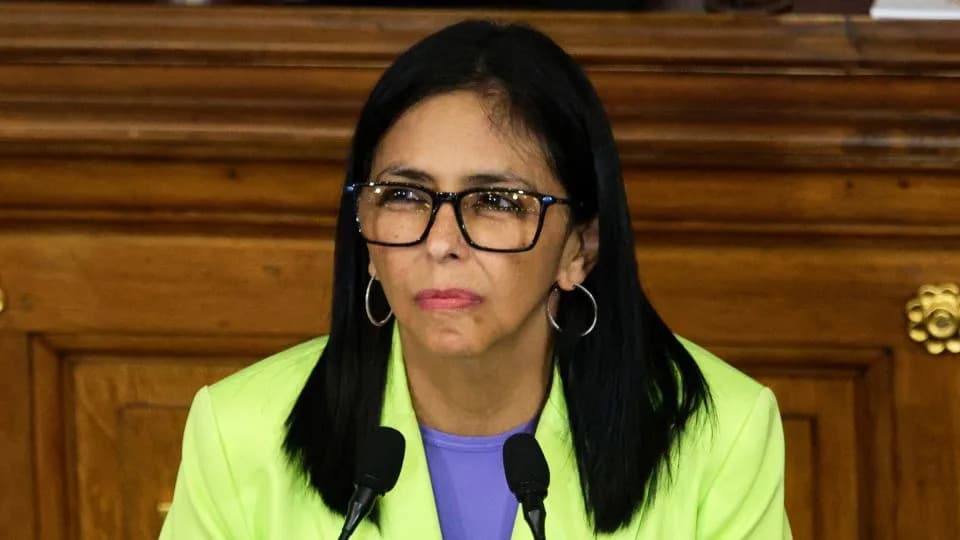
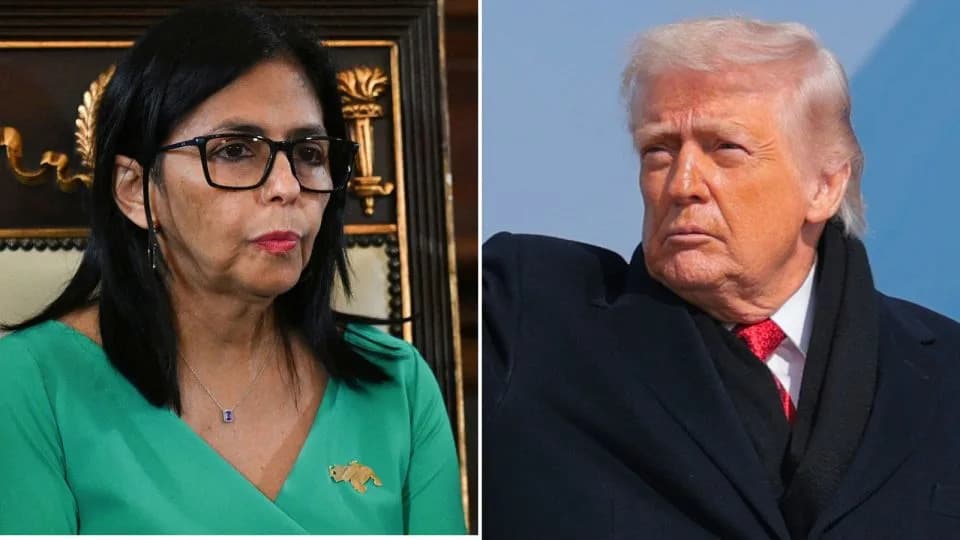
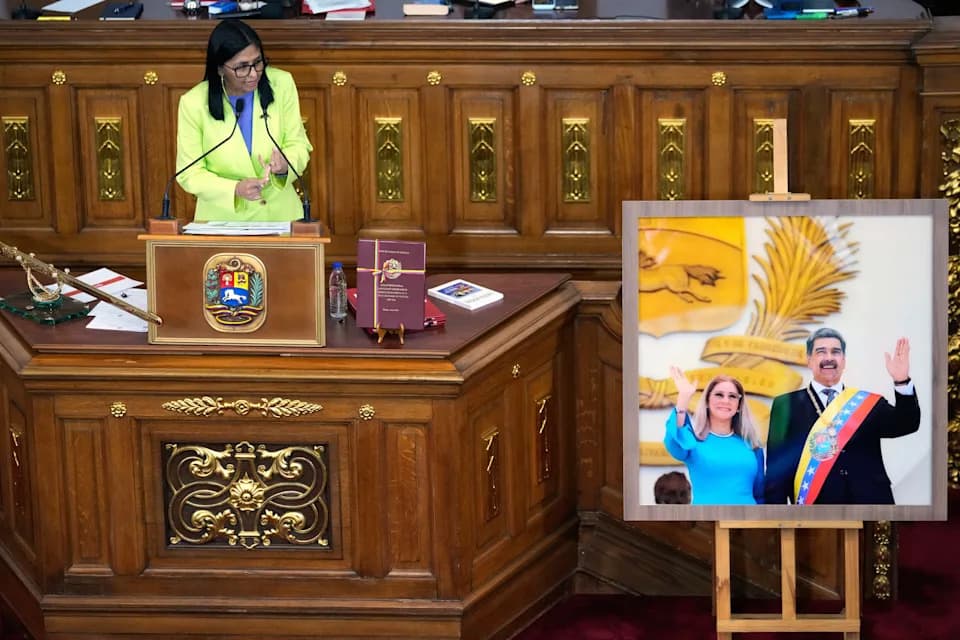
The New York Times has published a string of profiles that portray Delcy Rodríguez — Nicolás Maduro's successor — as a pragmatic, market-minded technocrat who helped stabilize Venezuela's battered economy. Those pieces, by reporters including Anatoly Kurmanaev, Simón Romero, Pranav Baskar and Julie Turkewitz, emphasize Rodríguez's technocratic style and contrast it with Maduro's more populist approach. Critics say the coverage trims or omits key context: her role in a repressive state apparatus, oversight of SEBIN (the intelligence and secret-police service), and the selective, opaque nature of the economic changes attributed to her.
Media Framing and the Missing Context
The profiles cast Rodríguez as a "relative moderate" and the architect of a market-friendly overhaul that brought a semblance of calm after years of hyperinflation and scarcity. One high-profile piece by Julie Turkewitz — enabled by a rare journalist visa to Caracas — included a flattering portrait and little attention to Rodríguez's record on corruption or rights abuses. Opposition figures, such as Freddy Guevara, have criticized that approach as inadequate and misleading; Guevara notes Rodríguez's authority over security services that have been accused of torture and extrajudicial killings.
"It's bad journalism to qualify Delcy as a moderate," said opposition leader Freddy Guevara in an interview with Reason.
What Drove Venezuela's Market Shift?
Much of what is described as "economic liberalization" was the product of state failure rather than a deliberate shift to free-market reform. Years of price controls, heavy money printing and central planning produced hyperinflation and chronic shortages. As the state's ability to enforce controls eroded, price and currency regulation became unevenly applied. The result was a de facto marketization driven by necessity: parallel currency markets, dollar transactions flowing through informal channels, and an influx of remittances that underpinned everyday commerce.
By 2019, more than half of transactions nationwide were being conducted in U.S. dollars. Maduro called that de facto dollarization an "escape valve" even as his government had long penalized dollar use. In many cases, reforms were less intentional policy shifts and more adaptations to administrative collapse.

Adriana Loureiro Fernández/The New York Times(Adriana Loureiro Fernández/The New York Times)
Selective Enforcement and Elite Capture
Selective enforcement became a defining feature of the changing economy. Price controls and currency rules were enforced inconsistently — often favoring importers and actors with political connections. Upscale grocery stores known as bodegones proliferated in major cities, stocked with imported goods and catering to a boli-bourgeoisie of regime-connected elites. Political scientist Guillermo Tell Aveledo called this period the pax bodegónica: a corrupt elite's shopping spree that masked deeper structural failure.
The opaque Anti-Blockade Law further insulated regime activity from scrutiny by classifying many contracts and records as secret. Under these provisions, Rodríguez has overseen roughly $3.2 billion in annual oil revenues that are reportedly collected and distributed with limited transparency — a framework critics say legalizes large-scale corruption.
Economic Outcomes, Repression, and the Limits of 'Stabilization'
Even by the proponents' own measures, the gains were limited. After a period described as "stabilization," real GDP remained roughly 70 percent below its 2013 level — improved from an earlier 75 percent below, but still far from recovery. Exchange-rate distortions expanded through 2024, and when the central bank ceased publishing inflation data, the state reportedly jailed economists who discussed the issue.
These economic developments unfolded alongside intensified repression. Opposition demonstrations were met with police brutality, and political prisoners filled detention centers. Stories of selective crackdowns are common: in June 2024, two sisters who served breakfast to opposition leader María Corina Machado had their long-running roadside restaurant shut down shortly afterwards — an action critics say was politically motivated and selectively enforced.
Conclusion: Reputation, Reality, and International Coverage
Whether Delcy Rodríguez will pursue more systematic market reforms or persist with a mix of authoritarian control and ad hoc market tolerance remains uncertain. The key takeaway is that state collapse and selective enforcement, not comprehensive liberalization, explain much of Venezuela's recent economic change. By publishing sympathetic profiles without full context, international outlets risk normalizing or legitimizing an authoritarian ruler while glossing over repression, impunity, and elite capture. The original piece appeared on Reason.com and raises important questions about how Western media cover authoritarian governments in transition.
Help us improve.