Germany's government and Holocaust memorial institutions have called on social media platforms to stop the spread of AI-generated images that falsify or trivialise Nazi-era atrocities. In a January 13 letter, memorials warned that "AI Slop" fabricates emotionally charged scenes and undermines trust in authentic historical records. The culture minister backed demands for clear labelling, removal where necessary, and measures to stop monetisation, while experts warn such fakes threaten the integrity of the information environment.
Germany Demands Action As AI-Generated Holocaust Images Spread Online
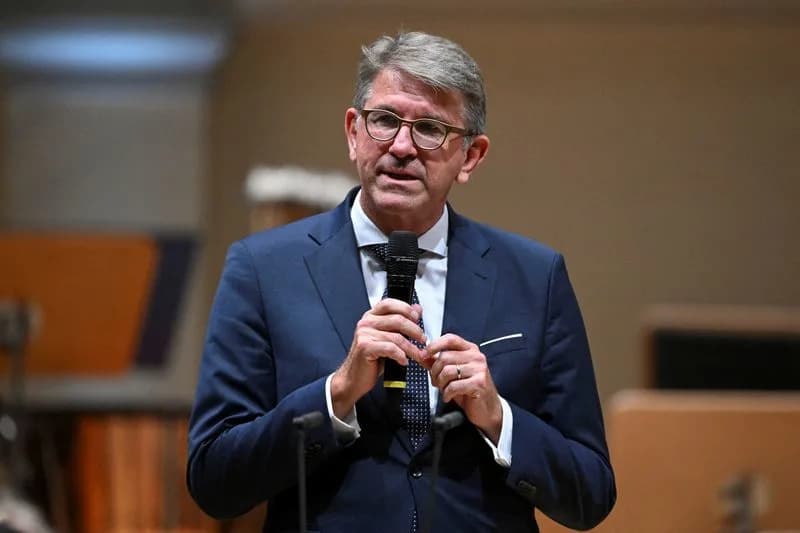
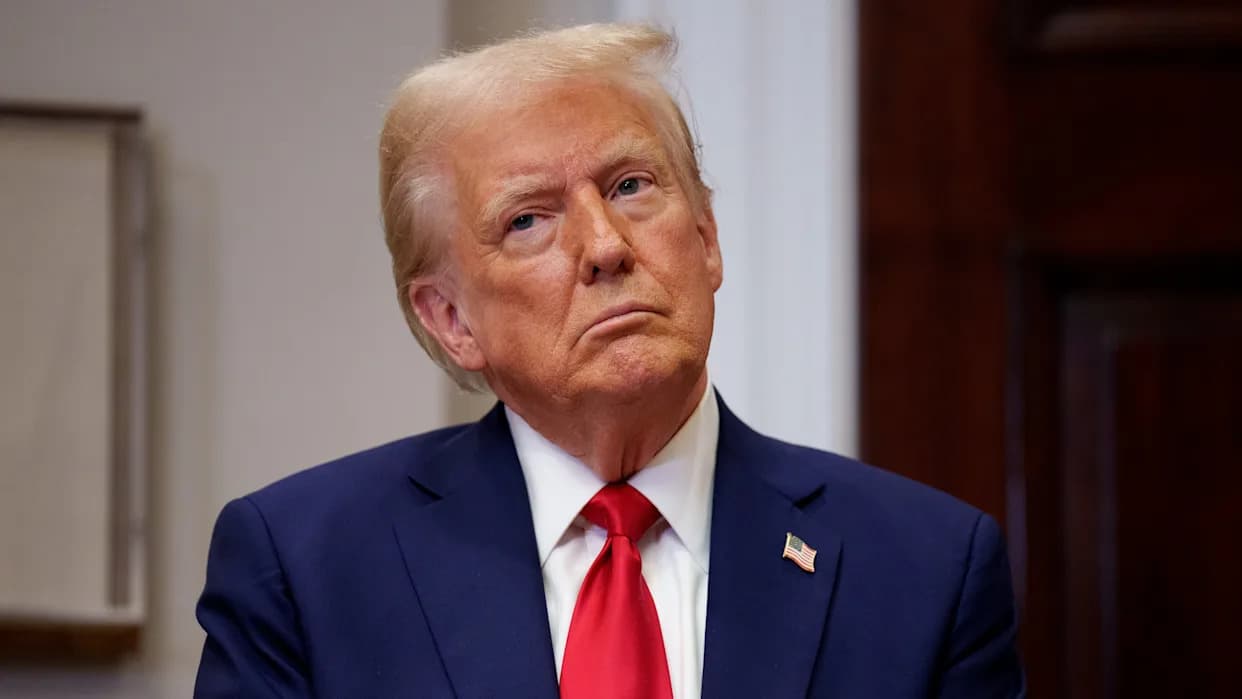
FILE PHOTO: Wolfram Weimer, Federal Government Commissioner for Culture and the Media of Germany, speaks before Israeli conductor Lahav Shani performs with the Munich Philharmonic Orchestra during a guest performance at the Konzerthaus Berlin as part of the ongoing Musikfest Berlin, following their disinvitation from the Flanders Festival Ghent, in Berlin, Germany September 15, 2025. REUTERS/Annegret Hilse/File Photo
Germany's federal government and Holocaust memorial institutions have urged social media platforms to stop the circulation of AI-generated images that distort and trivialise the genocide of more than six million Jews under the Nazi regime.
Memorials Raise Alarm Over "AI Slop"
In a letter dated January 13, concentration camp memorial sites and documentation centres described a surge of falsified imagery — dubbed "AI Slop" — that fabricates emotionally charged scenes tied to the Holocaust. Examples include invented meetings between camp inmates and liberators and fictionalised depictions of children behind barbed wire.
"AI-generated content distorts history by trivialising and kitschification," the organisations wrote, warning such images undermine trust in authentic historical documents.
Calls To Platforms And Authorities
The memorials urged social platforms to act proactively rather than waiting for user reports: clearly label AI-created material, remove content when appropriate and prevent monetisation that rewards the spread of falsified images.
Germany’s state minister for culture and media, Wolfram Weimer, said he supported the memorials’ calls for clearer labelling and removal when necessary. "This is a matter of respect for the millions of people who were killed and persecuted under the Nazi regime of terror," he told Reuters by email.
Broader Concerns About AI Misuse
The letter comes as AI companies face pressure over other harms, including thousands of sexualised deepfake images of women and minors circulating online. The memorial institutions said some falsified Holocaust images appear aimed both at attracting attention and profit, and at diluting historical facts, shifting victim and perpetrator roles, or spreading revisionist narratives.
Institutions named in the letter include memorial centres at Bergen-Belsen, Buchenwald and Dachau, noting these sites and others were where Jews, as well as Roma and Sinti people, sexual minorities and disabled people, were murdered.
Experts warn that the spread of low-quality AI-generated text, images or video could pollute the information environment and make it increasingly difficult for users to distinguish fact from fiction.
(Reporting by Andreas Rinke; writing by James Mackenzie; editing by Andrew Cawthorne)
Help us improve.