Alex Pretti, 37, was fatally shot by federal immigration agents in Minneapolis, one of five related shootings this month. The killing prompted a public rift at Khosla Ventures after partner Keith Rabois defended the agents and founder Vinod Khosla and partner Ethan Choi disavowed his comments. More than 450 tech employees have urged CEOs to push the White House to withdraw ICE from U.S. cities and cancel agency contracts, highlighting a growing political split across Silicon Valley.
Rift at Khosla Ventures Highlights Deepening Silicon Valley Divide Over ICE Shooting
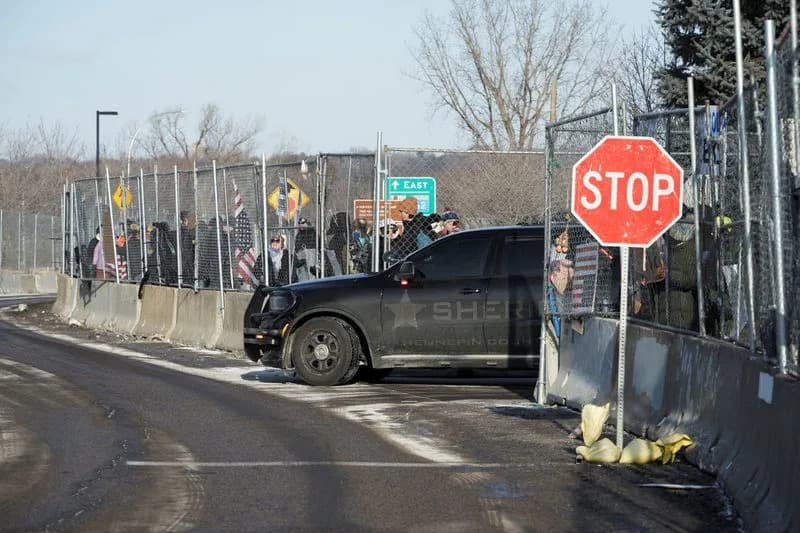
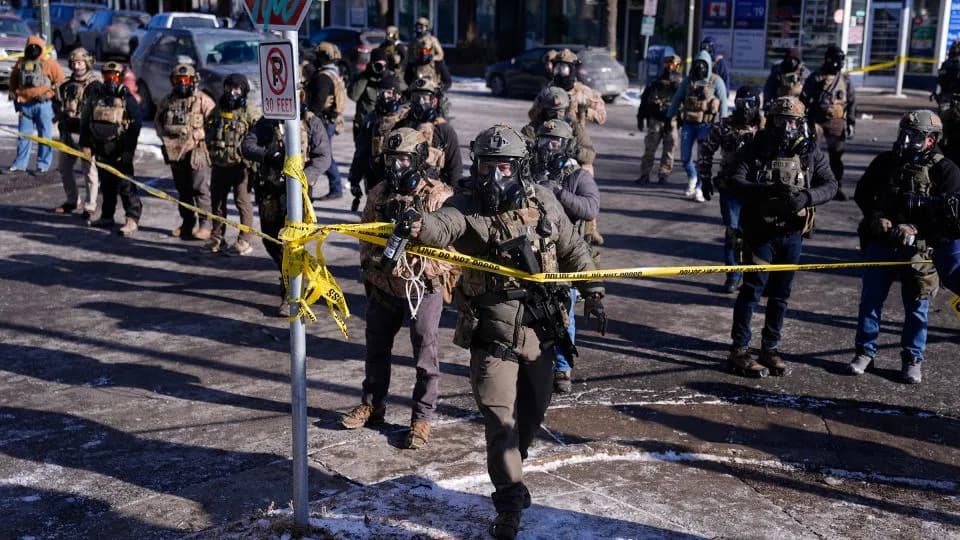
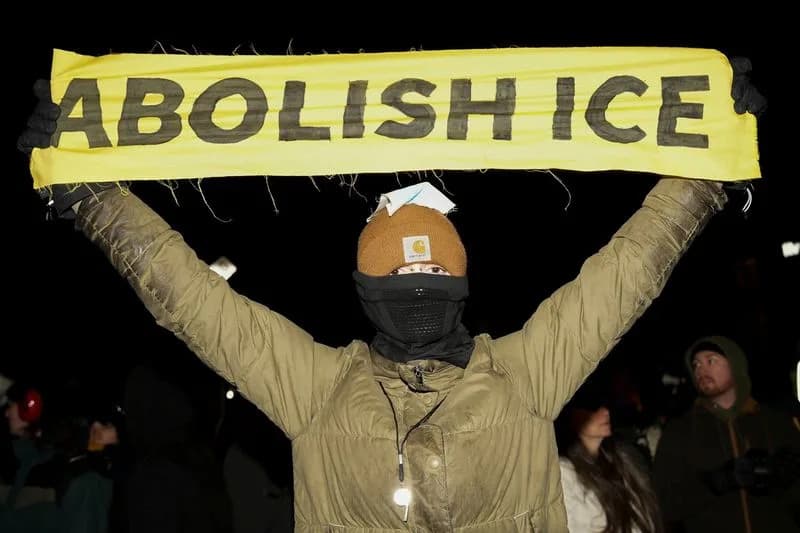
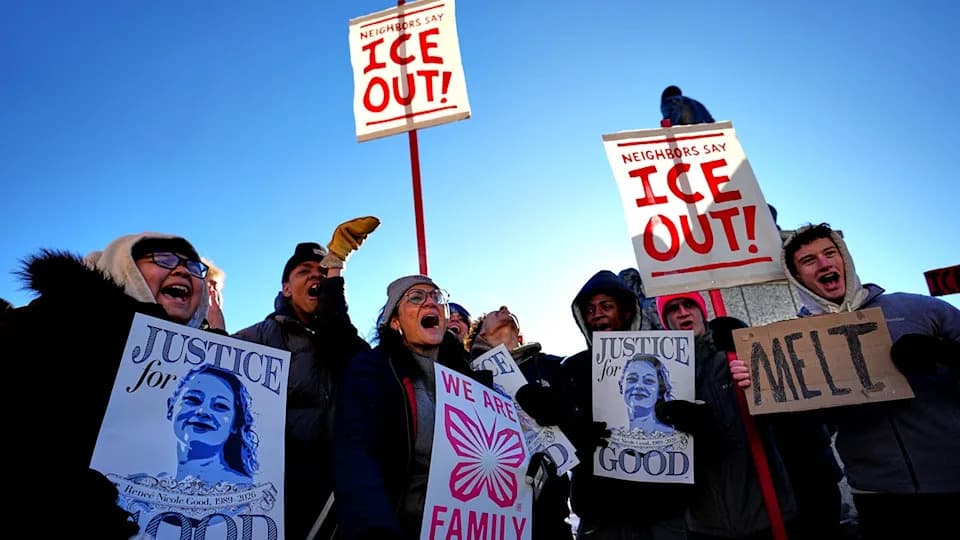
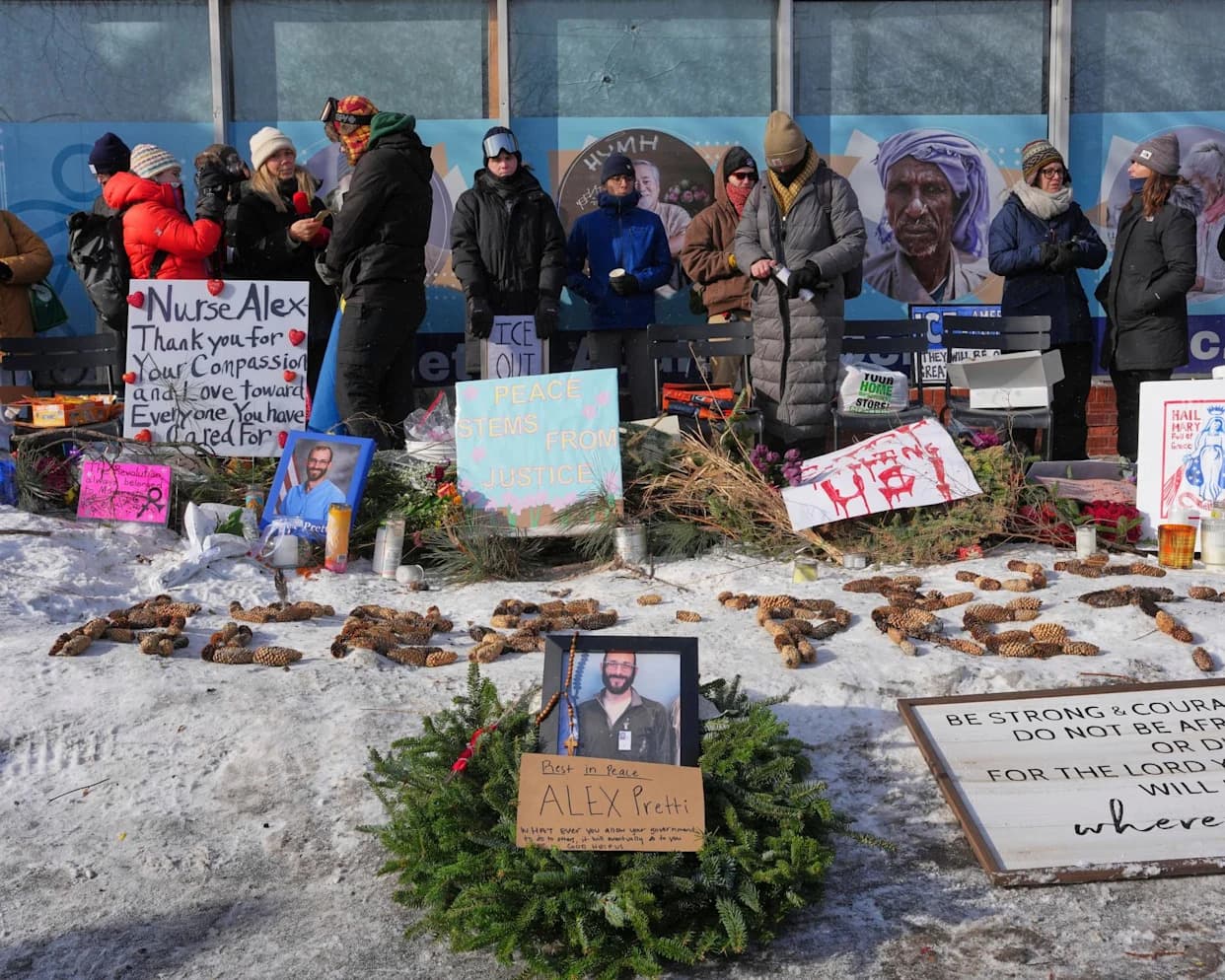
Demonstrators gather outside the Bishop Henry Whipple Federal Building, a day after a man identified as Alex Pretti was fatally shot by federal immigration agents trying to detain him, in Minneapolis, Minnesota, U.S., January 25, 2026. REUTERS/Tim Evans
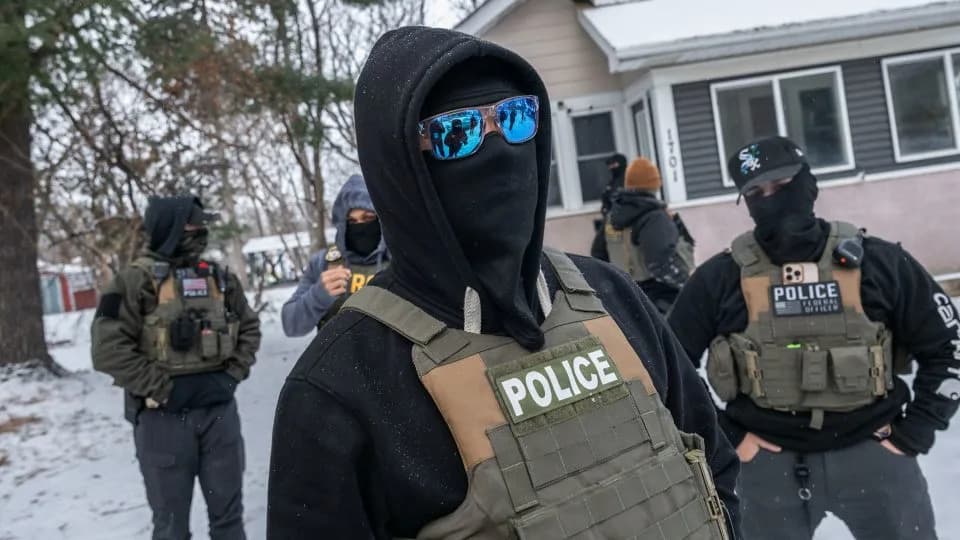
Heated political debate over the fatal shooting of a U.S. citizen by immigration agents in Minneapolis has spilled into Silicon Valley, exposing sharp divisions among technology leaders and employees.
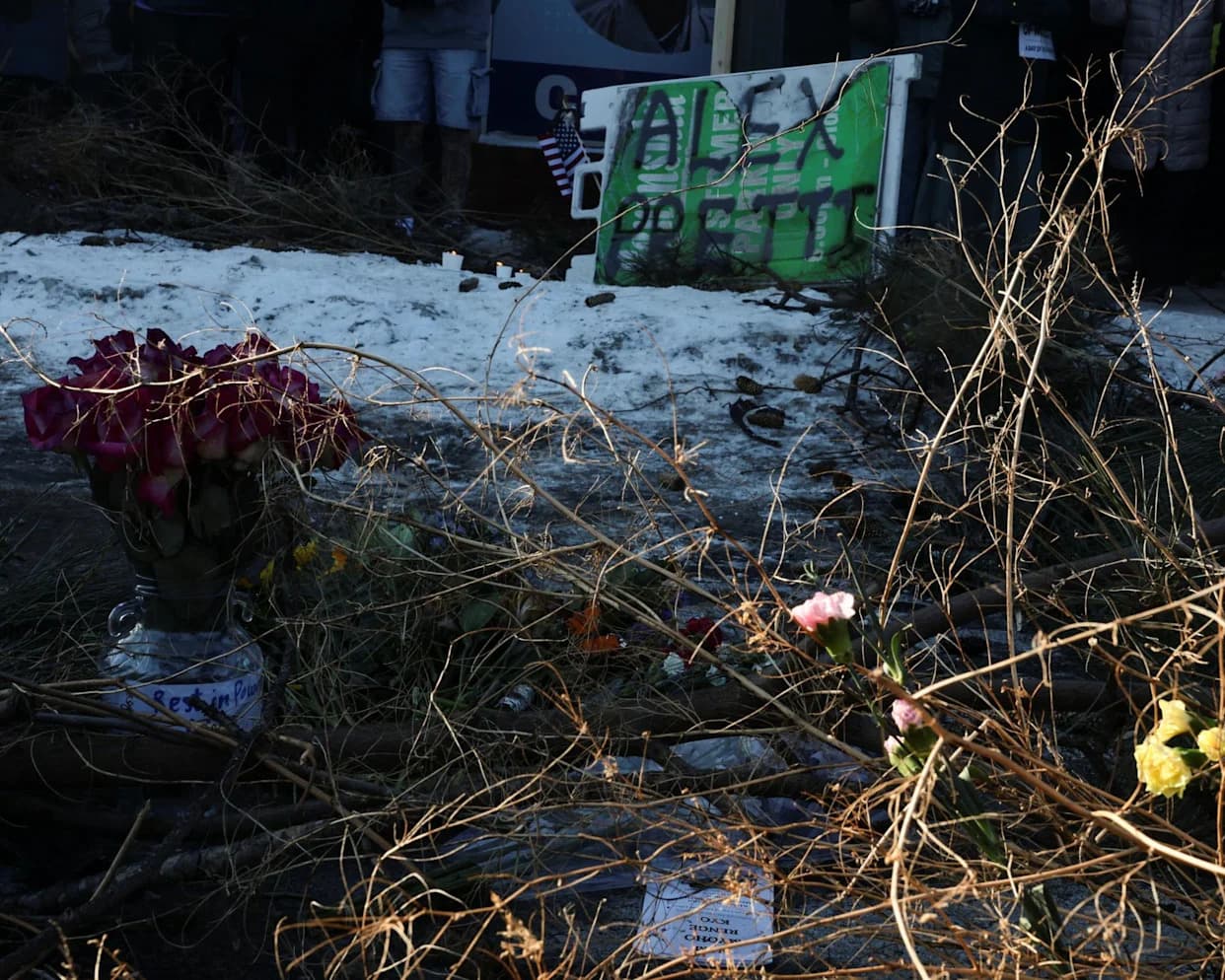
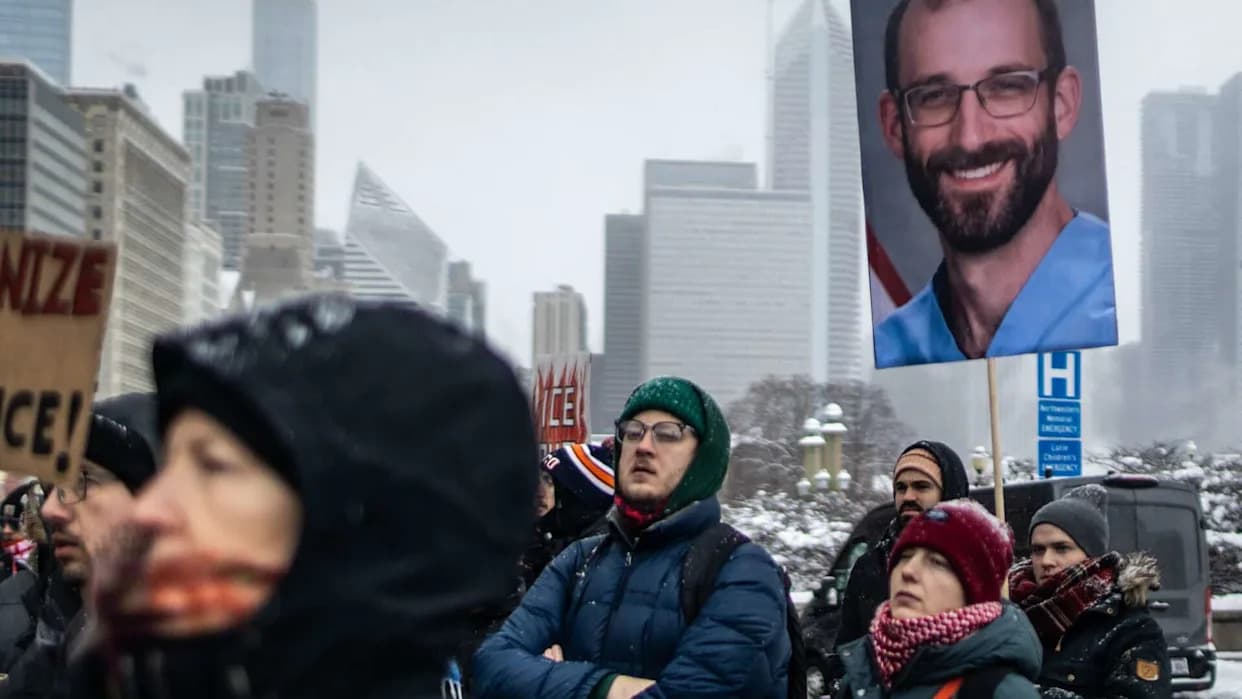
Thirty-seven-year-old Alex Pretti was shot and killed by federal immigration agents in Minneapolis on Saturday. His death was one of five shootings this month involving federal agents conducting immigration enforcement. Separately, at least six immigrants have died in federal immigration detention during the same period—an unusually rapid and troubling pace that has intensified national scrutiny.
The incident has provoked widespread anger across the political spectrum after the Biden administration and other authorities faced criticism for defending the agents’ actions, even as released videos and public accounts raised questions about the official narrative.
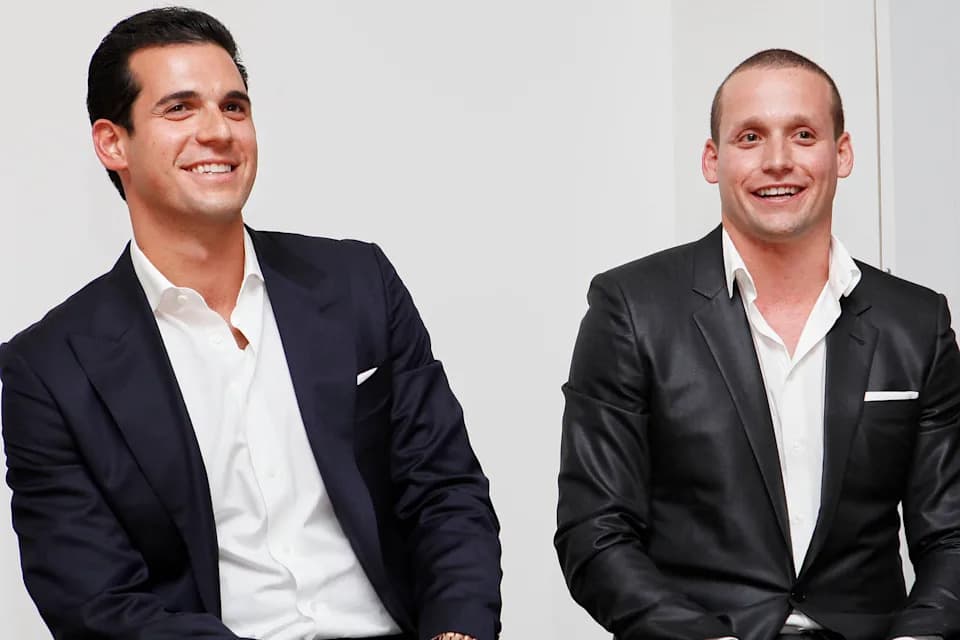
The dispute reached private-sector leaders after Khosla Ventures partner Keith Rabois posted on social media defending the officers and asserting that law enforcement had not shot an innocent person, adding that undocumented immigrants commit crimes daily. Two senior colleagues at the firm—founder Vinod Khosla and partner Ethan Choi—publicly disavowed Rabois’s comments, saying humanity should transcend partisan politics. Khosla Ventures is notable for early investments in companies such as OpenAI, DoorDash and Instacart.
Vinod Khosla: "ICE (Immigration and Customs Enforcement) personnel must have ice water running thru their veins to treat other human beings this way. There is politics but humanity should transcend that."
Prominent technologists including Jeff Dean (Alphabet/DeepMind) and Eric Horvitz (Microsoft) praised Pretti, who worked as an intensive-care nurse at a Veterans Affairs hospital. The episode has become a flashpoint in an industry already grappling with political realignment: some high-profile executives have shifted toward public support for tougher immigration and law-and-order policies, while many employees and other leaders push back.
Broader Tech Fallout
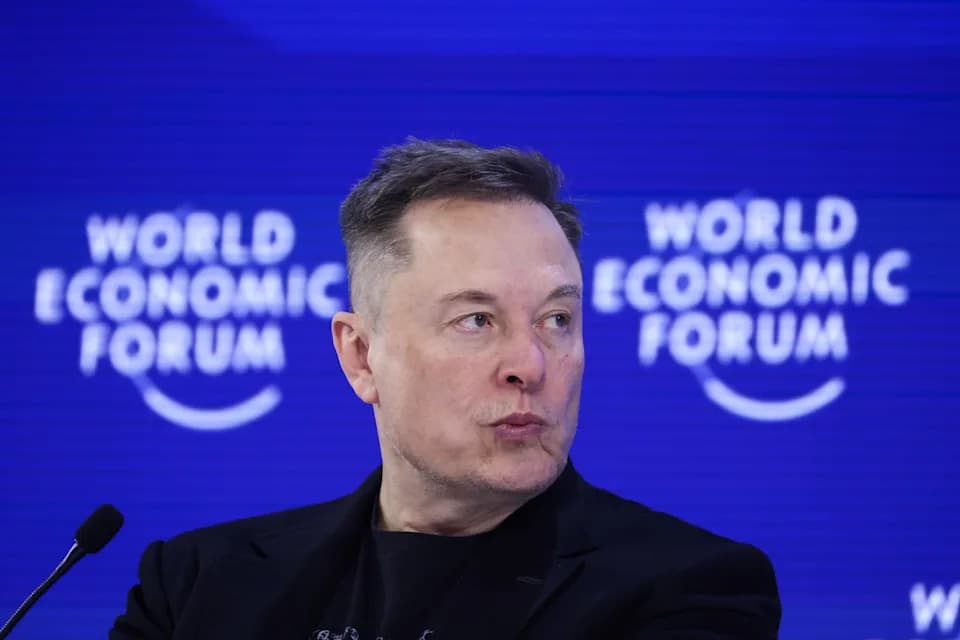
Billionaire Elon Musk has been a prominent supporter of former President Donald Trump—donating heavily to his 2024 campaign and backing stricter immigration measures—contributing to public clashes with Democratic-leaning tech figures such as LinkedIn co-founder Reid Hoffman. Musk did not comment on the Pretti shooting; Hoffman echoed calls for humanity to transcend politics.
Amid concerns about government retaliation, many tech executives have been cautious this year on controversial policy matters affecting their businesses, from the H-1B visa system to U.S. tariffs. Some companies have instead sought to cultivate better relations with the administration—contributing to inauguration events and pledging large manufacturing investments—moves some analysts view as symbolic.
On Saturday, more than 450 employees from major technology firms, including Google, Meta, Salesforce and OpenAI, signed a letter urging their CEOs to press the White House to withdraw ICE from U.S. cities, cancel all contracts with the agency and publicly condemn ICE violence. In the letter, the workers wrote: "The wanton brutality ... has removed any credibility that these actions are about immigration enforcement. Their goal is terror, cruelty, and suppression of dissent."
Signatories also pointed to a prior instance in which President Trump reportedly decided not to deploy federal agents to San Francisco after advice from industry leaders including Nvidia CEO Jensen Huang and Salesforce CEO Marc Benioff.
The episode underscores a widening political fracture within the tech industry: a contest between executives who are publicly aligning with more conservative policies and workers and leaders who demand that companies take a stand on human rights and government conduct.
Help us improve.