The WHO announced that the United Kingdom, Spain, Austria, Armenia, Azerbaijan and Uzbekistan have lost measles elimination status after a rise in cases recorded in 2024. The agency warned that vaccination coverage must exceed 95% to prevent transmission and urged countries to boost immunisation, particularly among under-protected groups. In the UK, two-dose coverage was 84.4% in 2024 and England recorded 2,911 confirmed cases—the most since 2012.
WHO Removes Measles Elimination Status From UK And Five Other Countries After 2024 Rise In Cases
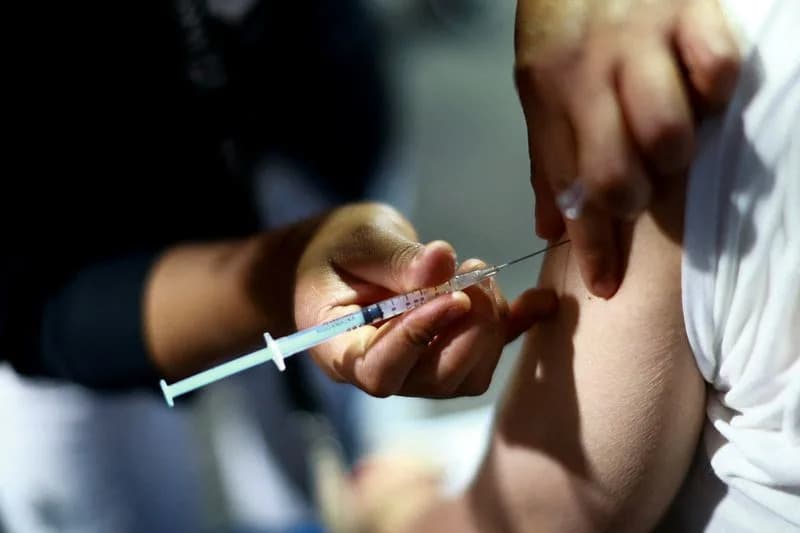
FILE PHOTO: A nurse administers a dose of the measles vaccine to a man during a vaccination campaign in response to a measles outbreak, at the Estadio Olimpico Universitario in Mexico City, Mexico, November 12, 2025. REUTERS/Raquel Cunha/File Photo
LONDON — The World Health Organization said on Monday that the United Kingdom and five other countries have lost their measles elimination status following a spike in cases across Europe in 2024.
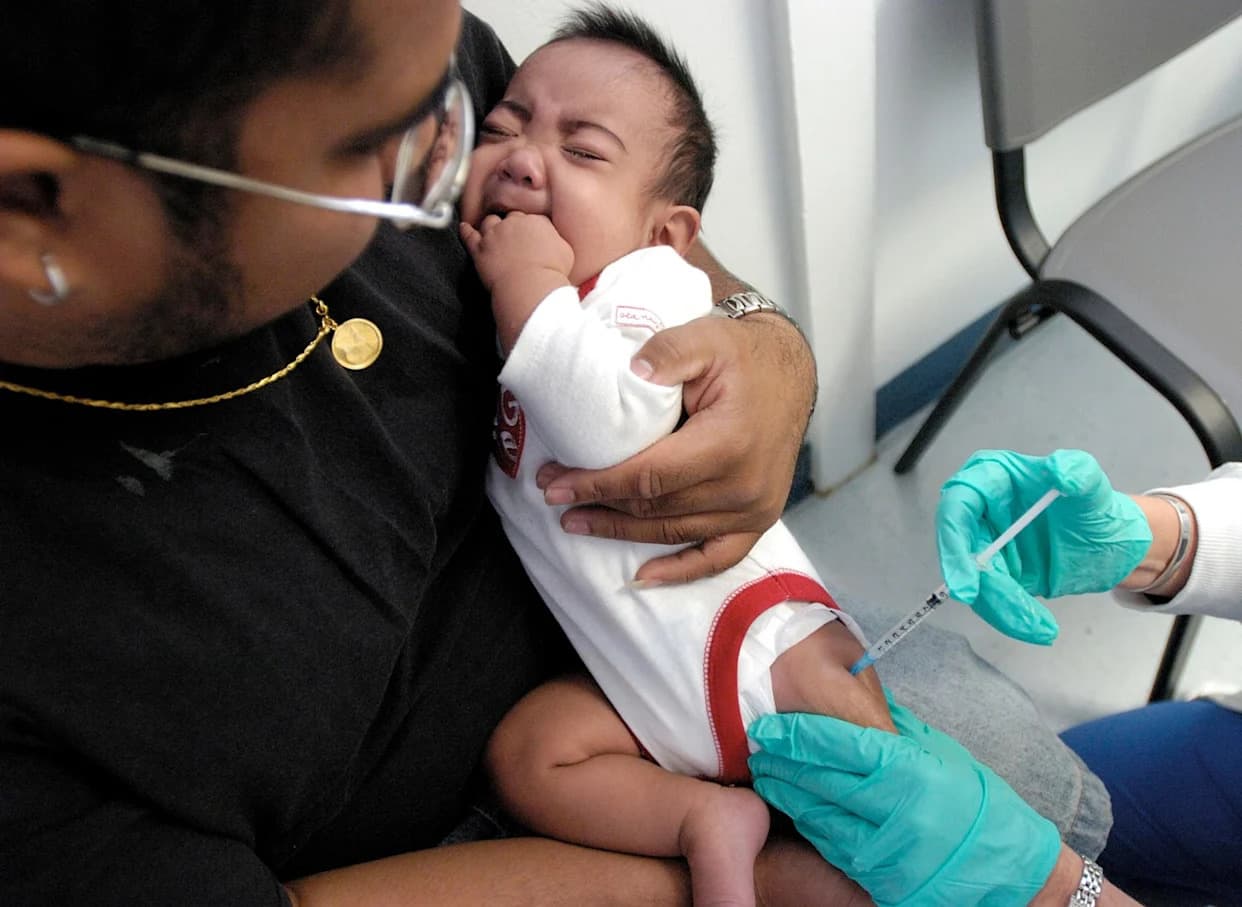
Spain, Austria, Armenia, Azerbaijan and Uzbekistan were also stripped of the designation. The WHO urged governments to raise vaccination coverage—especially among under-protected and hard-to-reach groups—to prevent more children from contracting the virus.
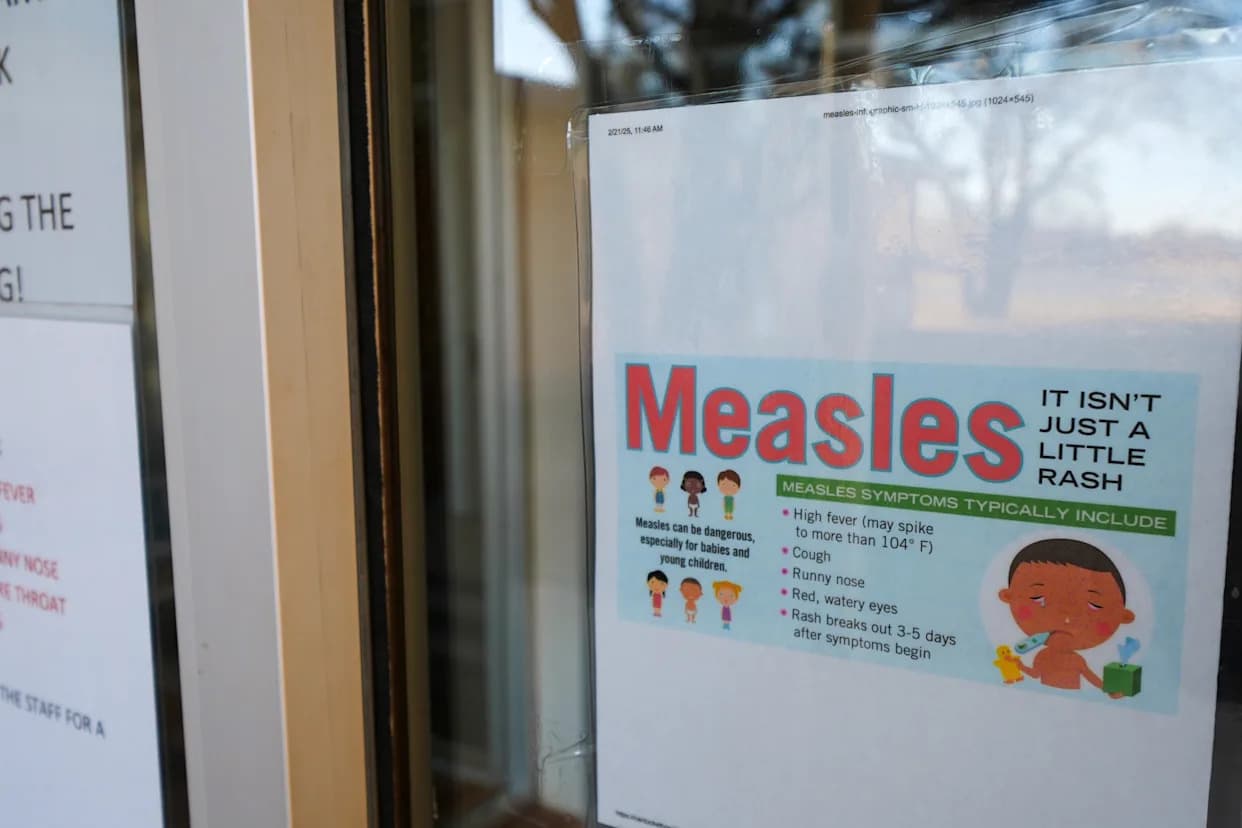
Measles Is Preventable But Highly Contagious. Vaccination can fully prevent measles, yet the disease is among the first to re-emerge when immunisation rates fall. Typical symptoms include high fever and a distinctive rash, and measles can lead to serious long-term complications or death.
SIGN OF DECLINING VACCINATION
Health experts have warned that growing outbreaks worldwide point to a resurgence of other vaccine-preventable illnesses as some populations have become more mistrustful or hesitant about vaccines since the COVID-19 pandemic.
"The UK's change of status reflects a broader challenge we're facing across the WHO European Region," the U.N. health agency said on its website.
The WHO notes several countries in Europe—including France and Romania—already have regular measles transmission. Canada lost its elimination status last year, and the United States is working to retain its status as infections increase.
How The WHO Decides Elimination Status. Regional WHO committees assess countries using case rates and transmission data. To be considered measles-free, a country must have no locally transmitted cases of the same strain for 12 months or longer. The decision to remove elimination status from the affected countries was taken in September based on 2024 data and published only after each country gave formal sign-off.
To prevent measles from spreading, the WHO estimates routine two-dose vaccination coverage must exceed 95%. In the UK, only 84.4% of children received both doses in 2024—well below the threshold—and England reported 2,911 confirmed cases that year, the highest annual total since 2012. On Monday the UK Health Security Agency reiterated that all children should be vaccinated against measles.
The WHO and national health agencies are urging targeted catch-up campaigns and stronger outreach to under-immunised communities to restore high coverage and protect children from future outbreaks.
Help us improve.