ACIP Chair Kirk Milhoan says the committee is reviewing all vaccine recommendations, challenging school mandates and prioritising individual choice. The review occurs as HHS Secretary Robert F. Kennedy Jr. leads changes to the childhood immunisation schedule and appoints advisers skeptical of routine vaccination. Public-health experts warn that reduced uptake could allow polio and measles to reemerge—so far the CDC has recorded 416 measles cases this year versus 2,255 last year. ACIP meets in February; states are increasingly decoupling mandates from federal guidance.
US Vaccine Advisory Panel to Reassess All Recommendations as Chair Questions Mandates
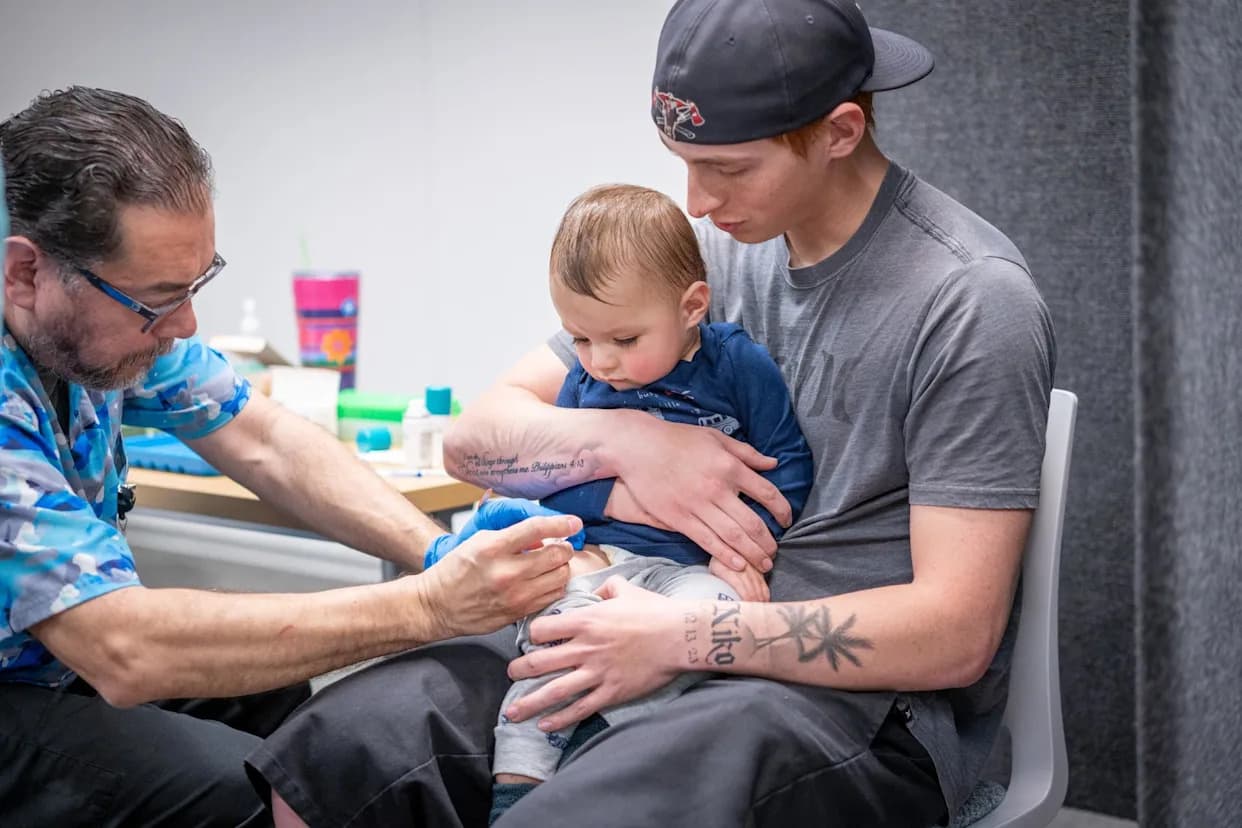
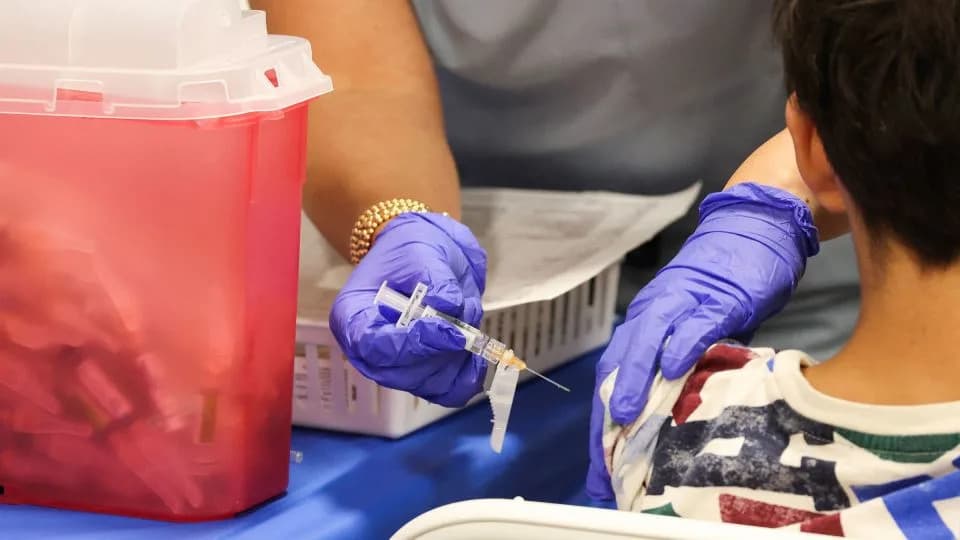
Ethan Turner holds his 14-month-old son, Niko, while he gets the MMR vaccine, in Lubbock, Texas, on 1 March 2025.Photograph: Jan Sonnenmair/Getty Images(Photograph: Jan Sonnenmair/Getty Images)
The Advisory Committee on Immunization Practices (ACIP) is conducting a comprehensive review of every vaccine recommendation, ACIP chair Kirk Milhoan has said, signaling a major shift from decades of federal advisory practice. Milhoan has publicly criticized school vaccine requirements and argued that vaccinations should be administered based on individual doctors' advice rather than broad mandates.
Why this matters: ACIP is the principal federal advisory committee that issues evidence-based vaccine guidance used by the Centers for Disease Control and Prevention (CDC). Although ACIP does not set school mandates—states and local jurisdictions do—its recommendations have long informed policymakers and clinicians nationwide.
Leadership Changes and a New Direction
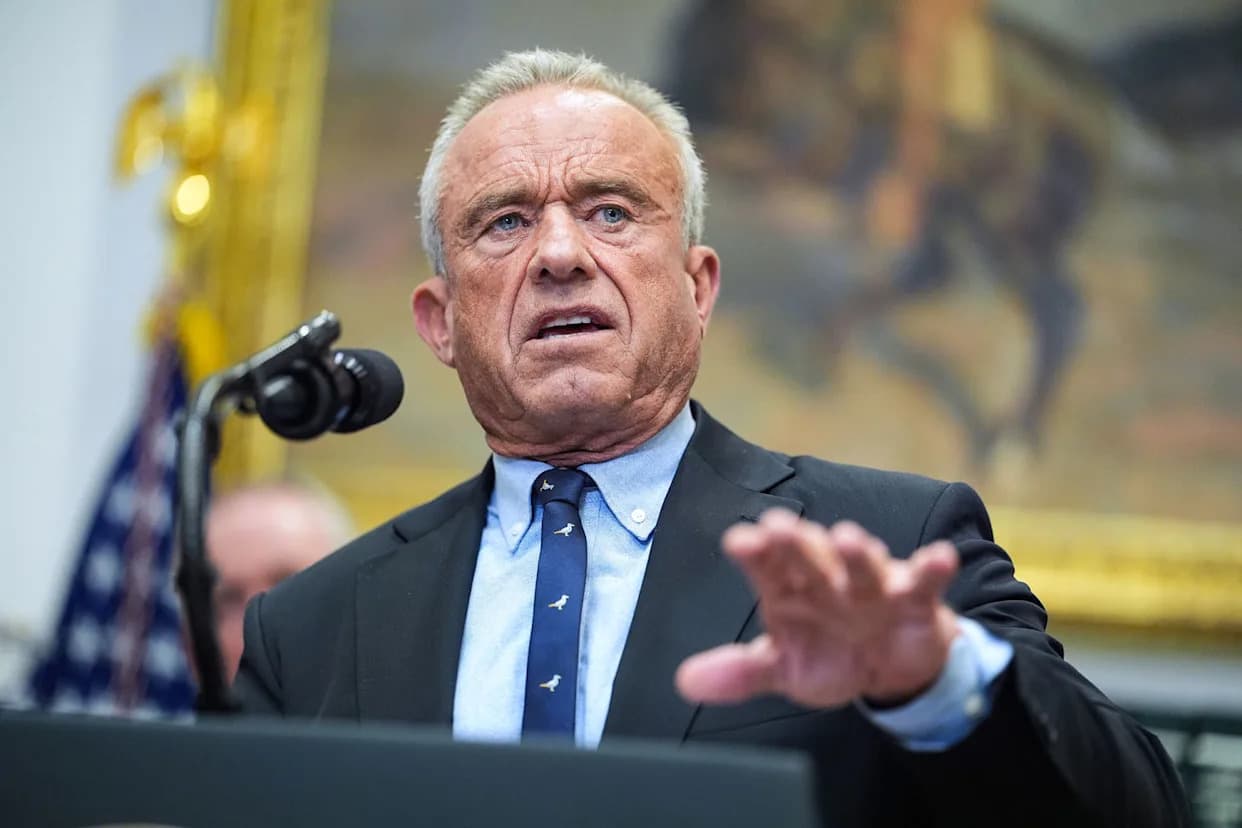
Milhoan’s review comes amid extensive revisions to the childhood immunization schedule driven by Robert F. Kennedy Jr., the US Department of Health and Human Services (HHS) secretary and a longtime critic of routine vaccination. Several advisers appointed by HHS leadership have emphasized the rare risks of vaccine side effects while questioning long-established assessments of population benefit.
Milhoan told the New York Times and, later, the podcast Why Should I Trust You? that ACIP is “reevaluating all of the vaccine products including risks and benefits” and that it may “not necessarily” convert every recommendation into optional guidance. On the podcast he framed the debate as one of individual autonomy versus public-health goals.
“There’s always going to be a tension between what is supposedly good for all and what is good for the individual,” Milhoan said.
Experts Push Back
Public-health experts reject Milhoan’s framing as a false dichotomy. Jason Schwartz, an associate professor of health policy and management at the Yale School of Public Health, noted that vaccines protect both the individual and the broader community and warned that loosening recommendations could increase the risk of outbreaks.
Elizabeth Jacobs, professor emerita at the University of Arizona and a founding member of Defend Public Health, criticized the approach as tantamount to experimenting with the population by allowing vaccination coverage to fall.
“This is so dangerous as to approach criminality,” Jacobs said.
Polio, Measles and Rising Risks
Milhoan highlighted polio and measles in public remarks, suggesting current sanitation and other changes should be considered in assessing risk. Public-health specialists emphasize that polio and many other diseases were controlled primarily because of vaccination campaigns, and they warn that declining coverage could permit their return.
Measles cases are rising: the CDC has confirmed 416 cases so far this year compared with 2,255 confirmed cases last year. That tally puts the US at roughly one-fifth of 2025’s total within the first three weeks of 2026—and 2025 was the worst outbreak in three decades.
Milhoan described the growing measles spread as an opportunity to observe outcomes among unvaccinated people. Critics say deliberately allowing lower coverage to measure harm would put vulnerable people at risk.
Role of Recommendations, Mandates and State Authority
Milhoan has suggested that strong recommendations have led to mandates and increased hesitancy. In reality, the federal government has never directly mandated childhood vaccinations for school entry; states and localities set school requirements, often through lengthy legal and public-health processes. ACIP issues recommendations that the CDC may adopt, adapt, or decline.
Experts say that while some jurisdictions consult ACIP and CDC guidance when crafting rules, many states are decoupling school requirements from federal recommendations. A recent KFF report found that a majority of states have begun separating their mandates from the federal schedule. All states allow medical exemptions; an increasing number allow philosophical exemptions, a trend research links to higher outbreak risk.
Public-Health and Individual Rights
Milhoan has argued for "medical freedom" and emphasized parental choice. Public-health professionals counter that loosening protections would reduce freedom for many: unvaccinated children increase disease risk in schools, camps and playgrounds, and they threaten people who cannot be vaccinated for medical reasons.
“What about the rights of vaccinated kids to be in playgrounds and camps and schools where their risks of vaccine-preventable diseases can be increased through unvaccinated children?” Jason Schwartz asked.
Science, Safety and Next Steps
Milhoan has expressed concern—contrary to decades of epidemiological and clinical data—that repeated vaccinations could be linked to allergies, asthma and eczema. He has also questioned the phrase “established science,” describing science as being based on personal observation. Scientists emphasize that observations lead to rigorous studies, data collection and analysis that underpin public-health recommendations.
The next ACIP meeting is scheduled for February. Public-health groups, medical societies and state and local officials are expected to play a larger role in interpreting evidence and advising policy if ACIP narrows its guidance.
Implication: A wholesale reassessment of ACIP recommendations could reshape how vaccination guidance influences state policy and public behavior, with potential consequences for disease control and community protection.
Help us improve.