William Foege, who helped end smallpox with his "ring vaccination" strategy, has died at 89. Smallpox once killed about one-third of those infected and had roughly 15 million cases in 1967; the last natural case was recorded in 1977 and the disease was declared eradicated in 1980. Foege later worked on polio eradication, though recent claims by a U.S. official questioning the polio vaccine’s effect on transmission have raised concerns that vaccine skepticism could hinder future eradication efforts.
William Foege, Architect of Ring Vaccination That Ended Smallpox, Dies at 89
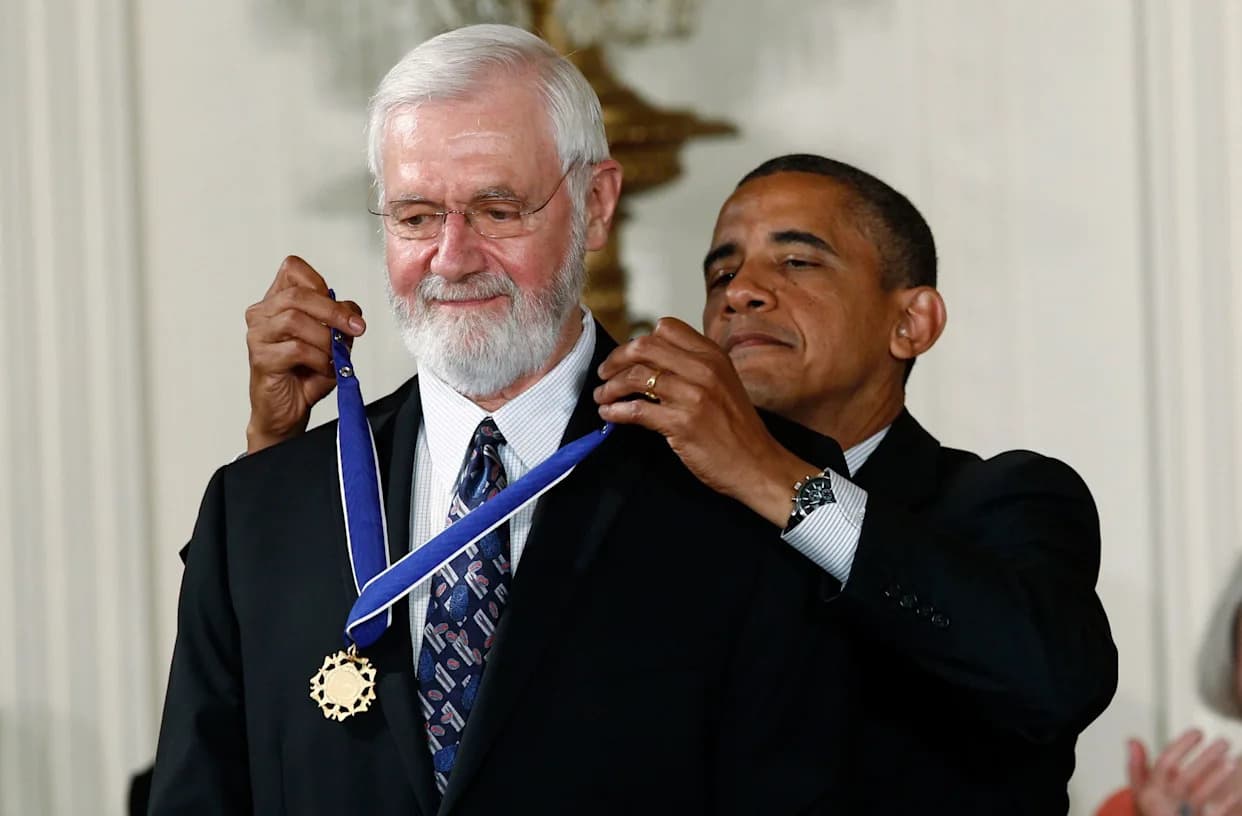
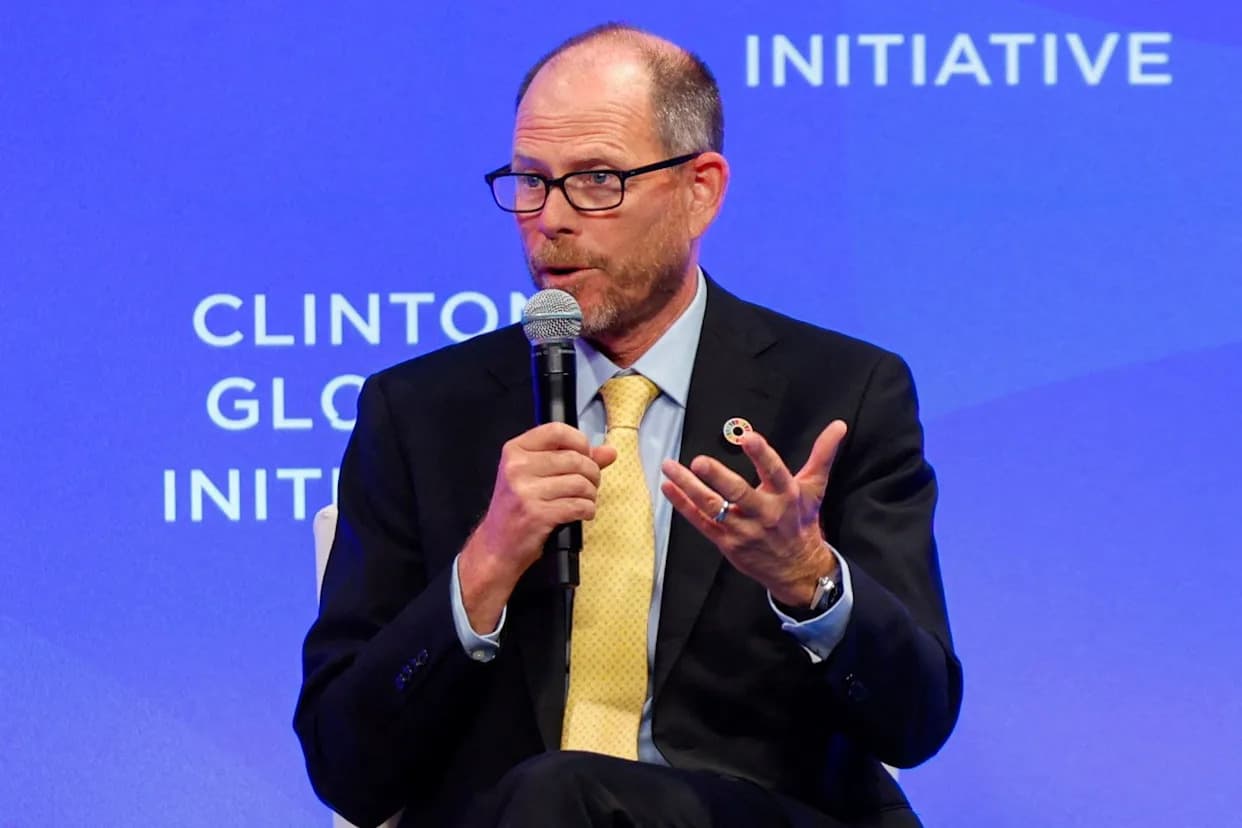
William Foege, the public health leader credited with pioneering the targeted "ring vaccination" strategy that helped end smallpox, has died aged 89. His work is widely recognized as a turning point in the global campaign that eliminated one of history’s deadliest diseases.
From Devastating Outbreaks to Global Eradication
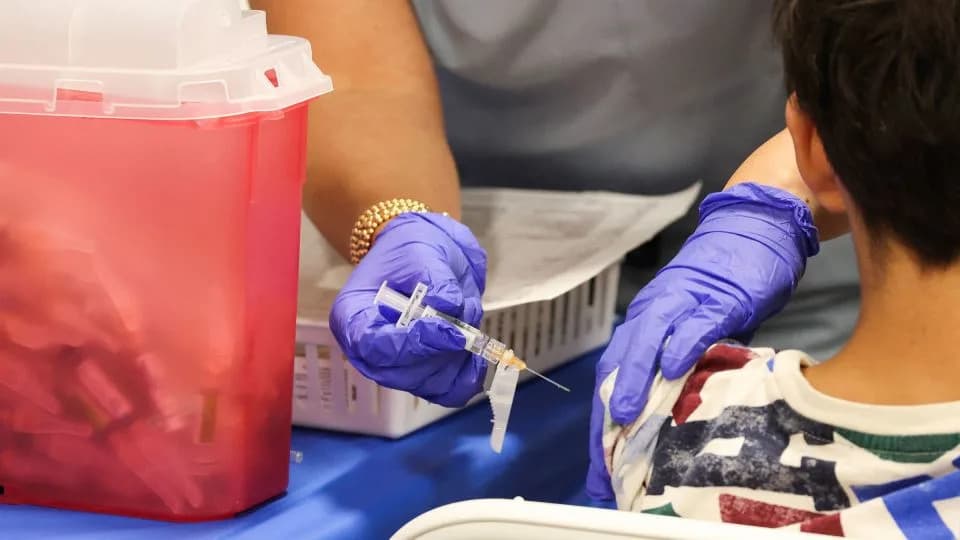
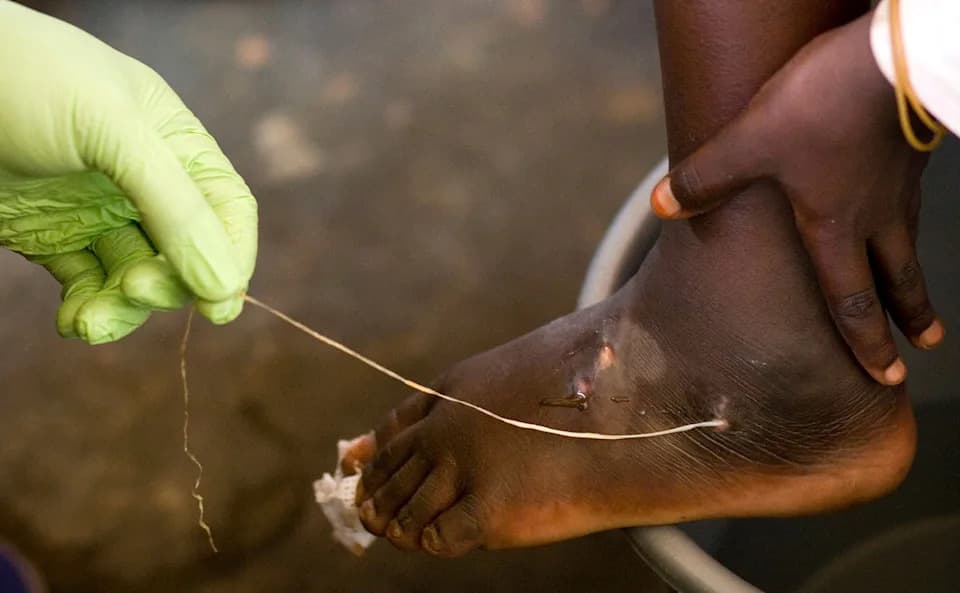
Smallpox once killed roughly one-third of those infected and, as late as 1967, there were an estimated 15 million cases worldwide. Foege championed ring vaccination — identifying and immunizing close contacts of confirmed cases — which allowed health teams to control outbreaks quickly and efficiently. The last known naturally occurring case of smallpox was recorded in 1977, and the World Health Organization declared the disease eradicated in 1980.
Later Work and Ongoing Challenges
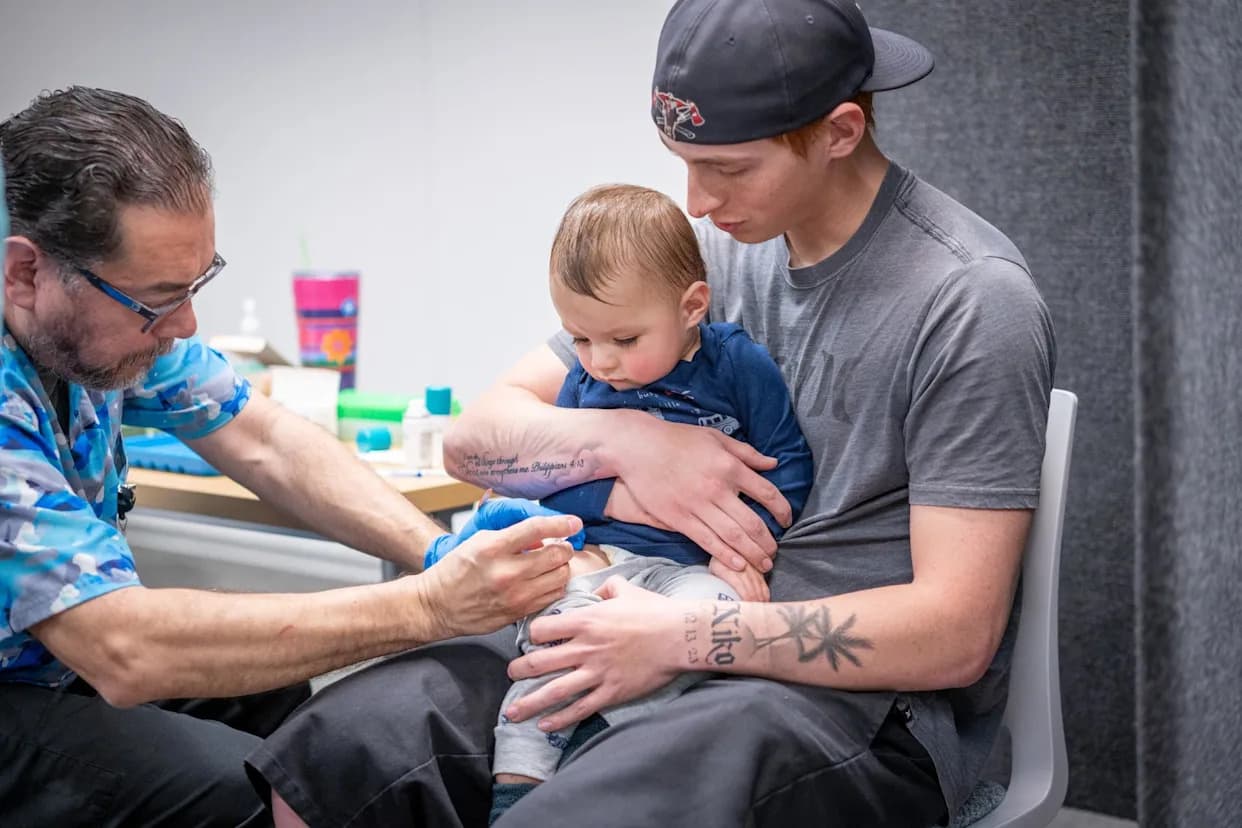
After smallpox, Foege continued to lead major public-health initiatives, including efforts to eradicate polio. In 2013 he said the polio campaign was close to success. However, recent statements by a senior U.S. health official claiming the polio vaccine does not prevent transmission have raised concerns that vaccine skepticism could slow or complicate eradication efforts.
Legacy: Foege’s approach reshaped outbreak response worldwide and saved countless lives by focusing scarce resources where they made the greatest impact.
He will be remembered both for the practical strategy that helped end smallpox and for a lifetime of commitment to global public health.
Help us improve.