Claire Hédon, France's Defender of Rights, has urged an end to the use of rubber bullets, tear gas and stun grenades against migrants attempting Channel crossings. Her leaked 18‑page report (17 Dec 2025) links these tactics to deaths and serious injuries and criticises a lack of transparency in policing. She calls for a ban on such weapons when the sole aim is to prevent boarding, mandatory written reporting of all uses and systematic activation of body cameras. The report cites multiple incidents near Calais and highlights wider concerns about proportionality and accountability.
France Urged To Stop Using Rubber Bullets, Tear Gas And Stun Grenades On Channel Migrants
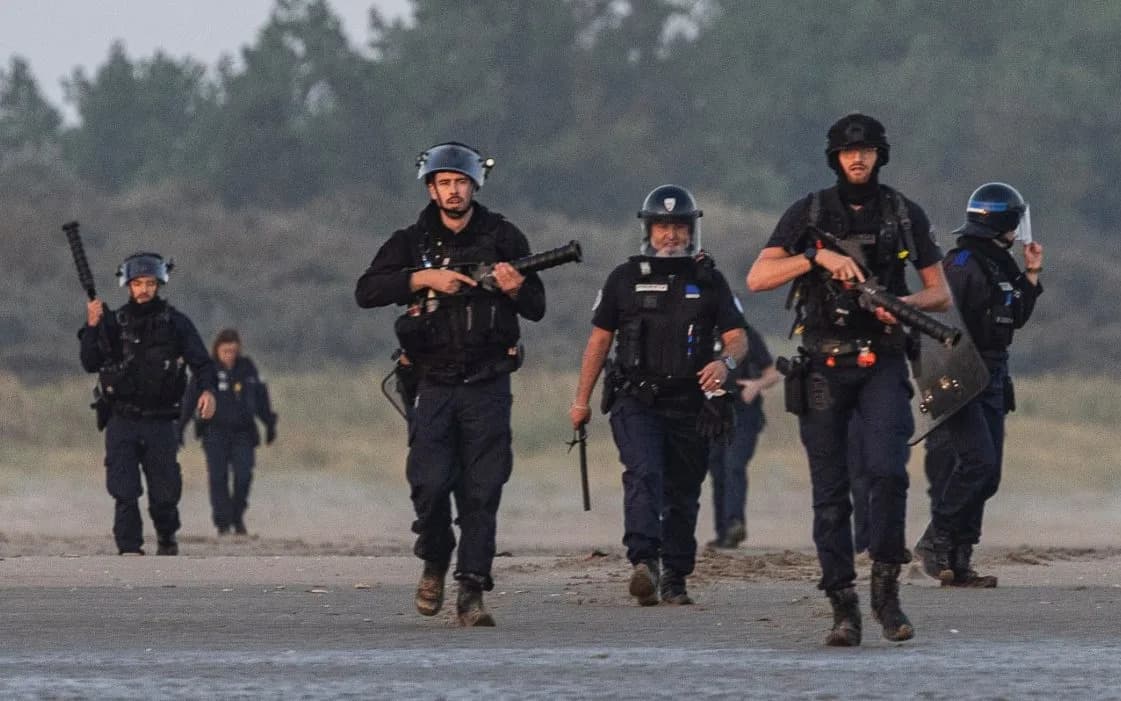
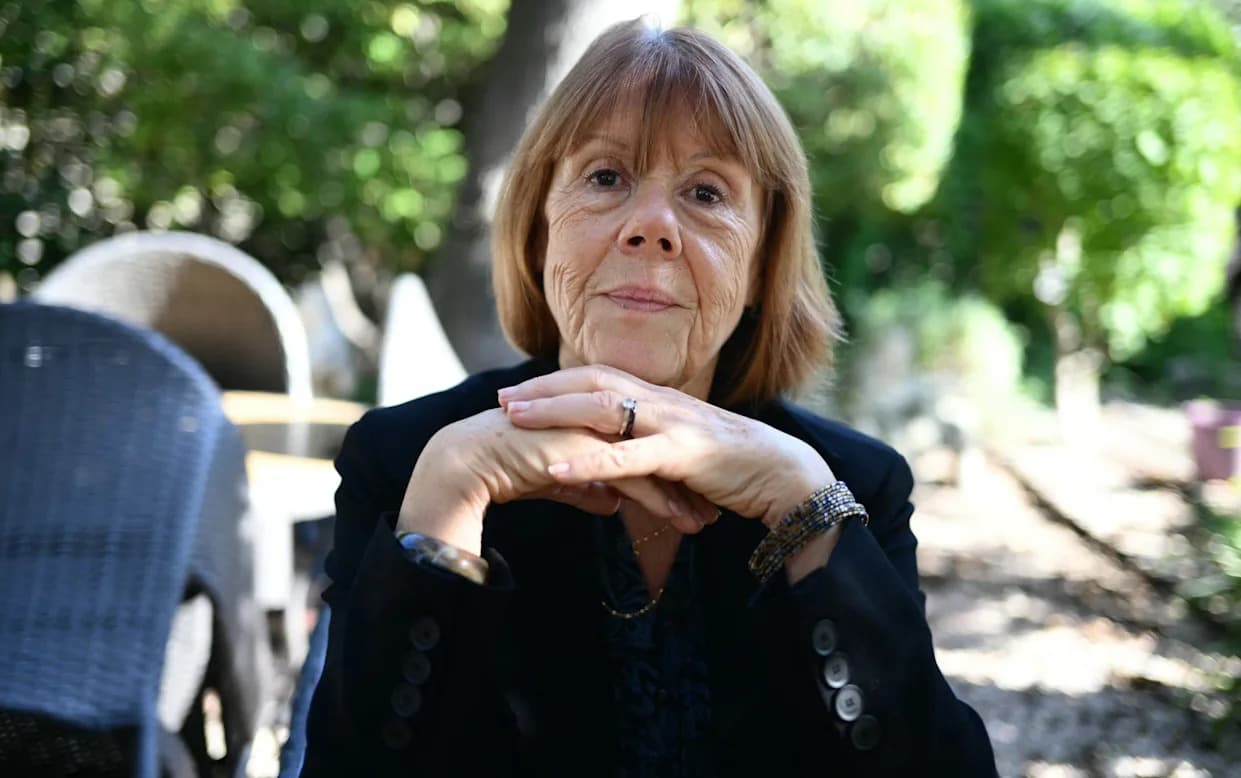
The use of armed force has endangered people, says Claire Hédon - SAMEER AL-DOUMY/AFP via Getty Images
French authorities have been urged to stop using rubber bullets, tear gas and stun grenades to prevent migrants from boarding small boats crossing the English Channel. Claire Hédon, France’s independent Defender of Rights, warned in a leaked 18‑page report that such tactics endanger lives and have been linked to deaths and serious injuries among migrants.
The report, dated 17 December 2025 and obtained by Le Monde, criticises a perceived lack of transparency in how officers handle thousands of men, women and children attempting the crossing to the UK. Ms Hédon, a former journalist appointed to the role in 2020, argues that preventing departures is a legitimate public‑safety aim but must not be carried out at any cost.

Ms Hédon is the most senior adviser to the French government on human rights - LUDOVIC MARIN/AFP via Getty Images
Findings and Concerns
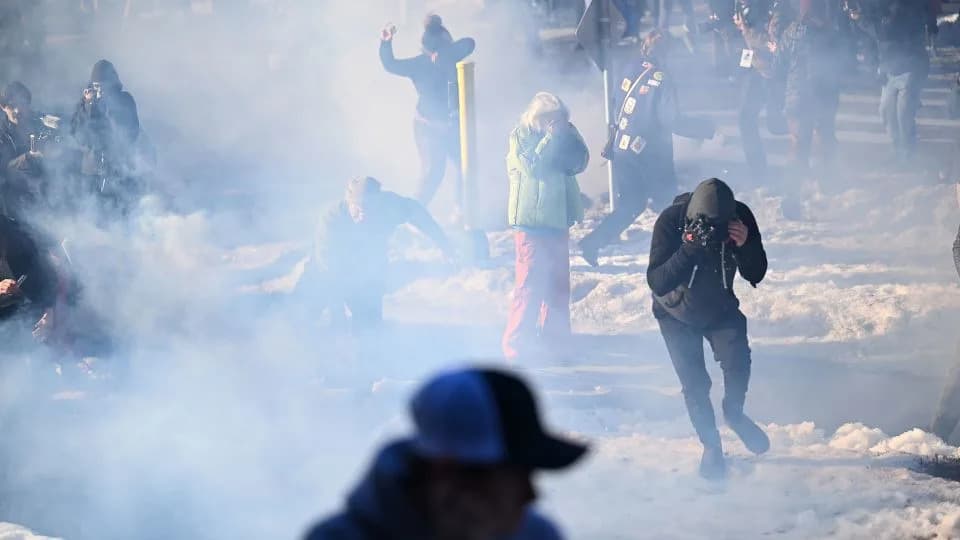
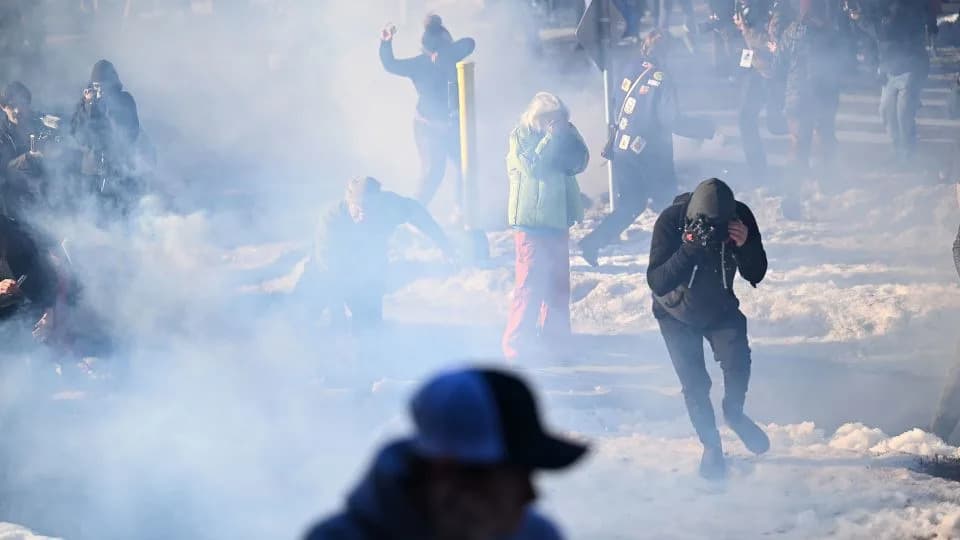
Ms Hédon denounces the use of so‑called "intermediate‑force" weapons — including "flash ball" launchers that fire rubber projectiles, tear gas grenades and stun grenades — when the stated aim of police is merely to stop people boarding boats. She highlights repeated problems with proportionality, timing and transparency, noting that such tactics are often used at night and sometimes while boats are already at sea.
"The objective of preventing departures is understandable given the danger of the crossing, and law enforcement plays a protective role, but this cannot be done at any cost," the report states.
Documented Incidents
The report cites specific episodes: on 8 February 2023 in Gravelines, near Calais, riot police fired tear‑gas grenades at a boat reportedly already at sea; in August 2023 similar tactics were used on Sangatte beach, with children among those affected; and in April 2024 officers reportedly used 14 tear‑gas grenades, a stun grenade and eight rubber rounds to stop a boat leaving Oye‑Plage, yet filed no written report afterwards.
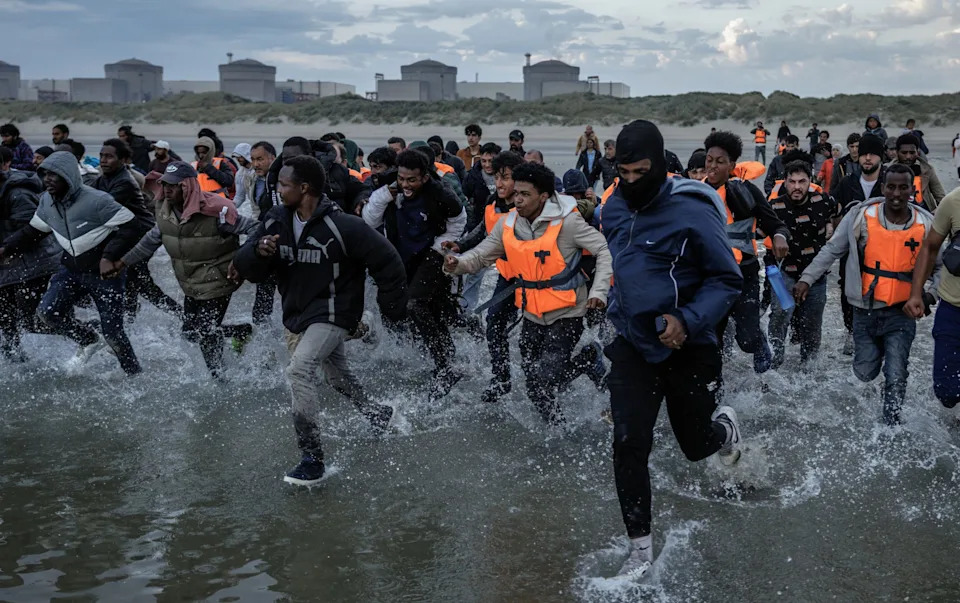
Migrants run towards the sea in Gravelines, where police previously used a tear gas grenade on a boat crossing the Channel - Dan Kitwood/Getty Images
Ms Hédon also criticises officers for turning off or failing to activate body‑worn cameras during interventions and for producing few detailed written reports after violent interventions. She adds that footage shot at night is frequently unusable, undermining accountability.
Recommendations
The Defender of Rights recommends excluding the use of intermediate‑force weapons when the sole purpose of security forces is to prevent people from boarding boats. She calls for mandatory written reports each time such a weapon is used, and for the systematic activation and improved technical standards for body‑worn cameras so footage is reliable at night.
The findings are likely to add tension to relations with the UK, which has provided around £500m to France to help tackle Channel crossings; about 42,000 people crossed in small boats in 2025, most claiming asylum on arrival in Britain. Since 2022, charity Utopia 56 has filed roughly 40 complaints about police violence; its representative, Amélie Moyart, links deaths during crossings to aggressive policing tactics and reports 78 deaths related to crossing attempts in 2024.
The Defender of Rights is an independent institution whose recommendations are not binding but are influential. Ms Hédon's report underlines the need for clearer rules, stronger oversight and measures that protect both public order and human life.
Help us improve.