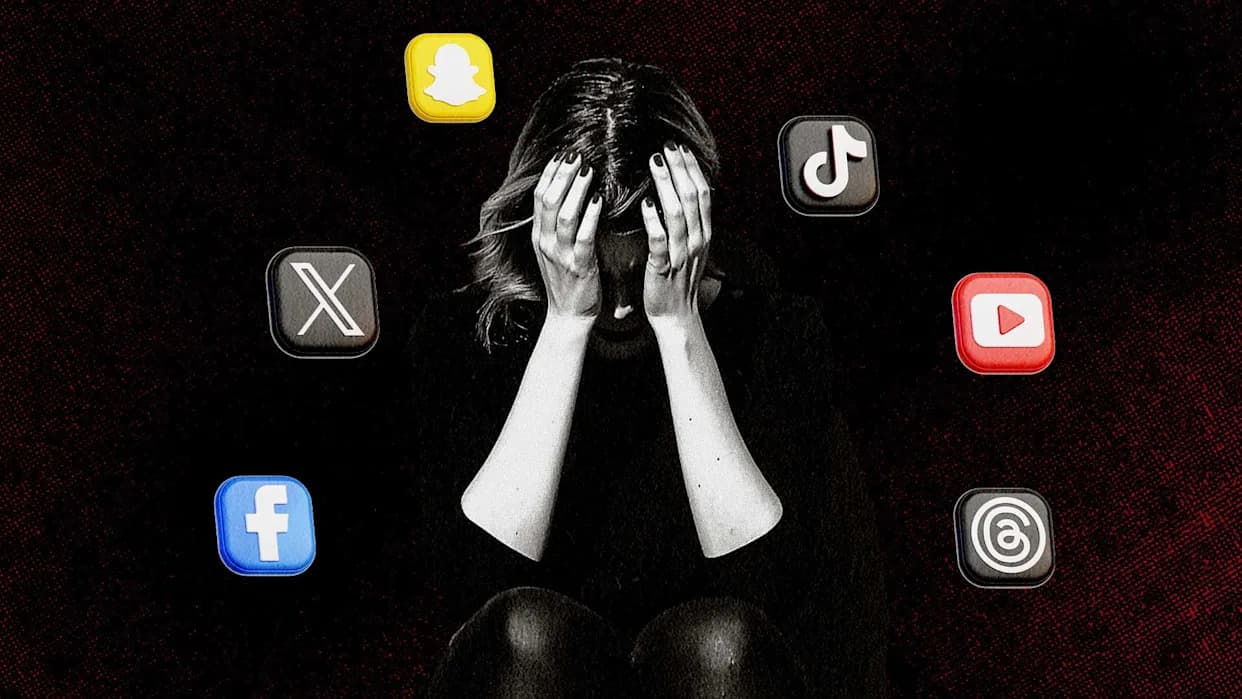
Summary: The UK and France are considering age-based restrictions on social media after Australia barred under-16s from major platforms. Proponents cite rising youth mental-health problems and studies suggesting harm from excessive use; critics point to mixed evidence and warn of unintended consequences. Key research shows both that heavy use can damage wellbeing — especially for girls — and that complete exclusion may also be harmful. Policymakers are weighing bans, targeted regulation, and further study of Australia's policy.
UK and France Weigh Social Media Age Limits as Debate Over Youth Mental Health Intensifies
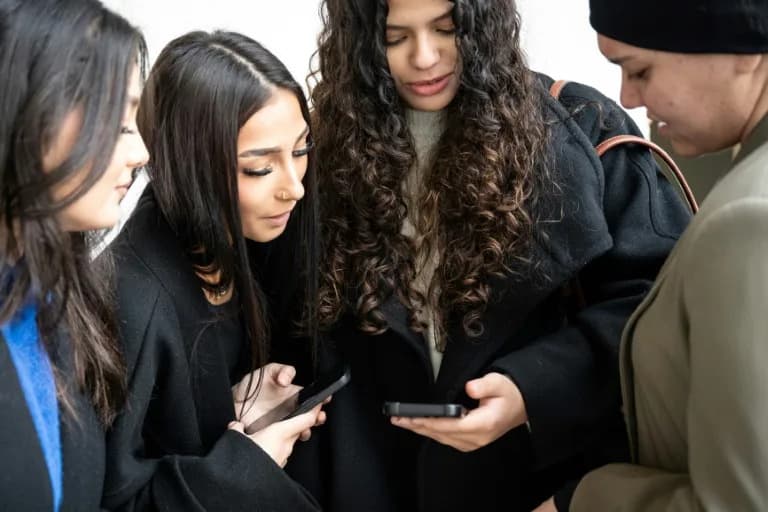
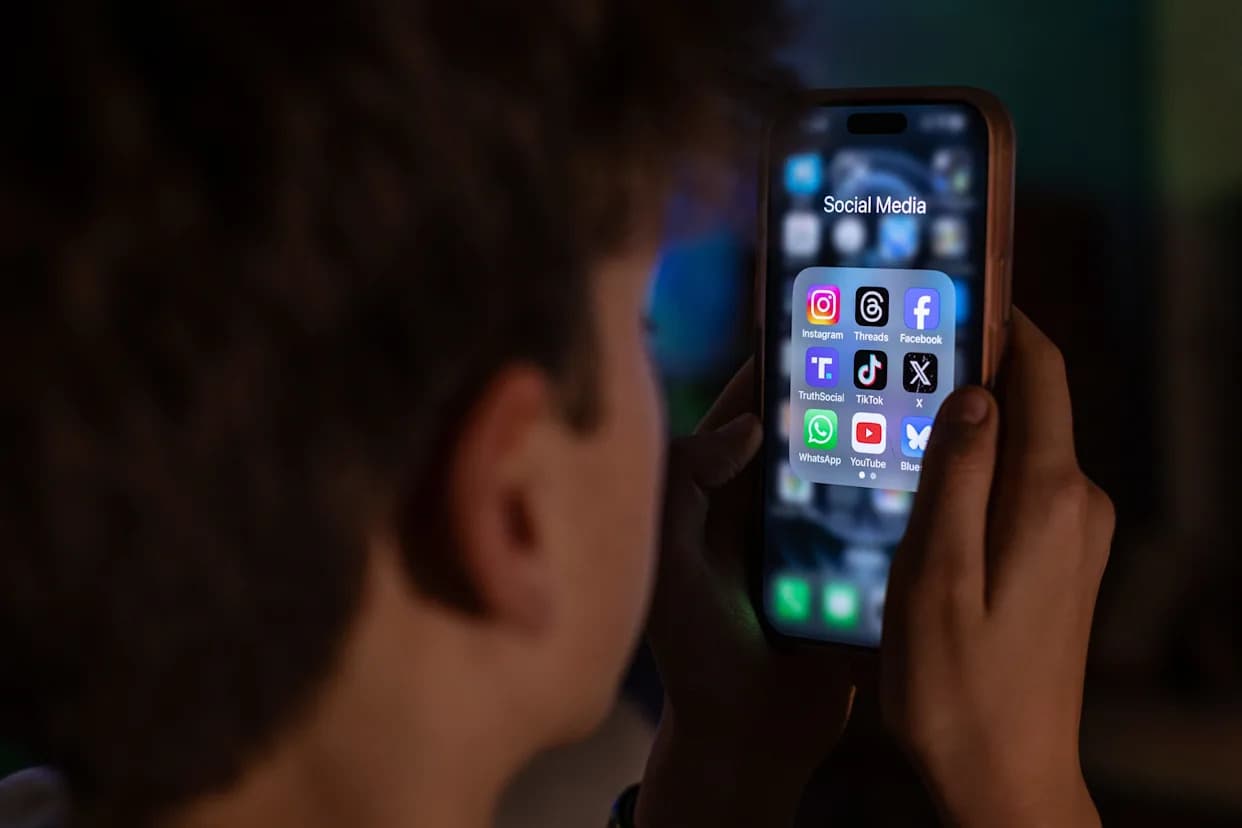
Should teens be banned from social media? Some countries are considering following Australia's lead (BERTRAND GUAY)(BERTRAND GUAY/AFP/AFP)
Countries including the United Kingdom and France are weighing proposals to restrict young people's access to major social media platforms, following Australia's decision to bar under-16s from Instagram, Facebook, TikTok and YouTube. The policy debate pits politicians and some health experts who argue for urgent action against researchers who say the evidence is mixed and policy should be more nuanced.
Where The Proposals Stand
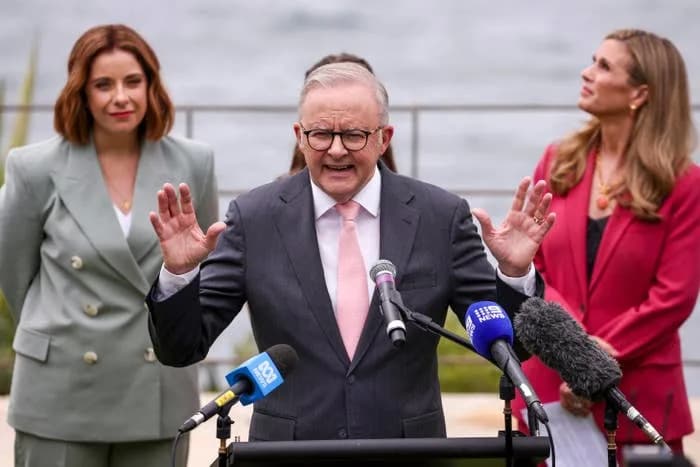
In December, Australia became the first country to prohibit people under 16 from using several large social platforms. France is debating bills that would ban under-15s, including measures backed by President Emmanuel Macron. In the UK, Prime Minister Keir Starmer said "we need to do more to protect children" after about 60 Labour MPs called for limits on youth access to social media.
The Evidence Divide
Supporters of age-based limits point to rising rates of anxiety and depression among young people and argue social media contributes to that trend. American psychologist Jonathan Haidt, author of the best-selling 2024 book The Anxious Generation, contends that prolonged social-media exposure is reshaping children's brains and contributing to an "epidemic of mental illness."
But Haidt's conclusions have been challenged in academic circles. Canadian psychologist Candice Odgers wrote that the alarming narrative in his book is "not supported by science," and many researchers urge caution before adopting blanket bans.
Key Studies And Findings
A large review led by Michael Noetel at the University of Queensland and published in Psychological Bulletin examined more than 100 studies and found patterns suggesting a harmful cycle: excessive screen use (notably social media and video games) is associated with distress, which in turn drives further screen use.
Conversely, a longitudinal study from the University of Adelaide by Ben Singh followed over 100,000 young Australians for three years and found that the poorest wellbeing was among those who used social media heavily (more than two hours per day) or not at all. Moderate users tended to fare best — a finding that points to risks both from excessive exposure and from total deprivation.
France's public health watchdog, ANSES, after reviewing current evidence, concluded that social media can have multiple detrimental effects on adolescents — particularly girls — while noting it is not the sole cause of deteriorating youth mental health.
Expert Views: Nuance Versus Action
Some experts argue policy should be precautionary: Michael Noetel described a ban as "a bet worth making," saying small effects across billions of users can add up. Others warn of unintended consequences. French psychiatrist Serge Tisseron called social media "appallingly toxic," but warned that legal bans could be easily circumvented by tech-savvy teens and might let parents abdicate responsibility.
Cambridge researcher Amy Orben suggested a wait-and-see approach: "Within a year, we should know much more about how effective the Australian social media ban has been and whether it led to any unintended consequences." Australia's online safety regulator has already said technology companies closed about 4.7 million accounts registered to people under 16.
What Policymakers Face
Policymakers must balance the potential benefits of stricter age limits against the risks of driving young people to unregulated channels, worsening social isolation, or creating enforcement challenges. Possible alternatives include more targeted regulation, improved digital literacy education, stronger parental controls, platform design changes to reduce harm, and continued monitoring of Australia's experiment.
Bottom line: Evidence points to real harms for some young people from excessive social-media use, but research also shows risks from complete exclusion. Policy choices should be informed by ongoing studies and tailored to reduce harm while preserving safe social connection.
Help us improve.