Toronto is digging out after its largest recorded snowfall, with nearly 60 cm in some neighbourhoods and more than 88.2 cm recorded at Pearson Airport this month — the snowiest month since records began in 1937. Over 500 flights were canceled and transit saw major disruptions, including a streetcar derailment and suspended above-ground subway sections. Officials reported more than 630 collisions regionwide, including one fatality, and warned that clearing residential streets and sidewalks could take several days; residents can track progress via the PlowTO GPS tool.
Toronto Begins Digging Out After City's Largest-Ever Snowfall
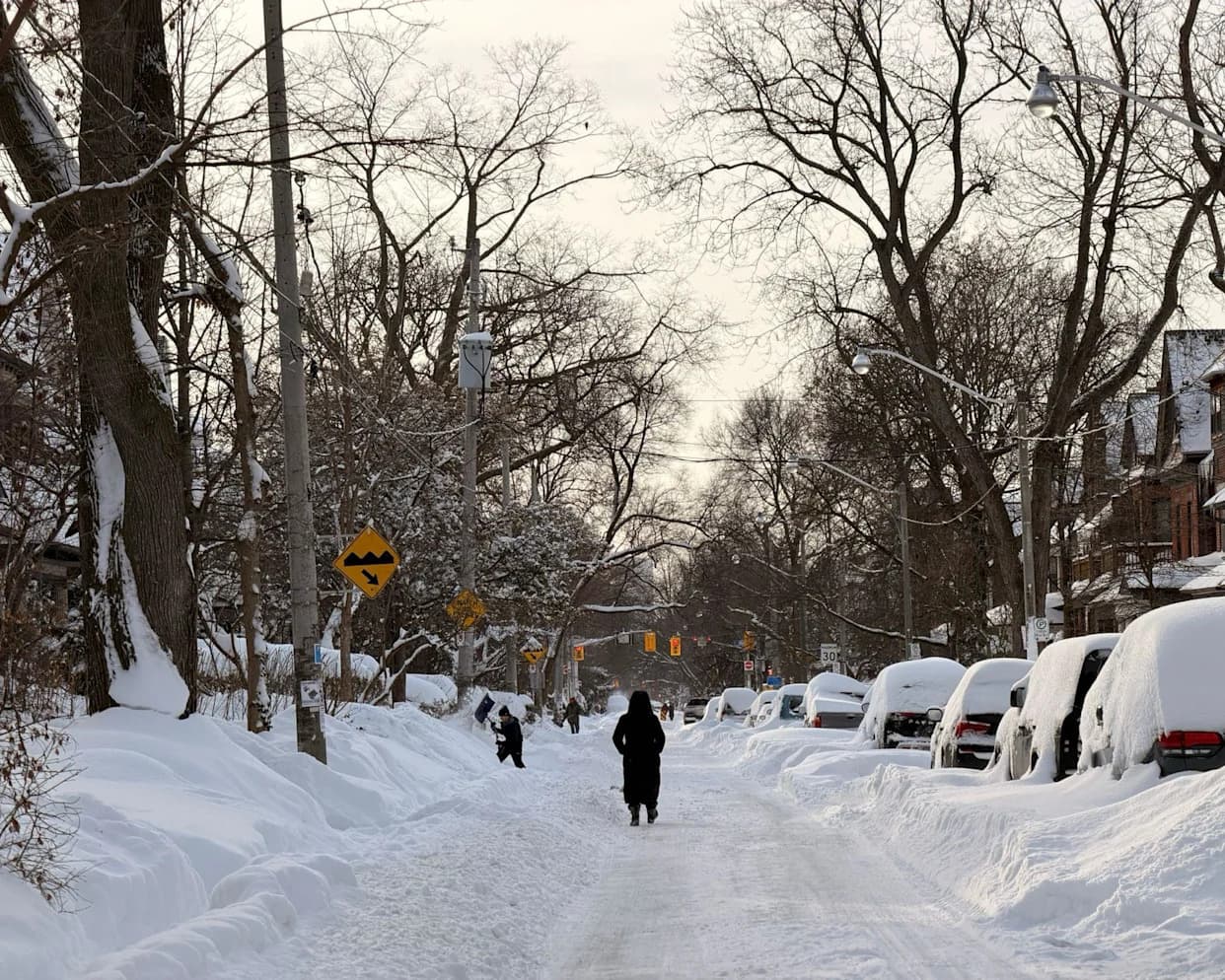
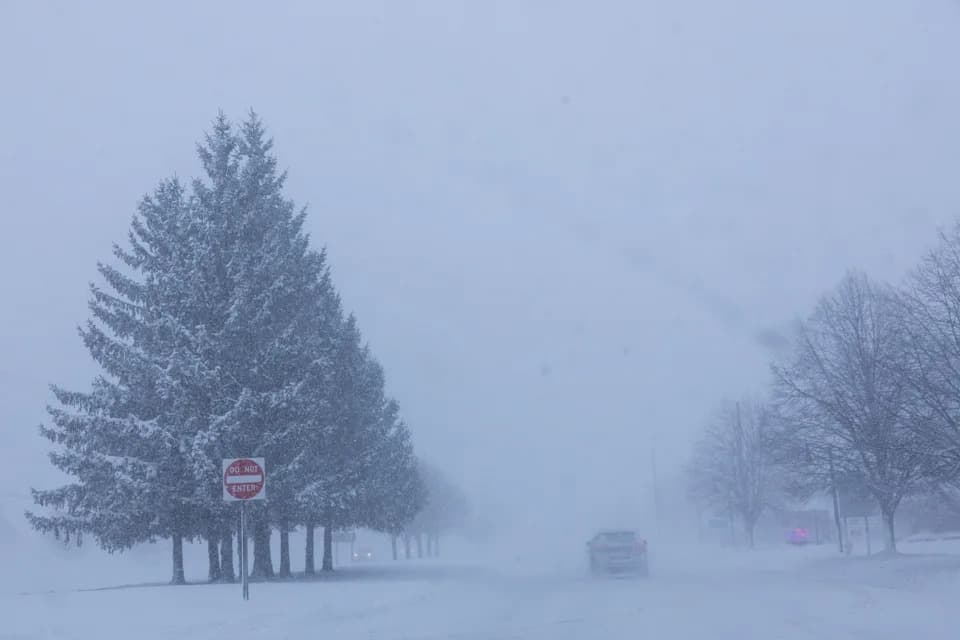
Snow in Toronto.Photograph: Leyland Cecco/The Guardian(Photograph: Leyland Cecco/The Guardian)
Toronto has begun the slow process of digging out after what city officials describe as the largest snowfall in the city's recorded history, an effort they warn could take several days.
Widespread Disruption
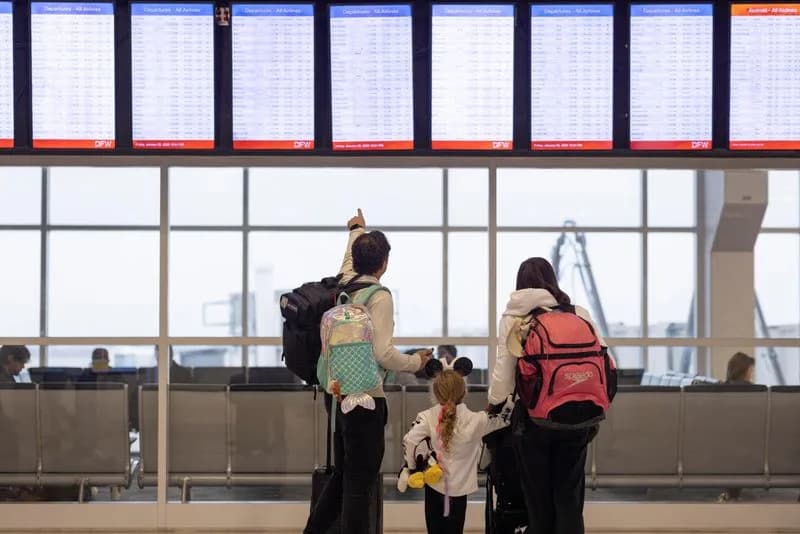
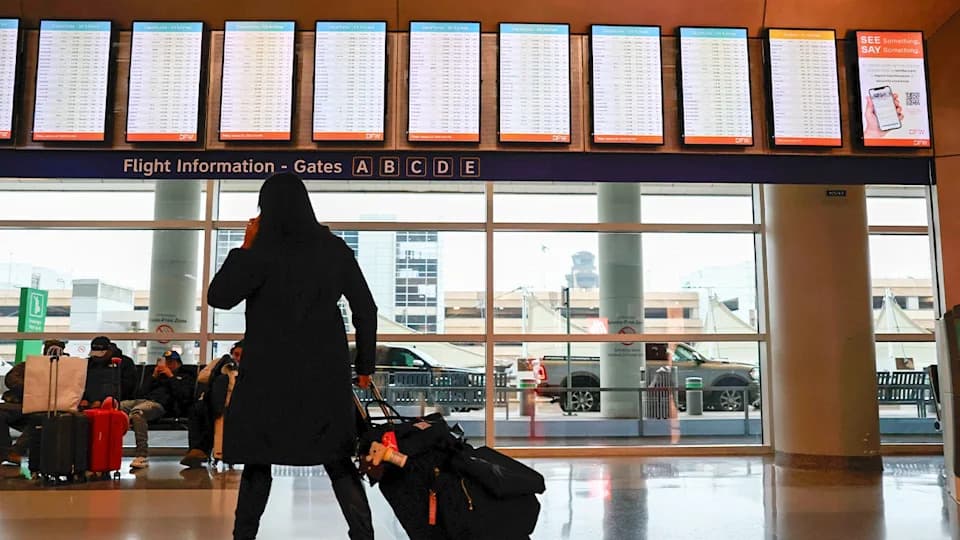
Some neighbourhoods were buried under nearly 60 cm of snow, and Pearson International Airport has recorded more than 88.2 cm of snowfall so far this month — the snowiest January and the snowiest month on record since measurements began in 1937. More than 500 flights were canceled on Sunday after the airport was effectively snowed in.
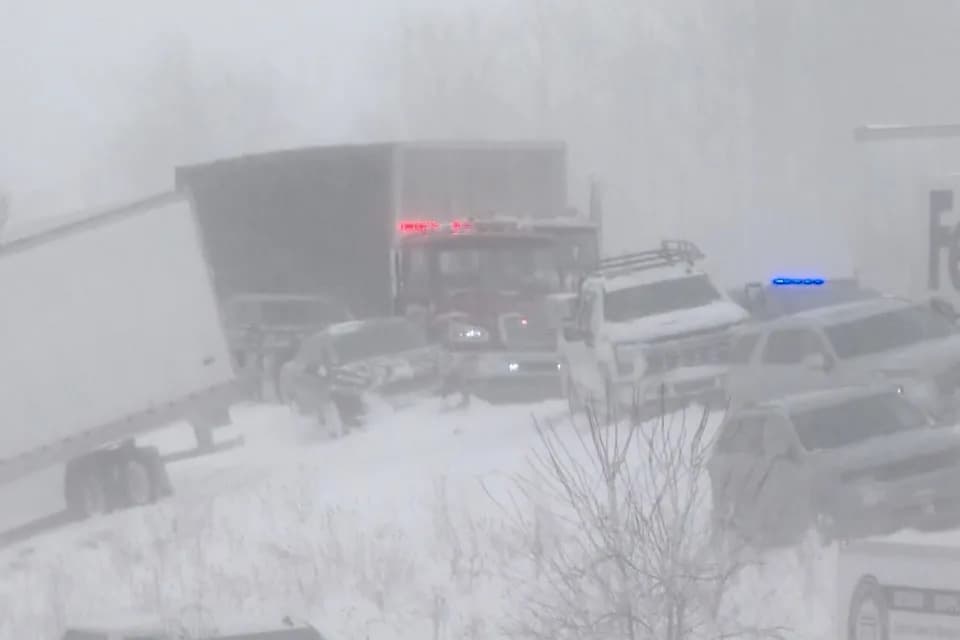
City officials reported over 430 collisions within Toronto and roughly 200 more in surrounding areas, for a total of more than 630 crashes across the region, including one fatality. Police warned that high roadside snowbanks created by plows can produce a "launch-type angle," risking vehicles being launched off highways. Downtown residential streets also remained hazardous for drivers.
Transit and Services
Toronto’s transit network, which serves more than 1 million riders daily, experienced multiple delays and route suspensions. A streetcar derailed on a major surface route, and some above-ground subway sections were impassable due to heavy accumulation. Officials said service disruptions could persist while crews focus on clearing key routes.
City Response
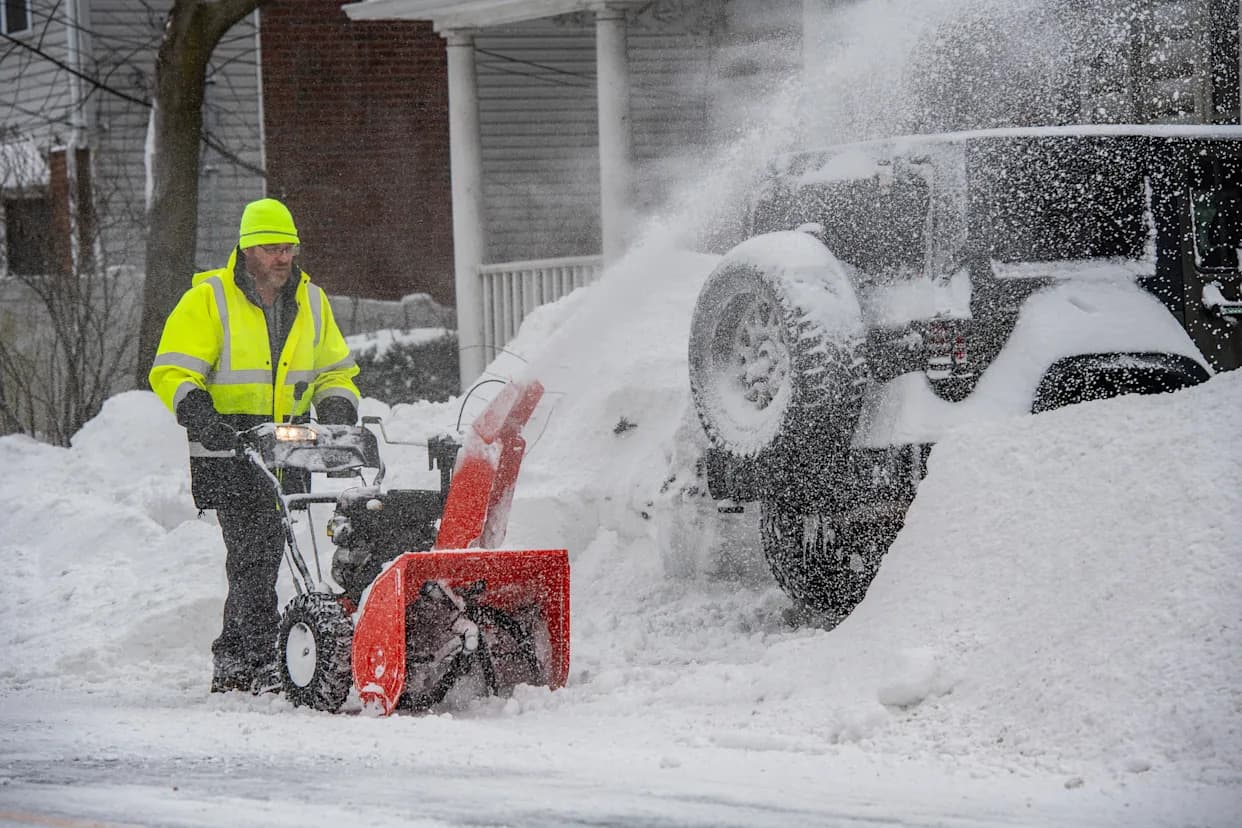
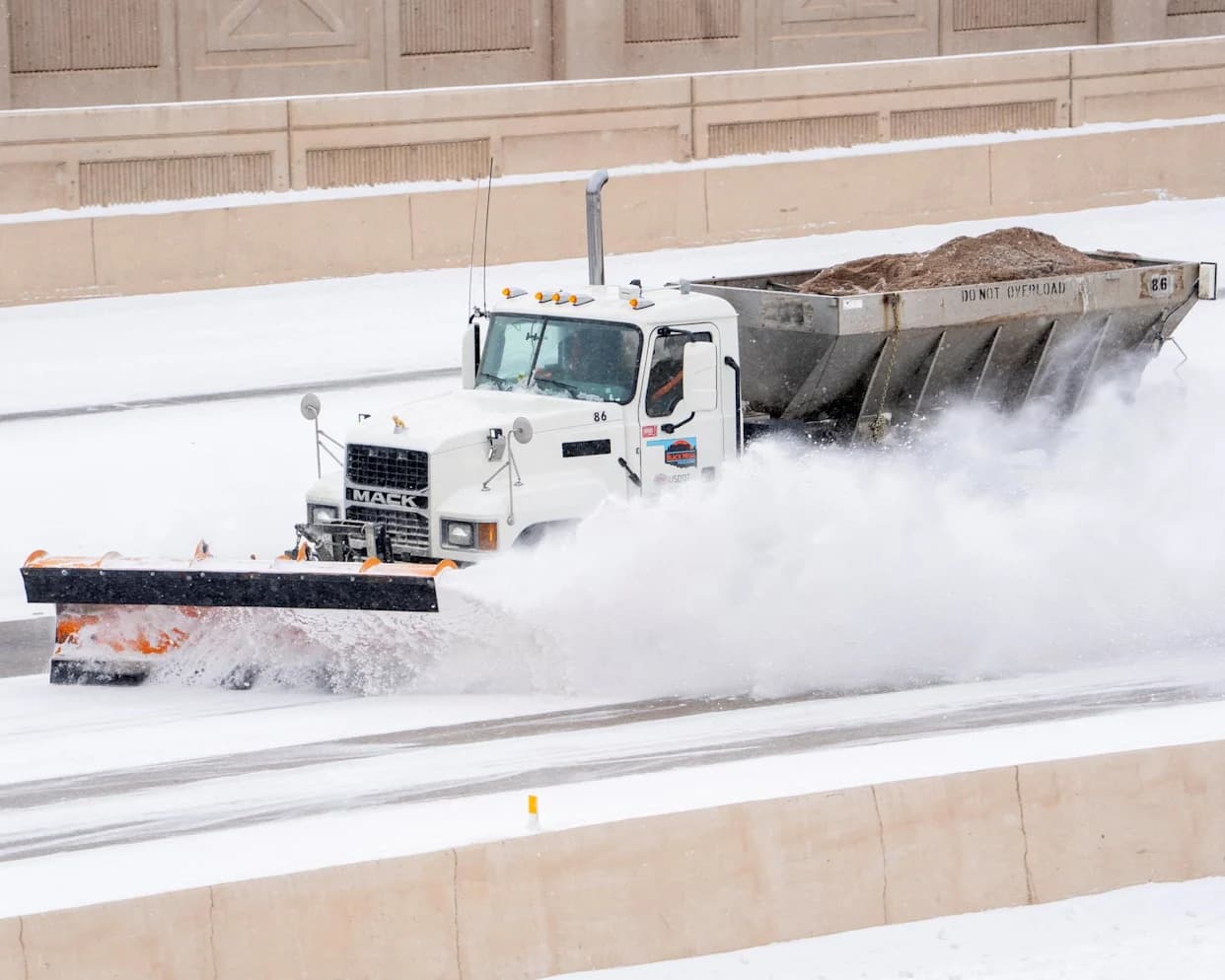
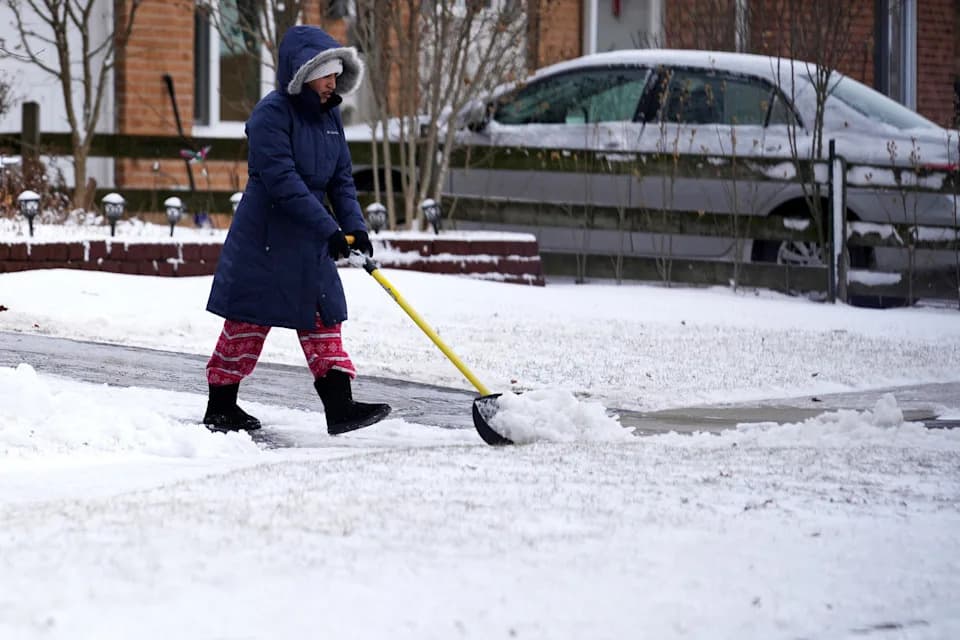
Toronto’s city manager said crews would prioritize main thoroughfares and that residential streets and sidewalks would likely take days to clear. In addition to fleets of snowplows, municipal workers were clearing snow by hand with shovels and preparing to transition from plowing to snow removal once roads were passable.
"This is going to be a plowing day, and then we're going to have to shift into removal time once we get through today and into tomorrow," said Paul Johnson. Residents were advised to track clearing efforts with the city’s GPS tool, PlowTO, to see which streets have been serviced.
Regional Impacts and Community Response
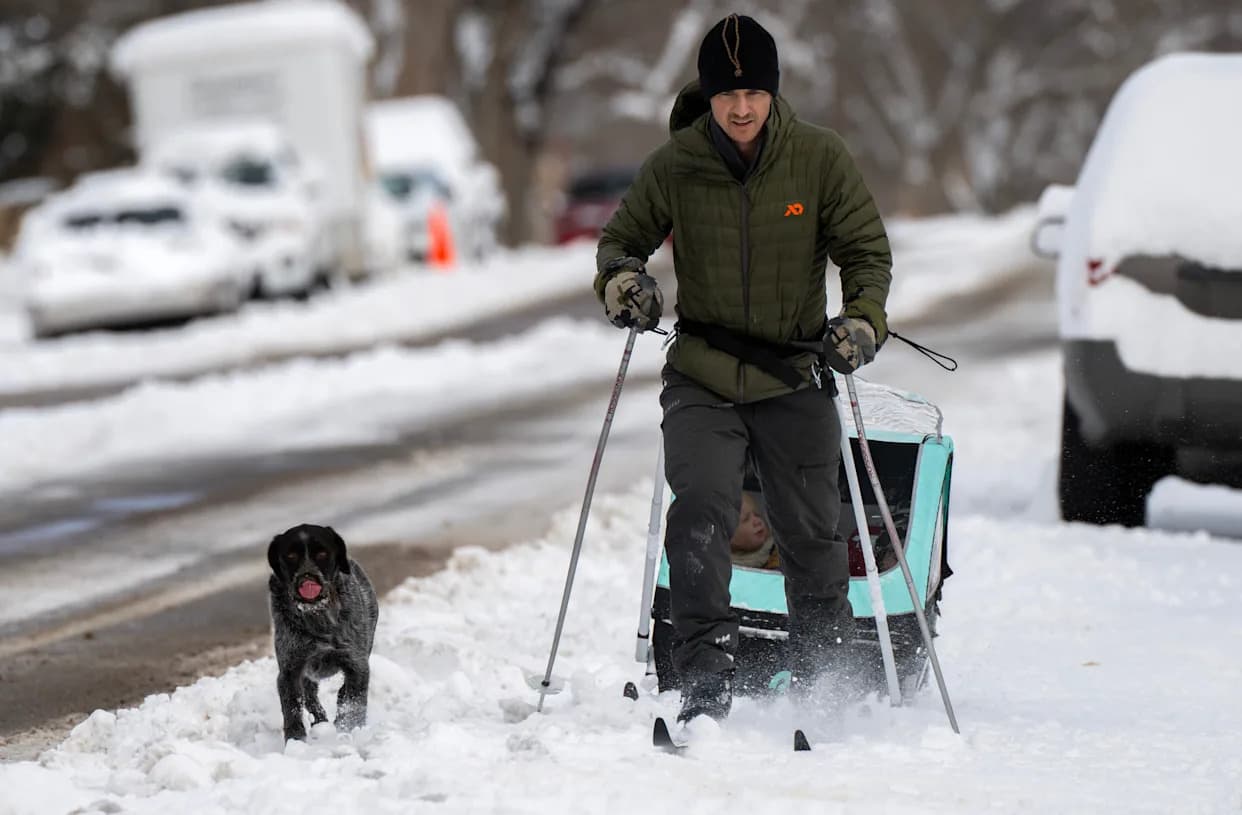
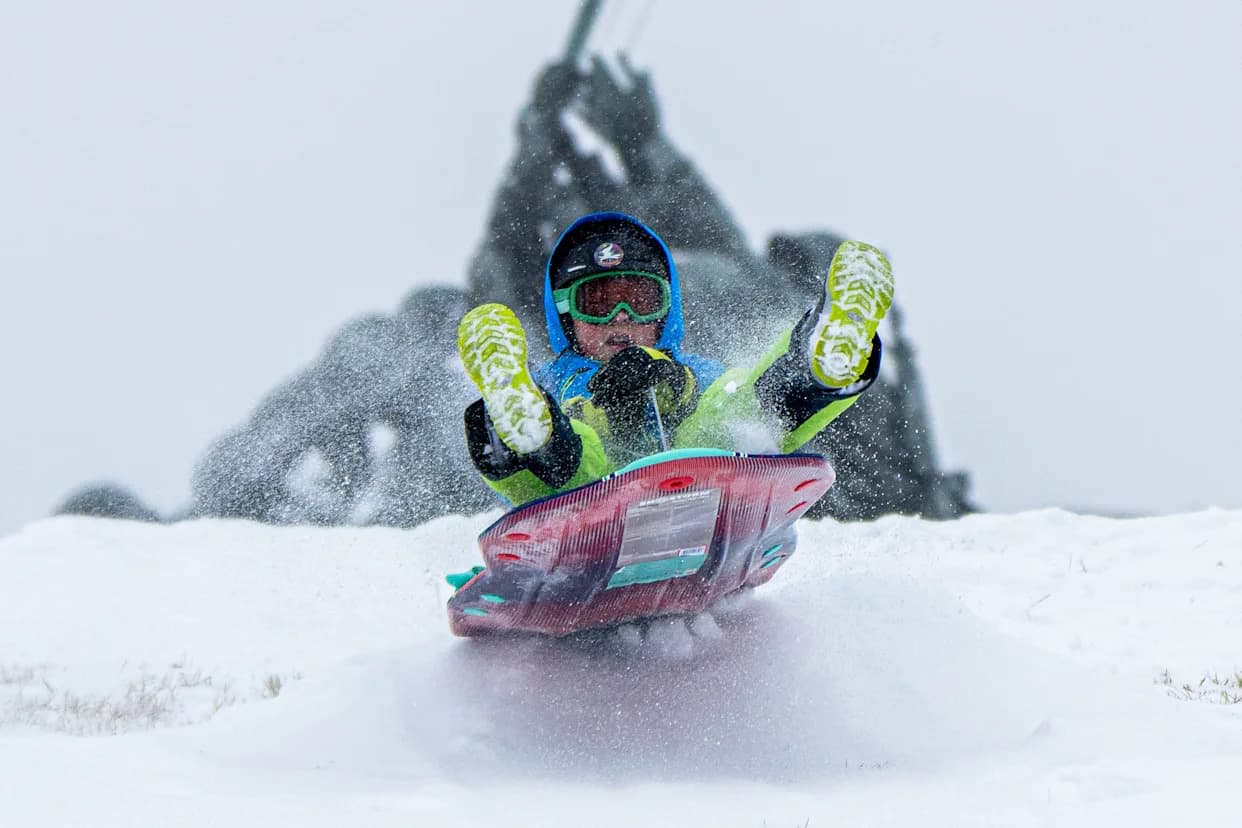
Across the border in the United States, the storm system led to flight cancellations and ice storms that caused power outages and hazardous driving conditions; at least 13 weather-related deaths were reported in the broader region. Despite widespread disruption, many Torontonians embraced the snow — skiing along quiet streets, and children taking advantage of a rare snow day with sleds and shovels.
What Caused It?
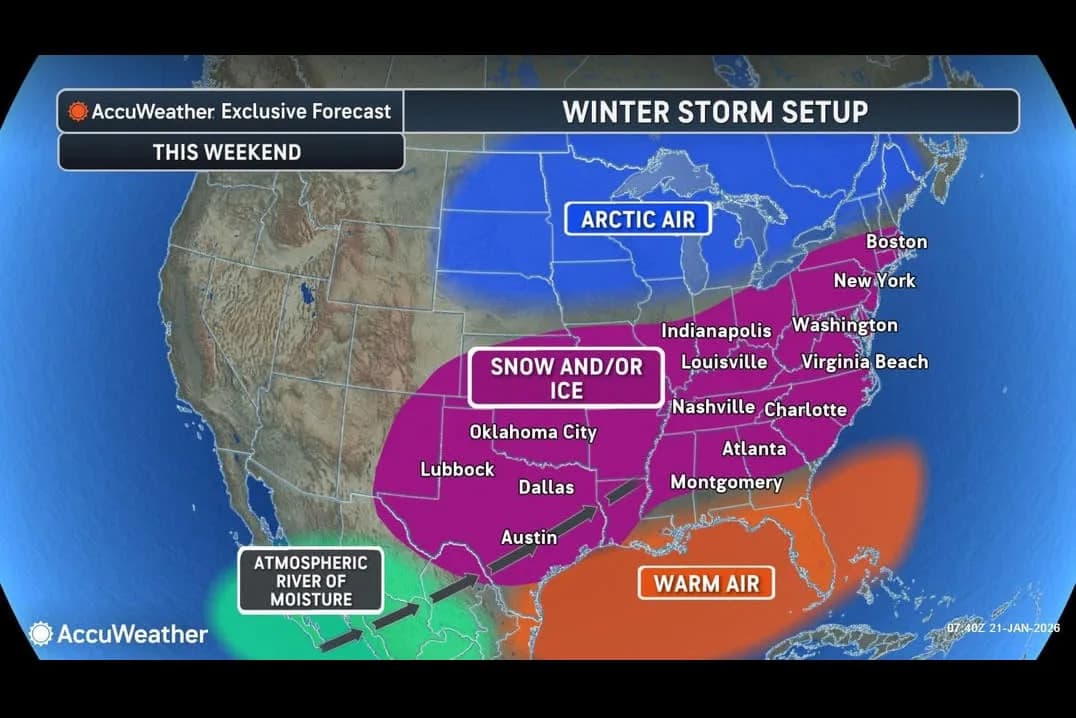
CP24 meteorologist Bill Coulter said Toronto’s location along the shore of Lake Ontario helped intensify the snowfall. He described the system as a "monster" formed when Arctic air collided with moist tropical air, with the heaviest totals on the northern fringes. "What a winter wallop for Toronto," he said.
Help us improve.