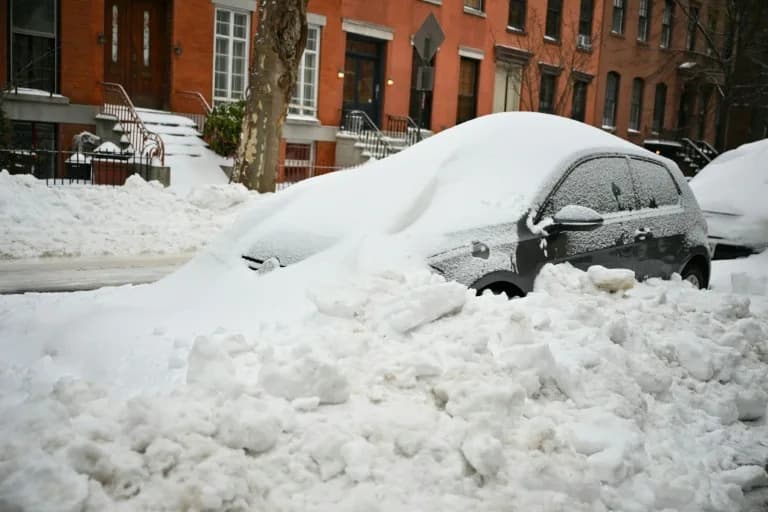
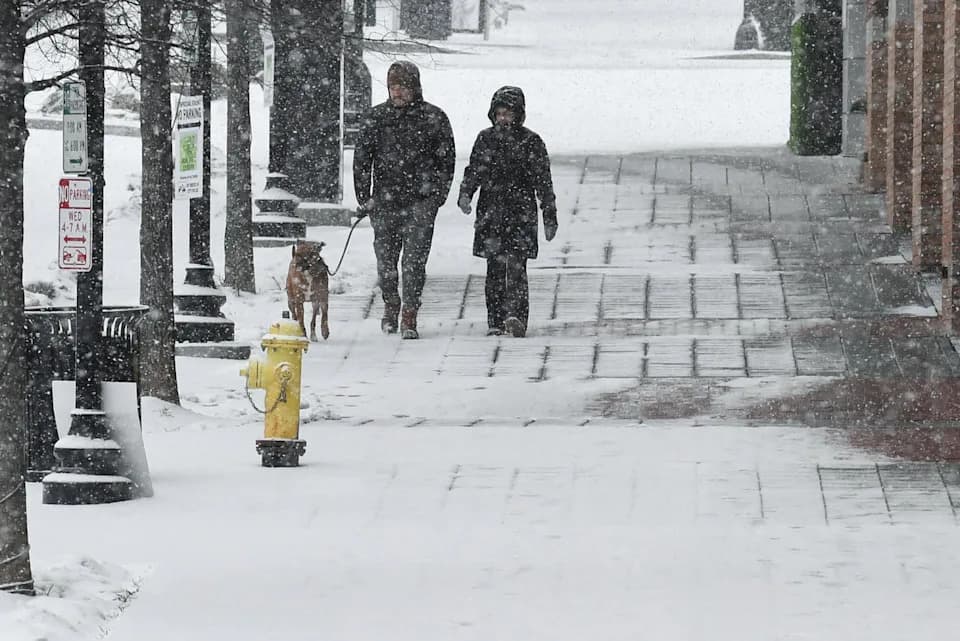
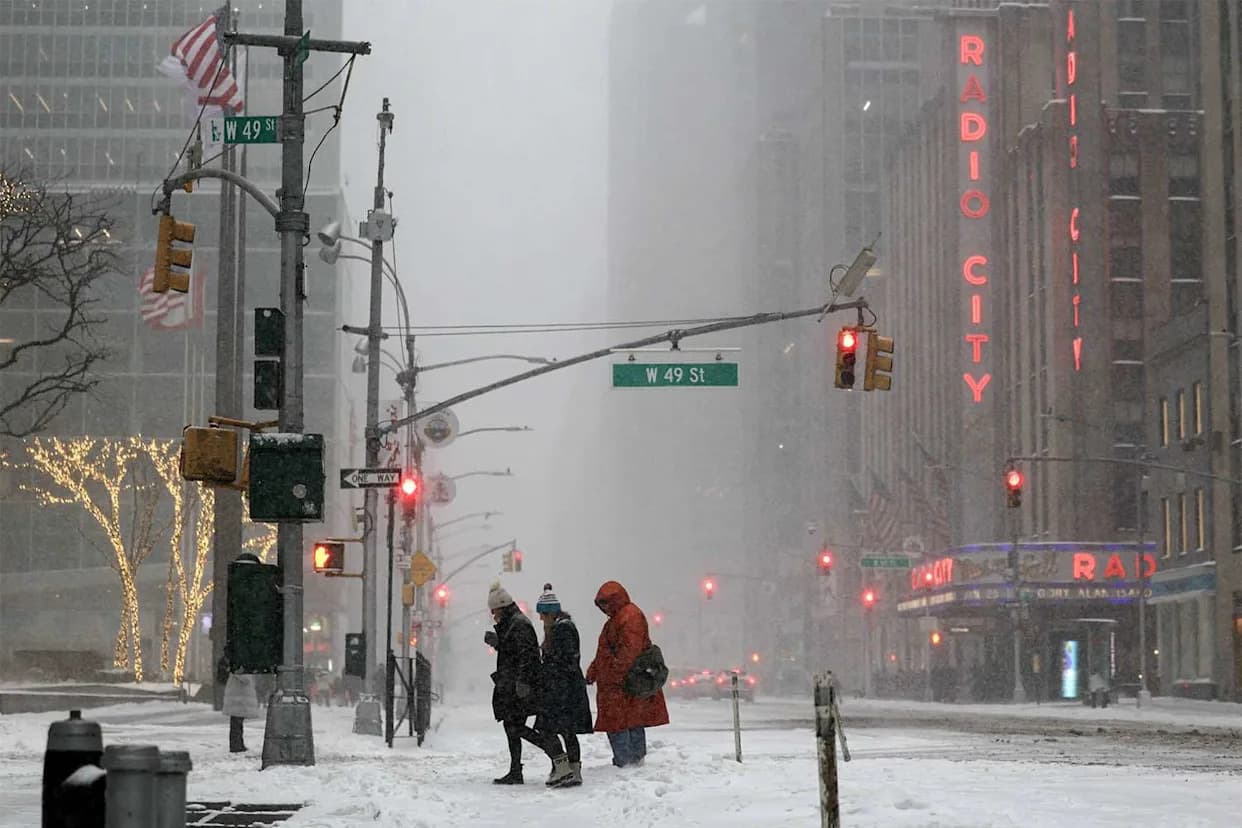
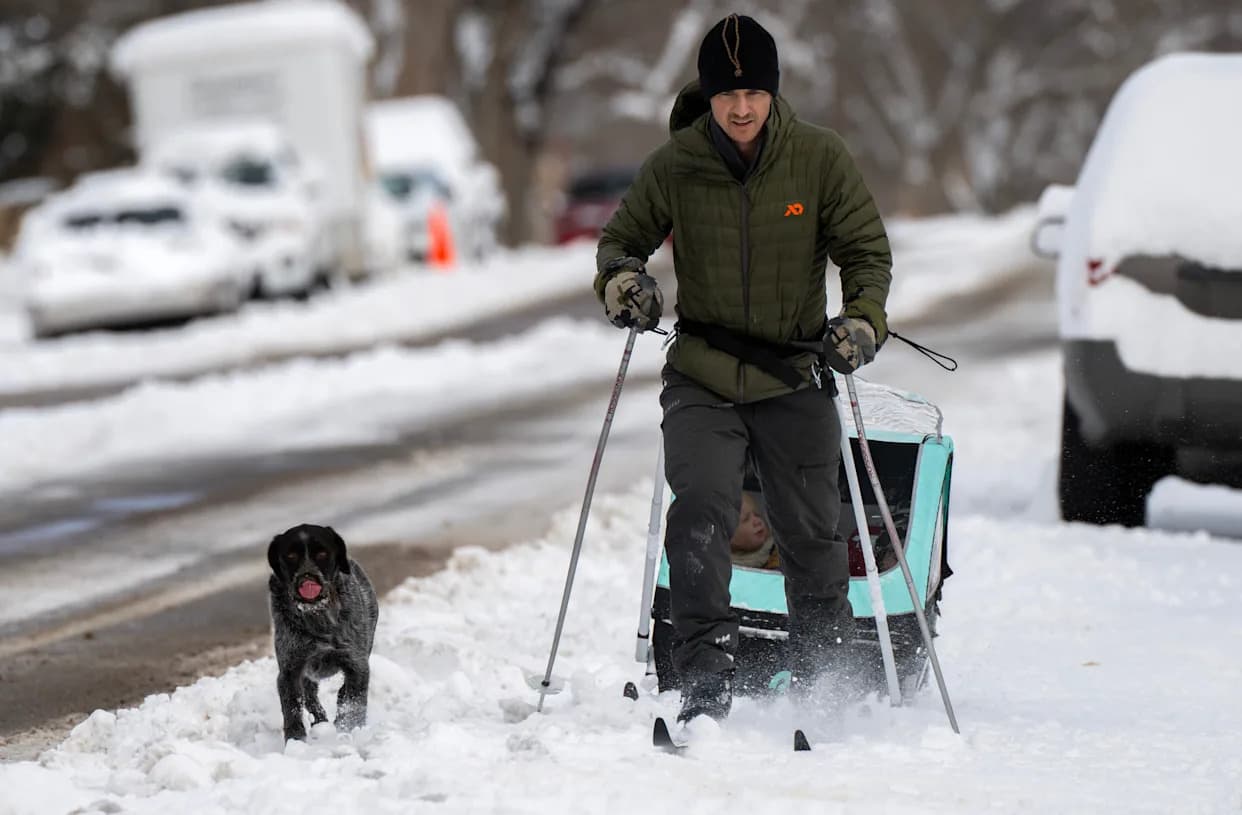
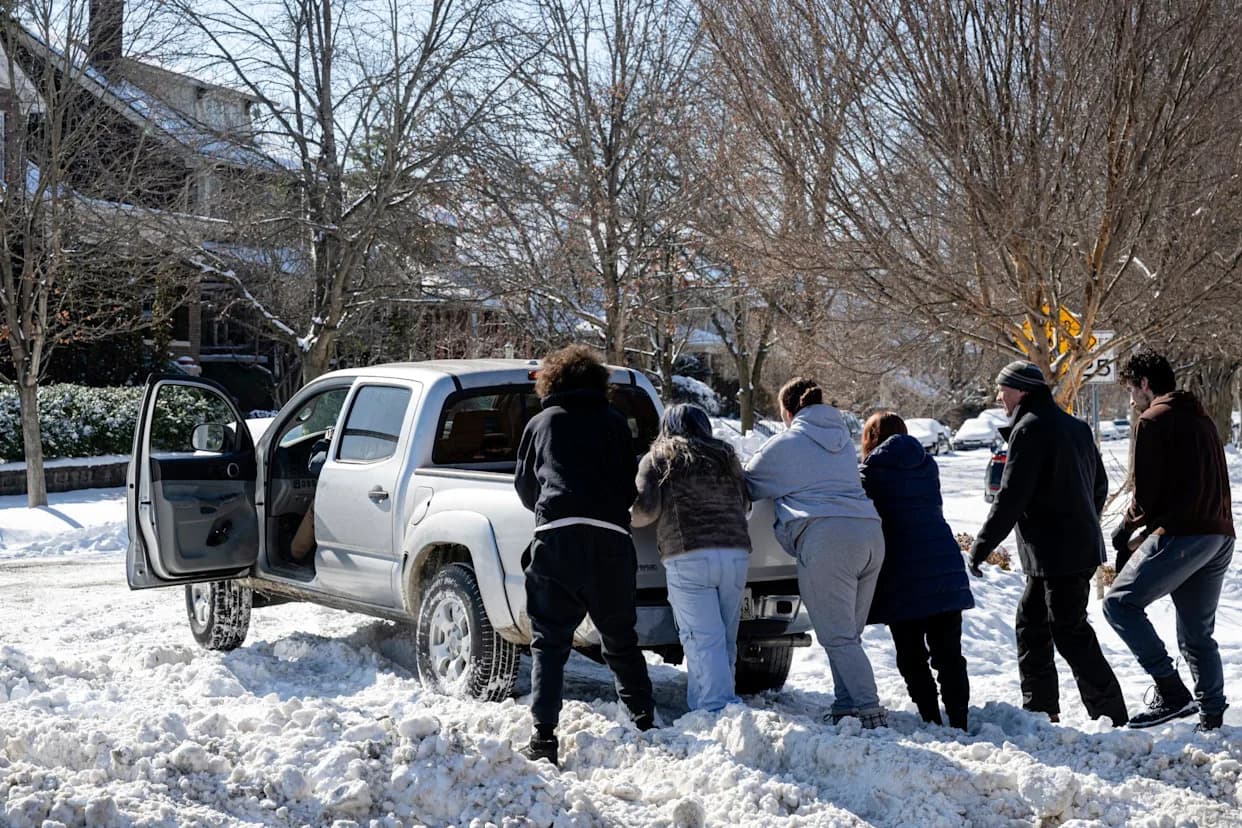
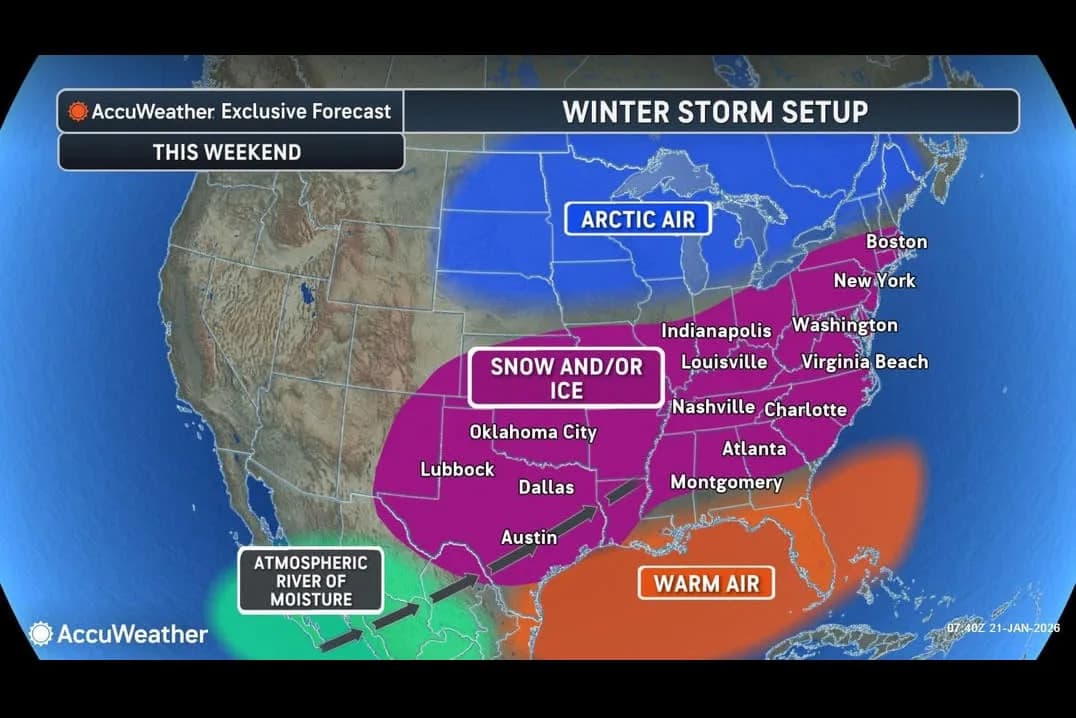
The US South has been hit by a severe winter storm that has left at least 85 people dead and triggered widespread power outages. Subfreezing temperatures, heavy snow and possible blizzard conditions are expected to move into the East Coast, with up to a foot (30 cm) forecast in parts of North Carolina. Authorities warned of hypothermia and carbon monoxide risks as officials deploy warming centers, National Guard troops and emergency crews.
85 Dead as Arctic Blast Sends Snow and Blizzards Toward US East Coast
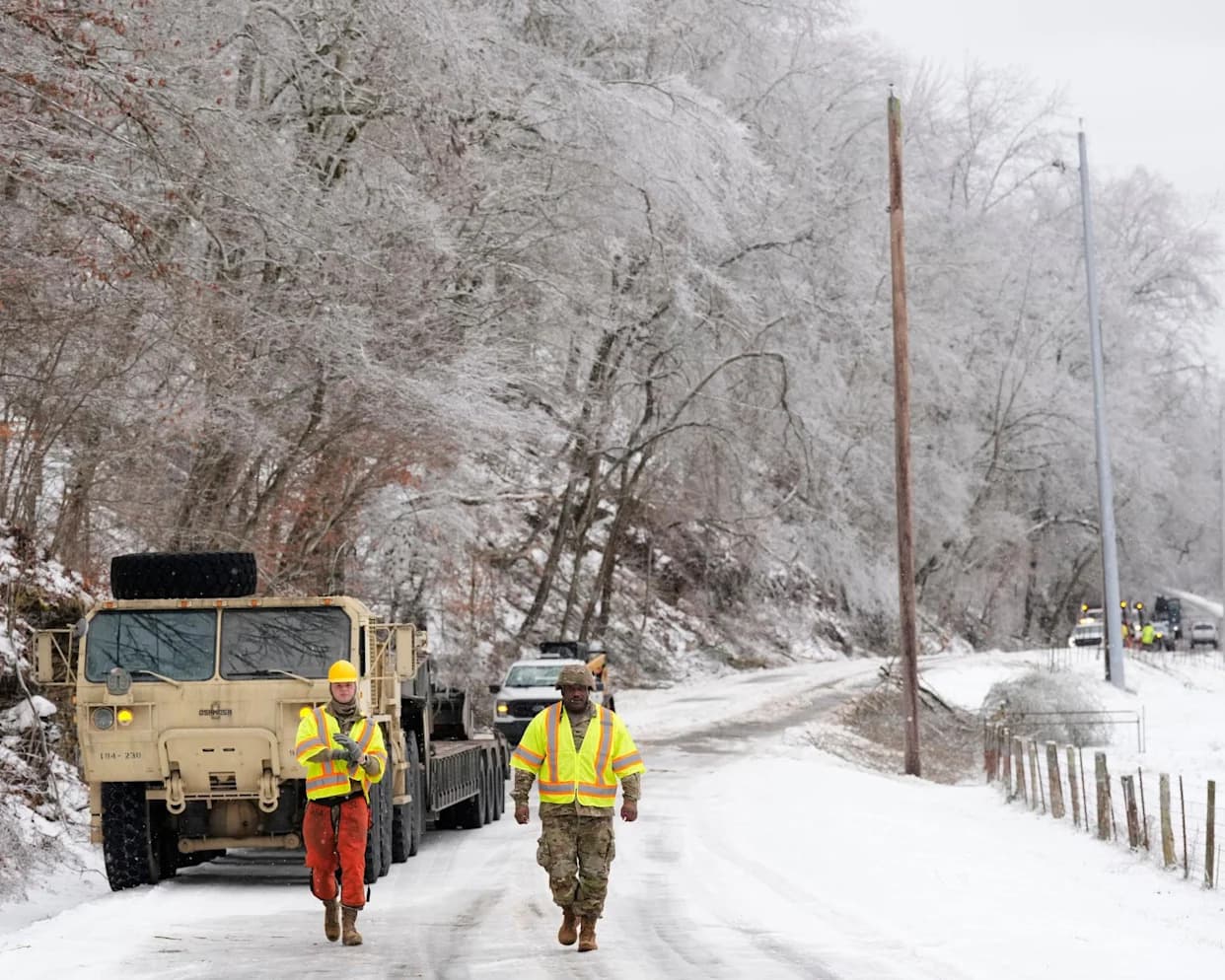
National guard members work to remove trees felled by winter weather, on 30 January 2026 in Nashville, Tennessee.Photograph: George Walker IV/AP(Photograph: George Walker IV/AP)
Dozens have died amid a fierce winter storm that swept the US South, and forecasters warned that freezing temperatures, heavy snow and blizzard conditions would move into the East Coast on Saturday.
Impact And Death Toll
At least 85 people have died across multiple states, according to an Associated Press tally. Authorities say icy roads, crashes, hypothermia and suspected carbon monoxide exposure have contributed to the fatalities. Reported deaths span from Texas to New Jersey, with roughly half occurring in Tennessee, Mississippi and Louisiana. In New York City, authorities found at least 10 people dead outdoors; Tennessee reported 13 confirmed deaths and Louisiana 9.
What Officials Say
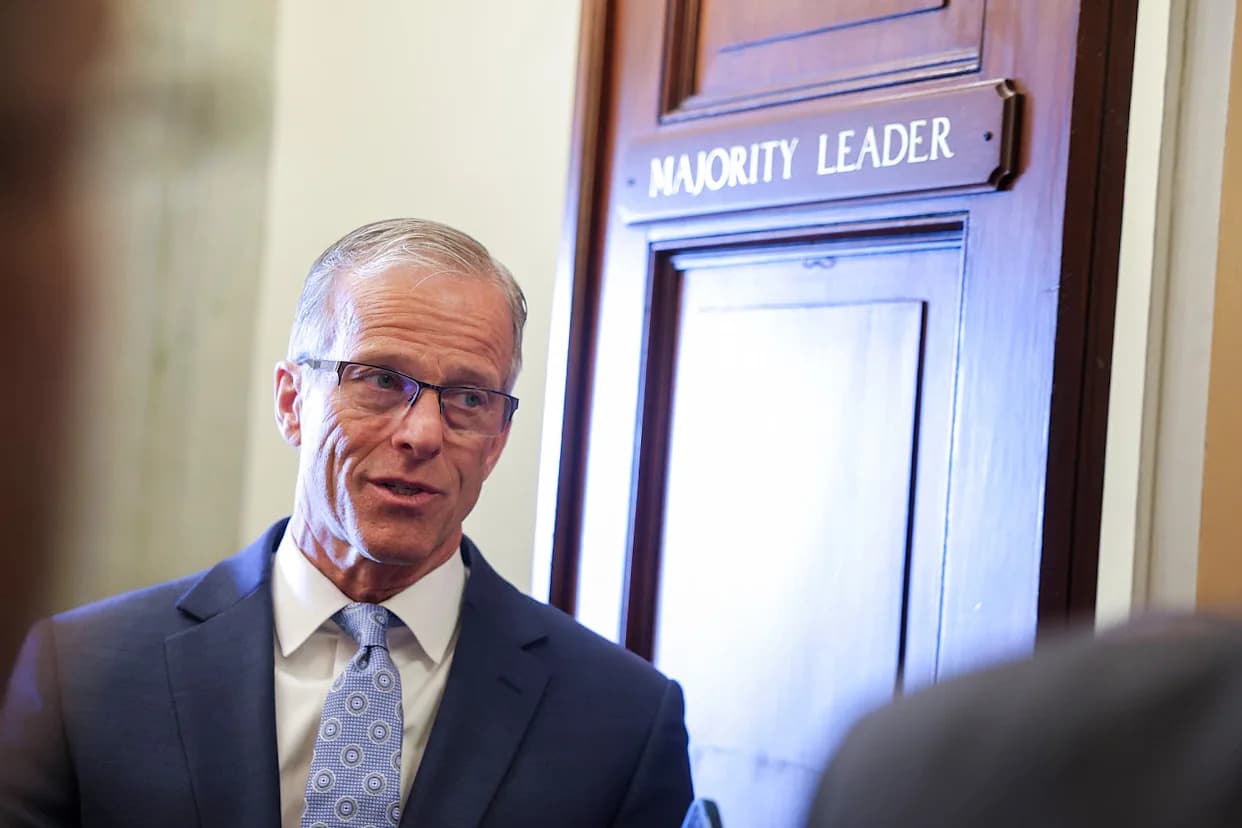
"As another round of winter weather moves into North Carolina, this time possibly bringing snow, I urge everyone to stay alert and take precautions," said North Carolina Governor Josh Stein.
Scientists say a surge of Arctic air pushed south. Some researchers suggest that a weakening polar vortex — possibly linked to long-term climate changes — can allow frigid air to spill farther from the Arctic than usual.
Power Outages And Local Response
More than 190,000 homes and businesses were without power as of Saturday morning, mostly in Mississippi and Tennessee, according to outage-tracking site poweroutage.us. That total included more than 54,000 outages in and around Nashville. Tennessee Governor Bill Lee said he had "strong concerns" and asked the utility for clearer timelines, transparency on lineman deployment and better information for residents. The utility defended its response, saying the storm was unprecedented.
Mississippi officials called the storm the worst since 1994. The state opened about 80 warming centers, and National Guard troops delivered supplies by truck and helicopter. In North Carolina, hundreds of National Guard soldiers readied to help and state workers worked to prepare roads.
Local Stories And Disruptions
In Myrtle Beach, South Carolina — whose city seal features the sun, palm trees and a seagull — authorities warned of about 6 inches (15 cm) of snow and said the city lacks snow‑removal equipment. "We will use what we can find," Mayor Mark Kruea said. The extreme weather forced cancellation of the Myrtle Beach Polar Plunge, an annual charity swim.
In Nashville, temperatures dipped toward the teens (around -10°C). Terry Miles, a 59-year-old construction worker whose home lost electricity after an earlier storm, said he had been using a fish fryer for heat and feared carbon monoxide poisoning. "I’m taking a chance of killing myself and killing my wife, because — why?" he said.
At a fueling station in Wake Forest, customers lined up to refill propane tanks; José Rosa waited after visiting three other locations. In Dare County on North Carolina’s Outer Banks, residents worried that unoccupied houses in communities such as Rodanthe and Buxton could collapse into the Atlantic as conditions worsen.
Forecast And Hazards
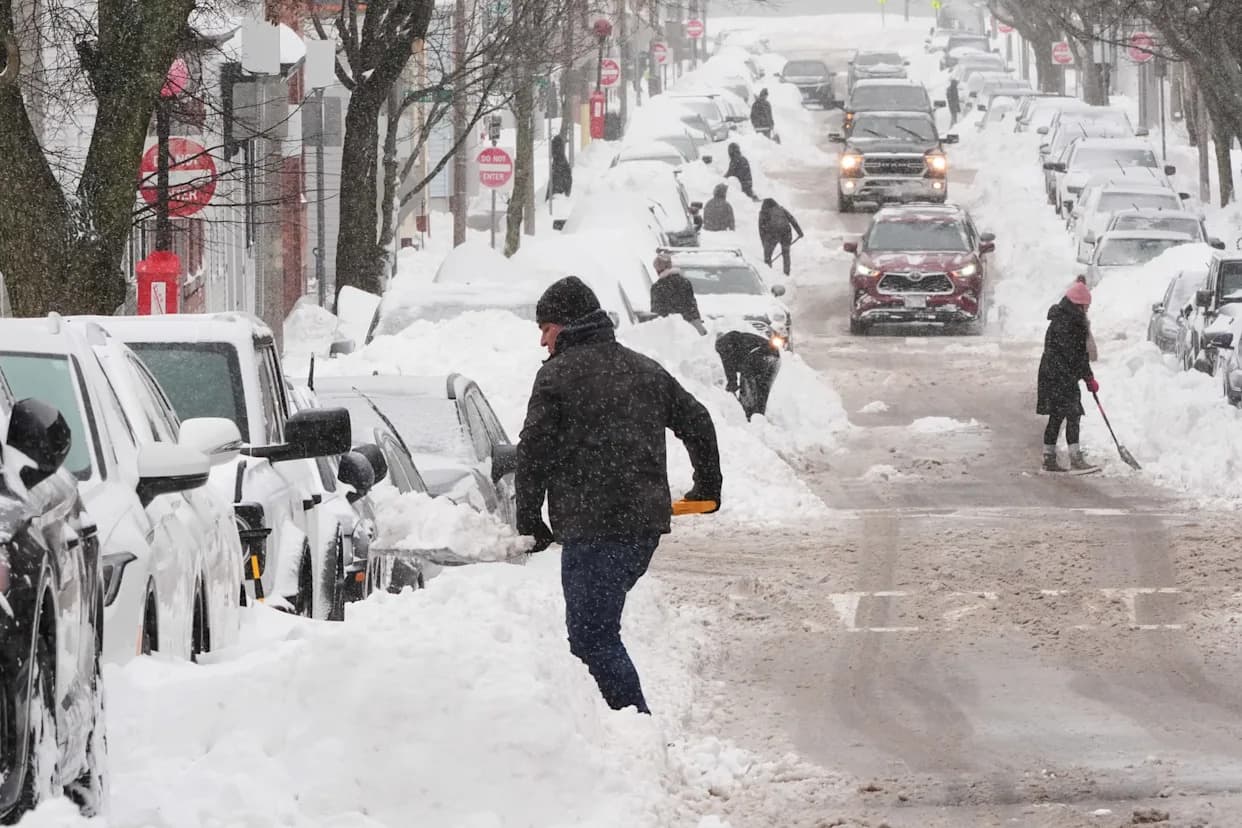
Forecasters warned subfreezing temperatures could persist into February, with heavy snow expected over the weekend from the Carolinas through parts of the mid-Atlantic and New England. Parts of North Carolina could see up to 1 foot (30 cm), and snow was possible from Maryland to Maine. Wind and heavy snowfall late Saturday into early Sunday could produce blizzard conditions before the system moves out to sea; forecasters said the cold could reach as far south as Florida.
Health Risks
Medical experts warned of increased risks of hypothermia and frostbite, especially in the South where some residents may lack adequate winter clothing. Officials also warned about carbon monoxide poisoning from using generators, grills or car heaters indoors.
The Associated Press contributed reporting.
Help us improve.