The Trump administration’s 2026 guidance asks USCIS field offices to identify 100–200 denaturalization cases per month, a scale-up that could affect about 26 million naturalized Americans. Denaturalization is legally narrow and historically rare — the Justice Department filed just over 120 cases from 2017–2025 — and Supreme Court precedent raises high proof standards. Critics warn the push would divert resources from an 11.3 million-case USCIS backlog, risk quota-driven prosecutions, and undermine confidence in citizenship.
Denaturalization Nation: Why the New USCIS Targets Threaten Naturalized Americans
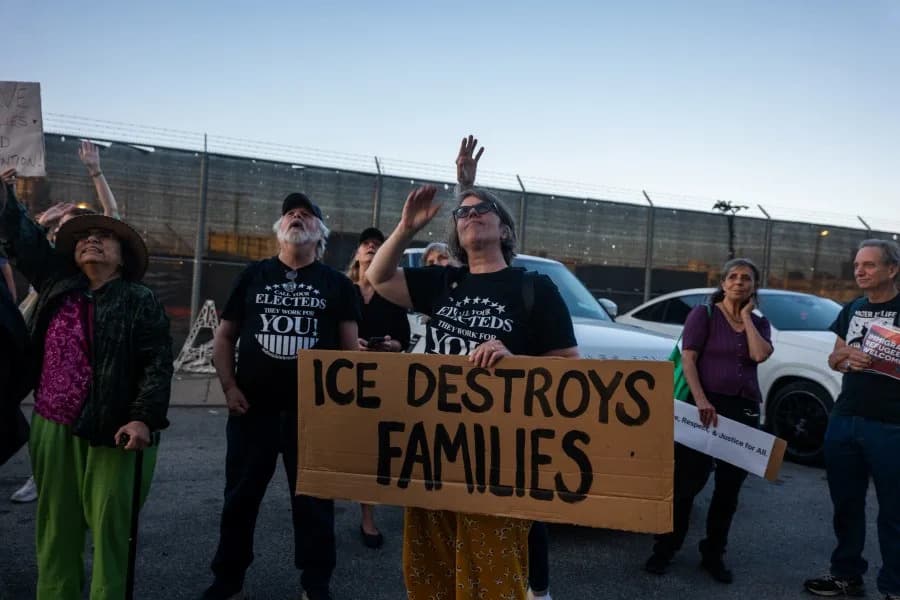
This year the Trump administration moved to dramatically expand denaturalization efforts, asking U.S. Citizenship and Immigration Services (USCIS) field offices to identify 100–200 denaturalization cases per month under new 2026 guidance. A USCIS spokesperson said the agency looks forward to working with the Department of Justice “to restore integrity to America’s immigration system.”
What the Guidance Would Do
Denaturalization is the government’s revocation of citizenship granted to a naturalized immigrant. The proposed guidance could potentially affect roughly 26 million people in the U.S. who were born abroad and later naturalized. Historically, denaturalization has been rare: the Justice Department filed just over 120 such cases from 2017 to 2025.
Legal Limits And Hurdles
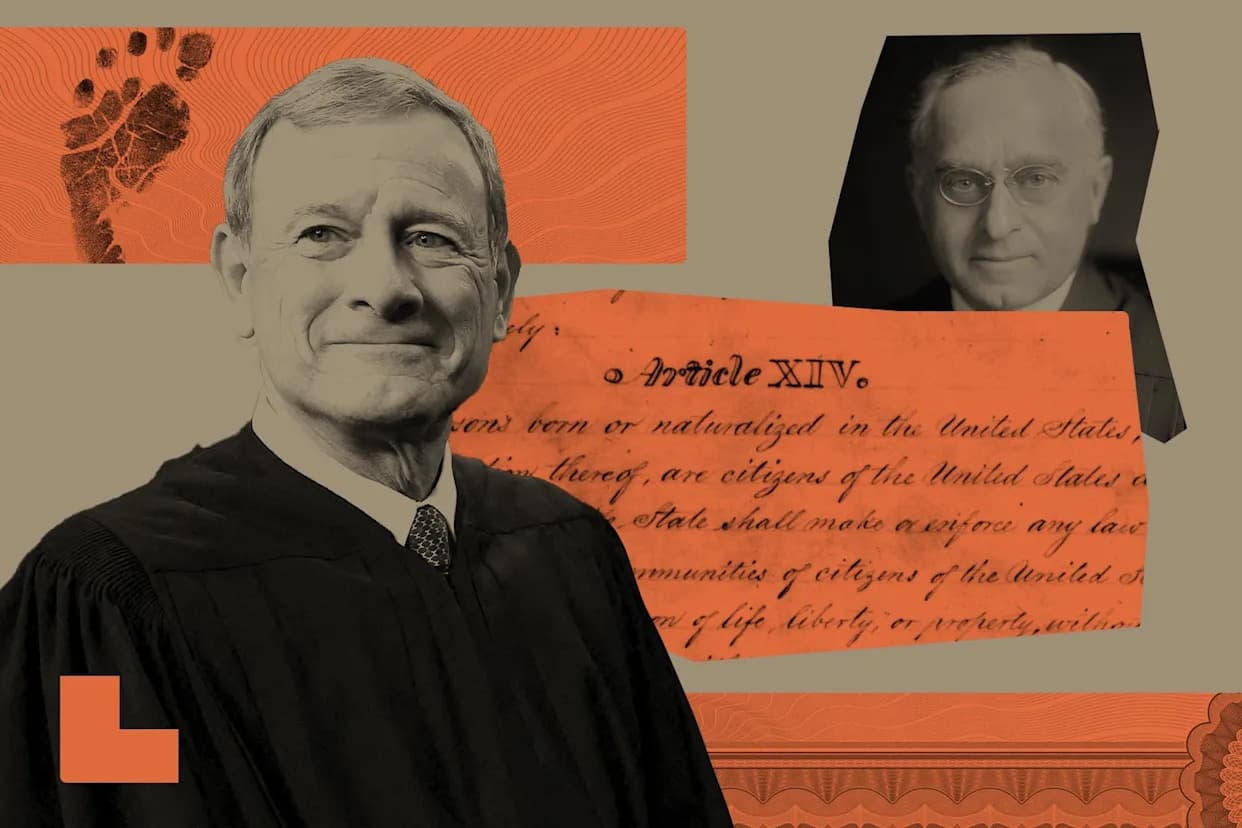
Federal law narrowly limits when citizenship can be revoked. Typical grounds include material concealment of disqualifying facts or illegal procurement of citizenship. The Supreme Court has long emphasized that citizenship should not be taken away lightly; a 1943 ruling instructed that courts should construe facts and law in favor of the citizen. And in 2017 the Court clarified that, in fraud-based denaturalization cases, the government must prove that any alleged misrepresentation actually affected the naturalization decision. Those precedents make broad, quota-driven denaturalization efforts legally challenging.
Practical Costs And Administrative Strain
Each denaturalization case requires investigative work, civil or criminal litigation, and a judicial order. Multiplying these proceedings would consume substantial time, money, and personnel. USCIS already faces a record backlog of 11.3 million pending immigration cases; critics argue resources would be better spent addressing that backlog rather than reopening long-closed naturalization decisions.
Social And Ethical Consequences
Targeting people who lawfully completed the naturalization process risks sending a chilling message: that naturalized citizens are second-class and subject to government scrutiny at any time. That perception can increase fear and confusion within immigrant communities and weaken public confidence in the permanence and value of U.S. citizenship.
“Under U.S. law, if an individual procures citizenship on a fraudulent basis, that is grounds for denaturalization,” said Tricia McLaughlin, Assistant Secretary for Homeland Security. While true in principle, critics warn that setting numerical targets risks turning an extraordinary remedy into a routine enforcement tool.
Risks Of Quotas And Politicization
Setting explicit targets—rather than prioritizing cases based on clear legal merit—creates a risk that denaturalization will be used to meet quotas or as a political weapon. Even initiating a denaturalization proceeding can inflict severe reputational, financial, and psychological harm on individuals who may ultimately be found innocent. That prospect alarms civil libertarians and many conservatives who oppose sweeping government overreach.
What Congress Should Do
Congress should demand transparency, close oversight, and strict adherence to constitutional and statutory standards before agencies pursue large-scale denaturalization drives. Given low public approval for the administration’s handling of immigration—an AP poll in December found only 38% approval—lawmakers should scrutinize whether this approach advances public safety or simply fuels division.
Conclusion
Prioritizing denaturalization on a broad scale is divisive, legally fraught, and likely to waste scarce administrative resources. Revoking citizenship should remain an extraordinary remedy reserved for truly egregious cases—such as proven war criminals or terrorists—not a mass enforcement target that places ordinary naturalized Americans at risk.
Raul A. Reyes is an attorney and television commentator in New York City.
Help us improve.