The Stop Citizenship Abuse and Misrepresentation (SCAM) Act, introduced by Sen. Eric Schmitt, would create a 10‑year post‑naturalization window during which specific conduct could make it easier for the federal government to revoke a naturalized citizen’s status. Triggers include fraud of $10,000 or more, espionage, aggravated felonies, and ties to foreign terrorist organizations. The bill targets the "good moral character" requirement and includes an automatic fallback to a five‑year window if courts reject the 10‑year period. The measure has drawn White House support and emerged amid investigations into a Minnesota fraud scheme estimated at about $9 billion.
White House-Backed 'SCAM Act' Would Expand Power To Revoke Citizenship After Minnesota Fraud Scandal

Sen. Eric Schmitt wants to speed up the denaturalization process for people convicted of fraud with new legislation that has the backing of the White House.(Getty Images)
A Senate Republican has proposed sweeping new authority to strip naturalized citizens of their U.S. citizenship through legislation designed to withstand constitutional challenges.
Sen. Eric Schmitt (R-Mo.) introduced the Stop Citizenship Abuse and Misrepresentation (SCAM) Act, a bill that would create a set of legal triggers allowing the federal government to pursue denaturalization within a limited post‑naturalization window. The measure was reported to have White House backing and drew praise from conservative policy figures.
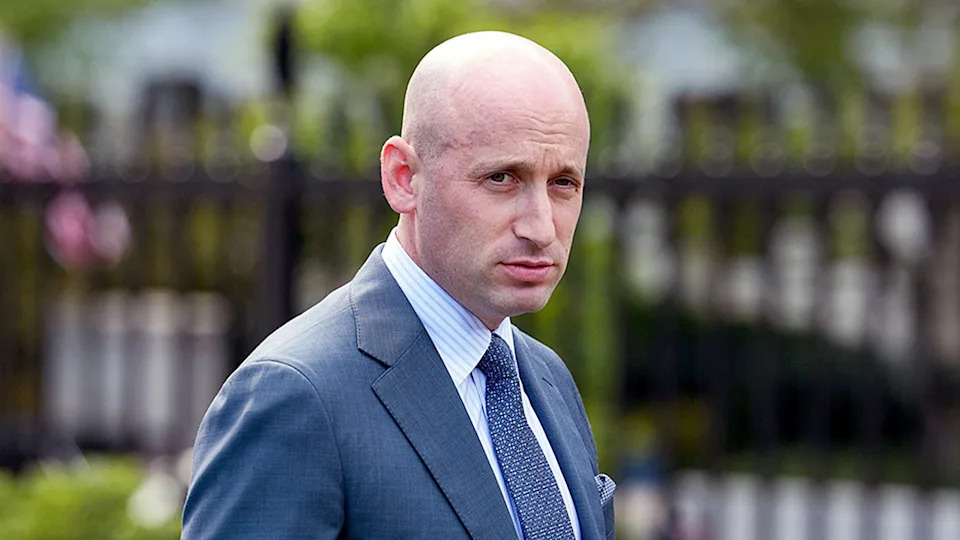
Deputy chief of staff for policy Stephen Miller is seen outside the White House on Oct. 6, 2025.
What the SCAM Act Would Do
The bill establishes a 10‑year period after naturalization during which certain types of misconduct would lower the evidentiary threshold for the government to rescind citizenship and initiate deportation proceedings. If a court were to rule the 10‑year window unconstitutional, the bill contains a built‑in fallback that would reduce the window to five years.
Triggers That Could Lead To Denaturalization
Under Schmitt’s proposal, specified post‑naturalization acts that could trigger denaturalization include:

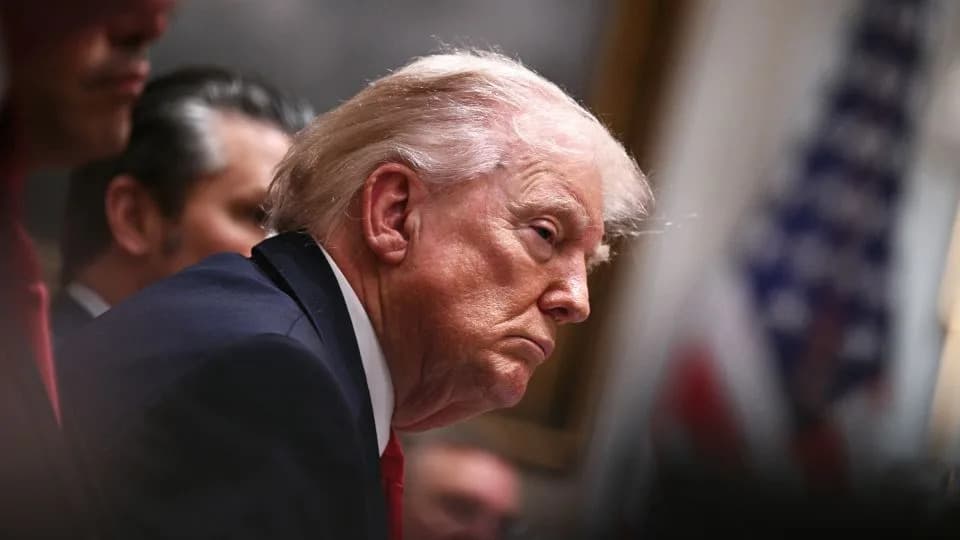
President Donald Trump at his Mar-a-Lago Club in Palm Beach, Florida, on Jan. 16, 2026.
- Defrauding a federal, state, local, or tribal government of $10,000 or more;
- Engaging in espionage;
- Committing an aggravated felony;
- Affiliation with a foreign terrorist organization.
The bill targets the "good moral character" requirement used in naturalization, which typically requires applicants to demonstrate ethical conduct for up to five years before applying. The SCAM Act would allow certain post‑naturalization conduct to be treated as evidence that the applicant never satisfied that requirement.
Context And Reactions
The legislation was advanced in the wake of a large fraud investigation in Minnesota that prosecutors say may have involved roughly $9 billion in improper claims; several native‑Somali residents have been charged in the probe. Schmitt said people who commit serious fraud or join terrorist organizations shortly after naturalization "fail to uphold the basic standards of citizenship" and "must be denaturalized."
The measure has supporters who argue it closes loopholes and protects public funds, while civil rights advocates and some legal experts warn that retroactive challenges to naturalization and a lowered evidentiary standard raise constitutional and due‑process concerns. The bill’s automatic fallback to a five‑year window is intended to shore up its legal defensibility.
As of its introduction, the SCAM Act is a proposal in the Senate; its legislative prospects, potential amendments, and fate in committee or floor votes remain uncertain.
Help us improve.