Lawyers and relatives of suspected cartel leaders say Mexico violated the law by sending nearly 100 Mexican nationals to U.S. custody without formal extradition orders. The transfers—37 sent last week and 92 in three moves since last February—are defended by Mexican officials as national-security measures requested by the U.S. Defense attorneys argue the moves deny detainees due process and leave them without legal remedies in Mexico; some relatives have filed criminal complaints accusing security officials of treason. U.S. and former DEA officials counter that fast transfers can stop cartel bosses from operating from inside Mexican prisons.
Lawyers Say Mexico Illegally Sent Nearly 100 Cartel Suspects To U.S. Without Extradition

Vanesa Guzman Sanchez, the partner of Juan Pedro Saldívar Farías, who was detained and sent by Mexican authorities to the US without formal extradition proceedings, gives a press conference in Mexico City, Monday, Jan. 26, 2026. (AP Photo/Fernando Llano)(ASSOCIATED PRESS)
MEXICO CITY — Lawyers and relatives of high-ranking cartel suspects on Monday accused Mexico's government of flouting Mexican law by transferring nearly 100 Mexican nationals to U.S. custody without formal extradition orders.
What Happened
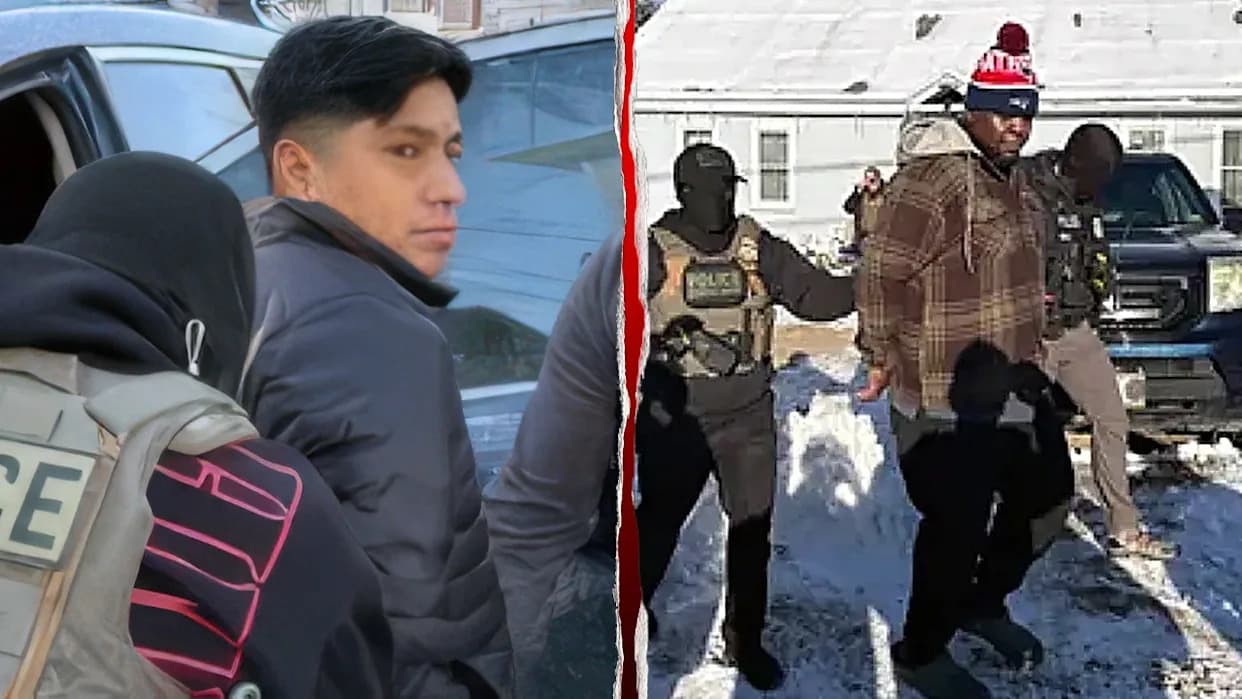
The most recent transfer—37 detainees moved last week—was the third such transfer since last February, bringing the total to 92 alleged cartel figures sent to the United States, officials say. Mexican authorities maintain the moves were carried out on national security grounds and at the request of U.S. authorities.
Legal Challenge
Defense attorneys argued at a news conference that the transfers deprived their clients of due process because they bypassed Mexico’s extradition procedures, which normally include judicial review and can be delayed by injunctions and appeals.
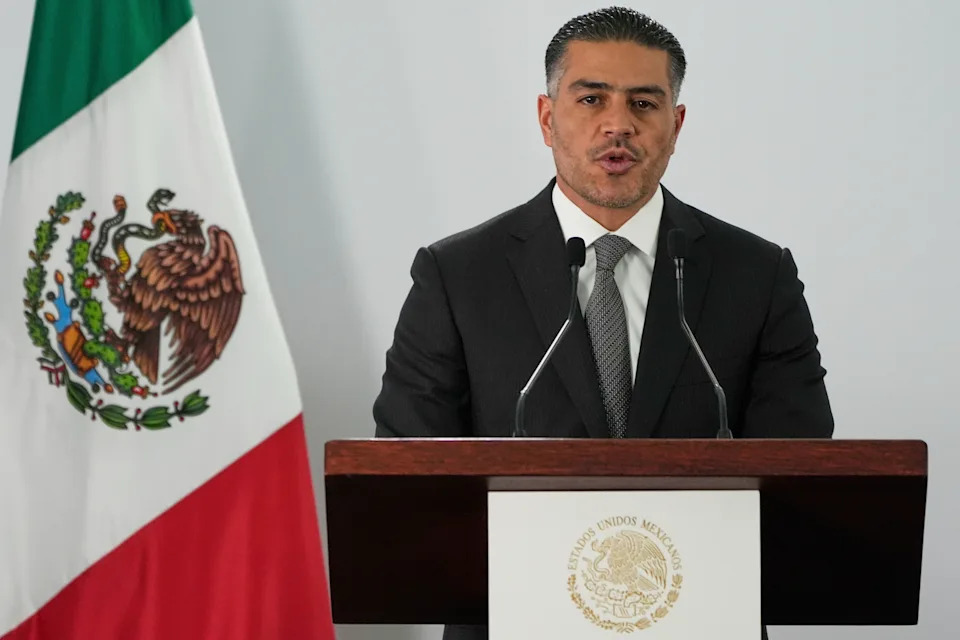
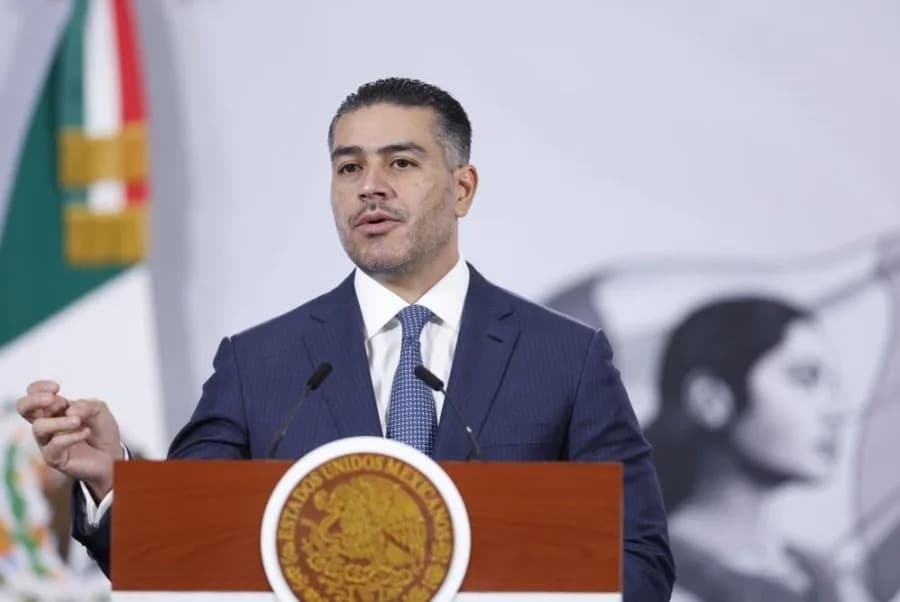
FILE - Mexican Security and Citizen Protection Minister Omar Garcia Harfuch attend a news conference in Mexico City, Aug. 13, 2025. (AP Photo/Fernando Llano, File)(ASSOCIATED PRESS)
"Mexico is currently under intense pressure from the United States. That pressure forces us to ask whether these decisions are being made to produce political results, even at the cost of due process and the rule of law," said Yarey Sánchez Lagunas, who represents two men transferred to the U.S.
The lawyers’ complaints echo prior legal arguments used by the defense team of Joaquín "El Chapo" Guzmán, now serving a life sentence in the United States.
Specific Allegations
One family member, Vanesa Guzmán, filed a criminal complaint on Monday accusing senior security officials, including Security Minister Omar García Harfuch, of treason for the transfers. Her partner, Juan Pedro Saldívar Farías, was among those moved last week and faces arms- and drug-trafficking charges in the U.S.
Defense lawyers say once detainees are outside Mexico they effectively lose practical legal recourse within the Mexican justice system and that some transferred men have not been able to make permitted telephone calls since their transfer.
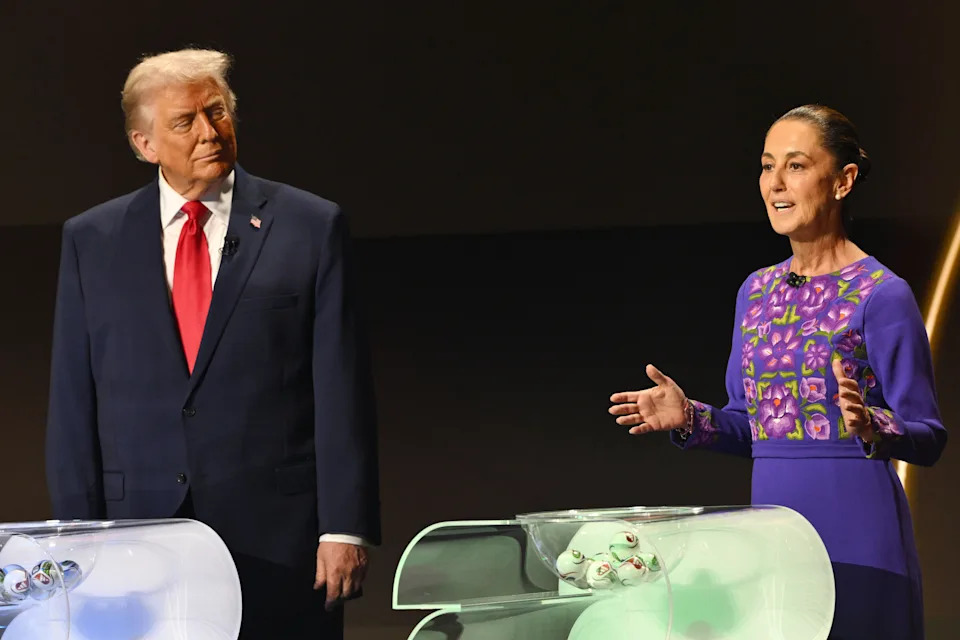
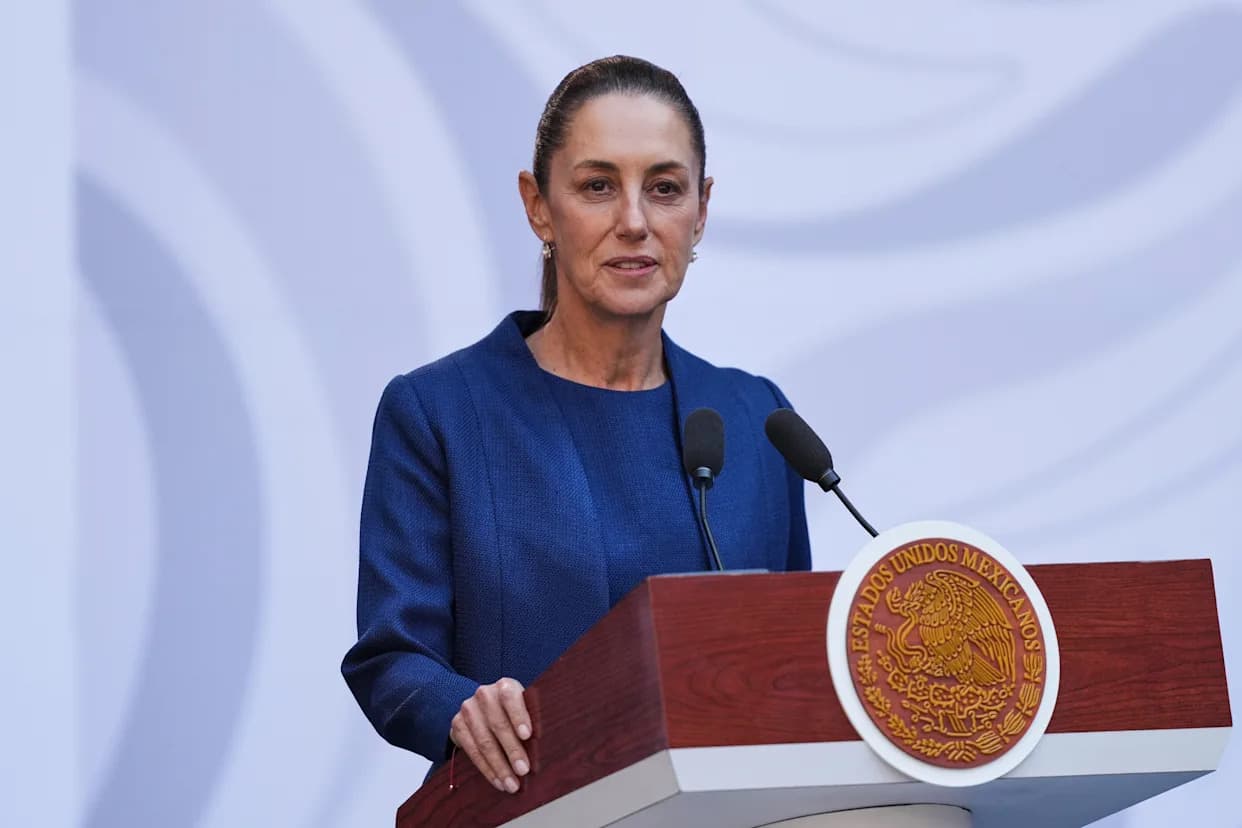
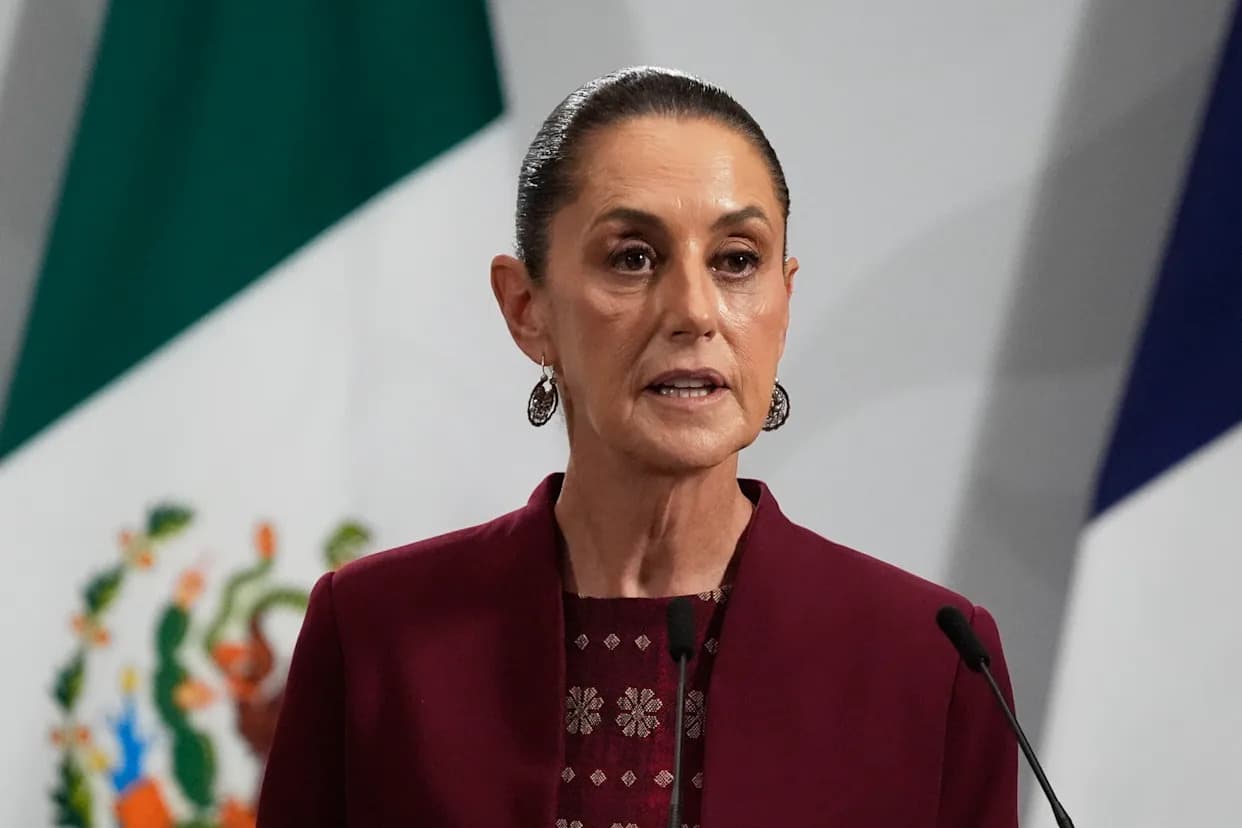
FILE - U.S. President Donald Trump looks on as Mexican President Claudia Sheinbaum speaks on stage at the draw for the 2026 soccer World Cup at the Kennedy Center in Washington, Dec. 5, 2025. (Mandel Ngan/Pool Photo via AP, File)(ASSOCIATED PRESS)
Officials’ Defense
Mexican officials maintain the transfers were lawful and justified by national security concerns. U.S. authorities say many of the transferred suspects were wanted for crimes in the United States and that some had existing U.S. extradition requests.
Former DEA international operations chief Mike Vigil defended the expedited moves, saying they can prevent high-level cartel figures from continuing to run criminal networks from inside Mexican prisons:
"Sheinbaum acted to bolster cooperation with the U.S. government, and she recognizes that if these individuals remain in Mexican prisons they often retain access to their organizations via phones and other channels. These fast-tracked transfers can be crucial to ensuring they face justice," Vigil said.
Why It Matters
The transfers highlight a tense balance between bilateral cooperation on organized crime, questions about the rule of law and due process in Mexico, and the diplomatic pressure coming from Washington. The legal dispute is likely to continue as defense teams and relatives seek remedies and as governments defend their approach to combating transnational criminal organizations.
Help us improve.