
The United States reportedly detained Venezuelan President Nicolás Maduro and his wife, Cilia Flores, in a pre-dawn operation after federal indictments returned in 2020 named them in drug, weapons and terrorism-related charges. U.S. officials say the Department of Justice requested military assistance, a move that has prompted legal and diplomatic questions. The operation has drawn comparisons to past U.S. actions against alleged narco-leaders, including Manuel Noriega, Juan Orlando Hernández and Joaquín "El Chapo" Guzmán. Further legal proceedings and international reactions are expected to shape the unfolding aftermath.
U.S. Detention of Venezuelan President Nicolás Maduro Draws Historical Parallels With Past Anti-Narco Operations

President Donald Trump shared a photo of captured President Nicolas Maduro aboard the USS Iwo Jima after strikes on Venezuela, on Saturday, Jan. 3, 2026.
In a dramatic pre-dawn operation on Saturday, U.S. forces reportedly detained Venezuelan President Nicolás Maduro and his wife, Cilia Flores, to face federal allegations that include involvement in international drug trafficking and maintaining an authoritarian regime. According to U.S. officials, the Department of Justice requested military assistance after federal indictments returned in 2020 named Maduro, members of his family and several associates on terrorism, drug and weapons charges.
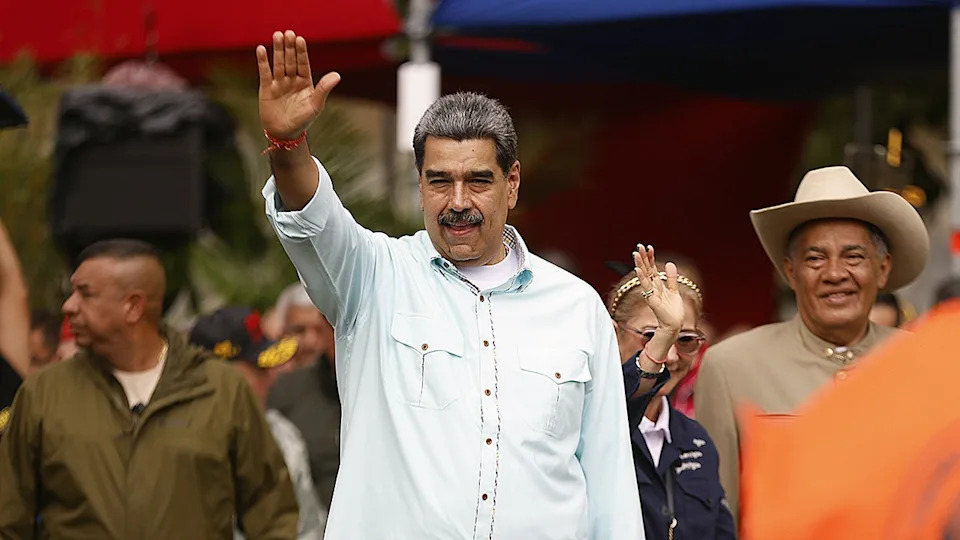
Venezuelan President Nicolás Maduro addresses supporters during a rally marking the anniversary of the 19th-century Battle of Santa Ines in Caracas on Dec. 10, 2025.
Allegations and Legal Questions
U.S. officials say the forcible detention followed longstanding investigations and the 2020 indictments. Legal scholars and observers have raised questions about the use of military assets in an arrest operation on foreign soil and about the procedures followed; U.S. spokespeople maintained that actions taken were based on legal requests and law-enforcement requirements. Reporting on the operation cites both Department of Justice involvement and continuing diplomatic and legal complexities.
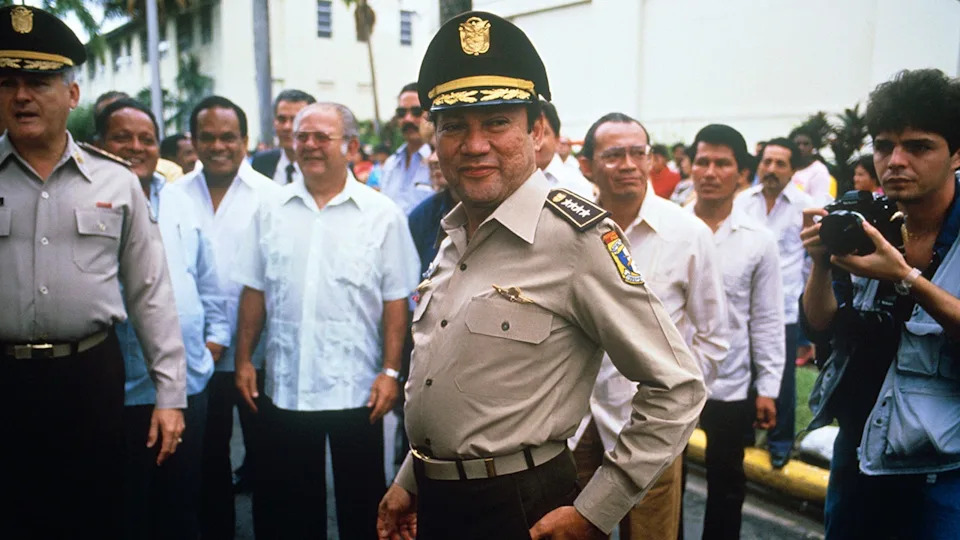
Panamanian dictator Manuel Noriega at a ceremony commemorating the death of national hero Omar Torrijo in Panama City.
Historical Precedents
Observers noted historical precedents in which U.S. authorities used force, extradition, or other measures to remove leaders or dismantle major drug networks. One notable example is the 1990 removal and prosecution of Panamanian leader Manuel Noriega. Long a U.S. intelligence source, Noriega was later indicted on drug-trafficking and money-laundering counts; U.S. forces launched Operation Just Cause, and Noriega surrendered and was subsequently convicted and imprisoned.
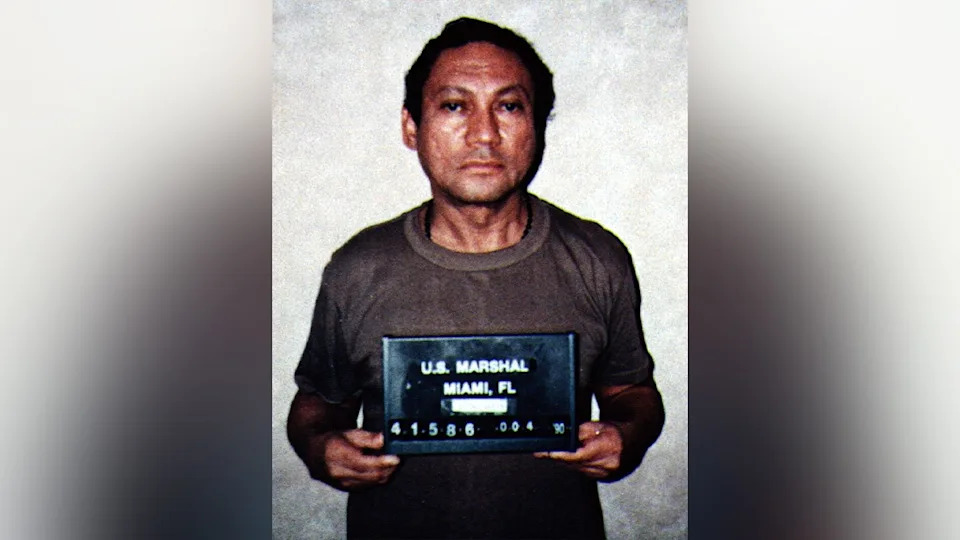
Former Panamanian strongman Manuel Noriega, pictured in this Jan. 4, 1990, file photo.
More recently, former Honduran president Juan Orlando Hernández was arrested in 2022 at U.S. request after leaving office and extradited to face charges alleging collusion with traffickers responsible for large-scale cocaine shipments to the United States. He was convicted in Manhattan in March 2024. Reporting indicates the subsequent legal and political aftermath included debate over sentencing and later executive action.
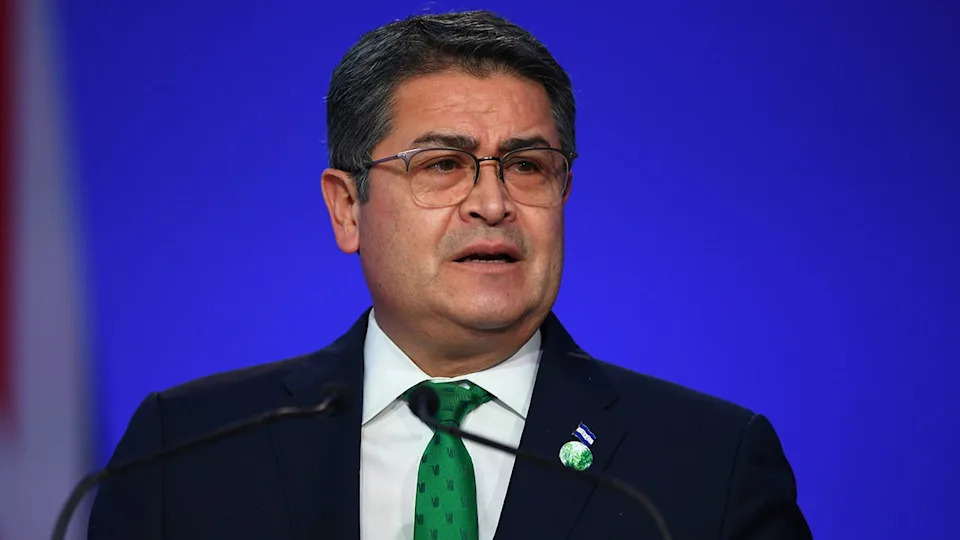
Honduras President Juan Orlando Hernandez speaks during the opening ceremony of the U.N. Climate Change Conference in Glasgow, Scotland, on Nov. 1, 2021.
Another prominent precedent is the extradition and prosecution of Joaquín "El Chapo" Guzmán, the Sinaloa cartel leader, who was moved to the U.S. in 2017, tried in Brooklyn, convicted, and sentenced to life in prison with large forfeiture orders. Guzmán’s case highlighted transnational investigative cooperation, witness testimony detailing trafficking logistics, and the challenges of prosecuting major cartel figures.

Joaquin "El Chapo" Guzman is escorted by soldiers during a presentation in Mexico City, Jan. 8, 2016.
Implications and Next Steps
The detention of Maduro, as reported, has renewed debate about U.S. tactics, sovereignty, and the most effective tools for addressing transnational organized crime and alleged state complicity. Officials say judicial processes will follow U.S. criminal procedures for the indicted individuals. International reactions and the Venezuelan domestic response are expected to unfold in the coming days and may shape diplomatic and legal developments.
Reporting notes: This account summarizes official statements and reporting from U.S. agencies and news organizations. Allegations described here are those brought in indictments and in public statements by officials; defendants are presumed innocent until proven guilty in a court of law.
Help us improve.


