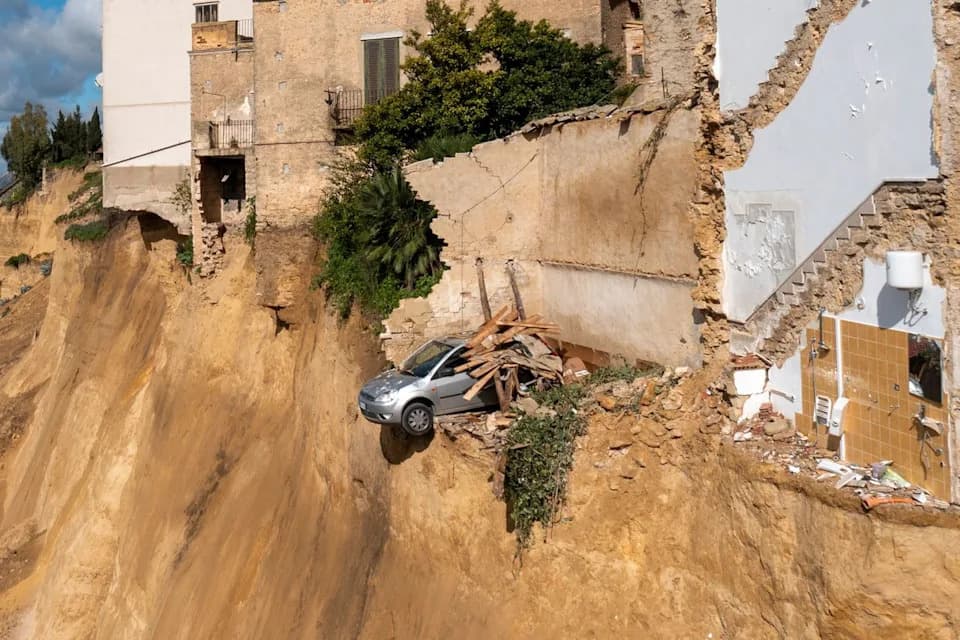
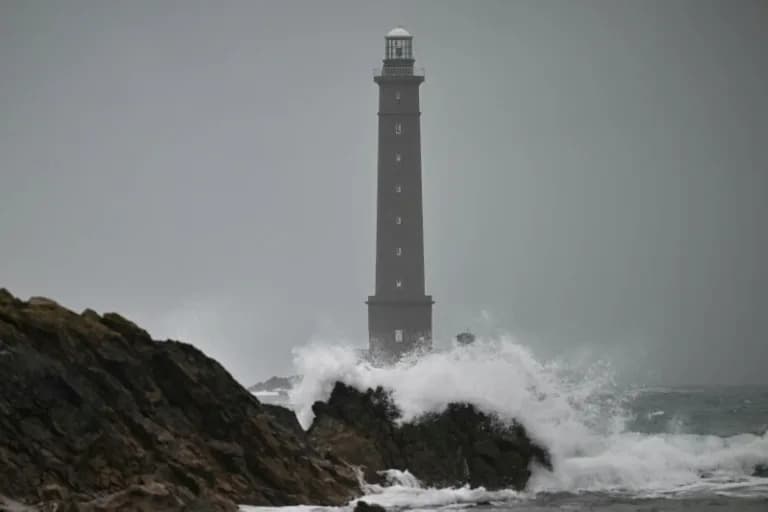
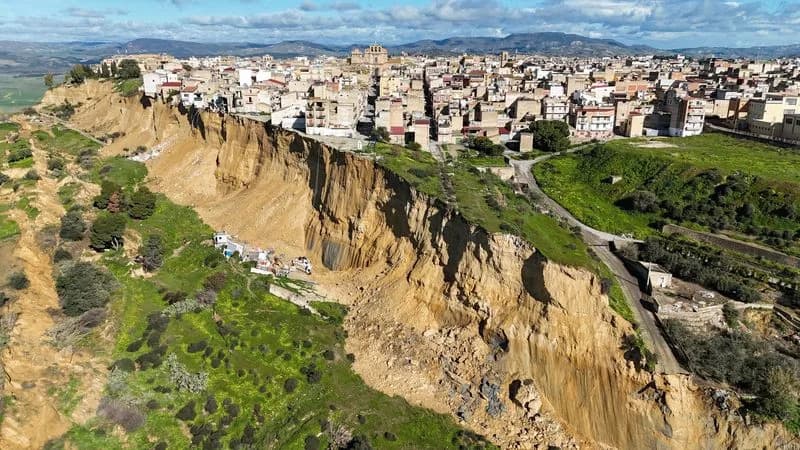
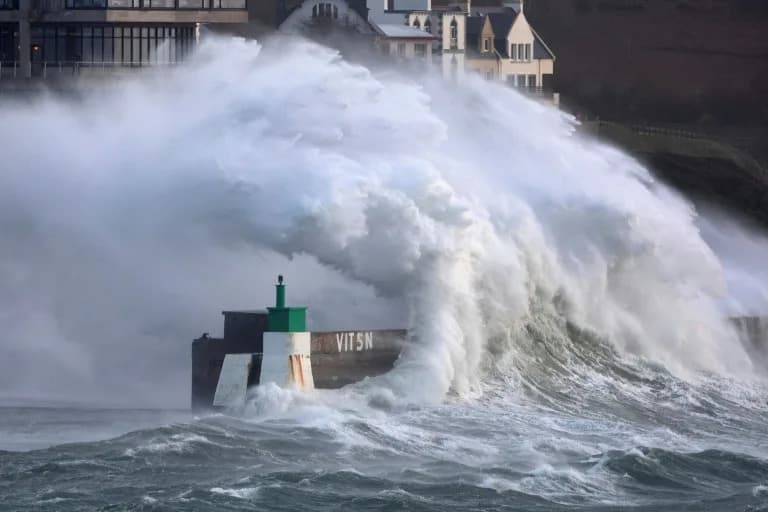
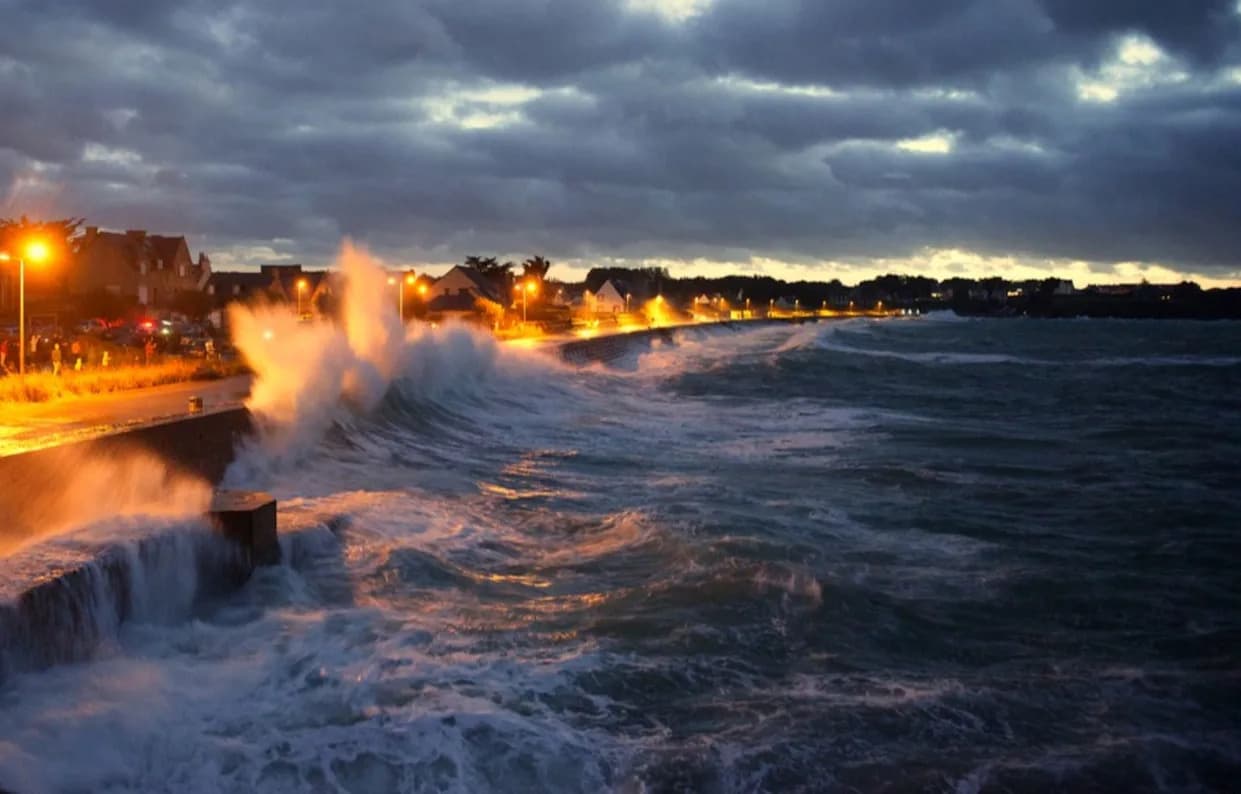
Cyclone Harry produced record-breaking seas in the central Mediterranean, with a buoy between Sicily and Malta recording a 16-metre (52.5-foot) wave — the highest documented in the sea. Satellite data showed strong easterly swells of about 25–30 feet on 20 January, driving coastal flooding and damage across Sicily, Sardinia and Malta. Despite the destruction, experienced surfers reported some of the most powerful Mediterranean waves they've ever ridden, and researchers are studying the event's implications for coastal risk.
Record 52.5‑Foot Wave Measured in Mediterranean as Cyclone Harry Pounds Sicily, Sardinia and Malta
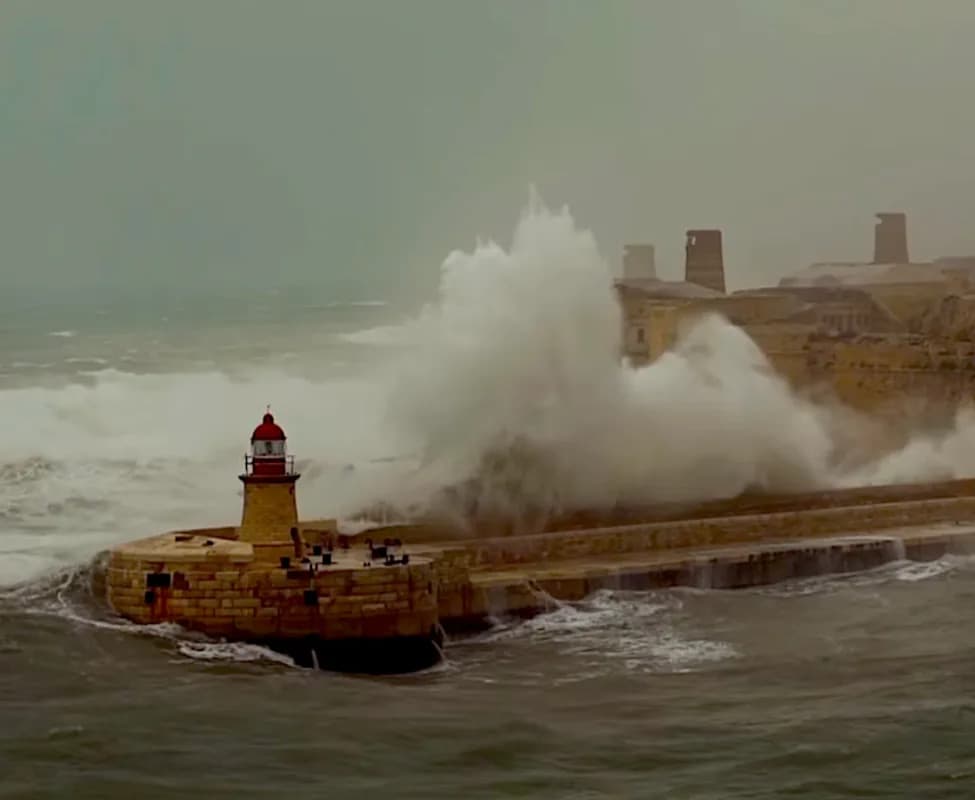
The southern regions of Italy and nearby Malta were battered in recent days as Cyclone Harry swept through the central Mediterranean, whipping fierce winds and generating towering seas.
Meteorologists reviewing post-storm measurements found that an oceanographic buoy positioned south of Sicily, between Malta and Portopalo di Capo Passero, recorded a maximum wave height of 16 metres (52.5 feet) — the highest wave ever documented in the Mediterranean Sea.
"An oceanographic buoy positioned south of Sicily, in waters between Malta and Portopalo di Capo Passero, has recorded a wave measuring 16 metres in height during the most violent phase of Storm Harry - the highest wave ever documented in the Mediterranean Sea."
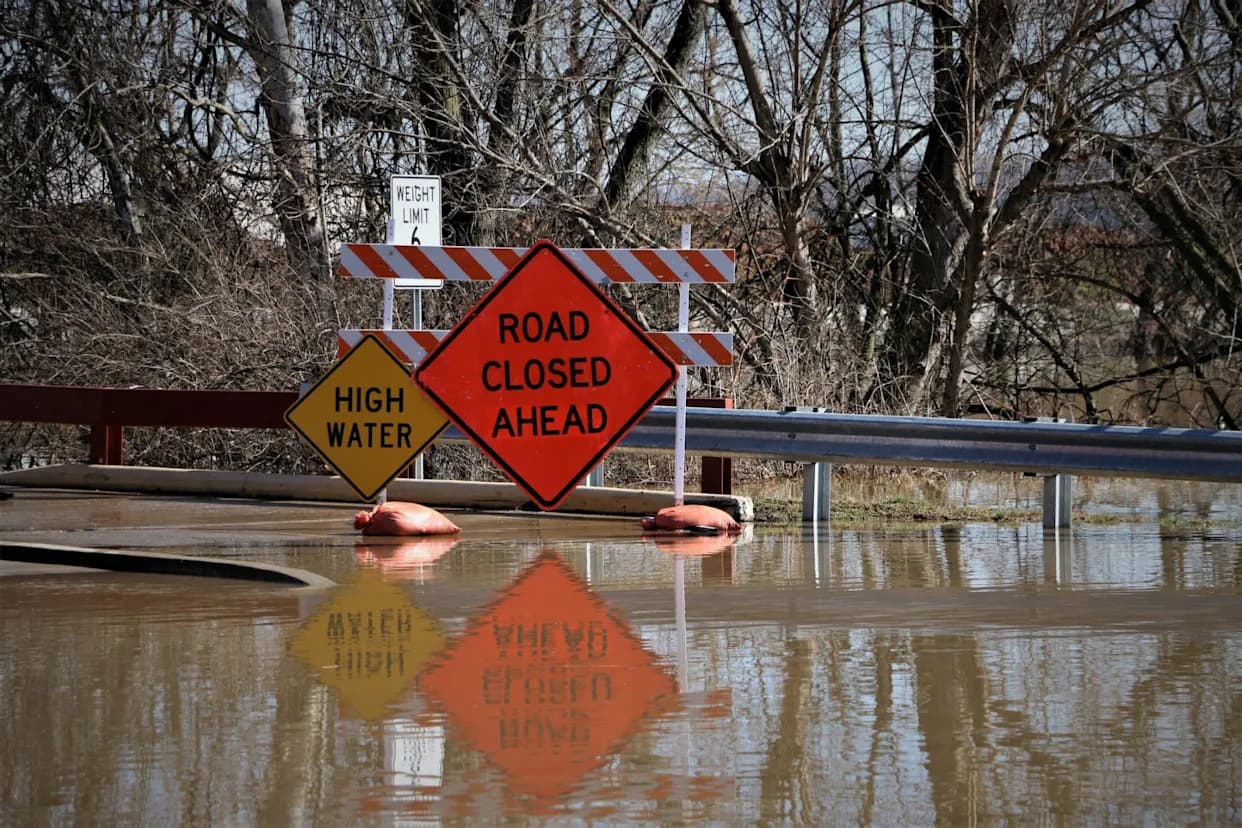
Satellite analysis and surf-forecasting services reported a strong easterly swell associated with the storm, with wave heights peaking around 25–30 feet on 20 January, particularly southeast of Sicily. The intense sea state contributed to widespread coastal flooding, infrastructure damage and significant shoreline erosion across communities in Sicily, Sardinia and Malta.
Despite the destruction, local surfers found rare, powerful conditions. Italian surfer Roberto D’Amico described the swell as a once-in-a-career event for the Mediterranean:
"It was definitely the most powerful waves I have ever experienced in the Mediterranean... But yesterday was something else."
Authorities, oceanographers and coastal managers are now studying the event to understand its drivers and implications for coastal risk as extreme weather and ocean conditions appear to be intensifying. While the Mediterranean is smaller and usually calmer than the open oceans, this storm demonstrates it can still produce dangerous, record-setting conditions under the right circumstances.
This article first appeared in Surfer on January 23, 2026.
Help us improve.