Donald Trump has responded to weak polls by disputing results, promoting inflated approval figures and threatening legal action. After a recent Times/Siena poll showed poor numbers, he said he would add that survey to a $15 billion lawsuit against The New York Times and accused media outlets of conspiring with pollsters. Those claims lack public evidence, and critics say attacks on polling and journalism risk further eroding public trust.
After Poor Polls, Trump Threatens Lawsuit and Accuses Media of Polling Conspiracy
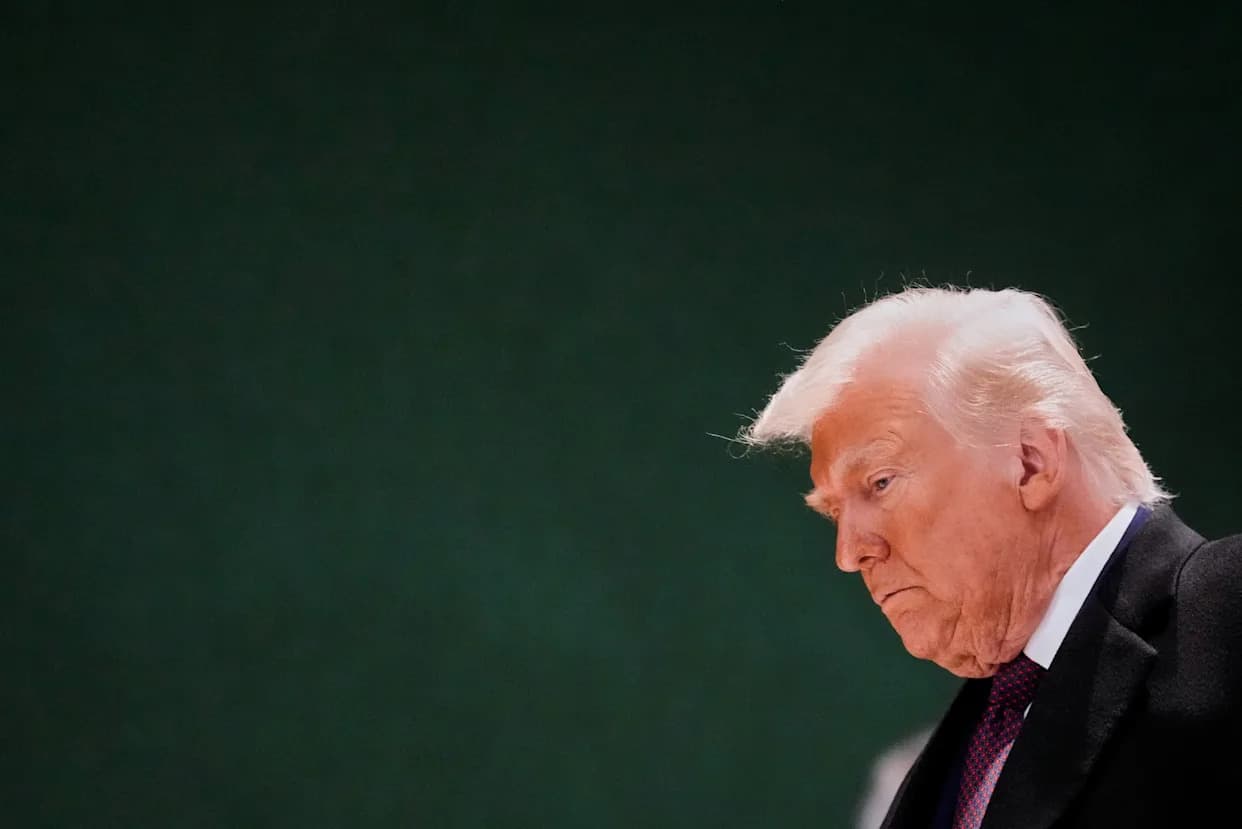
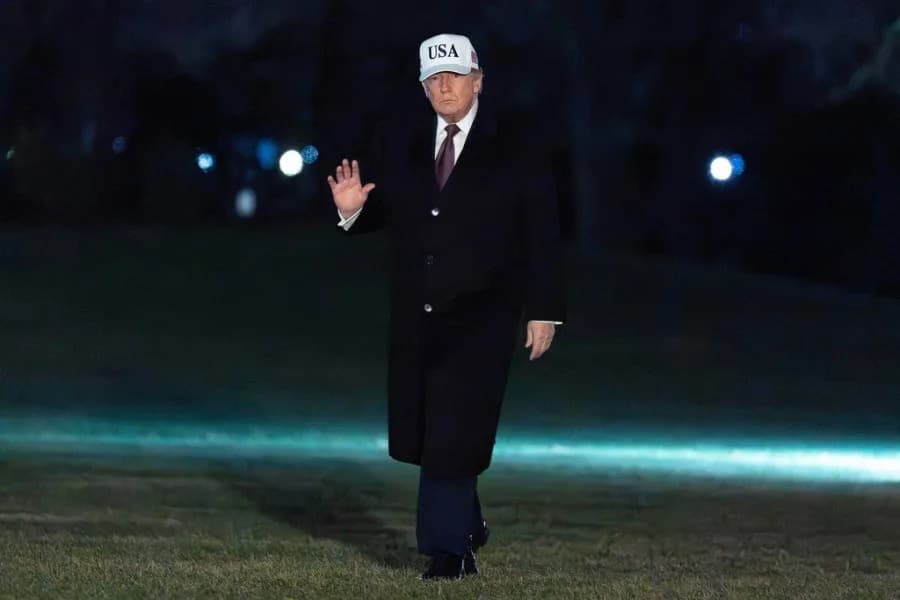
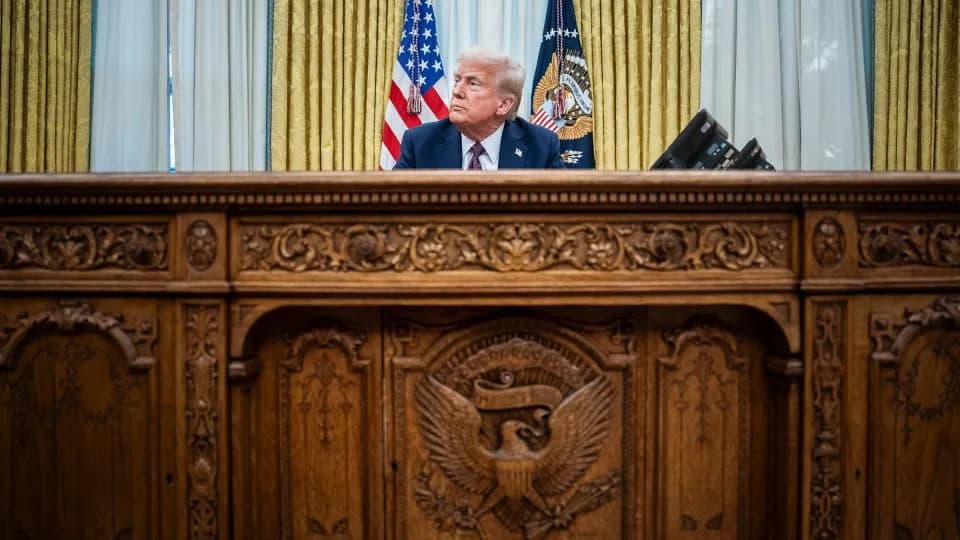
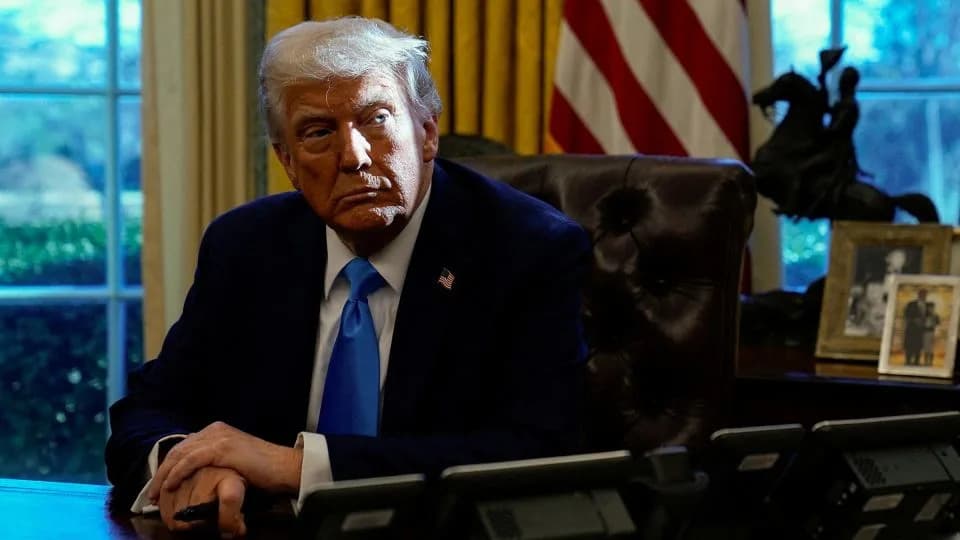
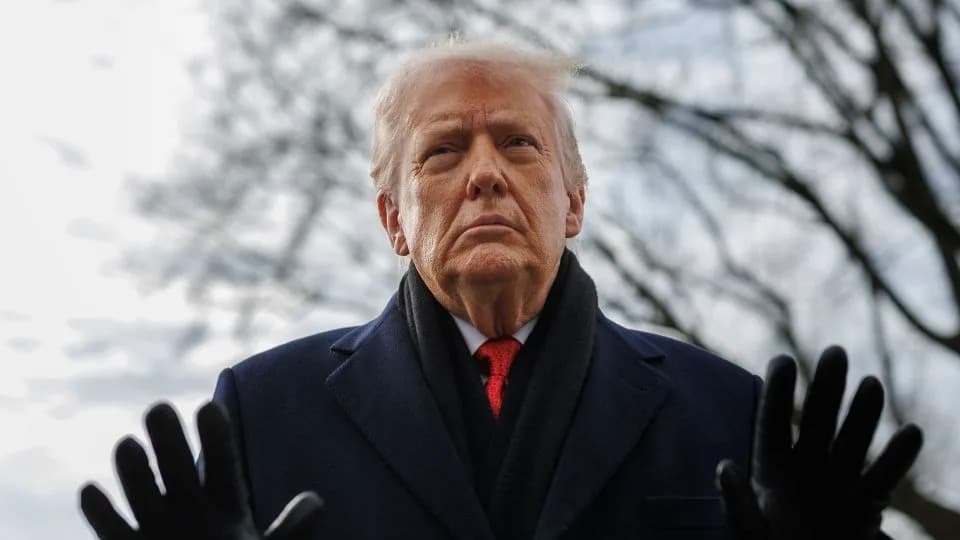
Donald Trump has repeatedly reacted to unfavorable public-opinion surveys with denials, invented approval numbers and, at times, legal threats. As 2026 begins, the president has escalated those responses again — vowing to add a recent New York Times/Siena poll to an existing lawsuit and accusing news organizations and pollsters of producing “fake” results.
Trump has a recent track record of confronting poll coverage. In June 2020, during his reelection campaign, his team sent a cease-and-desist letter to the president of CNN demanding a retraction and apology for a poll that showed him trailing Joe Biden; CNN did not comply and Trump did not sue. After his 2024 victory, he filed a lawsuit against the Des Moines Register over an unfavorable pre-election poll — an uncommon move for a sitting president.
Latest Escalation
Following publication of a national Times/Siena poll that showed weak results for his administration, Trump posted a series of messages on his social platform condemning the survey and repeating claims that pollsters and media outlets are conspiring against him. He said the Times poll "will be added to my lawsuit against The Failing New York Times," and said lawyers had demanded records showing how the poll was "computed."
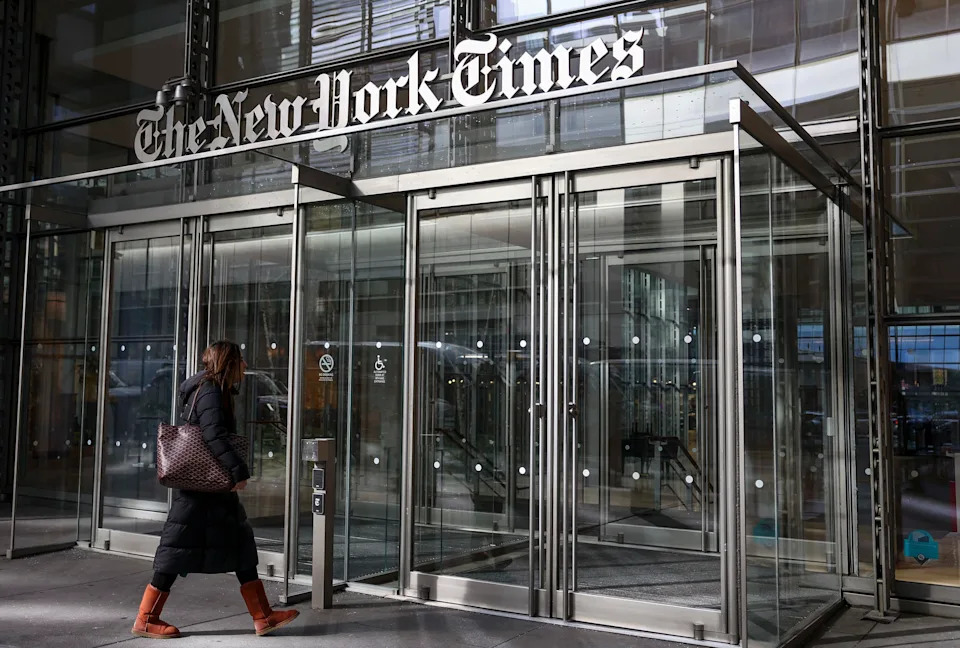
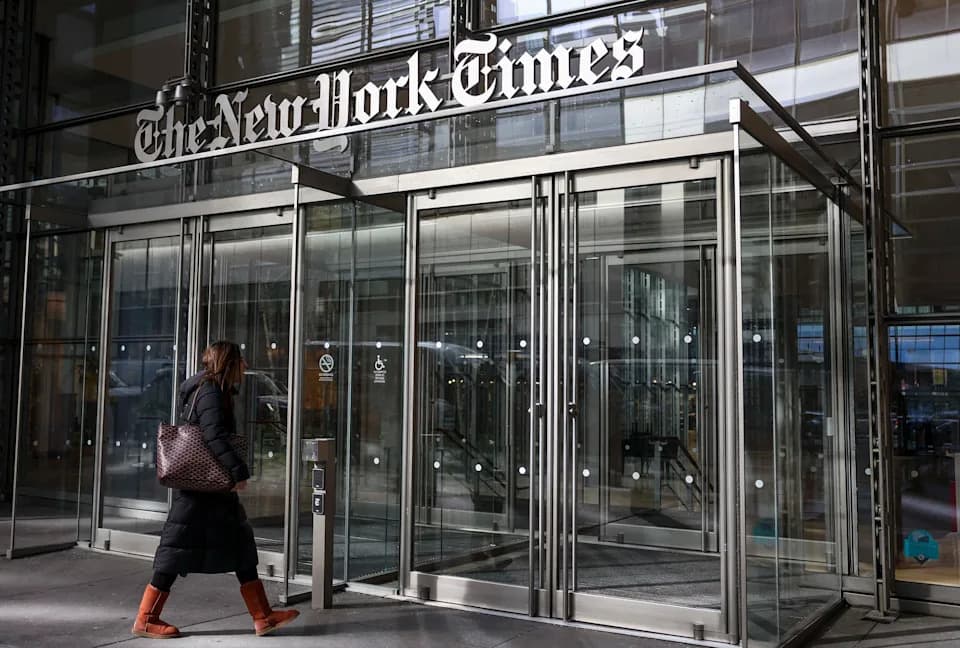
A person enters The New York Times building on Jan. 22, 2026.(Angela Weiss / AFP via Getty Images)
"The Times Siena Poll, which is always tremendously negative to me, especially just before the Election of 2024, where I won in a Landslide, will be added to my lawsuit against The Failing New York Times. Our lawyers have demanded that they keep all Records, and how they 'computed' these fake results. ... They will be held fully responsible for all of their Radical Left lies and wrongdoing!"
He later urged investigations into what he called "fake" polling and suggested fraudulent polling should be treated as a criminal offense. The lawsuit he referenced is part of a broader $15 billion suit he filed in the fall against The New York Times alleging defamation and reputational harm; it is one of several civil actions he has brought against major news organizations.
Claims and Context
No prominent Republican leader or independent analyst has produced evidence that major news organizations secretly conspire with polling firms to manufacture results that are unfavorable to the president. Independent polling firms and newsrooms generally publish methodologies and sample details; criticisms of specific polls typically focus on methodology, sampling, timing or question wording rather than coordinated deception.
In a conventional political environment, presidents confronting falling approval ratings might try to forecast a comeback, de-emphasize the immediate importance of polls, argue that history will judge them differently, or change policies to regain support. In this case, the president has chosen to attack pollsters and media outlets and to threaten litigation rather than publicly embrace those more conventional options.
Why it matters: The controversy highlights tensions between the White House and the press, the limits of legal responses to journalistic coverage, and the role of independent polling in public debate. Allegations of coordinated fraud, if unsupported, can further erode public trust in political institutions and the news media.
Help us improve.