Summary: Donald Trump's long-standing strategy of shaping narratives is showing strain a year into his second term, and he is increasingly relying on legal pressure. After a New York Times/Siena poll put his approval near 40%, Trump denounced the results on Truth Social and said the poll would be added to his lawsuit against the paper. Critics say these legal threats aim to raise the cost of reporting unwelcome facts rather than address the underlying economic problems driving public dissatisfaction.
With Approval Slipping, Trump Threatens Lawsuits Over Unfavorable Polls — A Shift From Persuasion To Pressure
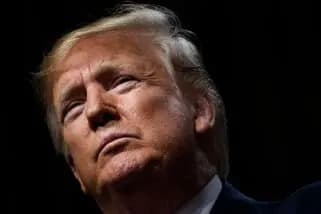
Americans are down on Trump — so he’s threatening to sue over his bad poll numbers again
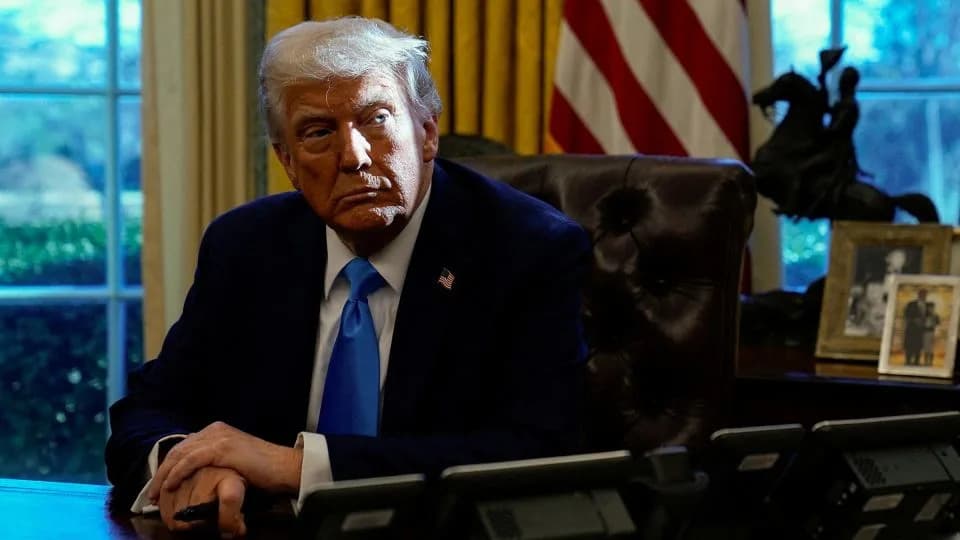
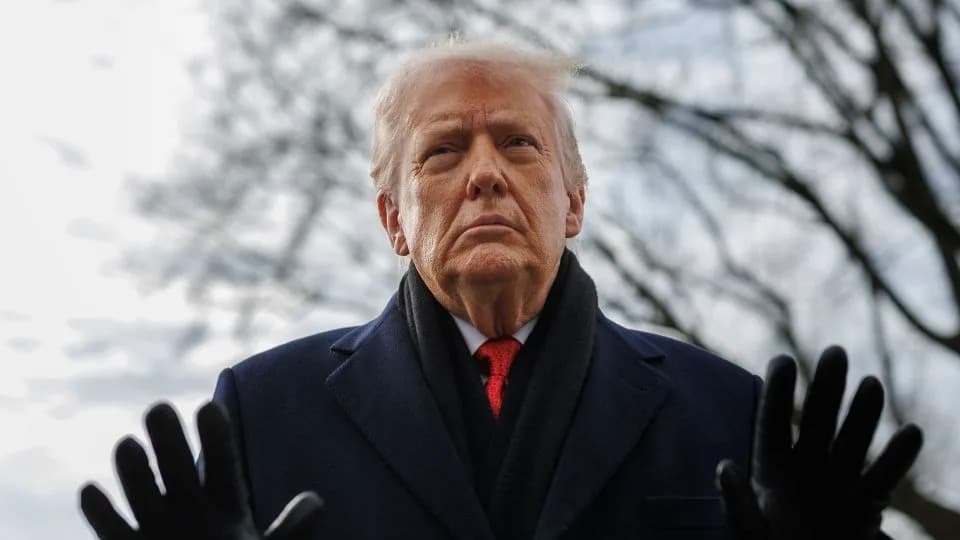
For more than a decade, Donald Trump relied on a playbook of spectacle, aggressive messaging and relentless narrative control to blunt scandals and shape public perception. That strategy — persuading or drowning out critics — has long been central to his political brand.
From Persuasion To Coercion
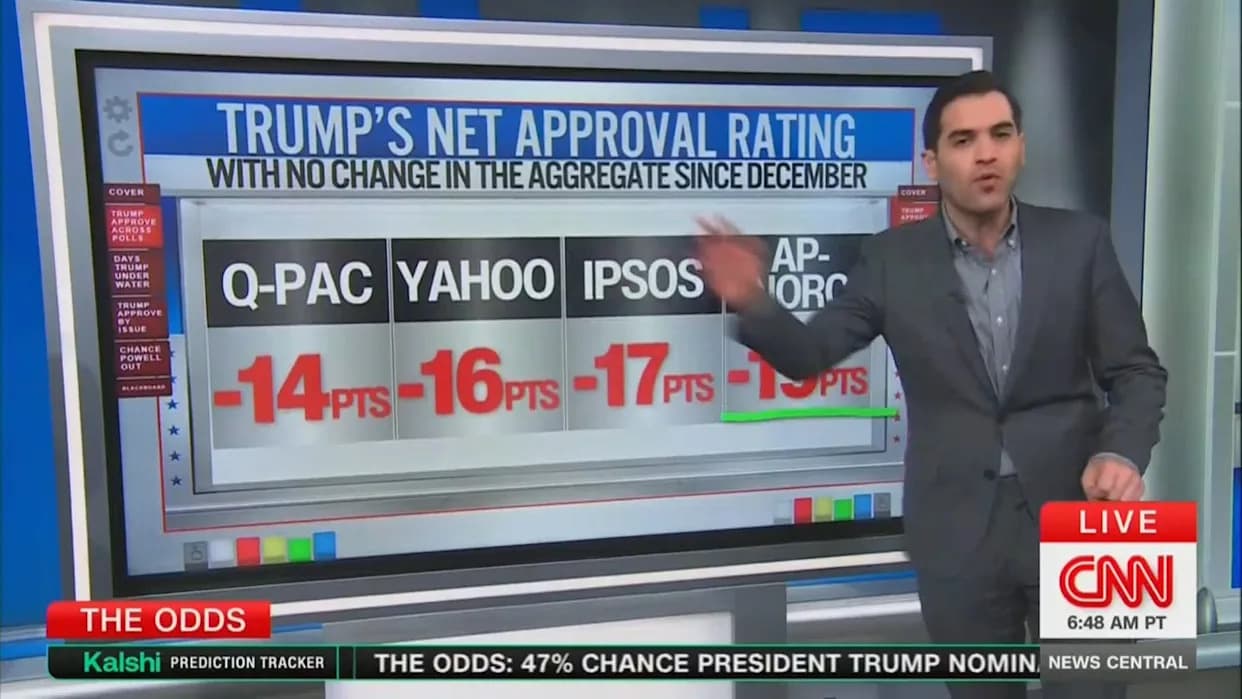
Now, about a year into his second term, that approach appears to be fraying. Faced with polls showing sagging approval and widespread dissatisfaction with the economy, the administration has begun to move from persuasion toward legal and administrative pressure on institutions that report unwelcome facts.
The Poll And The Response
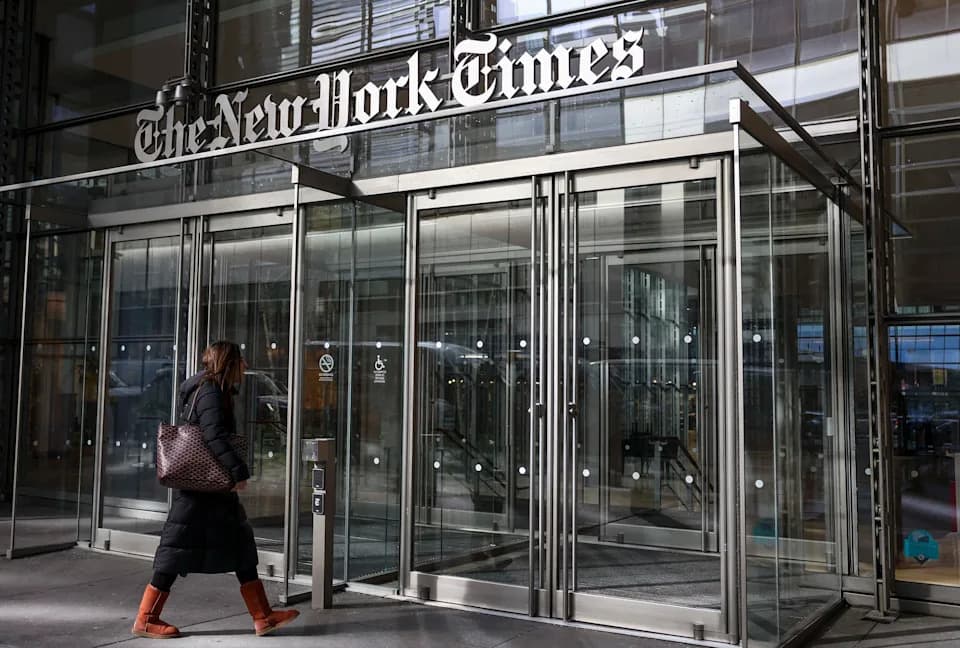
After The New York Times and Siena College published a survey putting Trump's approval near 40% and finding majorities unhappy with the economy and the country's direction, the president denounced the results on Truth Social as 'fake' and 'fraudulent.' He then said the poll would be folded into his existing lawsuit against the paper — effectively treating measurement as misconduct.
'If you don't like the poll, sue,' the comment roughly summarizes a new, sharper maxim: instead of merely disputing unfavorable numbers, pursue legal action against those who publish them.
That tactic follows a familiar pattern — Trump has long attacked hostile coverage and threatened litigation — but the stakes are different now. As a second-term president without an upcoming campaign to refocus attention, he confronts a shrinking coalition, slipping public support and fewer tools for reshaping incentives through electoral politics.
Why Legal Threats Matter
Suing over polls does not fix the economic pressures that produce poor approval ratings. Litigation won't lower grocery bills, reduce housing costs or restore consumer confidence. Instead, the lawsuits appear designed to change the incentives for pollsters, editors and newsrooms by making it more costly to publish unwelcome findings.
Even meritless suits impose real costs: legal fees, time, staff distraction and emotional strain. That burden can chill reporting and research, creating a subtler form of pressure in a system that formally protects free speech. As one observer put it: you cannot ban criticism outright, so you raise its price.
Context And Consequences
The administration has also taken steps critics view as attempts to target dissent, including a controversial National Security Presidential Memorandum released late last year. Meanwhile, the president's public remarks — from blaming his communications team for failing to 'get it across' to musing that the country 'shouldn't even have an election' in 2026 (a comment his staff later described as a joke) — underscore the political strain.
Trump's shift from amplifying messages to threatening legal action signals a broader dynamic of a presidency in decline: diminished capacity to move public opinion, coupled with continued control of legal and administrative levers that can complicate life for critics.
Bottom Line
Threatening lawsuits over unfavorable polls is less about correcting the record than about changing the environment in which the record is reported. It is a move from contesting facts to attempting to penalize the messengers — a tactic that raises concerns about press freedom, research independence and the health of public debate.
Help us improve.