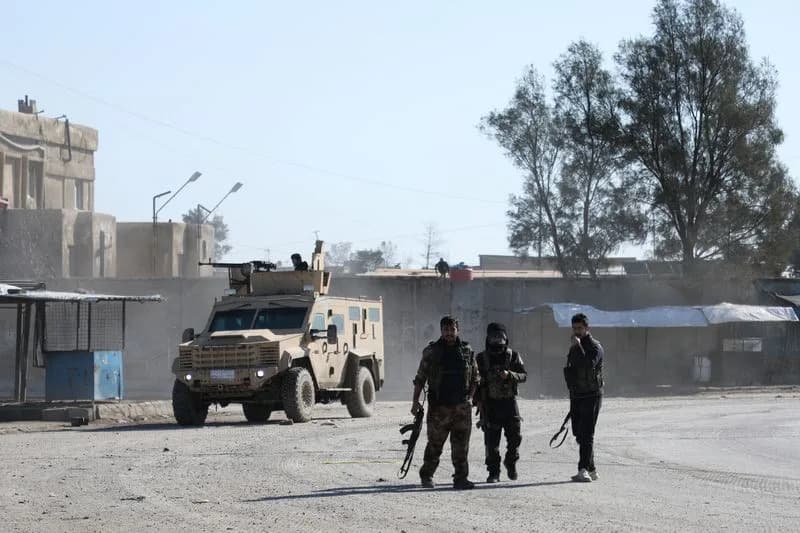
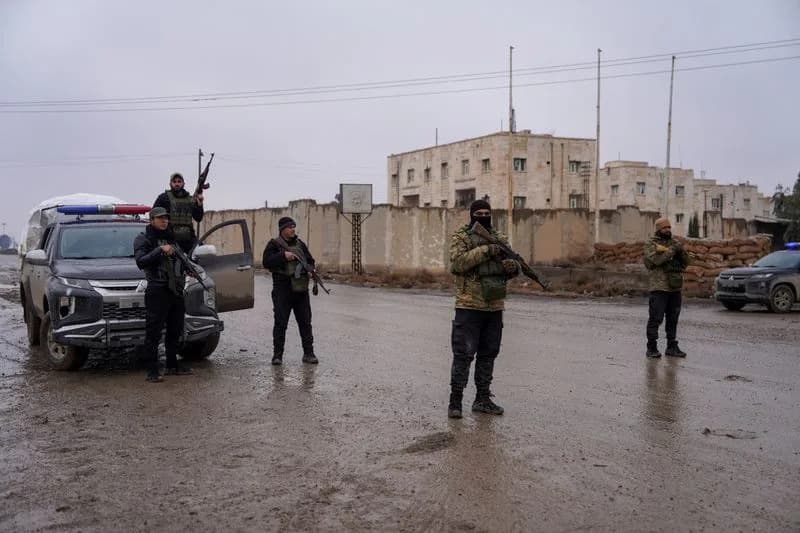
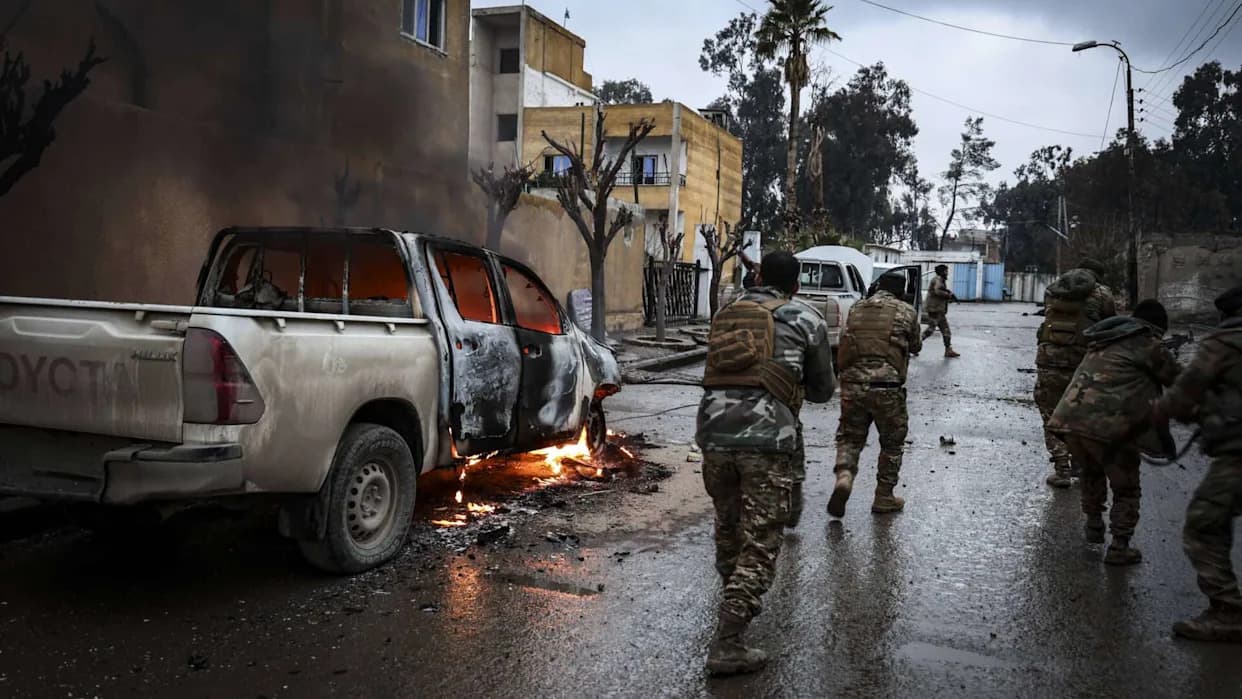
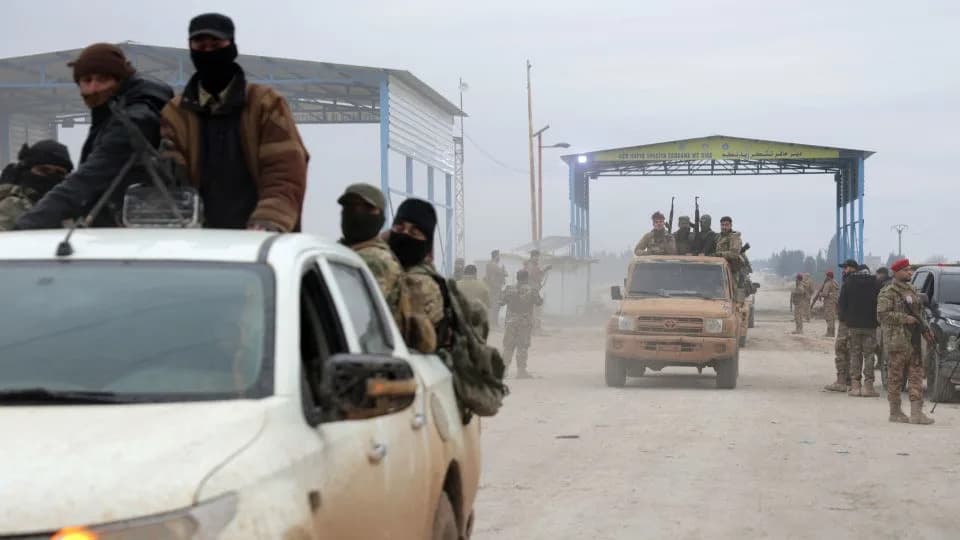
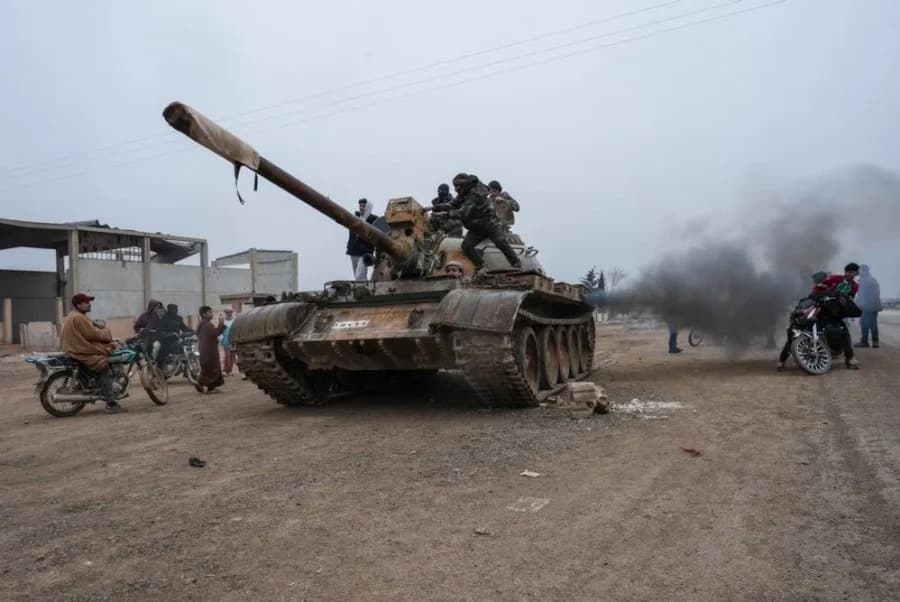
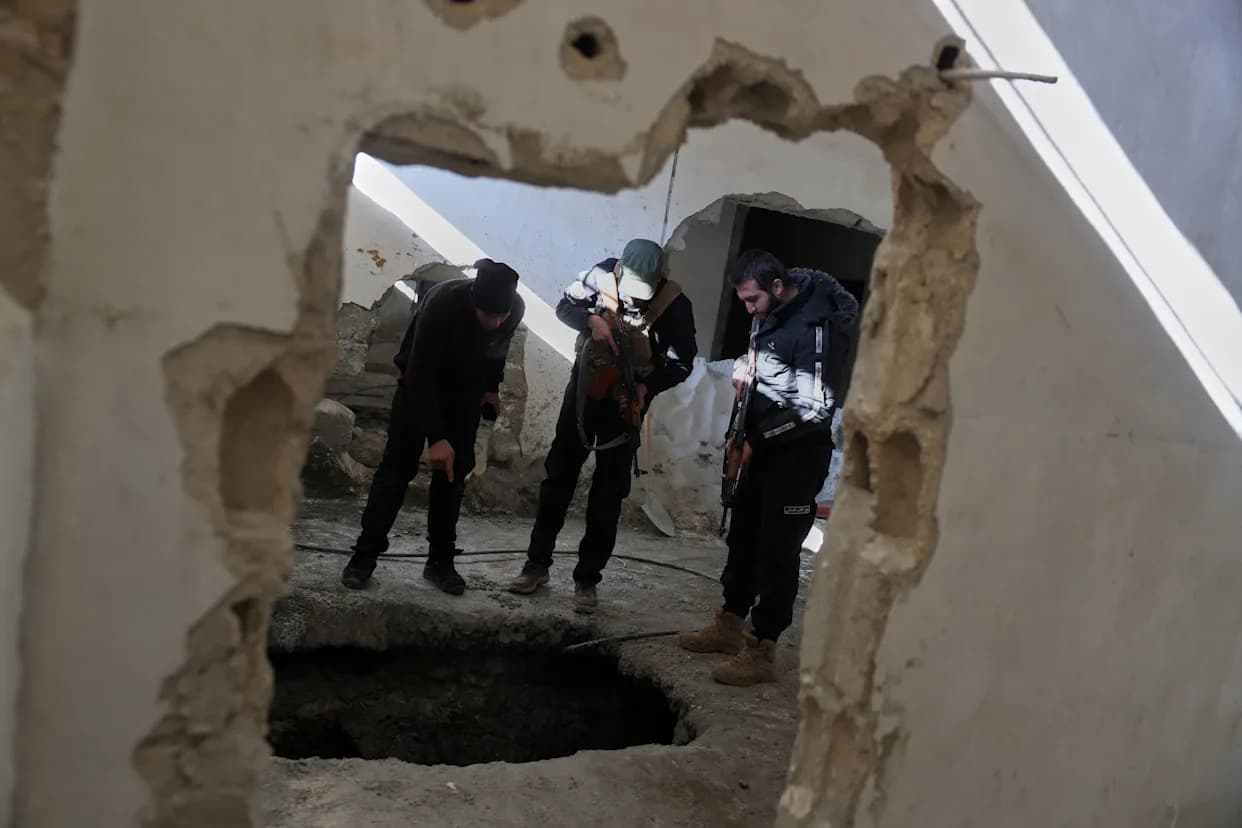
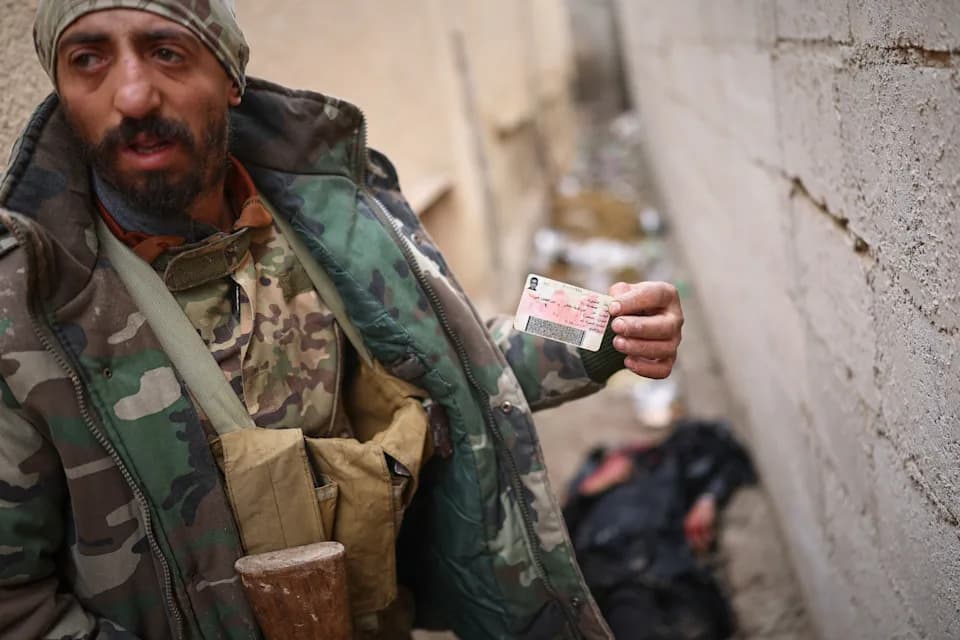
After a ceasefire declared on January 18, Damascus celebrated briefly before fighting resumed the next day when government advances forced SDF leader Mazloum Abdi to accept withdrawal terms, a new truce and a four-day ultimatum. Residents express a mix of hope for reunification, anger at the SDF for perceived parallel rule, and anxiety about the risks of a prolonged confrontation. Key questions remain about how integration would work in practice and whether the central state can govern territory it has not controlled for years.
Anxiety, Anger and Hope in Damascus After SDF Ceasefire
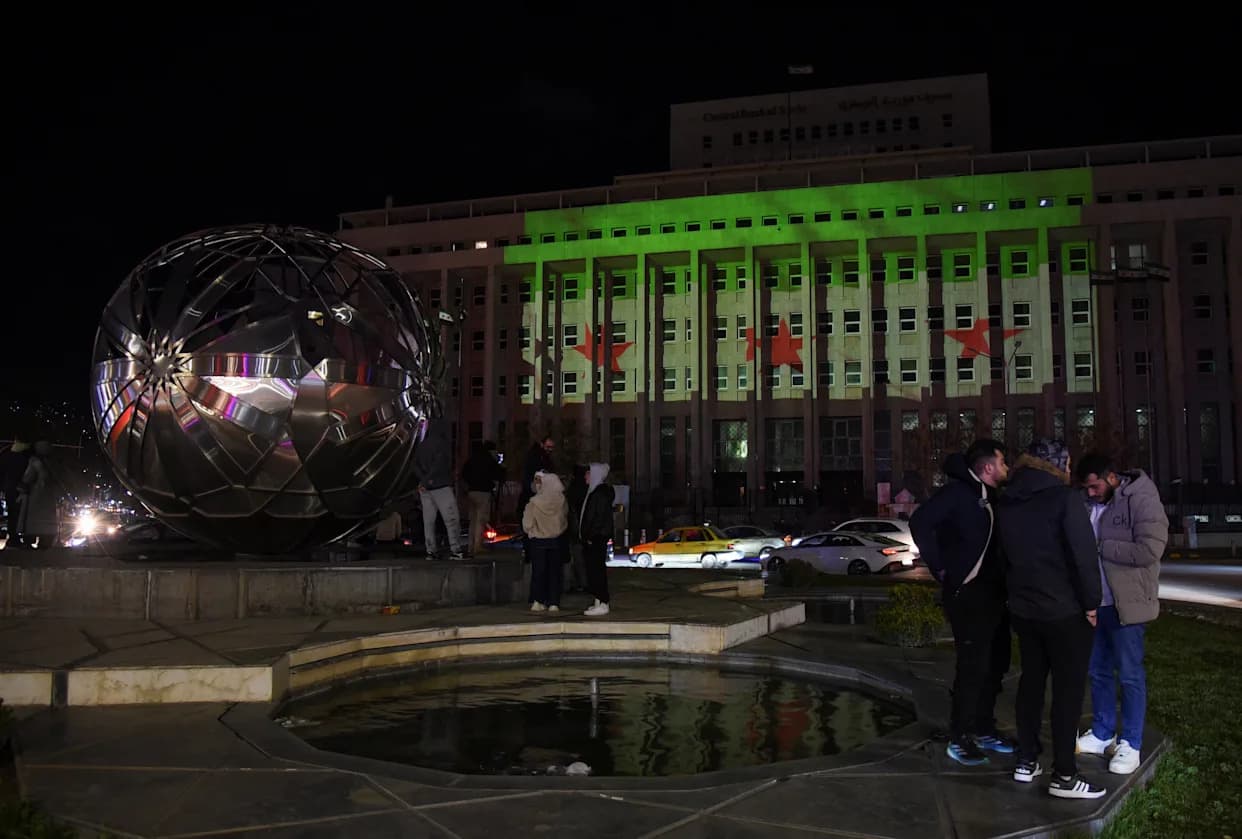
People stand near the building of the Central Bank of Syria as the national flag is projected on it, in Damascus, Syria on December 29, 2025 [Firas Makdesi/Reuters]
Damascus briefly exhaled when a ceasefire between the Syrian government and the Kurdish-led Syrian Democratic Forces (SDF) was announced on the night of January 18. Fireworks lit the sky, car horns blared and crowds gathered in Umayyad Square to celebrate a pause in fighting.
Jubilation and a Swift Reversal
Many hoped the flare-up in northern Syria had been resolved and that one of the most contentious issues since the ousting of longtime leader President Bashar al-Assad might be settled. “It’s a beautiful feeling, and I am sure it exists in every Syrian … we wish for all of Syria to be united,” said Damascus resident Saria Shammiri.
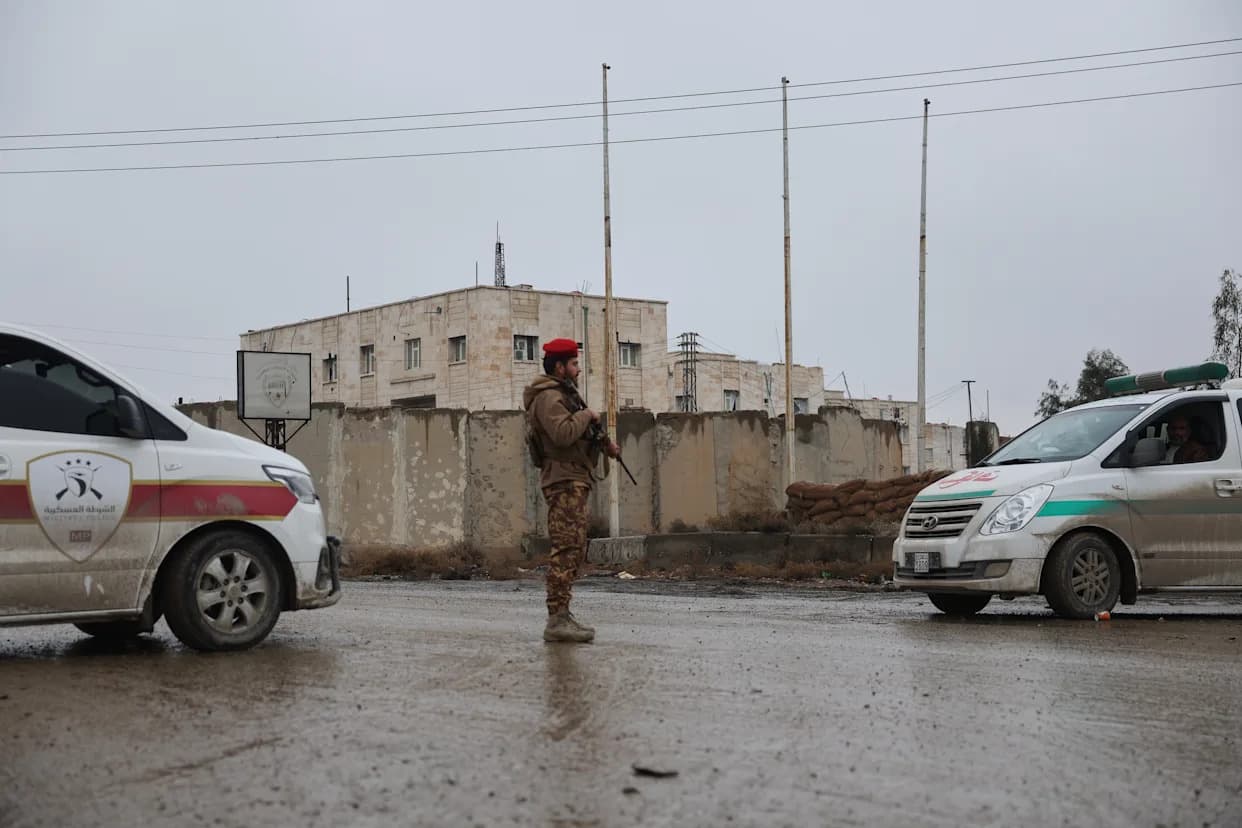
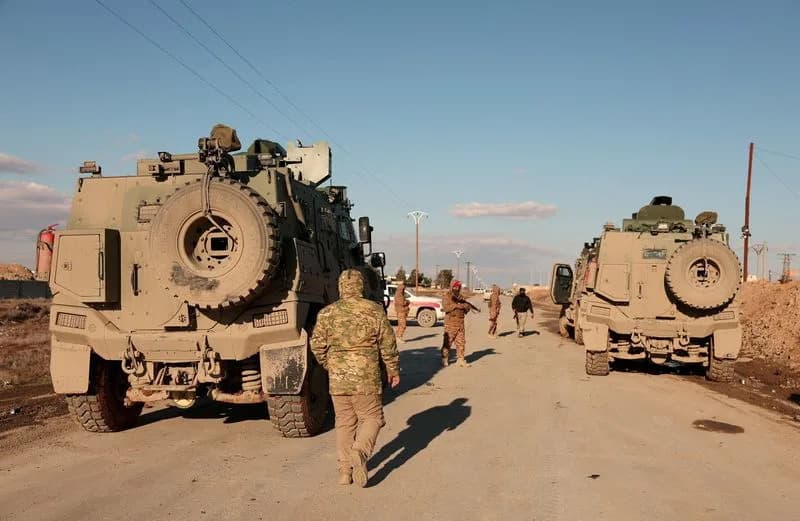
Yet the celebration was short-lived. Fighting resumed the next morning after a rapid government advance led SDF commander Mazloum Abdi to accept less favourable conditions: a pullback from Raqqa and Deir Az Zor toward Hasakah, a new ceasefire, and a four-day ultimatum for the SDF to integrate into state institutions.
Public Mood: Hope, Anger and Anxiety
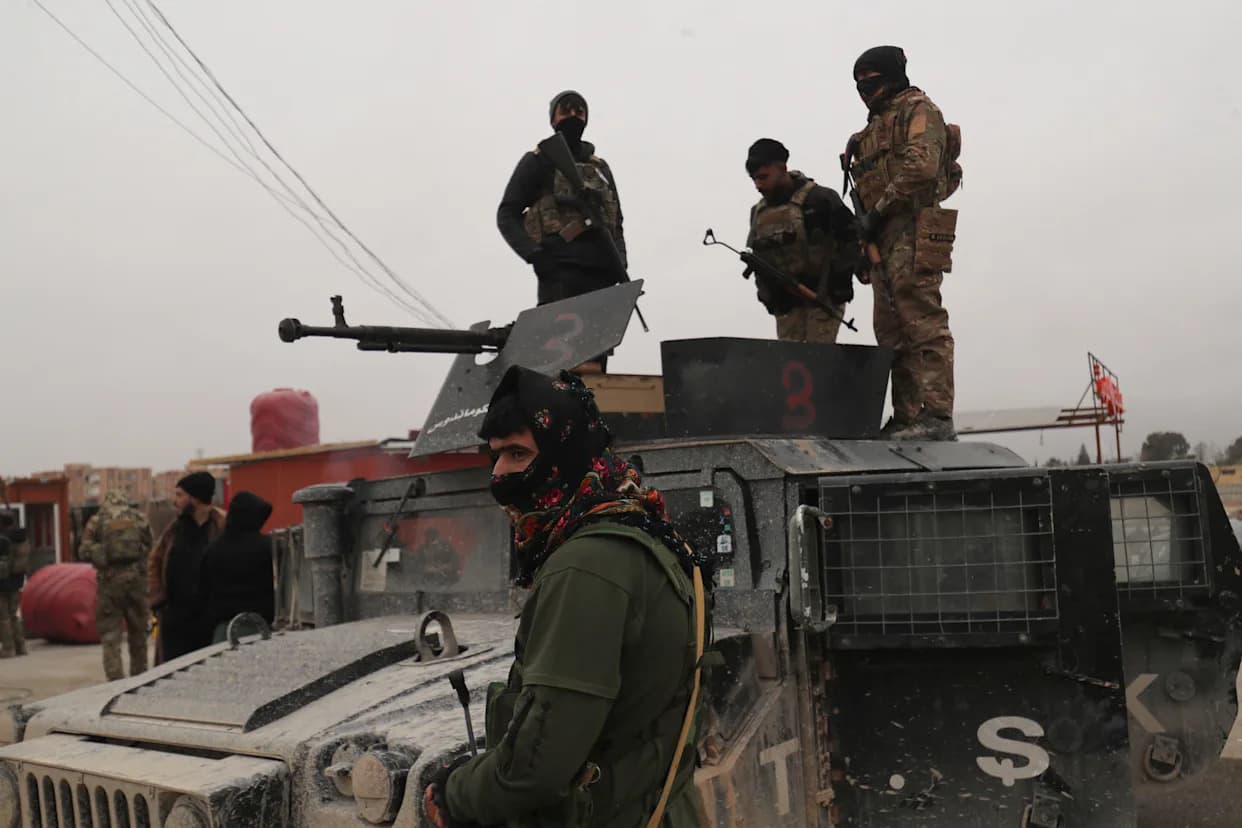
As the deadline approaches, frustration with the Kurdish-led force has hardened in Damascus and other government-held areas after years of division. For many, the SDF is no longer primarily remembered as the force that battled ISIL (ISIS); it is increasingly seen as a parallel authority backed by foreign powers such as the United States, keeping large parts of the country beyond central control.
“The terrorist SDF doesn’t belong to this land … they are not Kurdish. They are occupiers,”
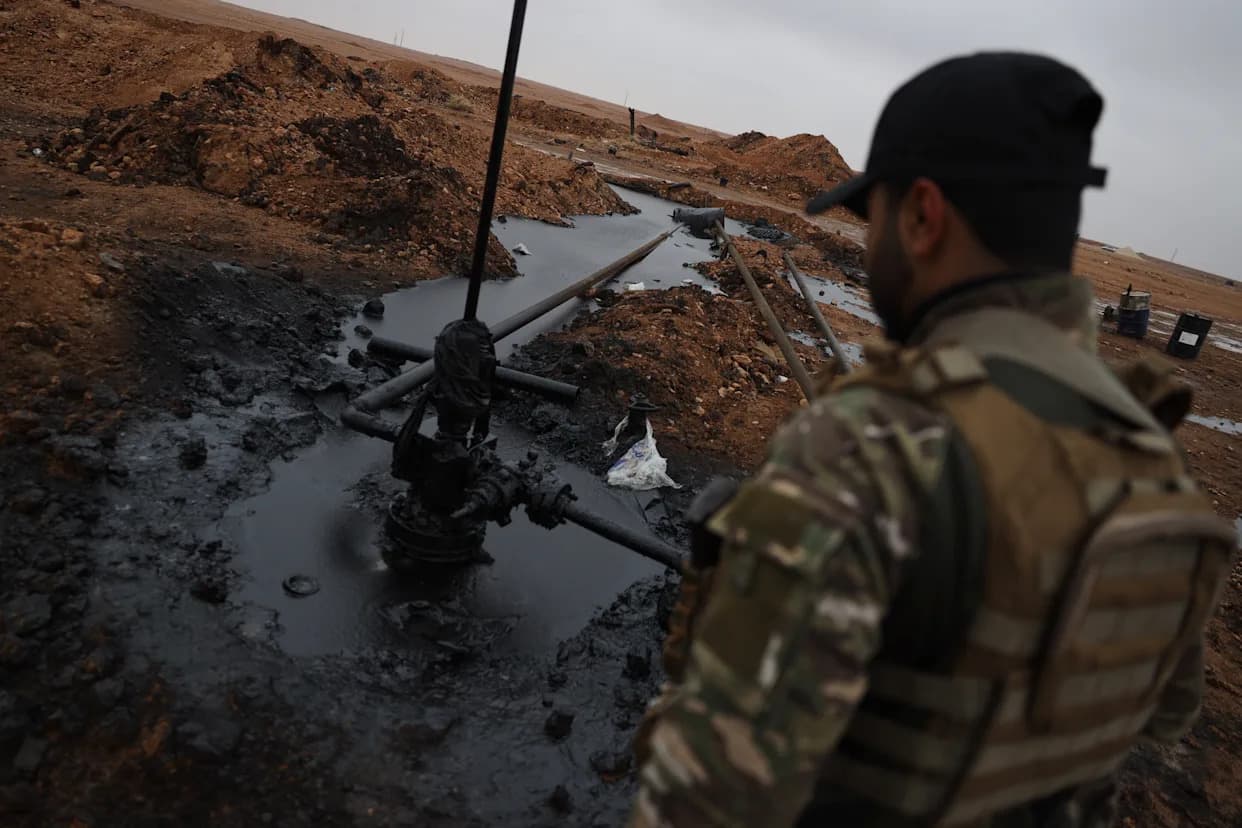
In cafés, taxis and government offices the language has grown blunt. The SDF is accused of delaying reunification, monopolising oil and agricultural resources in the northeast, and sheltering behind U.S. support while much of the country endures sanctions, economic collapse and war. Still, many residents say they prefer a peaceful outcome.
“Dialogue is the foundation of peace. The solution lies at the negotiation table. Violence only brings more violence.”
Risks and Unanswered Questions
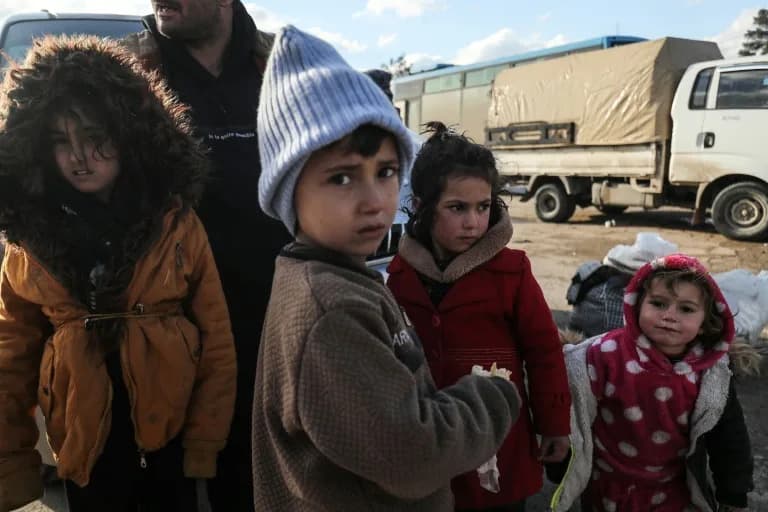
Anxiety runs beneath the dominant mood of impatience. While reunification is widely supported in Damascus, people are aware of the risks: a prolonged confrontation could draw in regional actors, unsettle fragile border zones, or reignite communal tensions in the northeast, where Arab tribal groups, Kurds and others live uneasily after years of shifting alliances.
Residents also privately wonder how integration would work in practice. Will SDF fighters be absorbed into national forces, marginalized, or prosecuted? Will local administrations be dismantled overnight? And can a central state, stretched thin by years of war and economic crisis, realistically govern and stabilise territory it has not administered for more than a decade?
For now, those questions are often eclipsed by impatience. Many in Damascus view the government’s recent advances as restoring sovereignty rather than opening a new chapter of conflict. The word most repeated around the city is "unity" — a unity shaped by exhaustion, grievance and a desire to finally close one of the last unresolved fronts of Syria’s long war.
Help us improve.