Key Takeaway: The Syrian government’s recent capture of the al-Omar oilfield, the Conoco gas complex and the Tabqa Dam, coupled with a political deal with the SDF and shifting tribal loyalties, marks a major step toward reasserting central control in northeastern Syria. While these gains could underpin fiscal recovery, experts warn the assets are heavily damaged and require vast international investment, transparent governance and time to rebuild trust and services.
Power Lines and Power Struggles: How Syria’s Capture of Key Energy Assets Could Shape Unification
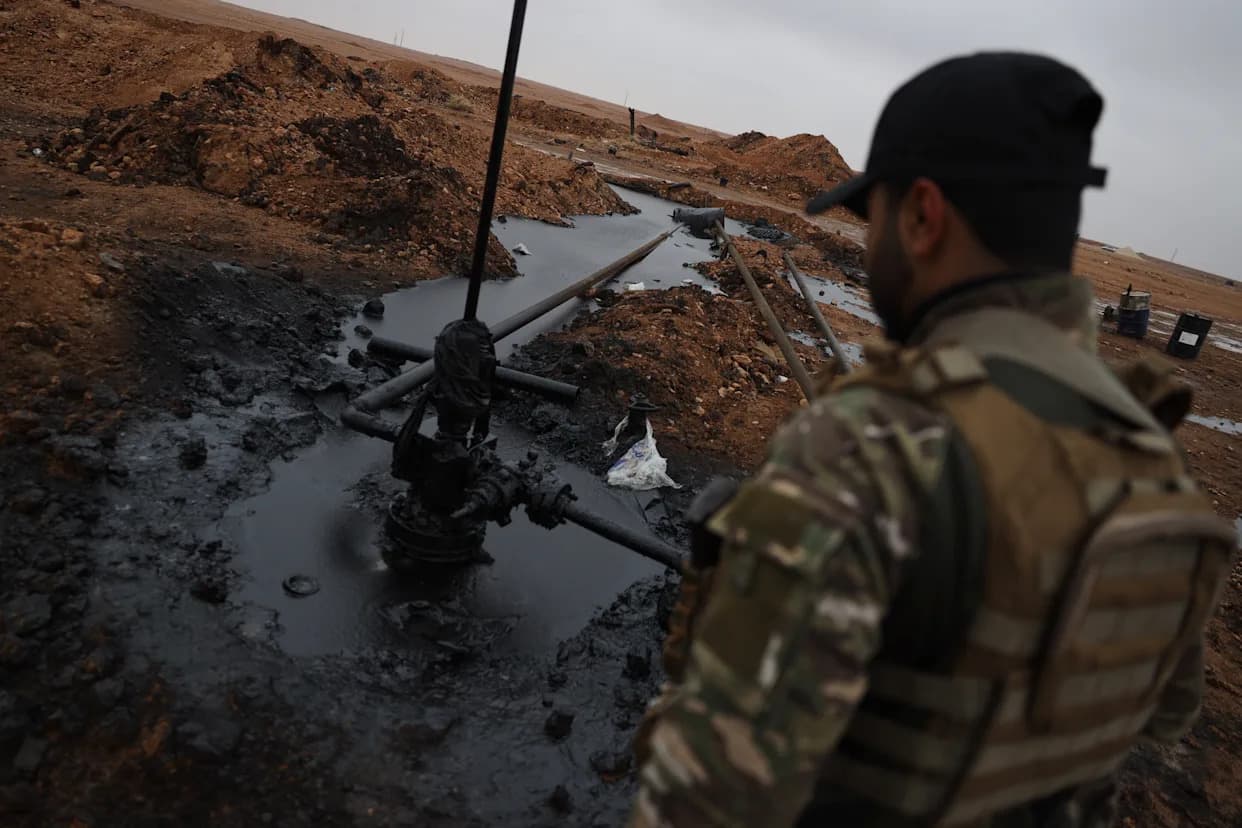
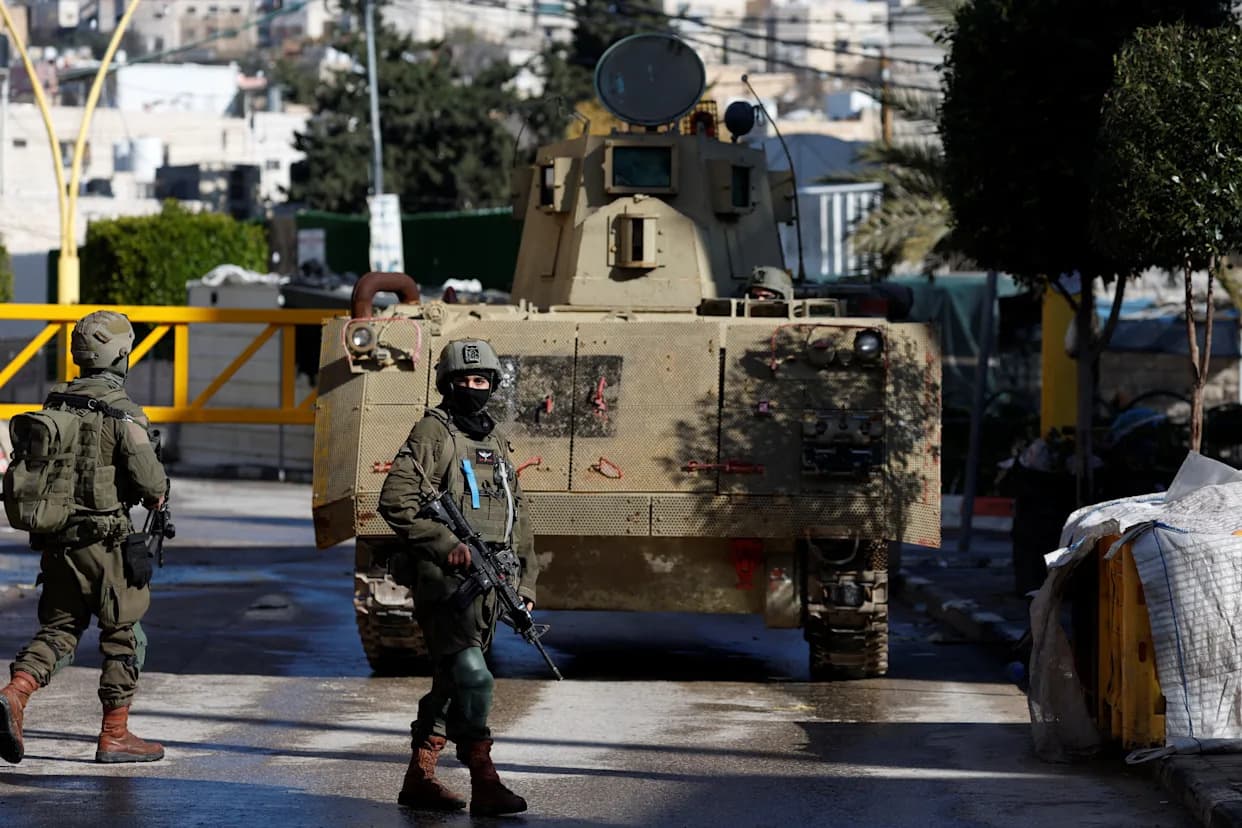
A Syrian government soldier walks at al-Thawra oil field after government troops took control of it from the U.S.-backed Syrian Democratic Forces (SDF) during an ongoing push against Kurdish-led forces, in Raqqa, northeastern Syria, Sunday, Jan. 18, 2026. (AP Photo/Omar Albam) (AP)
Deir Az Zor, Syria — On the wide, wind-swept plains traced by the Euphrates, the landscape bears the scars of every conflict that has flowed through it. From the oil-soaked ground of al-Omar to the turbines of the Tabqa Dam and the slow return of families to long-deserted towns, the region tells a persistent story of energy, survival and the fraught task of stitching a fractured Syria back together.
Military Gains With Far-Reaching Consequences
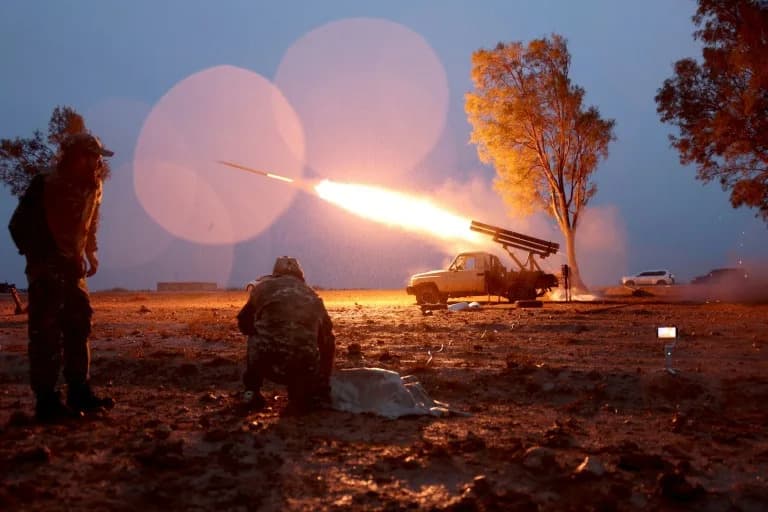
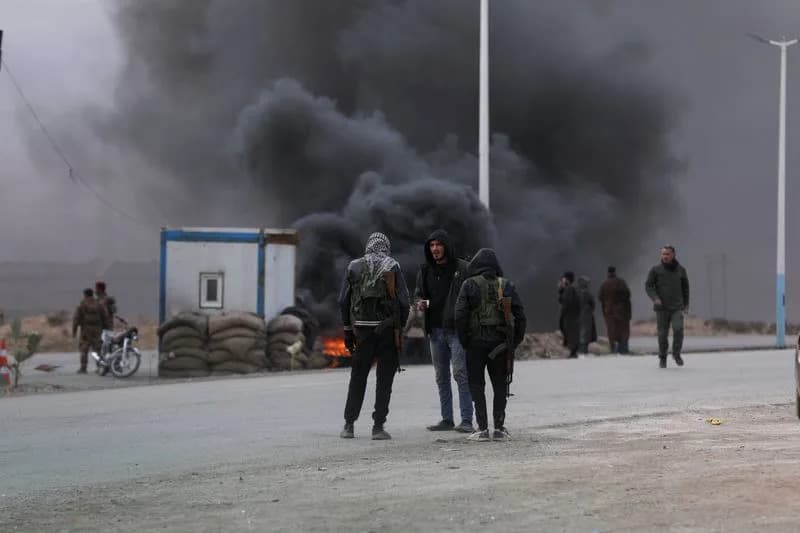
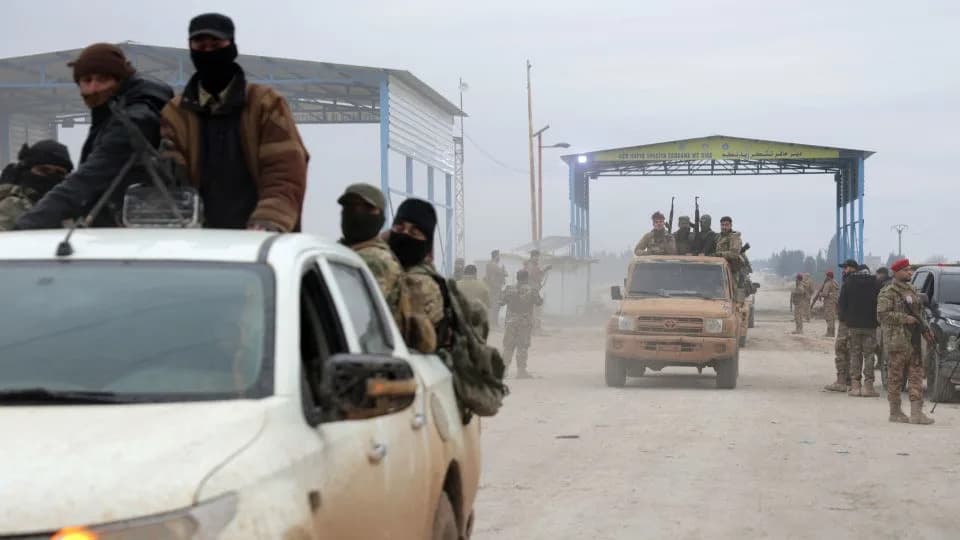
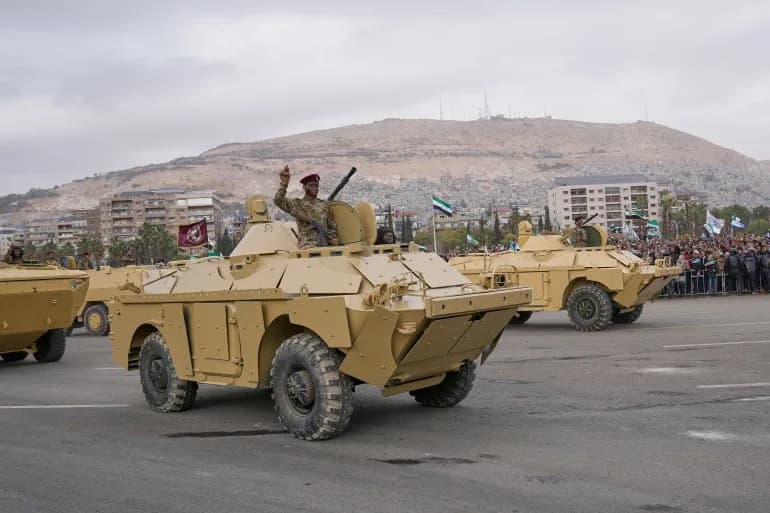
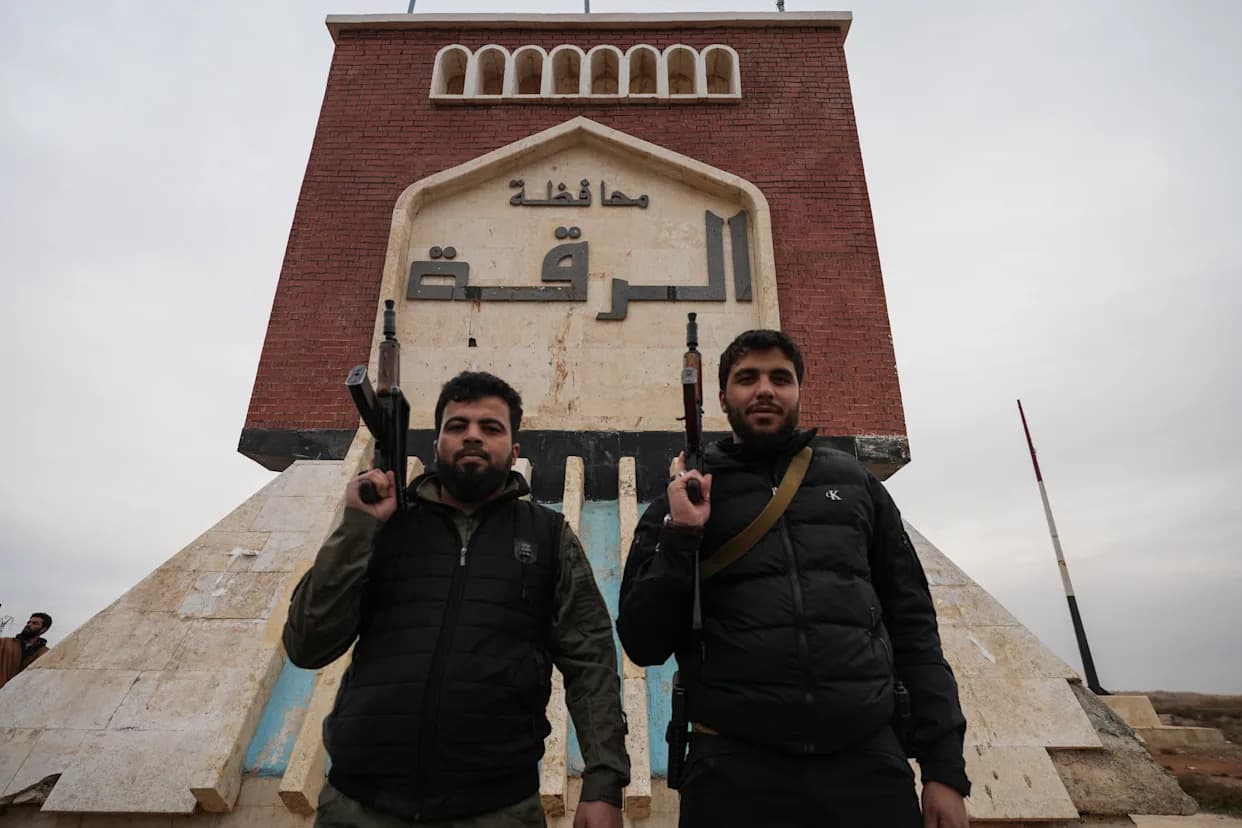
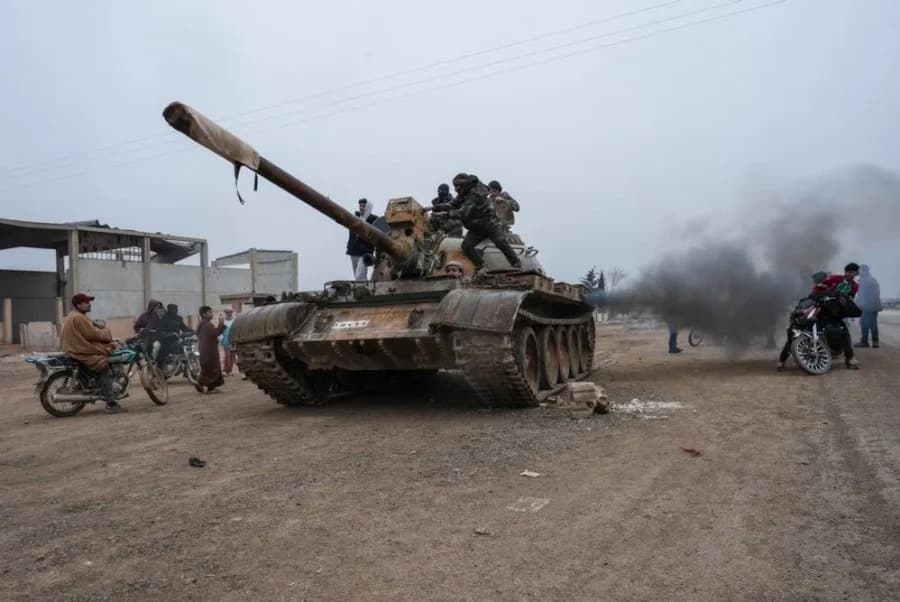
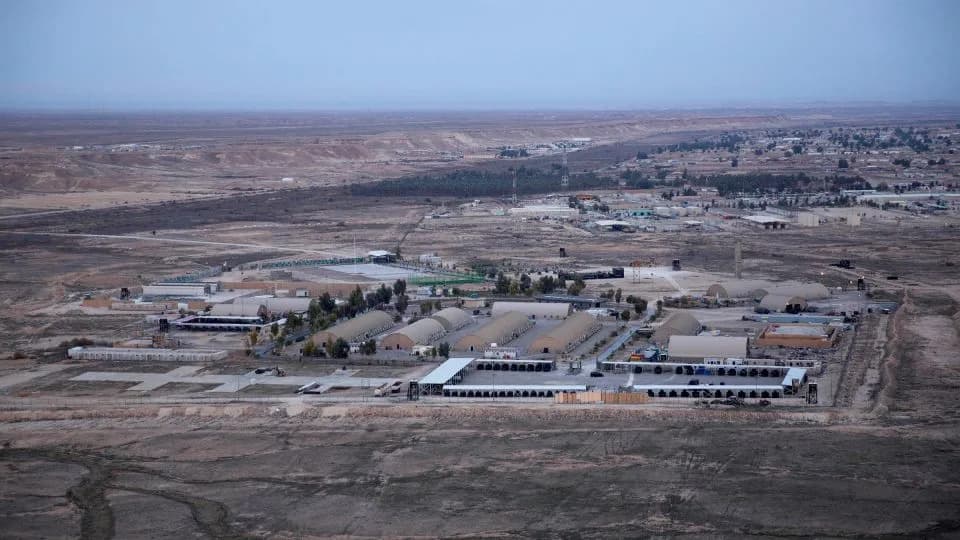
Over a recent weekend, forces loyal to the Syrian government seized control of the al-Omar oilfield and the Conoco gas complex in Deir Az Zor governorate, and took the Tabqa Dam in Raqqa governorate. Announced as a military success, the operation carries implications that extend well beyond frontline maps: it touches Syria’s political economy, the bargain between state and citizen, and the fragile framework for reconciling formerly hostile actors.
Official Deal With the SDF
The Kurdish-led Syrian Democratic Forces (SDF), which previously administered much of northeastern Syria, quickly faced a changed reality. By Sunday evening, President Ahmed al-Sharaa announced that a deal had been reached with the SDF allowing state institutions to enter Hasakah, Deir Az Zor and Raqqa.
“State institutions will enter the three eastern and northeastern governorates — Hasakah, Deir Az Zor and Raqqa,”
Why These Assets Matter
Hydrocarbons and electricity infrastructure have long been both lifeblood and leverage in eastern Syria. Before the 2011 conflict, oil and gas contributed nearly 20 percent of Syria’s GDP. During the war, fields like al-Omar became central to a fragmented wartime economy — exploited by armed groups and used to fund local militias. Regaining these resources is therefore more than symbolic: it is a necessary step for any credible fiscal recovery.
Tabqa Dam, Syria’s largest hydroelectric facility, controls power and irrigation across much of northern and eastern Syria. Electricity generated there sustains hospitals, schools and industry; controlling the dam means controlling a basic pillar of daily life for millions.
Political and Local Dynamics
In parallel with military moves, a mix of political deals and local tribal realignments reshaped control on the ground. A framework agreement signed in March 2025 between SDF commander Mazloum Abdi and President al-Sharaa envisaged integrating the SDF into state institutions while protecting local governance and Kurdish rights. The pact was framed by its authors as a pathway toward unity, though implementation lagged and territorial and administrative disputes widened.
Damascus invested heavily in courting Arab clans in Deir Az Zor and Raqqa who had grown disaffected with Kurdish-led administration. Tribal leaders publicly voiced frustration at delays in implementing the March agreement, and tribal realignment — together with reduced external backing for the SDF — opened avenues for Damascus to reassert authority east of the Euphrates.
Regional Shifts
Changes in foreign policy and regional posture also shaped the outcome. The United States narrowed its role primarily to counter-ISIL operations, diminishing previous levels of military backing for the SDF. Turkey, consistently wary of an autonomous Kurdish force on its border, welcomed the Syrian government’s moves and publicly supported the agreement. With major external actors recalibrating, Damascus found more room to consolidate control.
Economic Reality: Damage, Decline and the Road to Recovery
Experts stress that control of energy assets does not automatically translate into immediate economic recovery. The al-Omar field’s output collapsed from pre-war peaks to roughly 14,200 barrels per day, down from near 90,000 bpd in its heyday; original reserves were estimated at about 760 million barrels of light crude. Years of fighting, use of resources to fund armed groups, and repeated strikes have inflicted catastrophic damage — estimated in the hundreds of millions of dollars — to core infrastructure.
“The government’s recent takeover reclaims a critically impaired asset; rehabilitation faces immense technical and financial hurdles, underscoring the long-term economic cost of the war,”
Rehabilitating oil and gas fields, restoring the Tabqa Dam’s full generating and irrigation capacity, and reviving distribution networks will require significant international investment, technical expertise and transparent governance. How quickly and effectively authorities rehabilitate facilities, manage assets and reduce corruption will determine whether gains translate into improved electricity access, lower prices and better services.
Human Impact and What Comes Next
Thousands have been displaced from Raqqa, Tabqa and other towns in the region. Kurdish populations now face tension between promises of guaranteed citizenship and the erosion of the SDF’s political autonomy; Arab tribes recalibrate alliances to protect local interests under renewed state authority. The social contract — fragile before the war — is being renegotiated amid material hardship and political promises.
For unification to be durable, the Syrian government will need to deliver visible improvements in security, inclusion and services. Equally important is rebuilding trust among communities and ensuring that rehabilitation of energy assets benefits local populations rather than entrenching patronage networks.
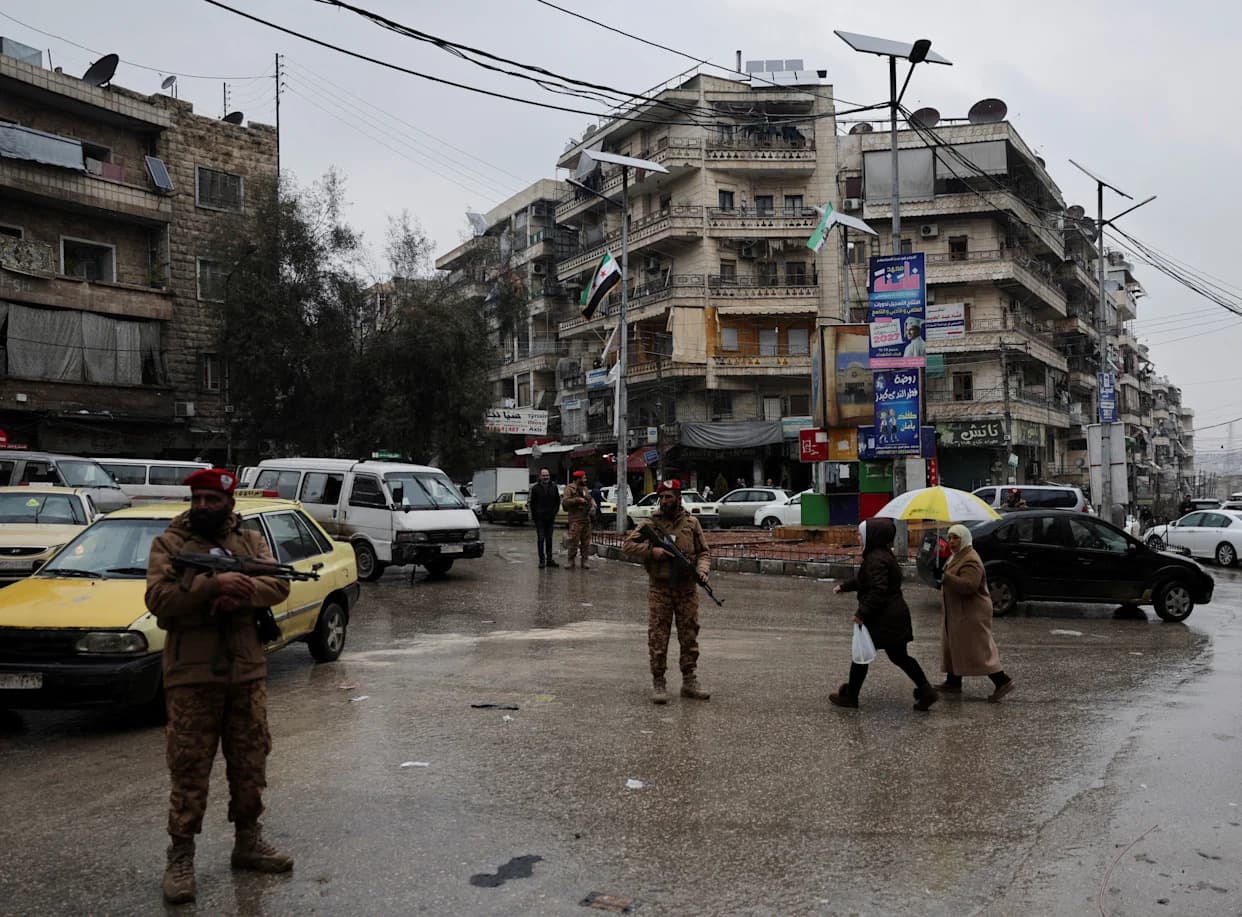
Across Deir Az Zor, Raqqa and Aleppo, energy systems hum unevenly. In the northeast, Syrians live between the promise of a more unified state and the caution bred by years of uncertainty — their future tied to the complex intersection of energy, politics and resilience along the Euphrates.
Help us improve.