
President Trump used year‑end meetings at Mar‑a‑Lago with Ukraine’s Volodymyr Zelensky and Israel’s Benjamin Netanyahu to push ambitious peace initiatives while ordering military strikes in Nigeria and Syria and deploying naval forces near Venezuela. Negotiators discussed a revised 20‑point Ukraine plan that includes a proposed 15‑year U.S. security guarantee, a point of contention as Russia refuses foreign troops. Trump also pressed for progress on the Gaza ceasefire and standing up a reconstruction "Board of Peace," amid criticism over pressure on allies and limited public transparency for military actions.
Trump Doubles Down On Year‑End Foreign‑Policy Gambles — Zelensky, Netanyahu Meetings Amid Military Strikes

President Donald Trump speaks at a campaign event in Rocky Mount, North Carolina, on December 19. - Alex Brandon/AP
President Donald Trump used the final days of the year to intensify a sweeping foreign‑policy push from his Mar‑a‑Lago resort, hosting Ukrainian President Volodymyr Zelensky and receiving Israeli Prime Minister Benjamin Netanyahu as he seeks breakthroughs in Ukraine and Gaza while ordering military operations in multiple regions.
Mar‑a‑Lago Becomes A Diplomatic Hub
Mar‑a‑Lago in South Florida has emerged as the site of high‑stakes diplomacy. Trump held a summit with Zelensky on Sunday and was scheduled to meet Netanyahu on Monday. Both meetings are part of a broader effort by the administration to claim credit for major peacemaking initiatives as the president seeks to shape his global legacy.
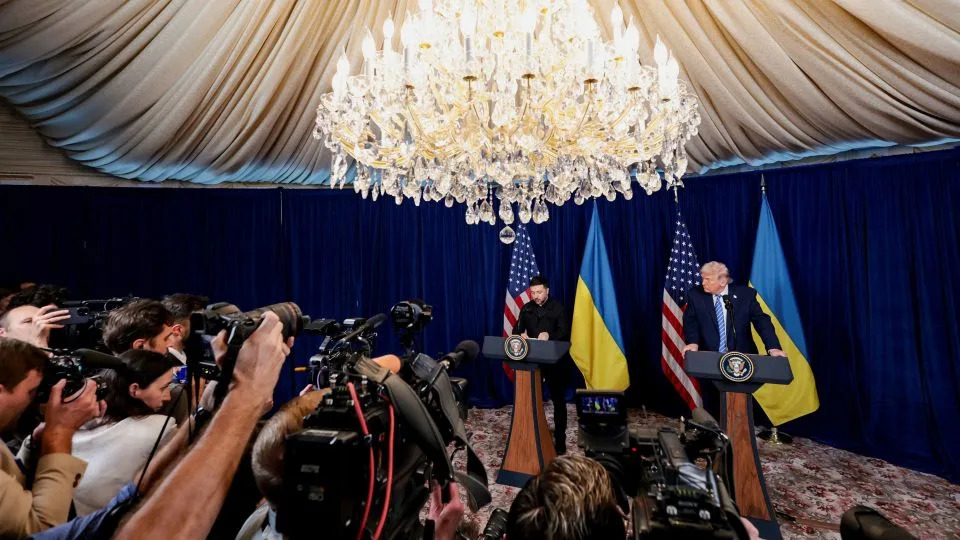
Ukrainian President Volodymyr Zelensky and US President Donald Trump hold a press conference after their lunch meeting at Trump’s Mar-a-Lago club in Palm Beach, Florida, on Sunday. - Jonathan Ernst/Reuters
Ukraine: A Revised 20‑Point Plan And Tough Tradeoffs
After the summit with Zelensky, Trump described a revised 20‑point peace plan as making “a lot of progress” and said the parties were getting “maybe very close.” The plan reportedly includes a U.S. security guarantee for 15 years; Zelensky said he asked Trump to consider extending that timeframe to "30‑40‑50 years."
The core dilemma remains: can Kyiv accept terms that Moscow will also live with? U.S. and European negotiators have pressed Ukraine to consider concessions on strategically important areas of the eastern Donbas, including proposals for a free economic zone — a move that has generated strong domestic resistance in Ukraine and angered critics who say the country would be pressured to yield after an unprovoked invasion.
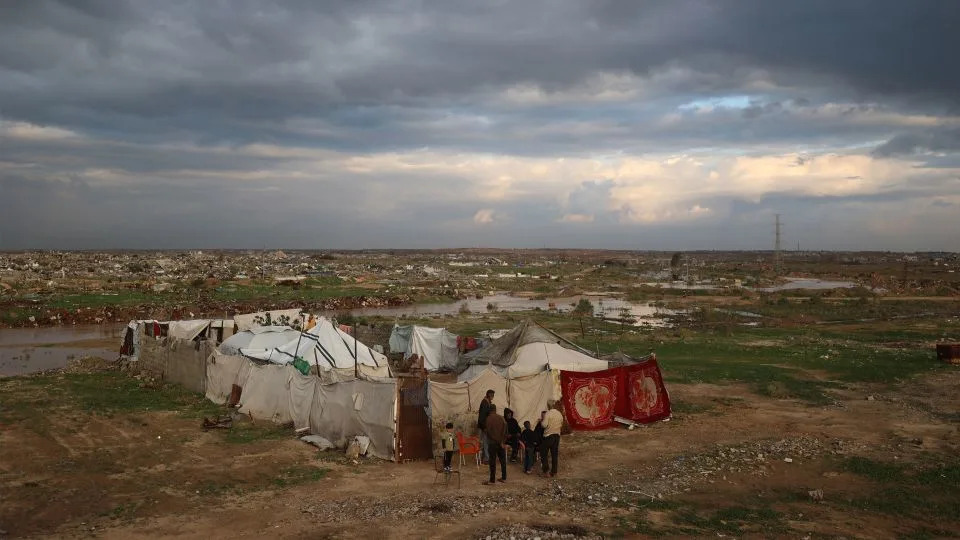
Displaced Palestinians stand outside a tent shelter following heavy rains in the Nuseirat refugee camp, in central Gaza, on December 13. - Eyad Baba/AFP/Getty Images
Key obstacle: Russia has refused to accept foreign troops on Ukrainian soil, a measure Kyiv and many European governments deem essential to credible security guarantees.
Gaza Ceasefire: Moving To Phase Two
Trump is also pushing to accelerate the second phase of the Gaza ceasefire that paused large‑scale fighting in October. Next steps include establishing a "Board of Peace," which Trump would chair, to oversee Gaza’s reconstruction after the devastating war that began with Hamas’ Oct. 7, 2023 attacks. Progress on assembling an international security force to disarm Hamas and facilitate reconstruction has been limited.
The humanitarian situation in Gaza is dire: hundreds of thousands displaced, many living in tents amid cold weather and heavy rains. The ceasefire is holding but fragile; without concrete advances on security and reconstruction, the truce could unravel.
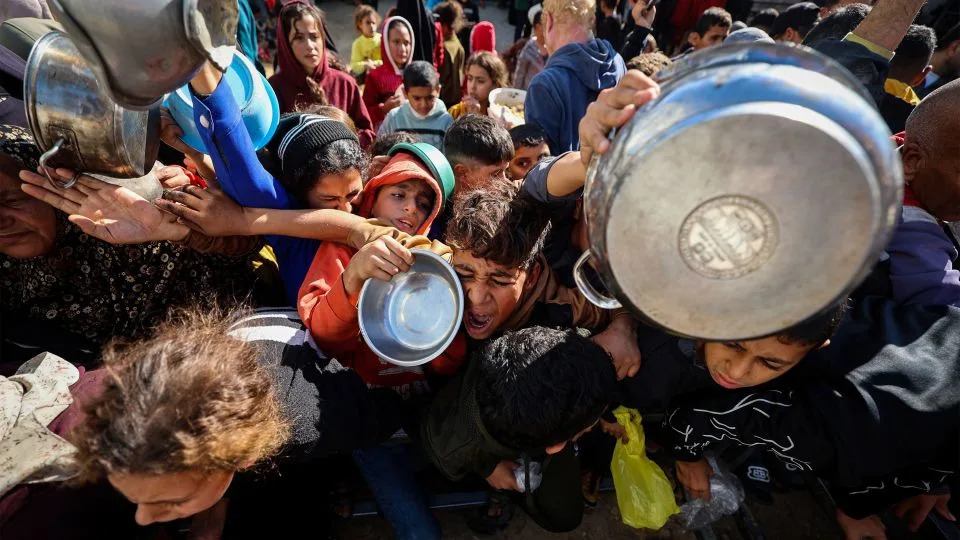
Displaced Palestinians gather to receive food portions at a charity kitchen in the Nuseirat refugee camp on December 20. - Eyad Baba/AFP/Getty Images
Military Actions: Nigeria, Syria And Venezuela
The diplomatic push followed an active holiday period of military moves ordered by Trump. On Christmas Day he announced U.S. strikes in Sokoto State, northwest Nigeria, saying they targeted "ISIS Terrorist Scum" accused of persecuting Christians. U.S. Africa Command said the strikes were conducted in coordination with Nigerian authorities and assessed that multiple ISIS fighters were killed. Defense Secretary Pete Hegseth signaled there may be "more to come."
Days earlier, the U.S. struck ISIS targets in Syria in response to an attack that killed two U.S. soldiers and a civilian interpreter. Separately, a U.S. naval force has operated off Venezuela to help enforce a blockade on sanctioned oil tankers amid pressure on President Nicolás Maduro; at least one vessel was pursued into international waters.
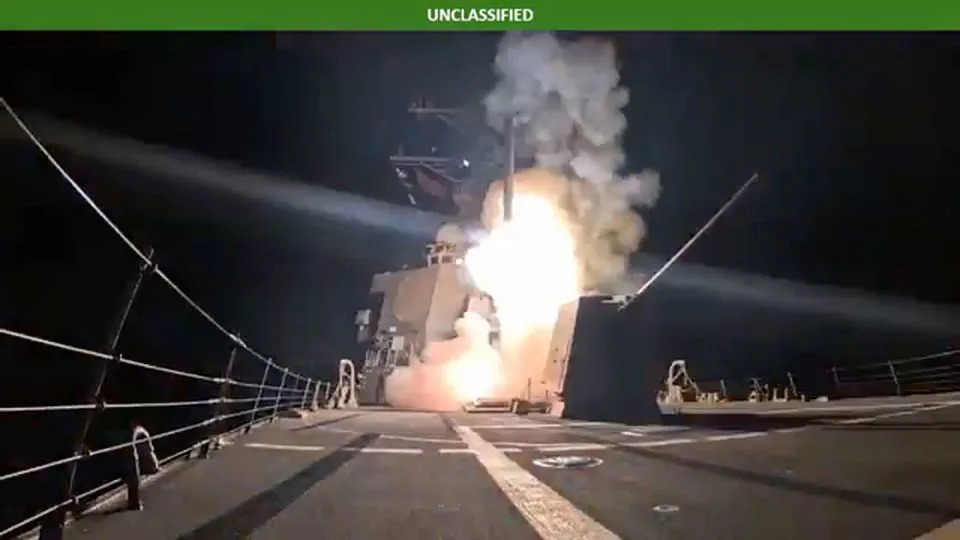
An image taken from video released by the US Department of Defense shows the strike on what President Donald Trump called "ISIS Terrorist Scum" on December 25. - Dept. of Defense
Analysts caution the security environments in places like Nigeria are complex — involving Islamist militants, tribal violence and criminal networks — and warn against simplistic, black‑and‑white portrayals of local dynamics.
Political Stakes, Criticism And Risks
Trump’s year‑end maneuvers come at a politically sensitive moment: he is working to consolidate support at home amid divisions in the MAGA movement and weakening economic approval. Critics say his pressure on allies risks forcing concessions that could shortchange justice or long‑term security, and they note limited public explanation of some military actions, which raises concerns about transparency and congressional oversight.
Supporters argue Trump’s personal relationships and unconventional style may be the only way to compel difficult parties to the negotiating table. But the success of any deal will hinge on sequencing, precise language, enforcement mechanisms and credible security guarantees — all of which remain unresolved.
What Comes Next
Expect the administration to press on with intensive negotiations around the technical details of the Ukraine proposals and to push Israel toward implementing the next phase of the Gaza agreement. On the military front, the White House has signaled willingness to continue targeted operations abroad. Observers will watch for whether Russia shifts its position, whether an international security force for Gaza is assembled, and how domestic politics in Ukraine and Israel shape any final agreements.
Note: This article was updated to reflect additional details on the meetings, proposed guarantees, and recent military actions.


