The US extraction of Venezuelan President Nicolás Maduro — preceded by strikes on Buk-2MA air-defence systems Russia supplied — has left President Vladimir Putin publicly silent despite Moscow’s condemnation. Analysts say the episode damages Putin’s prestige but may reflect a shifting global order in which force helps define spheres of influence. Experts also warn Moscow may tighten security and reassess its commitments in Latin America while weighing longer-term strategic gains closer to home.
‘Closing His Eyes’: Why Putin Has Stayed Silent After the US Extraction of Nicolás Maduro
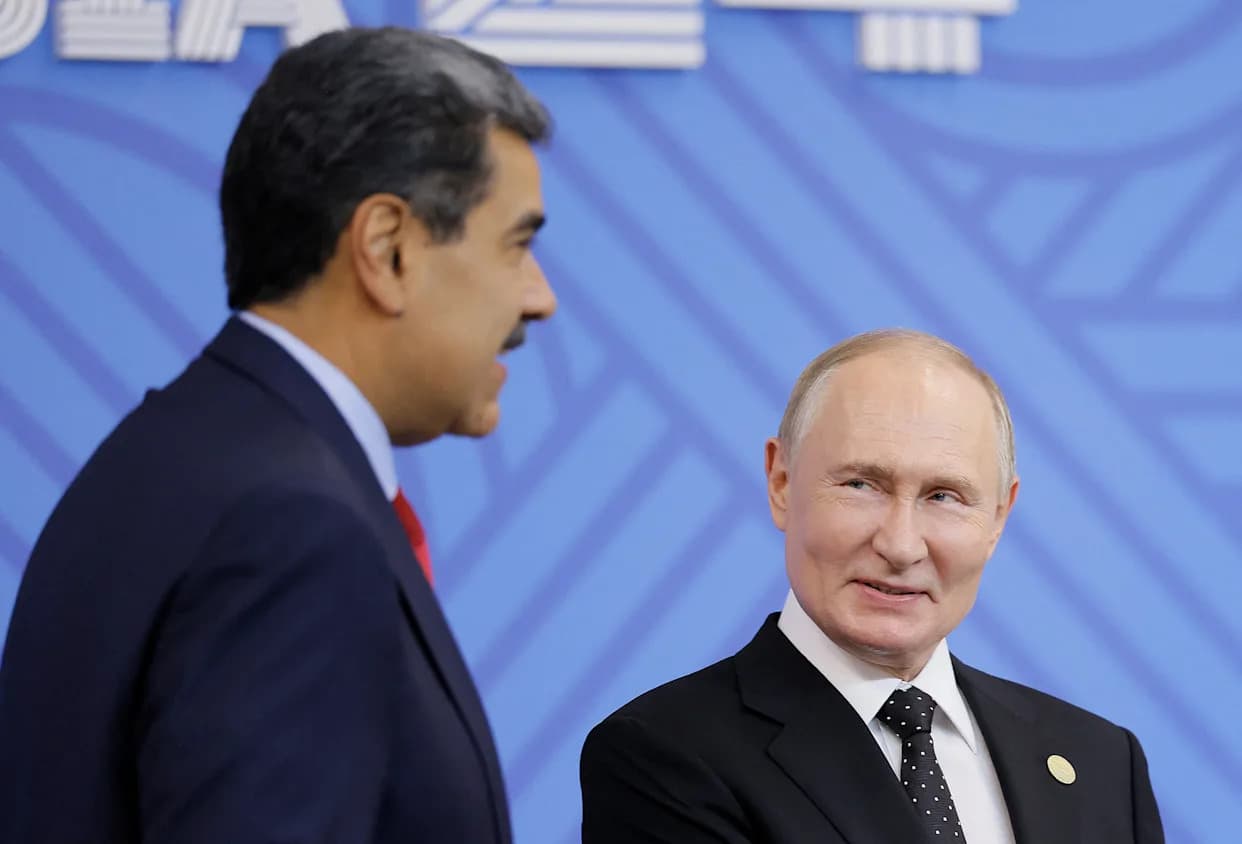
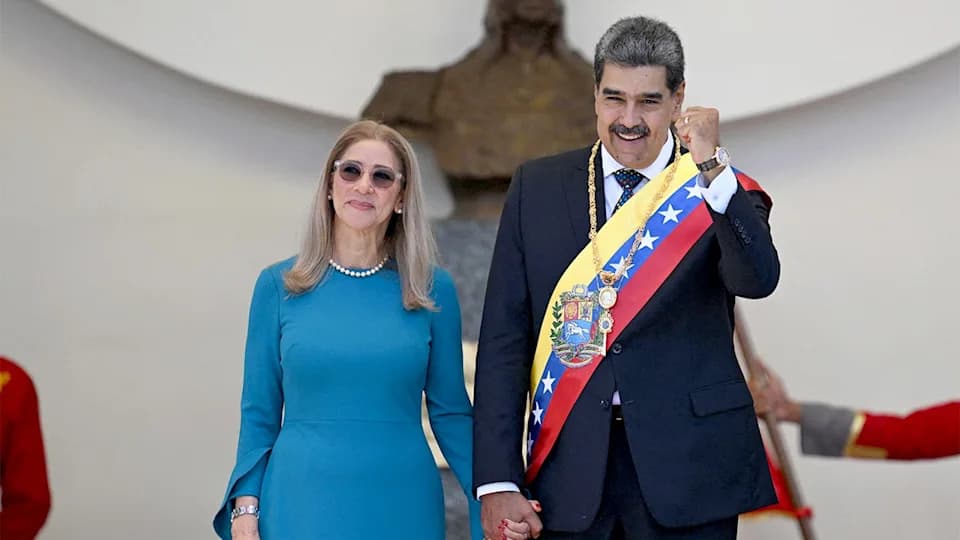
Russian President Vladimir Putin, right, greets Venezuelan President Nicolas Maduro at the BRICS summit in Kazan, Russia, on October 23, 2024 [Maxim Shemetov/Pool/Reuters]
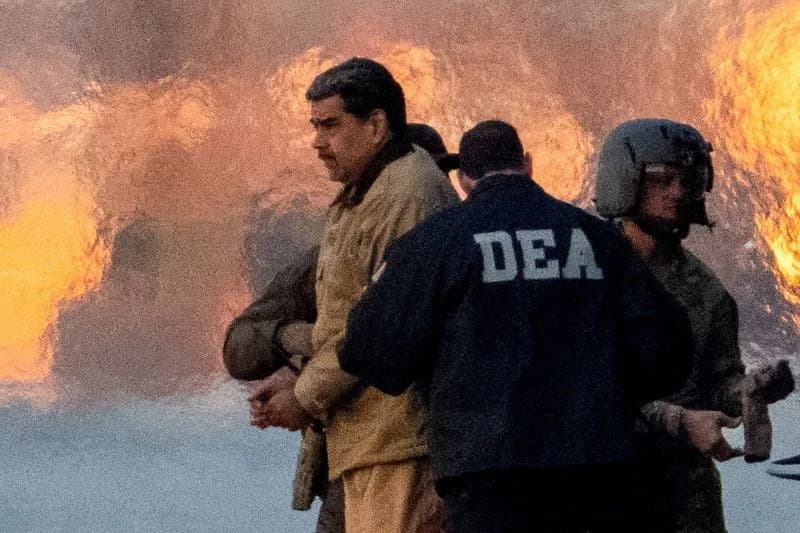
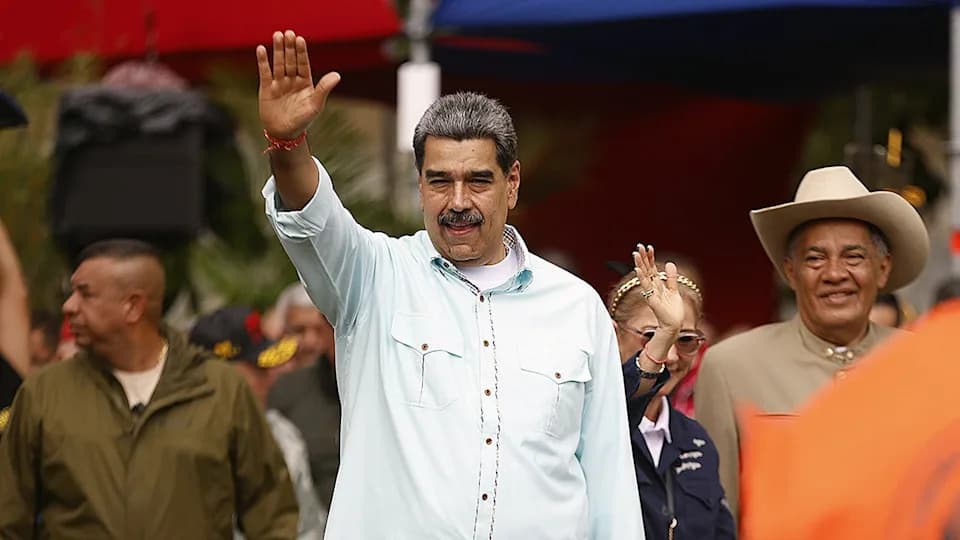
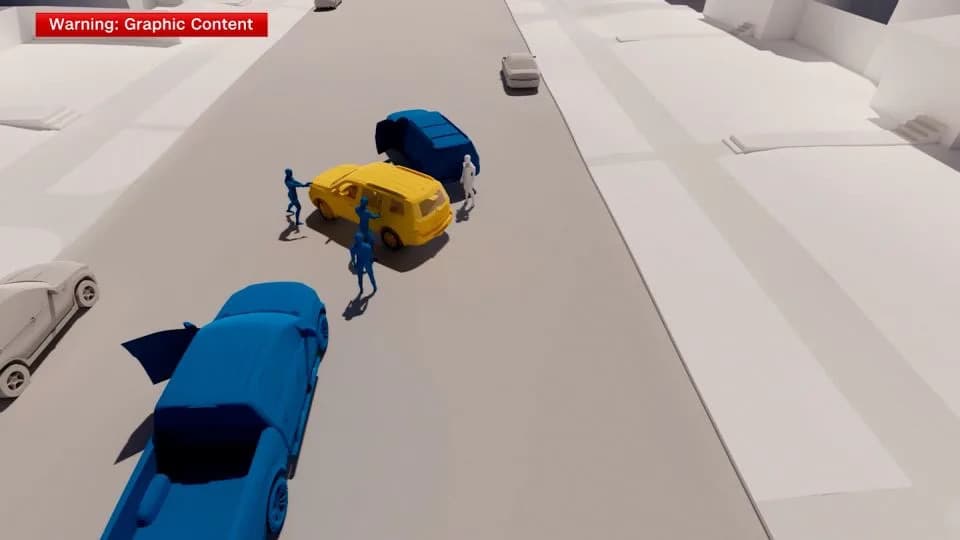
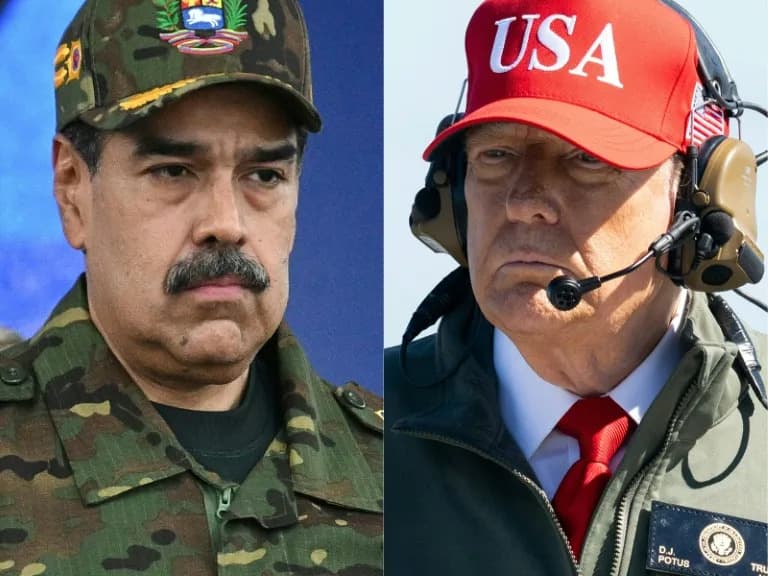
A viral meme on Russian social networks showing President Vladimir Putin alongside the slogan "We don’t give up on our own" has resurfaced after US Delta Force commandos removed Venezuelan President Nicolás Maduro from his residence and took him to New York to face drug-trafficking charges. The operation — which US forces say was preceded by strikes on Buk-2MA air-defence batteries and radar systems that Russia supplied to Caracas — has provoked an unusually muted public response from the Kremlin.
What Happened
According to reports, US special forces extracted Maduro and transported him to the United States; he is now in custody awaiting trial on drug-trafficking accusations. US strikes reportedly damaged Buk-2MA systems and radar installations that Moscow had helped deploy at Venezuelan ports and airports as part of its declared strategic partnership with Caracas.
Why Russia Hasn’t Responded Militarily
Although Russia’s Foreign Ministry condemned the capture as an "unacceptable act of armed aggression," President Putin has remained publicly silent and has not signaled any immediate military retaliation. Analysts point to the limited and ambiguous language of the Russia–Venezuela defence cooperation arrangements, which did not clearly obligate Moscow to respond with force in the event of a foreign operation on Venezuelan soil.
"On the one hand, Putin’s prestige and reputation suffered a blow as Maduro was his most loyal ally in Latin America," said Alisher Ilkhamov, head of the Central Asia Due Diligence think tank in London. "Far more important to Putin is that with his actions, Trump is establishing a new world order."
Broader Implications
Observers told Al Jazeera the episode could have a twofold effect: an immediate dent to Moscow’s international prestige, and a longer-term strategic benefit if Washington’s willingness to use force creates de facto spheres of influence that allow Russia more freedom in parts of the post-Soviet space, including energy-rich Central Asia. Some commentators have speculated the two leaders may have discussed limits on interference during earlier meetings, including the August Anchorage summit, though concrete evidence of a formal deal has not been produced.
Analysts also warned of domestic and operational consequences for Russia. Kremlin watchers say Moscow may redouble internal security measures after concerns that an insider in Maduro’s circle may have supplied information to US intelligence. Some experts even suggest the boldness of the operation could inspire reciprocal thinking in Moscow about covert actions against political targets abroad.
Historical Context
Russia’s relationship with Venezuela stretches back to ties forged with Hugo Chávez in the early 2000s. Caracas paid for Russian weaponry and technical assistance, and Russian technicians helped with heavy-oil processing. Over time, however, technological limits and economic mismanagement contributed to declines in Venezuelan oil production and an exodus of technical experts.
Maduro repeatedly sought Russian military and financial support in recent years. In October, The Washington Post reported he requested missiles, repairs for Su-30 fighters, radars and a financing plan; it was unclear whether Moscow responded.
Reaction at Home and Abroad
Pro-Kremlin media have framed the operation as another example of US "imperialism," while other analysts argue that accepting the risk of losing a Latin American ally may be a calculated trade-off if it secures greater freedom of action for Russia closer to home. The debate underscores a shifting geopolitical environment in which the use of force, diplomacy and tacit understandings all intersect.
Key takeaway: Maduro’s extraction is both a symbolic blow to Putin’s network of international allies and a test of how far Moscow will go to protect partners when the strategic costs of intervention appear high.
Help us improve.