The Gullah Geechee community of Hogg Hummock on Sapelo Island won a landmark citizen referendum rejecting a proposed zoning change that would have raised allowed home sizes from 1,400 to 3,000 sq ft. Nearly 85% of 1,869 voters opposed the amendment, citing fears of developer-driven displacement, rising taxes and damage to the island’s sensitive marsh ecology. The vote follows a Georgia Supreme Court decision permitting the referendum and occurs amid ongoing lawsuits over land rights and allegations of discriminatory zoning.
‘I Ain’t Goin’ Nowhere’: Sapelo Island’s Gullah Geechee Community Wins Historic Referendum to Block Larger Vacation Homes
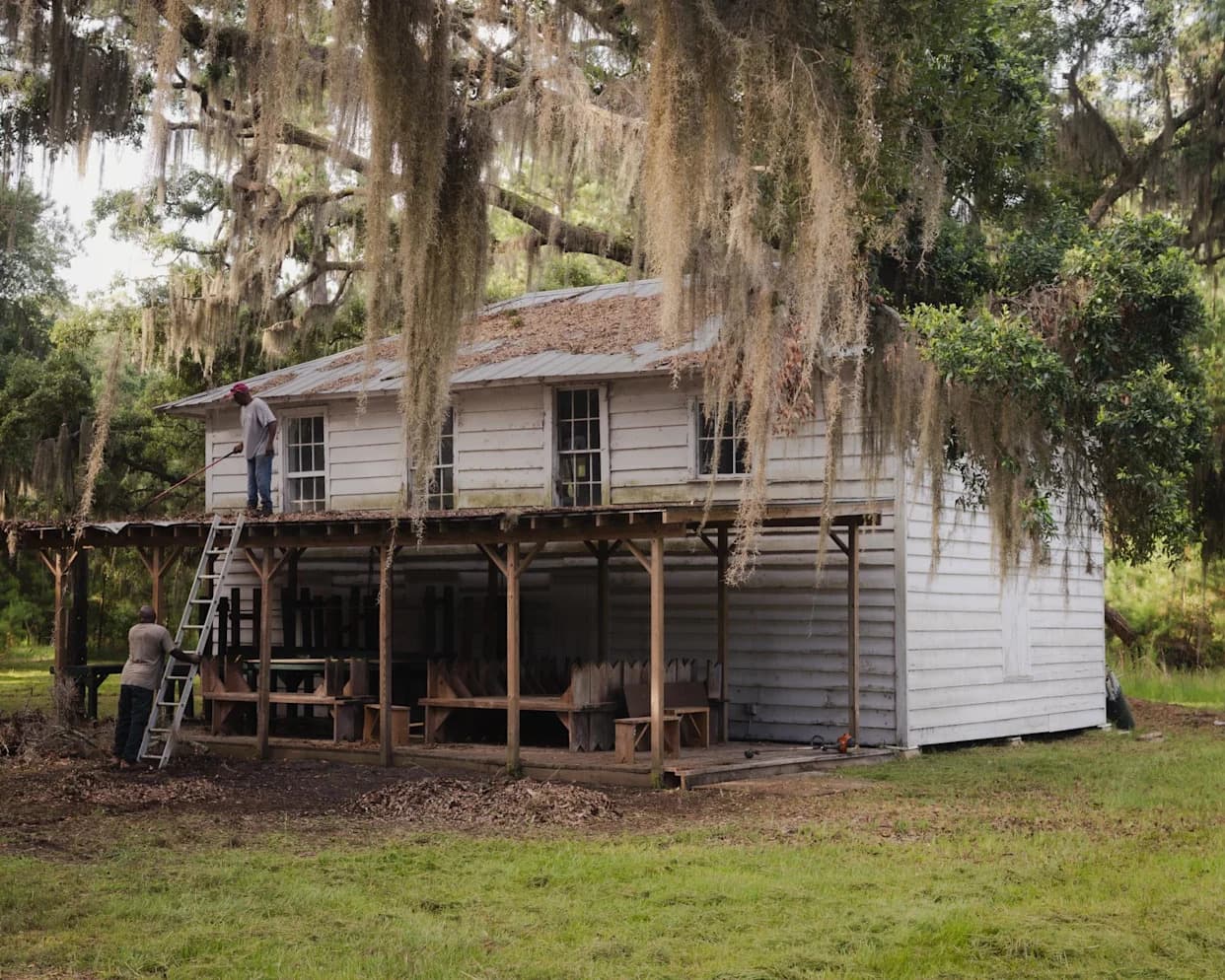
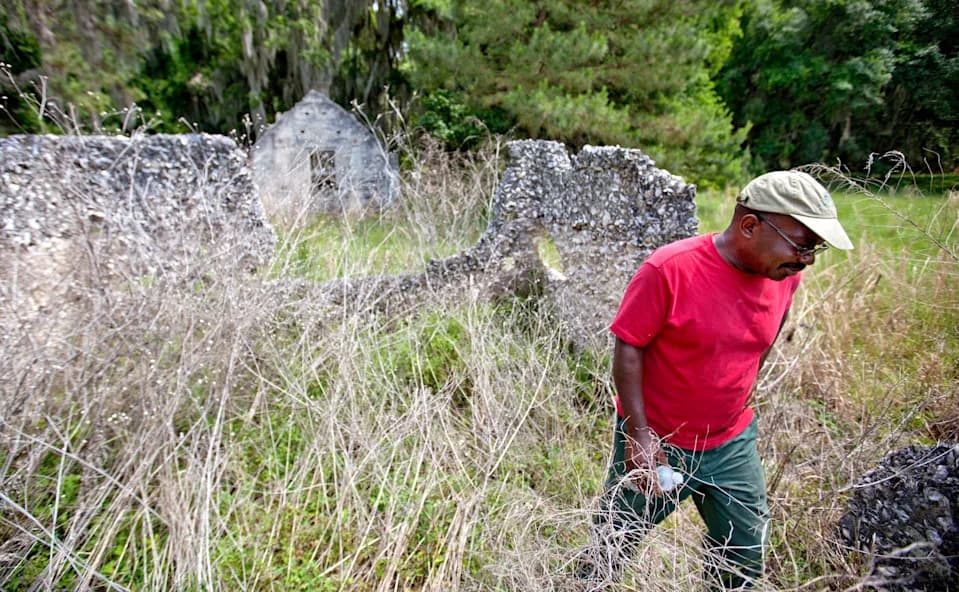
Maintenance work is done on a modest home on Georgia’s Sapelo Island. A referendum allowed residents to vote on a zoning amendment increasing the amount of residential square footage permitted.Photograph: Joshua Parks/The Guardian(Photograph: Joshua Parks/The Guardian)
Ire Gene Grovner stood behind his modest home on a recent morning—between chicken coops on one side and rows of winter collards on the other—holding a knife as he skinned a raccoon nailed to a post. "The meat is good roasted," Grovner said, nodding to the collards and the chickens and their eggs. "If you ain’t lazy, you can live good here," he added, describing life on Sapelo Island off the coast of southern Georgia.
He swept a hand across the area, indicating the small houses nearby, many occupied by relatives who share his surname and, Grovner, 70, says, trace their roots back nine generations on Hogg Hummock.
Historic Vote Protects A Fragile Community
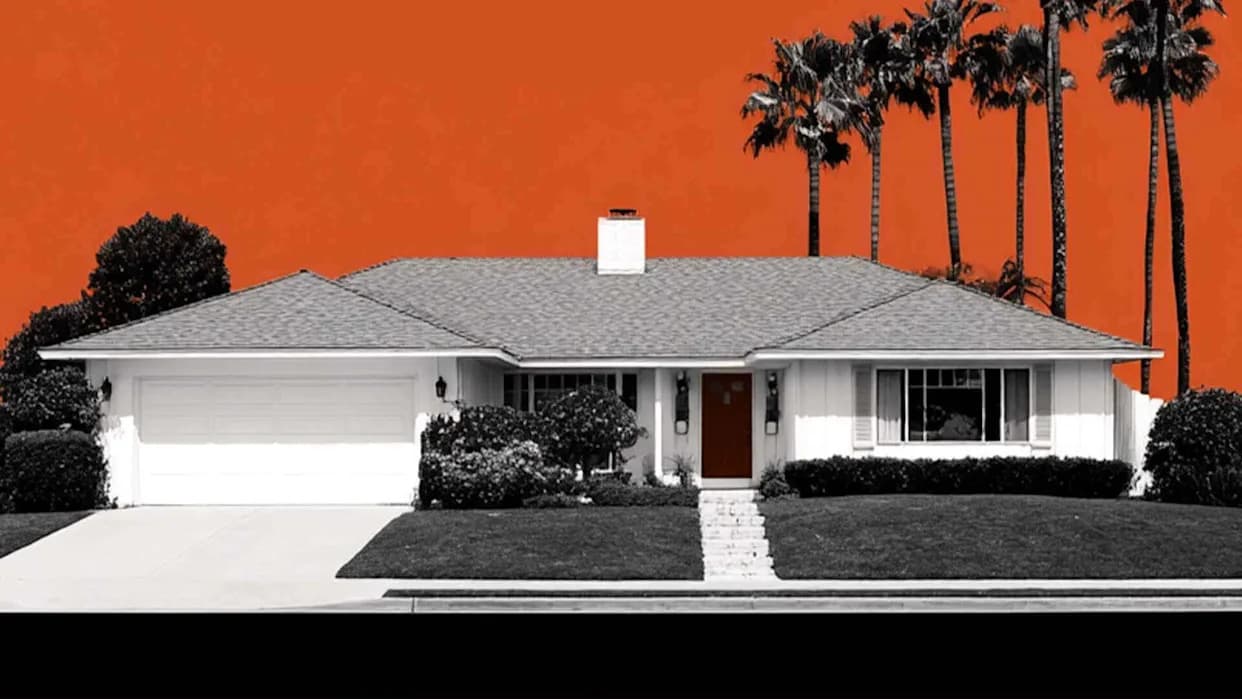
On Tuesday, McIntosh County voters delivered a decisive rejection of a proposed zoning amendment that would have increased the maximum permitted residential size in Hogg Hummock from 1,400 to 3,000 square feet. Unofficial results showed nearly 85% of 1,869 voters opposed the change. The referendum was triggered after more than 2,000 registered voters in the county signed petitions asking for a public vote.
Opponents argued that allowing much larger homes would invite outside developers, drive up property values and taxes, and risk displacing the remaining Gullah Geechee families—altering both the island’s cultural fabric and its environment.
Gullah Geechee Roots And Threats
Hogg Hummock is one of the last sea-island communities in Georgia inhabited by members of the Gullah Geechee people, descendants of enslaved West Africans who worked rice, indigo and cotton plantations from North Carolina to Florida. After emancipation, many freed Black people were granted land in Hogg Hummock in part because marshy areas were seen as less desirable. Today Sapelo’s year-round Gullah Geechee population has dwindled to roughly 30–40 residents from about 500 in the early 20th century.
"All that’s family," Grovner said. "All those people who want to build houses here ain’t gonna close me in."
Legal Battles And Wider Implications
The referendum followed a September Georgia Supreme Court decision that allowed the citizen-initiated vote after the county had mounted legal challenges arguing zoning decisions were not subject to the state’s referendum provisions. The campaign and its legal hurdles have national resonance: citizen-initiated referendums are rare in the South, particularly in places with histories of denying political power to formerly enslaved communities.
Legal fights on the island continue. Ire Gene Grovner is involved in a 2024 lawsuit claiming the state improperly seized dozens of acres in an area called Raccoon Bluff, a 698-acre tract once home to Gullah Geechee families; his family deed records date to 1875. The Southern Poverty Law Center has filed a separate suit contending the proposed zoning amendment was discriminatory.
Despite Tuesday’s vote, the immediate regulatory picture remains uncertain. McIntosh County Attorney Adam Poppell has said the referendum’s rejection does not simply revert conditions to the previous 1,400-square-foot cap and instead leaves Hogg Hummock with what he described as "no zoning," a position likely to prompt further litigation. Dana Braun, attorney for the petitioners, warned another lawsuit would be likely if the county pushes that interpretation.
Ecology, Culture And Community Voices
Residents and local scientists stress that Sapelo’s ecological value amplifies the stakes. Nick Macías, assistant operations director at the University of Georgia Marine Institute on Sapelo, called the island "an ecologically important place you don’t find anywhere in the world," noting it is the only Georgia sea island with robust marsh-grass communities, a keystone species for local wetlands.
"Larger houses and more intensive development would increase the island’s carbon footprint and put stress on fragile ecosystems," Macías said. "When it comes to preserving the Gullah Geechee culture, it comes down to the next generation being able to live there."
Other voters who cast ballots during a two-week early voting period shared similar sentiments. A trucker who asked to be identified only as Samuel said he would "fight for it till the end," recalling traditional remedies and family welcomes on the island. Bobby Gene Grovner, who is renovating his home to leave to his daughters, said the pressure from wealthy outsiders is relentless: "These ones who come with a pocketful of money, it ain’t gonna work." Still, he admitted the legal fight is exhausting. "I ain’t got but 40 years left!" he laughed.
After preparing the morning’s raccoon, Ire Gene turned back to his chickens and the small patch of collards. His stance on Hogg Hummock’s future remained simple and resolute: "I ain’t planning on goin’ nowhere."
Help us improve.