Hogg Hummock residents on Sapelo Island have forced a special election to overturn a 2023 McIntosh County zoning change that doubled allowed home sizes from 1,400 to 3,000 sq ft. Supporters fear larger vacation homes will drive up property values and unaffordable taxes for the island's small Gullah‑Geechee community. County assessors are considering a reassessment that could push per‑half‑acre values from about $27,500 to roughly $145,000, and legal fights are likely to continue regardless of the vote.
Sapelo Island Residents Fight to Restore Zoning to Protect Gullah‑Geechee Community
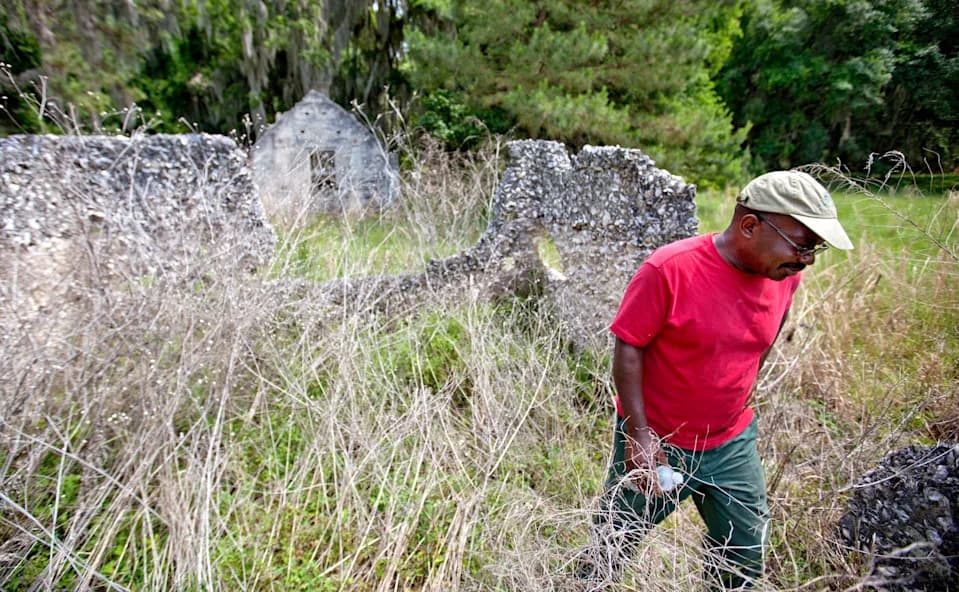
FILE - Ire Gene Grovner walks through remnants of the old slave's quarters at the Chocolate Plantation where his ancestors lived some eight generations ago on Sapelo Island, Ga., on May 16, 2013. (AP Photo/David Goldman, File)(ASSOCIATED PRESS)
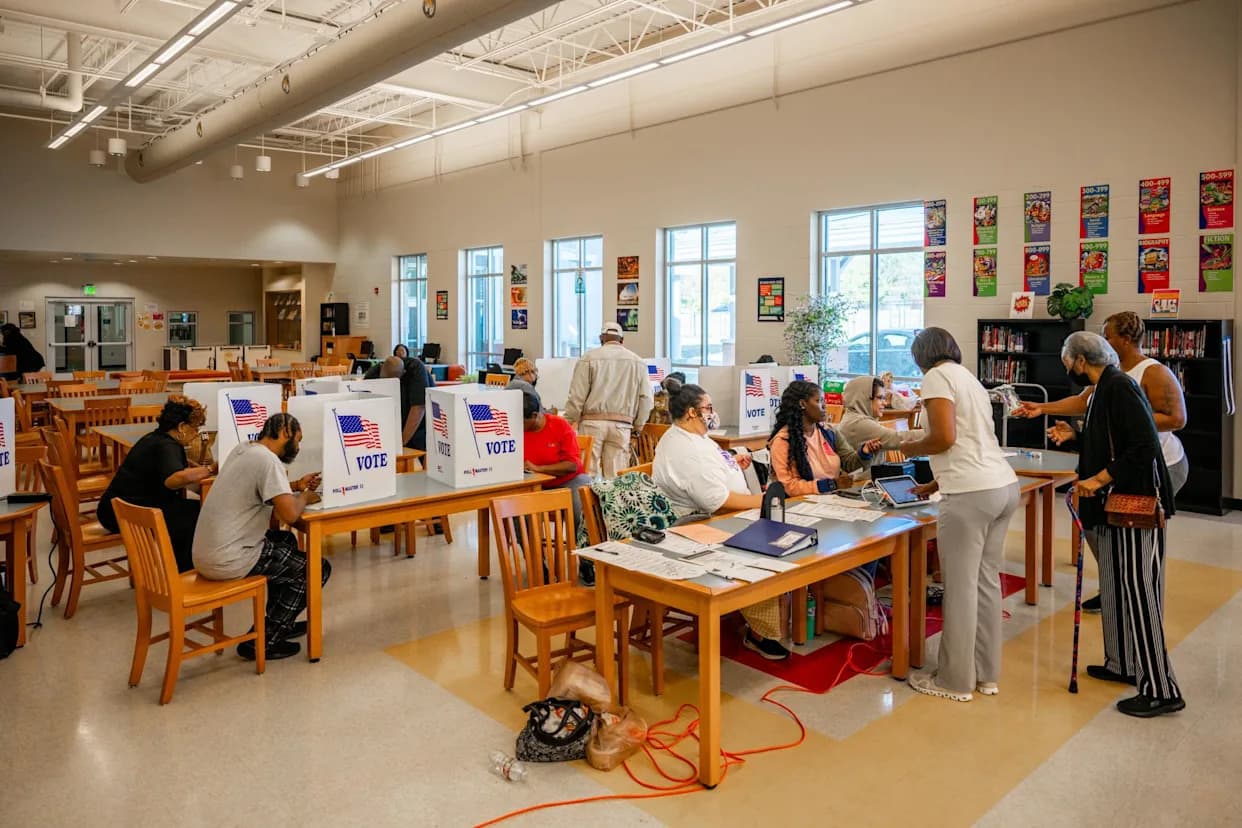
Voters in McIntosh County, Georgia, are deciding whether to restore long‑standing zoning limits that protected Hogg Hummock, a tiny Gullah‑Geechee community on Sapelo Island. The referendum challenges a 2023 county decision that doubled the maximum permitted home size and has heightened fears among Black landowners — many descendants of enslaved people — that rising property values will bring unaffordable tax bills and displacement.
What Led To The Vote
The referendum was launched by island residents after McIntosh County commissioners voted in 2023 to raise the maximum home size in Hogg Hummock from 1,400 to 3,000 square feet. Residents gathered more than 2,300 petition signatures and successfully pressed their case up to the Georgia Supreme Court to force a special election.
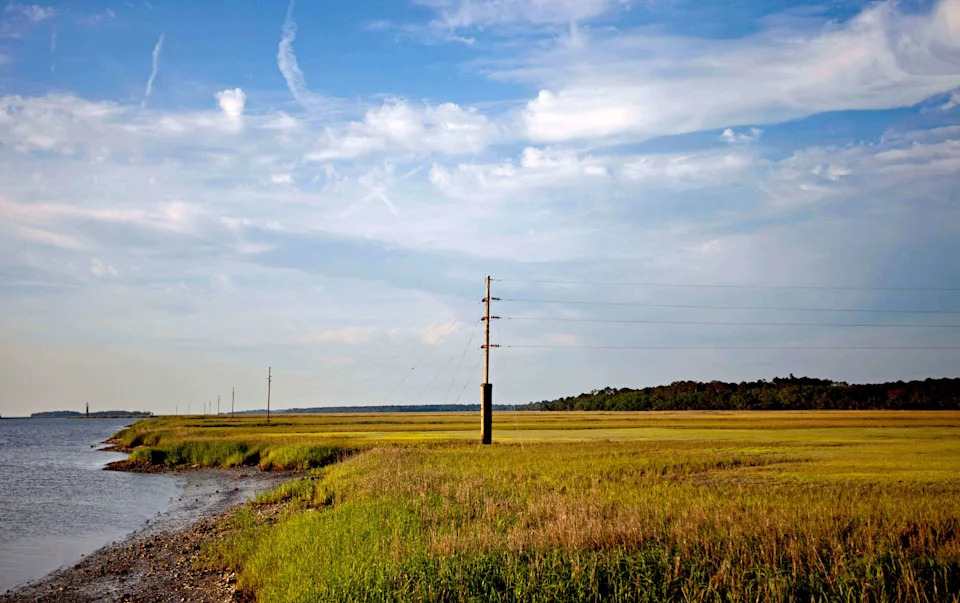
FILE - A utility pole stands in the middle of a marsh at sunset on Sapelo Island, Ga., on May 16, 2013. (AP Photo/David Goldman, File)(ASSOCIATED PRESS)
Concerns Over Taxes, Development, And Heritage
Longtime Hogg Hummock landowners say outsiders have been buying lots and building large vacation homes, driving up land values and threatening the community's ability to remain. County officials argue the zoning change allows more living space for families and have denied any intent to displace Black homeowners, while also criticizing some native owners for selling parcels.
"I strongly believe we’re going to win," said Jazz Watts, a Hogg Hummock descendant and landowner who helped organize the referendum. "What happens next is still kind of a legal question based on what the county does."
Possible Tax Reassessments And Legal Uncertainty
McIntosh County appraisers are weighing a proposal to reassess Hogg Hummock property values for the first time since 2012. Chief appraiser Blair McLinn estimated average per‑half‑acre taxable values could increase from about $27,500 to roughly $145,000 — citing recent sales of nearly 20 half‑acre lots for up to $210,000.
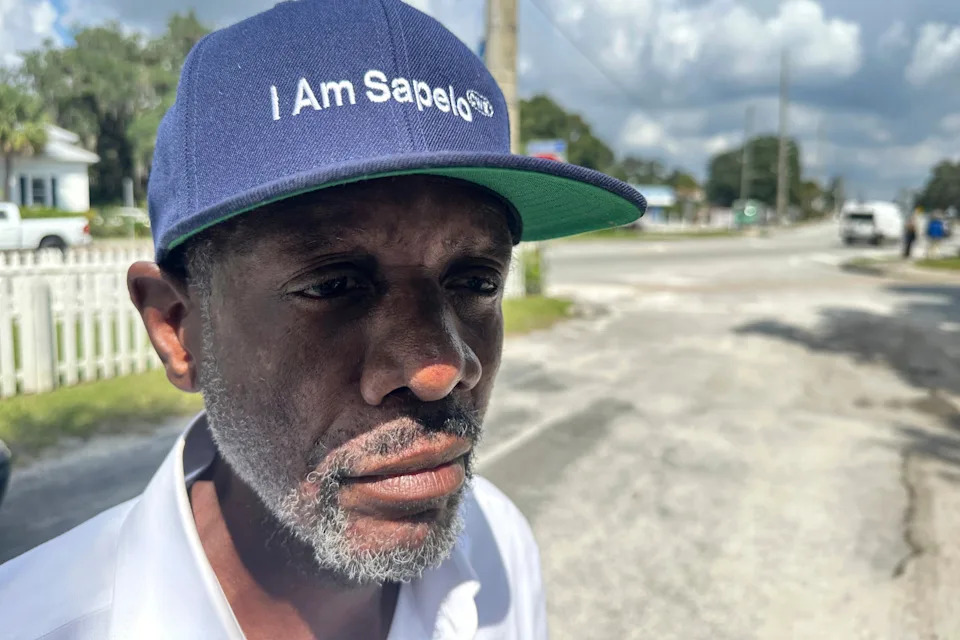
FILE - Jazz Watts, a resident of Sapelo Island, wears a hat that reads "I am Sapelo" outside the McIntosh County courthouse in Darien, Ga., on Friday, Sept. 20, 2024. (AP Photo/Russ Bynum, File)(ASSOCIATED PRESS)
Commissioners have warned that if voters reverse the 2023 zoning decision, the county might treat Hogg Hummock as having no development limits rather than simply reverting to prior restrictions — a stance that could spark further litigation. Dana Braun, an attorney for the Hogg Hummock landowners, called that position "a ludicrous argument" designed to defeat the referendum. Commissioners could also seek a new zoning ordinance or a moratorium on permits while they deliberate next steps.
Community Context
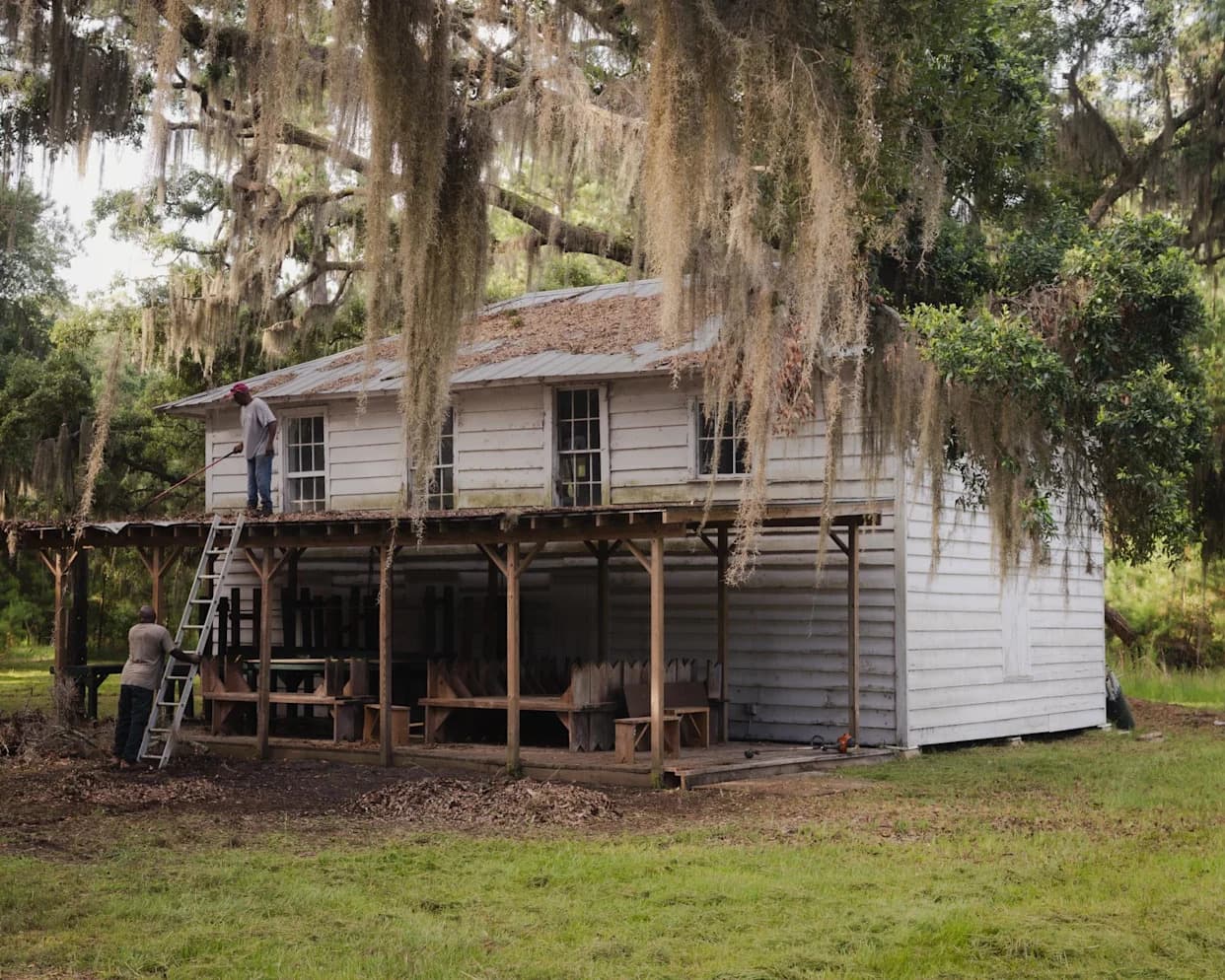
Sapelo Island lies about 60 miles south of Savannah and remains largely undeveloped; the state owns most of its roughly 30 square miles and there are no roads to the mainland. Hogg Hummock (also spelled Hog Hammock) covers less than a square mile and is home to an estimated 30 to 50 Black residents living in modest houses along dirt roads.

FILE - Cathleen Hillary, 93, the oldest resident of Sapelo Island, Ga. leaves a church service with her great granddaughter Milaika Ellison, for the 129th anniversary of St. Luke Baptist Church on the island on Sunday, June 9, 2013. (AP Photo/David Goldman, File)(ASSOCIATED PRESS)
Hogg Hummock — one of the South's remaining Gullah‑Geechee communities — was placed on the National Register of Historic Places in 1996. Residents previously protested steep property tax increases in 2012 that were later rolled back, and a 2022 settlement froze island property assessments through the end of last year.
"People worked hard to get this land on Sapelo and they worked hard to preserve who they are," said Maurice Bailey, an island native who runs a program to expand local farming. "Without this land, all of our descendants lose their connection."
The special election may not resolve the broader legal and political conflicts. Whatever the outcome, Hogg Hummock residents and county leaders are bracing for continued debate over zoning, taxation, and how to protect a culturally significant community as outside interest grows.
Help us improve.