The State of Georgia has appealed a judge's dismissal of RICO conspiracy charges against 61 people tied to protests at the Atlanta "Cop City" training center, potentially prolonging what prosecutors call the largest racketeering case against a social movement in U.S. history. Defendant Francis Carroll separately asked the state supreme court to review a challenge that Georgia's domestic terrorism statute is unconstitutionally vague, a ruling that could curb similar prosecutions nationwide. The case has left defendants in legal limbo — compounded by years-long seizures of personal items and hundreds of unresolved motions — while attorneys and lawmakers across the country watch for broader implications.
Georgia Appeal Could Extend 'Cop City' RICO Case and Reshape Domestic Terrorism Law Nationwide
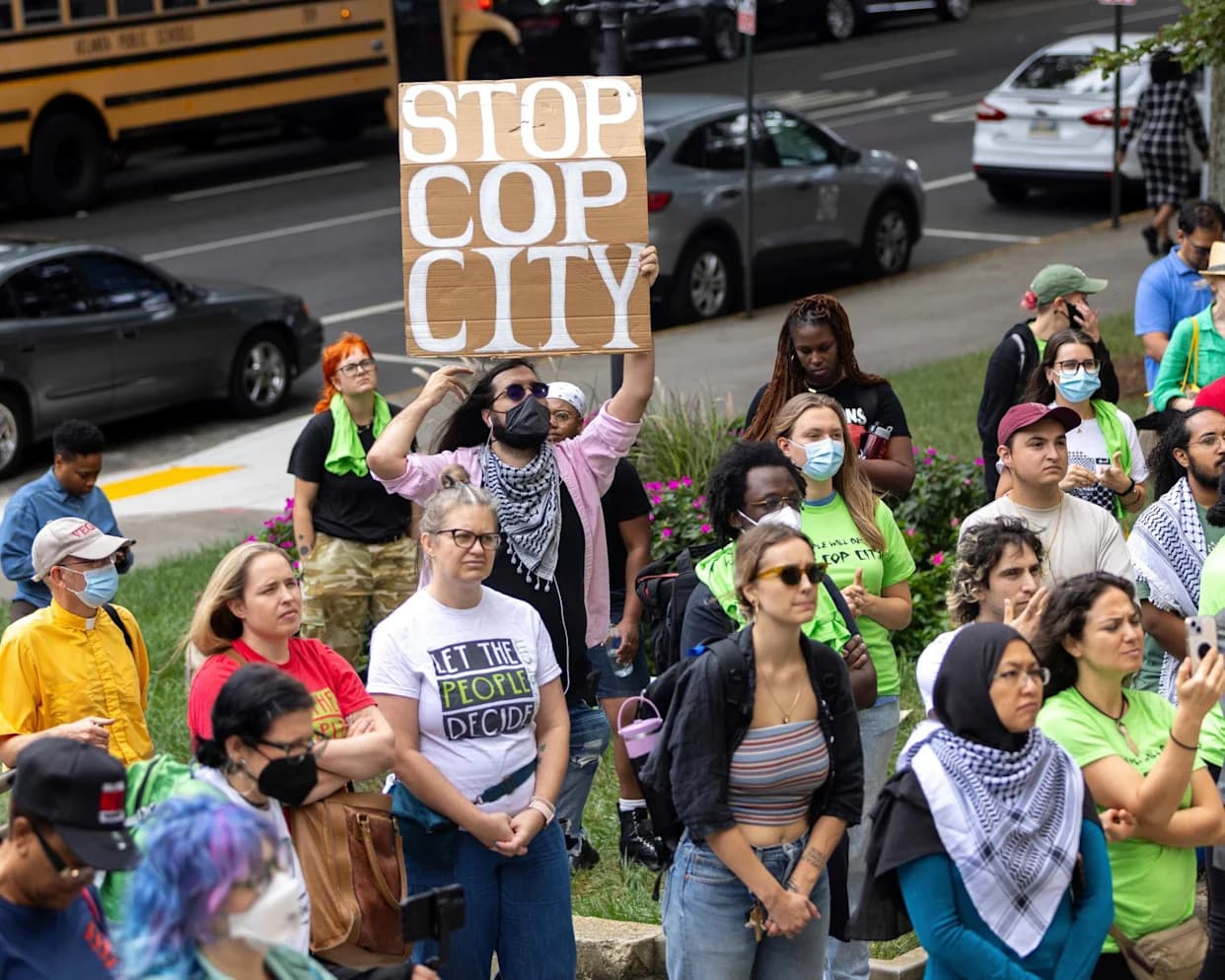
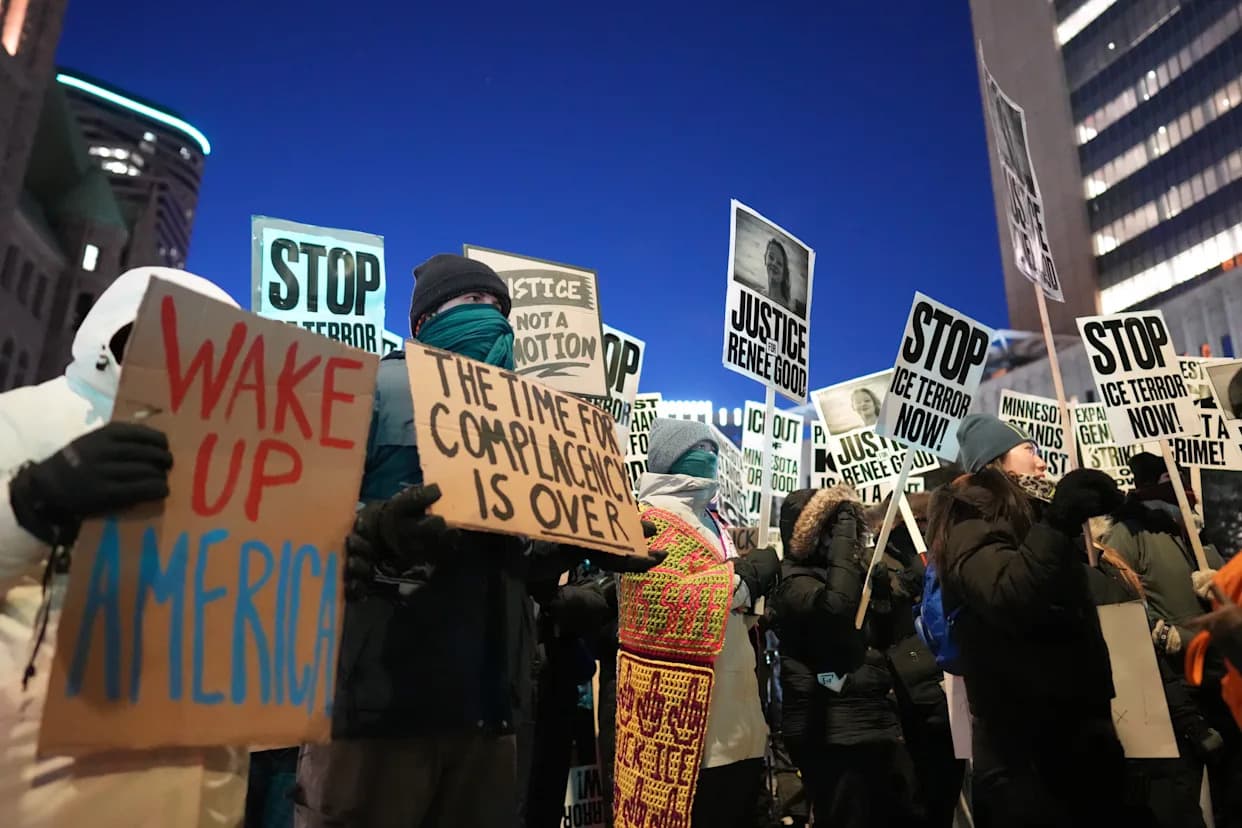
Opponents of ‘Cop City’ police training center protest at city hall in Atlanta, Georgia, on 16 September 2024.Photograph: Arvin Temkar/AP(Photograph: Arvin Temkar/AP)
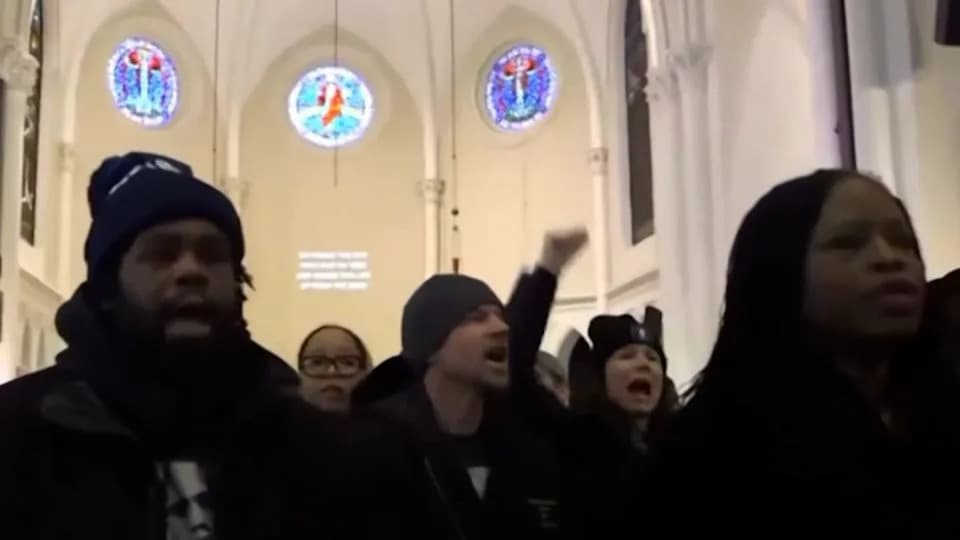
The State of Georgia has appealed a judge's dismissal of RICO conspiracy charges against 61 people accused of opposing the Atlanta police training facility commonly called "Cop City." The appeal could prolong what prosecutors describe as the largest U.S. prosecution using racketeering statutes against a protest movement and may set a legal precedent for how domestic terrorism laws are applied to activists nationwide.
Background
Opposition to the roughly $109 million training center brought together local and national groups concerned about police militarization, deforestation and racial justice. Atlanta police have defended the facility as necessary for "world-class" training and recruitment. In September, former President Donald Trump described some protesters as "antifa" and "domestic terrorists," underscoring the case's national political profile.
Recent Court Actions
Fulton County Superior Court Judge Kevin Farmer dismissed the state's RICO charges on procedural grounds in late December. The decision followed reporting that the judge had exceeded a three-month deadline imposed by state law to issue a written ruling. The state has appealed that dismissal to the Georgia Court of Appeals.
Separately, defendant Francis Carroll petitioned the Georgia Supreme Court to review a challenge arguing that portions of Georgia's domestic terrorism statute are unconstitutionally vague and overly broad and that the law was enacted improperly. Judge Farmer denied that constitutional motion, prompting Carroll's appeal on January 20.
Stakes and Practical Effects
If the Court of Appeals upholds Farmer's dismissal of the RICO counts, the core of the state's case could collapse. Likewise, a favorable ruling for Carroll on the domestic terrorism statute could undercut similar prosecutions in other states. "Prosecutors across the country are going to be watching," said Michael Schwartz, Carroll's attorney.
"This case illustrates the danger of vague criminal laws," said Elizabeth Taxel, a clinical professor at the University of Georgia School of Law. "When the law is unclear, the risk of selective enforcement increases, and with it, the power of the state to target political adversaries."
Evidence, Seized Items and Ongoing Motions
Reporting revealed that many defendants had been deprived of personal items seized as evidence — including birth certificates, diaries and medical records — for roughly three years. Some possessions were returned after media coverage. Meanwhile, hundreds of motions from other defendants remain unaddressed by Judge Farmer, leaving the group in legal limbo while appeals proceed.
Political Context
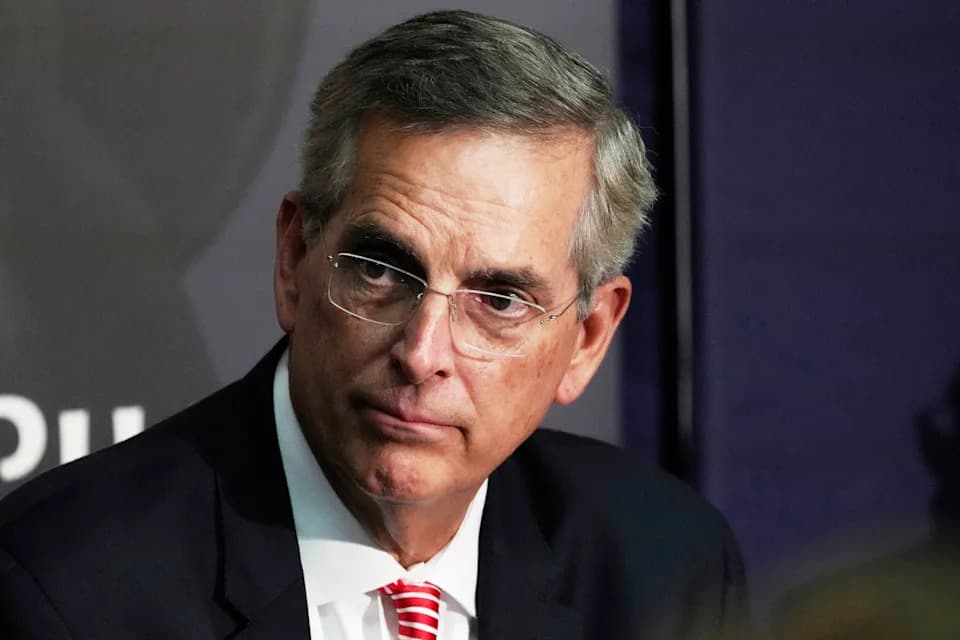
Attorney General Chris Carr, who is also running for governor, framed the case as a necessary response to property destruction during protests, saying in a statement, "We are not Seattle. We are not Portland. We are not New York. In Georgia, that is domestic terrorism, and we do not look the other way." Defense attorneys and legal experts counter that existing criminal statutes, such as arson and conspiracy laws, are sufficient to prosecute destructive acts without resorting to broad domestic terrorism or RICO charges.
Broader Implications
Legal scholars and movement historians say the outcome may influence prosecutors and state legislatures nationwide. Dan Berger, a social-movement historian, noted that even failed prosecutions can inform future strategy: "The failure of a particular attempt doesn't necessarily mean the government stops trying to use a method, but it does set a precedent." The Stop Cop City coalition combined concerns about the environment, police accountability and democratic decision-making — a mix advocates said could make the case resonate beyond Georgia.
The appeals process is expected to take months or longer. Until the appellate courts issue rulings, the defendants and their lawyers remain in legal uncertainty while observers across the country watch for how Georgia's legal interpretations may shape future protest-related prosecutions.
Help us improve.