From Feb. 1, Rome will charge €2 for anyone who stands on the stone steps around the Trevi Fountain’s basin in an effort to ease severe overcrowding. The fee, expected to raise about €6.5 million a year, exempts children under five and people with disabilities plus one companion. The move complements recent crowd-control measures, including a late‑2024 restoration and a queuing system, and follows broader trends in Rome and Italy to manage mass tourism.
From Feb. 1, Rome Will Charge €2 To Stand On The Trevi Fountain Steps To Curb Overcrowding
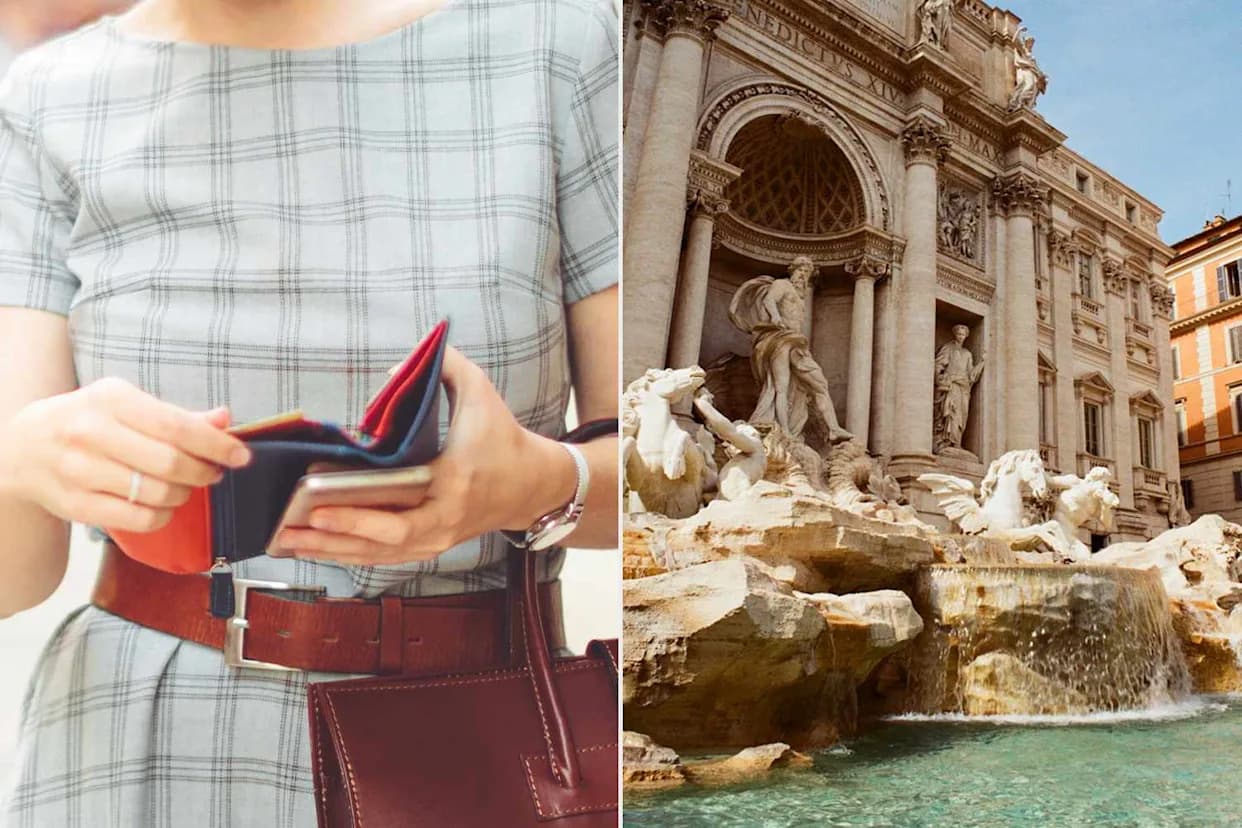
Gettystock photo of woman holding a wallet; the Trevi Fountain in Rome
Beginning Feb. 1, visitors who step onto the stone steps that ring the Trevi Fountain’s basin will be required to pay a €2 fee (about $2.34) to be that close to the monument. City officials say the modest levy is intended to reduce overcrowding and improve visitor flow at one of Rome’s most visited and photographed sites.
What’s Changing
The charge applies specifically to people standing on the fountain’s stone steps; tourists who remain just outside the basin in the Piazza di Trevi can still view the fountain for free. Authorities estimate the new fee could raise roughly €6.5 million annually.
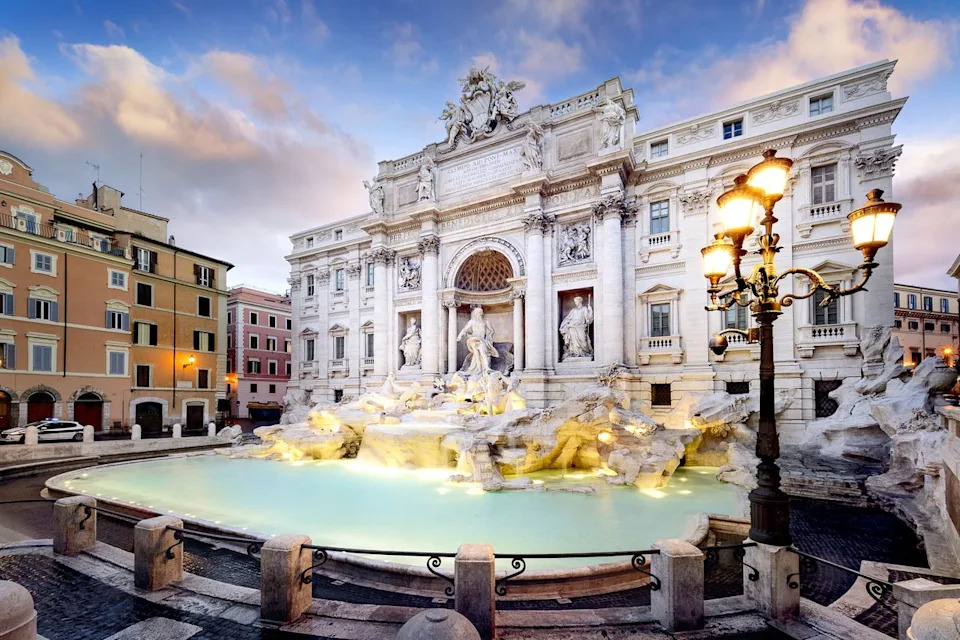
GettyThe Trevi Fountain in Rome
“Two euros isn't very much ... and it will lead to less chaotic tourist flows,” Rome Mayor Roberto Gualtieri told reporters in December, according to Reuters.
Exemptions and Enforcement
Exemptions include children under five, people with disabilities, and one accompanying person for those with disabilities. The city has already introduced physical measures such as a queuing system following a major restoration in late 2024; the €2 charge is a further tool to manage crowds and deter unruly behavior.
Why Officials Say It’s Needed
On peak days, an estimated 30,000 people visit the Trevi Fountain, creating pedestrian congestion in the surrounding plaza and sometimes prompting rule-breaking — including attempts by tourists to swim in or drink from the fountain, which are prohibited. City officials say the fee will help prevent such incidents and protect the monument.
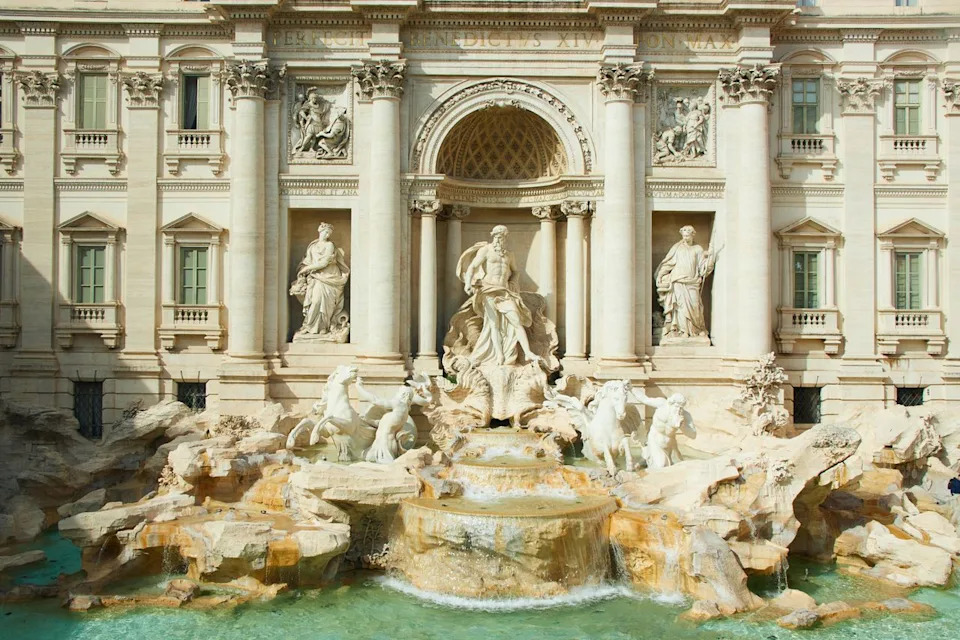
GettyThe Trevi Fountain in Rome
Context: A Wider Shift In Visitor Management
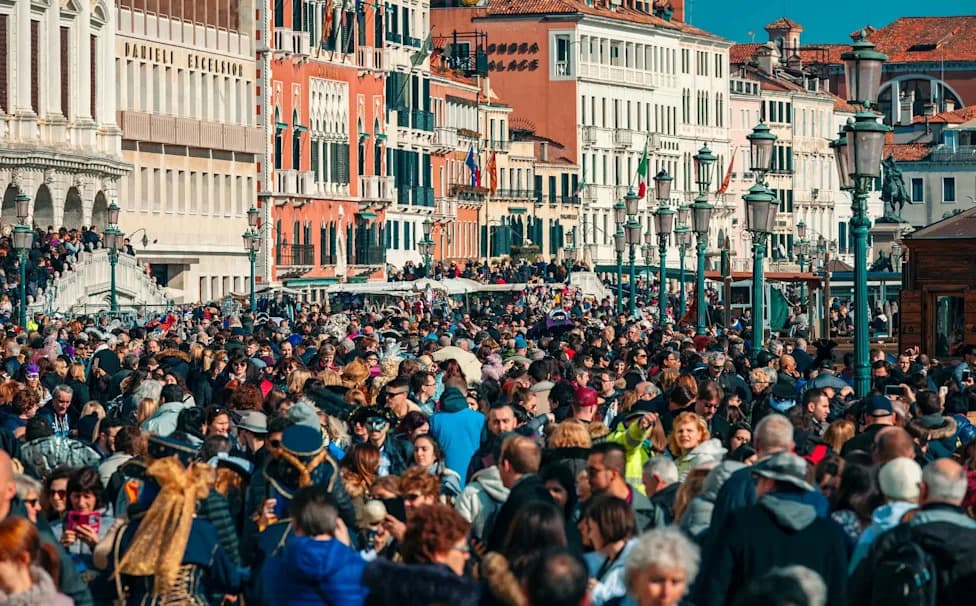
This measure follows other recent changes in Rome and across Italy aimed at managing mass tourism. In 2023 the Pantheon began charging €5 for entry, and sitting on the nearby Spanish Steps has been banned since 2019. Venice has experimented with daytime entry fees for non‑overnight visitors during selected high‑season days.
About The Trevi Fountain
The Trevi Fountain is a late Baroque masterpiece commissioned in 1640 by Pope Urban VIII of the Barberini family, designed by Nicola Salvi, and completed in 1762. The sculptural group centers on Oceanus (often called Neptune) flanked by two tritons — one leading an agitated horse and the other a calmer steed — symbolizing the power and dual nature of the sea.
Cultural Tidbits And Visitor Tips
Many visitors keep the tradition of tossing a coin into the fountain: legend says throwing one coin ensures a return to Rome, while the film Three Coins in a Fountain popularized the idea that three coins bring a return to Rome, true love and marriage. Practical tips: you can still admire and photograph the fountain from the piazza for free, visit early or late to avoid the largest crowds, and respect local rules to avoid fines.
Sources: City of Rome announcements, Reuters, BBC, and archival records of the Trevi Fountain.
Help us improve.