Ugandan President Yoweri Museveni claimed victory with 72% of the vote, extending his 40-year rule and securing a seventh term. The opposition dismissed the results as "fake," while Museveni labelled critics "terrorists." The UN and rights groups criticised the vote for severe repression amid reports that opposition leader Bobi Wine fled a police raid and went into hiding. An internet blackout imposed before the election was partly lifted for businesses, though social media remains blocked.
Museveni Wins Seventh Term With 72% as Opposition, UN and Rights Groups Condemn Vote
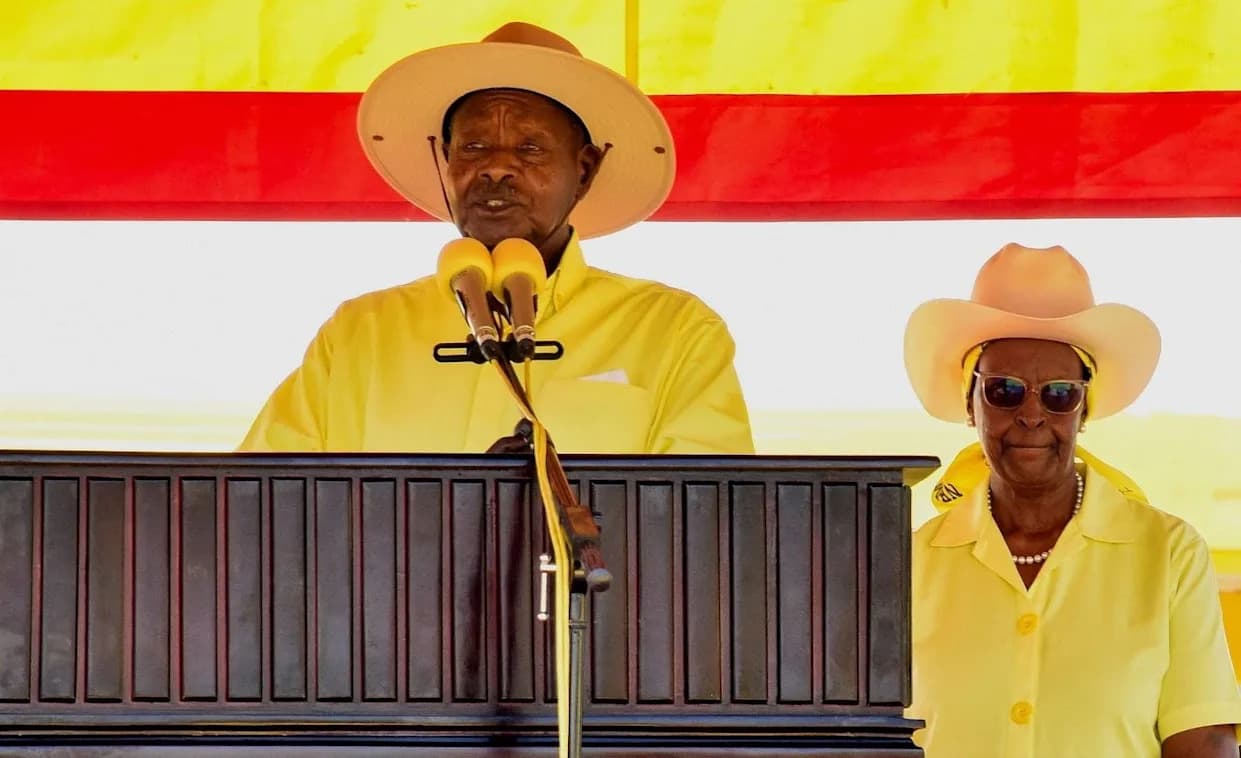
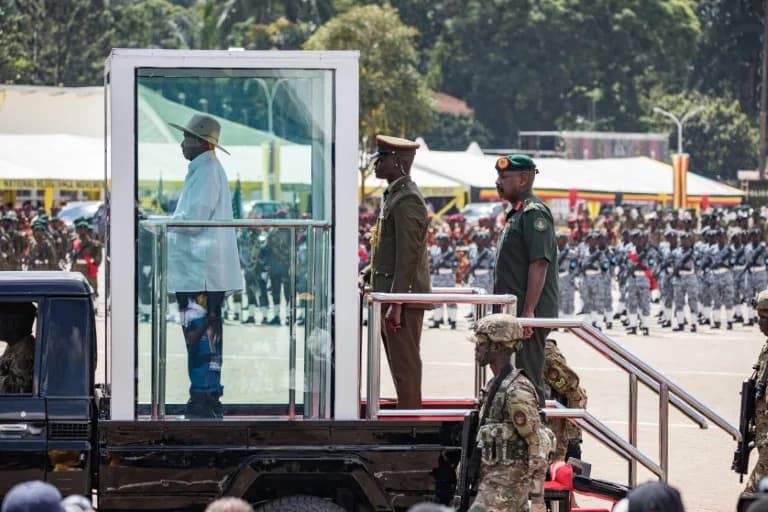
Ugandan President Yoweri Museveni has extended his four-decade rule after official results showed he won 72% of the vote in last week’s presidential election, securing a seventh term in office. The opposition rejected the results as "fake," and Museveni denounced his critics as "terrorists" during his victory speech on Sunday.
Election Day and Aftermath
Polls were marred by reports of a heavy-handed security response and restrictions on communications. Museveni’s main challenger, pop star-turned-politician Bobi Wine, said he escaped a police raid on his home and was in hiding. The government imposed an internet blackout ahead of the vote that was later partly lifted for businesses, but social media platforms remain blocked, hampering independent reporting and public communication.
International Reaction
The United Nations and multiple rights groups criticised the election, citing what they described as severe repression of the opposition and irregularities that undermined a free and fair contest. Observers and opponents accused the authorities of tactics intended to intimidate voters and silence dissent; the government denies systemic wrongdoing and points to the official tallies.
"We will defeat terrorism," Museveni said, characterising his critics as threats to national stability.
Historical Context
The 81-year-old leader first took power in 1986 as a rebel commander and has maintained control since. He earned strong Western support in earlier decades as Uganda’s economy grew and health and education indicators improved. However, relations with Western partners cooled after 1998, when Uganda, alongside Rwanda, became involved in the Democratic Republic of Congo conflict — a move that damaged his international standing.
As Uganda heads into another presidential term under Museveni, domestic tensions and international scrutiny are likely to continue, with opposition figures and rights organisations calling for investigations into the conduct of the election and restoration of full internet access.
Help us improve.