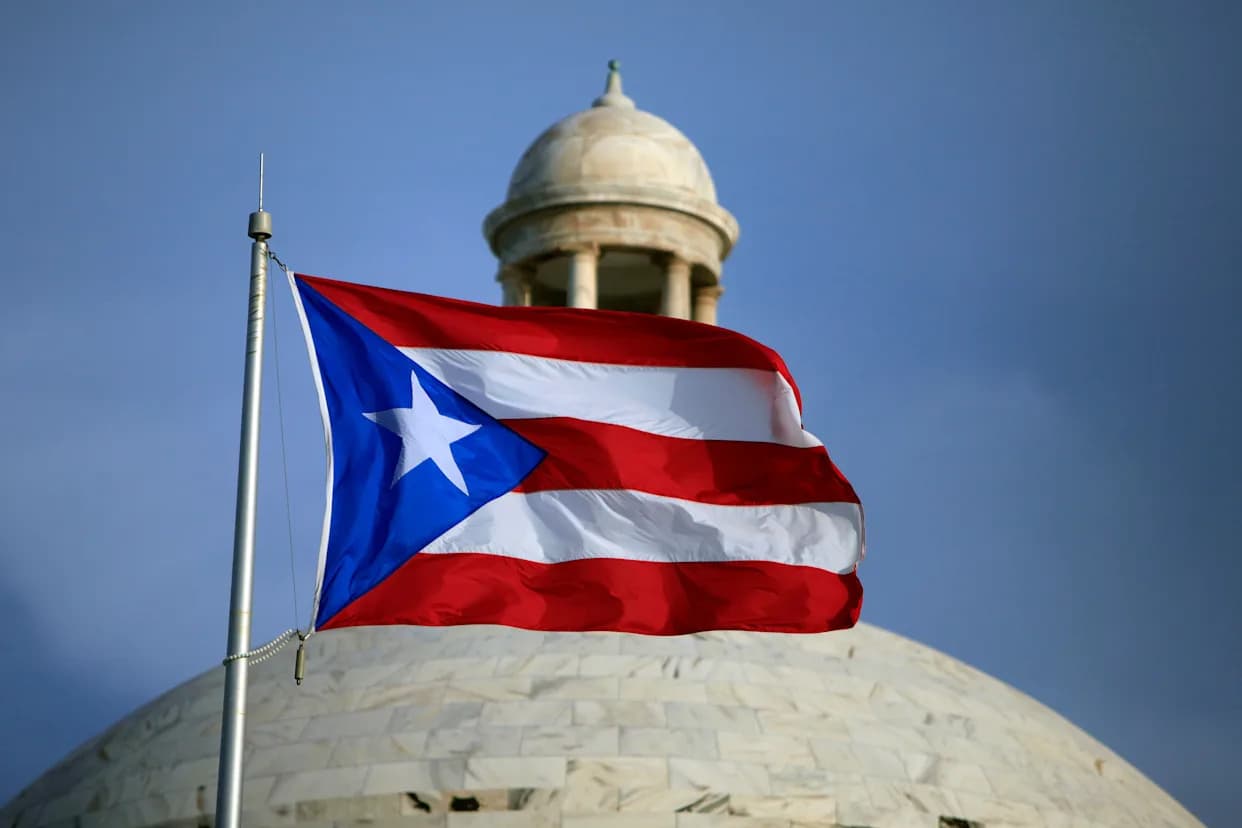
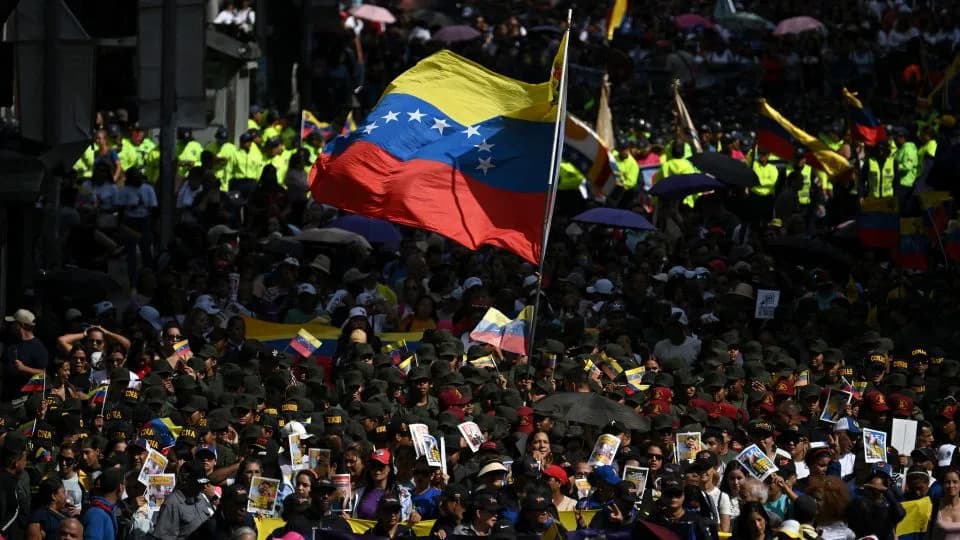
The U.S. operation targeting Nicolás Maduro — largely coordinated from Puerto Rico — exposed a glaring contradiction: the territory that safeguards American interests in the Caribbean is home to 3.2 million U.S. citizens without full political rights. Puerto Ricans serve in large numbers in the U.S. military and contribute a skilled, bilingual workforce, yet lack voting representation in Congress. The author argues Congress should offer a legally binding vote that includes statehood, noting 58% support for statehood in 2024.
Venezuela Operation Underscores Why Puerto Rico Deserves Statehood
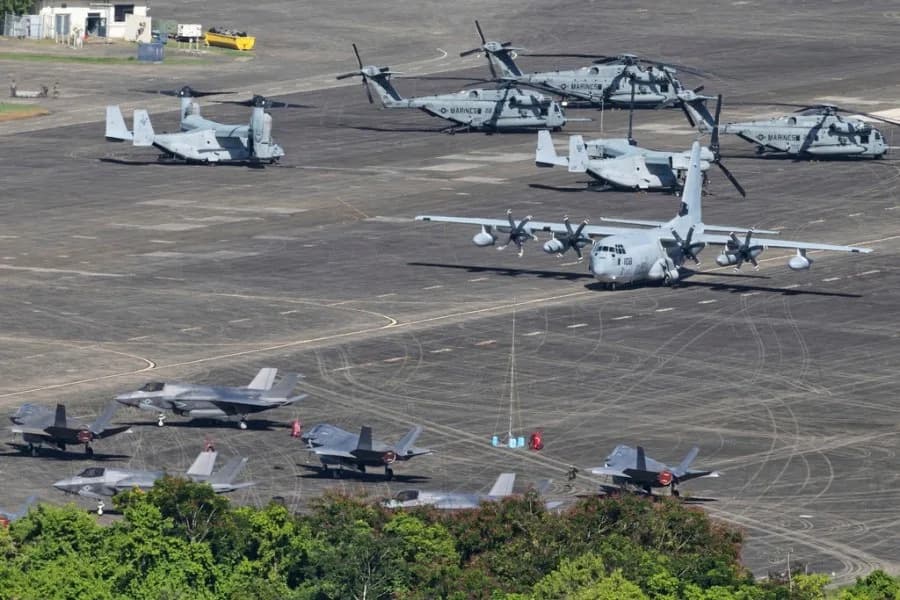
Last year’s U.S. operation aimed at removing Nicolás Maduro — an effort coordinated largely from Puerto Rico — has sharpened a central contradiction in American democracy: the territory that protects U.S. interests across the Caribbean is home to roughly 3.2 million U.S. citizens who do not enjoy full political rights under federal law.
Strategic Importance, Political Inequality
For more than a century Puerto Rico has served as America’s Caribbean frontier. Its location enables U.S. power projection across Latin America, helps safeguard critical shipping lanes and acts as a strategic buffer against geopolitical rivals. As U.S. policy refocuses more on the Western Hemisphere, Puerto Rico’s role in protecting the U.S. homeland has become even more visible.
But strategic importance has not translated into political equality. More than 35,000 Puerto Ricans serve in the U.S. armed forces alongside citizens from every state, and many have risked their lives in combat. Yet island residents cannot vote for the commander-in-chief who orders their deployments and have no voting representation in Congress, where decisions about war powers and the laws that govern them are made.
Democracy, Credibility, And Self-Determination
Denied a full political voice, Puerto Rico’s status conflicts with core American principles of self-determination and consent of the governed.
This democratic deficit weakens both the island and U.S. credibility in the region. Critics call Puerto Rico’s territorial status a form of modern colonialism, and continued ambiguity fuels resentment among pro-independence voices and amplifies anti-American rhetoric in regional discourse. Respecting Puerto Ricans’ right to determine their future would reinforce U.S. standing as a champion of democratic values.
Beyond Defense: Economic And Regional Contributions
Puerto Rico’s value extends well beyond military logistics. The island offers a skilled, bilingual workforce, American-standard infrastructure and a favorable geographic position that make it an ideal hub for humanitarian assistance, reconstruction and regional stability efforts across Latin America, including potential post-conflict recovery in Venezuela.
A Path Forward: A Legally Binding Vote
Congress and the White House can correct this inequity by offering Puerto Rico a legally binding vote that includes statehood as an option. Puerto Ricans have repeatedly expressed support for statehood in local referenda; in 2024, more than 58% of voters favored statehood, a 29-point lead over the next option. A binding process would honor democratic principles and align U.S. policy with the founding ideal that government derives its powers from the consent of the governed.
Whether or not Venezuela’s future stabilizes, Puerto Rico will remain a strategic platform for U.S. engagement in the region. If the United States truly values the island for national security and regional influence, it should match that reliance with equal political rights for its residents.
Conclusion: For the sake of America’s security, credibility and democratic values, Puerto Rico should be granted the legal ability to choose its future through a binding vote on statehood. Two and a half centuries after declaring independence from colonial rule, the U.S. should end the remaining colonial condition for its own citizens.
About the author: George Laws Garcia is executive director of the Puerto Rico Statehood Council and previously served as acting director of the Puerto Rico Federal Affairs Administration.
Help us improve.