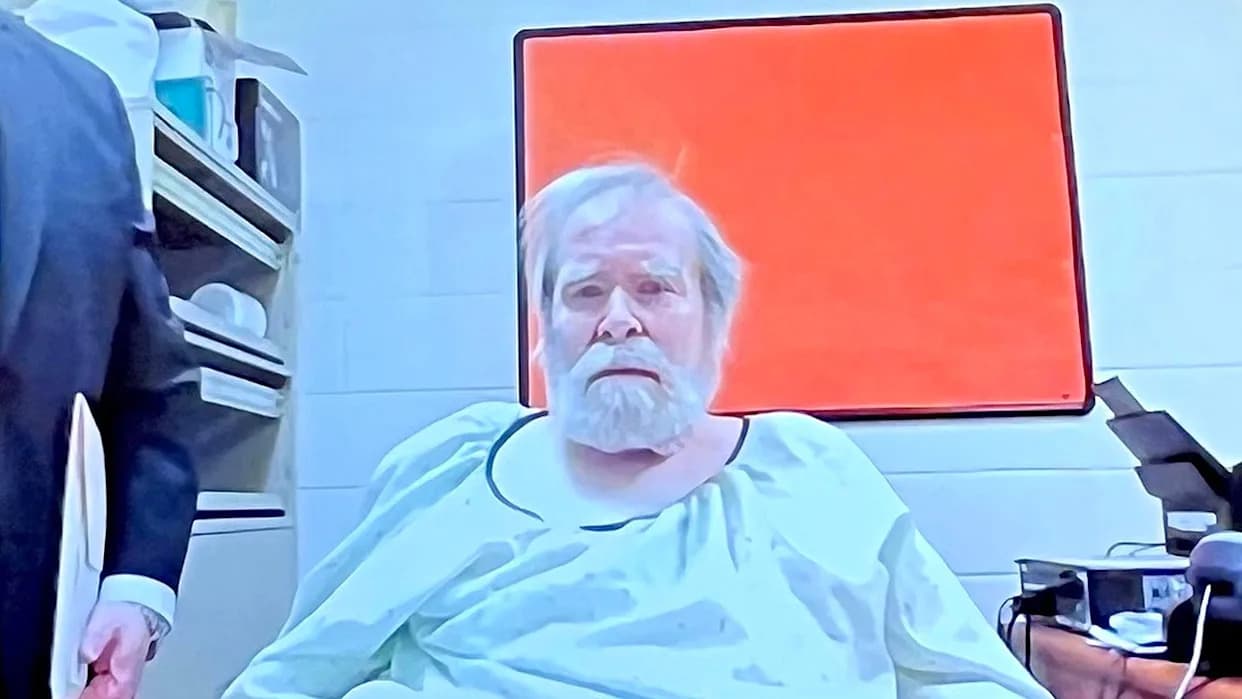
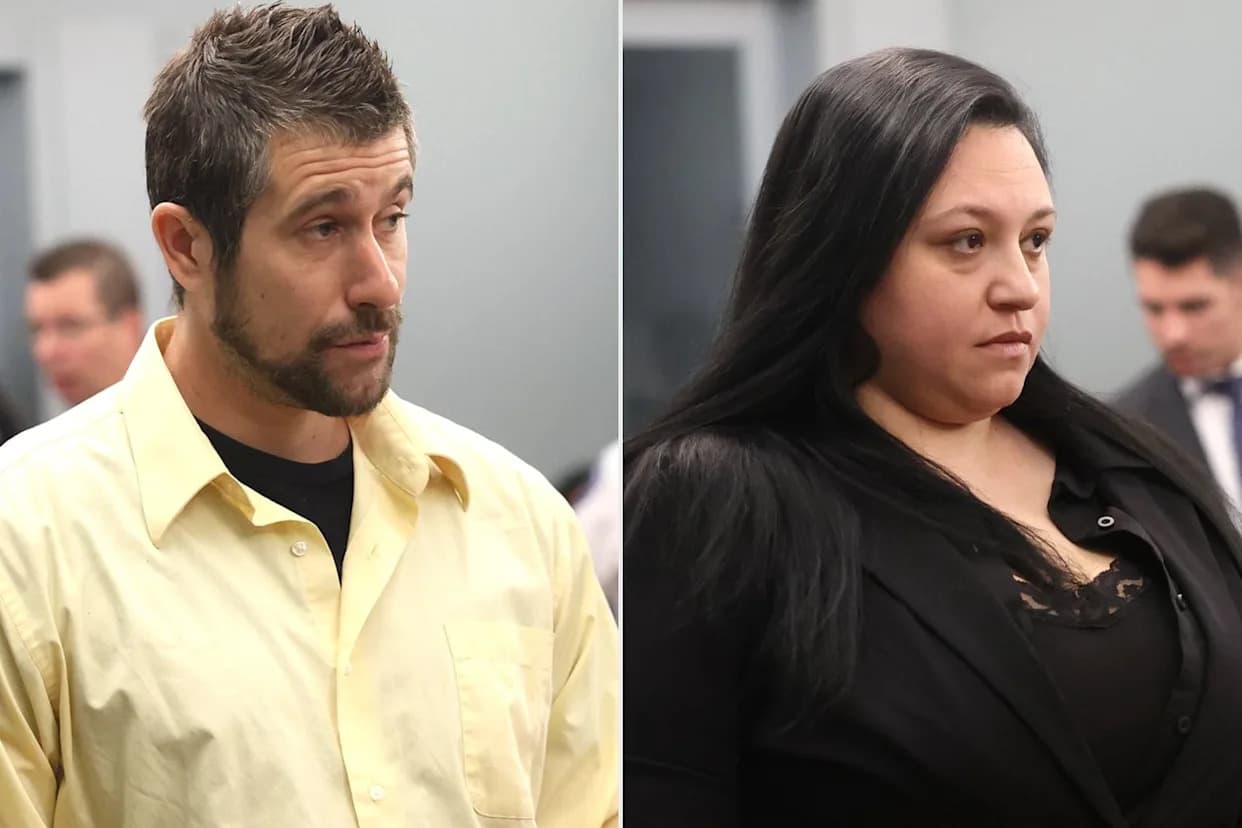
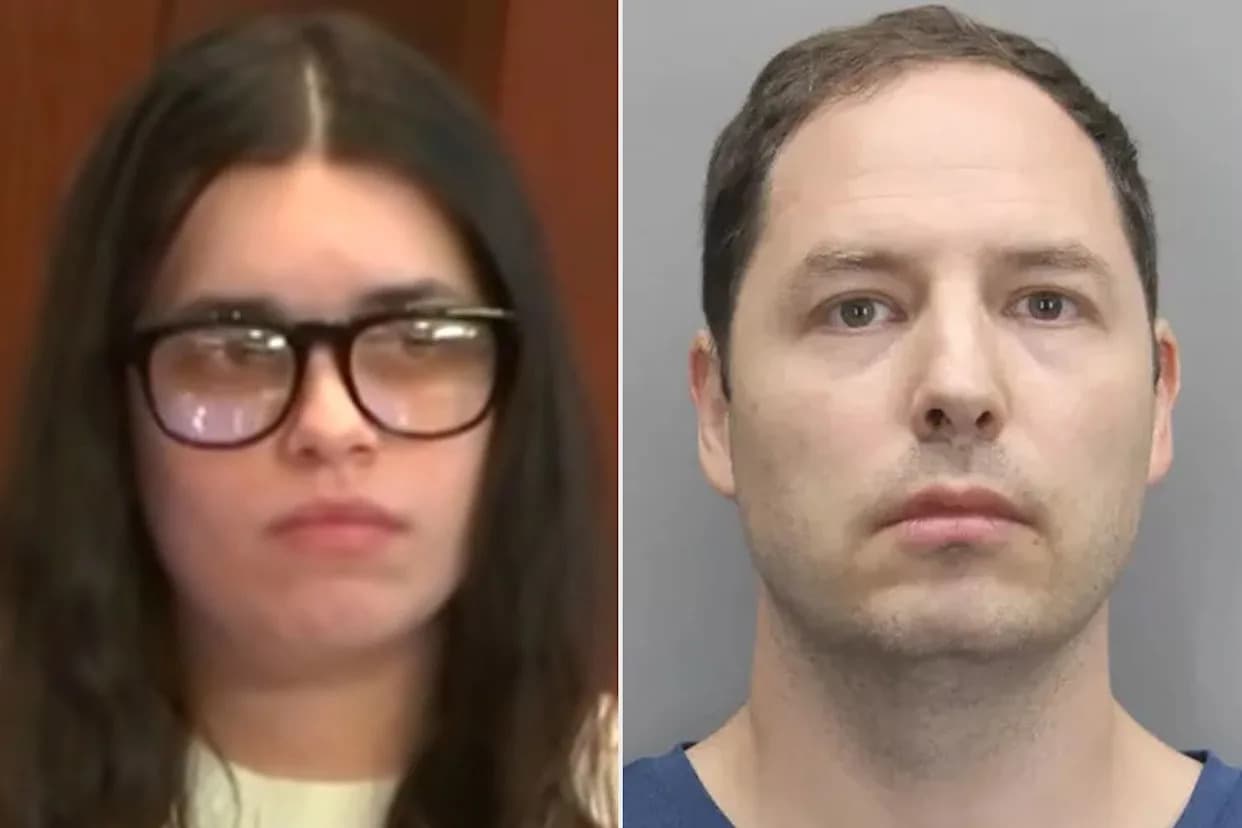
Helle Crafts, a 39-year-old Pan Am flight attendant, disappeared from her Connecticut home in November 1986 after returning from Frankfurt. Prosecutors alleged her husband, Richard B. Crafts, killed and dismembered her, then attempted to destroy the remains with a wood chipper; small fragments recovered along the Housatonic River became crucial evidence. Richard was arrested in 1987, convicted in a retrial in 1988, and sentenced to 50 years — Connecticut’s first murder conviction obtained without a body. He later maintained his innocence and was released early under a now-defunct pre-1994 good-time credit law.
Flight Attendant’s Disappearance Led to Shocking Wood-Chipper Murder Case — Connecticut’s First Conviction Without a Body

AP Photo
Helle Crafts, a 39-year-old Pan Am flight attendant and mother of three, vanished from her Newtown, Connecticut, home in November 1986 after returning from a trip to Frankfurt, Germany. Authorities later alleged that her husband, former airline pilot and part-time police officer Richard B. Crafts, killed her and attempted to destroy the evidence by dismembering her and feeding remains through a wood chipper — forcing investigators to build a murder case without an intact body.
Investigation and Physical Evidence
When Helle failed to report for work days after her return, concern mounted. Richard told police she had traveled to visit a friend in the Canary Islands, an explanation investigators later disputed. Investigators noted Richard had recently purchased a wood chipper, and witnesses testified they saw a man operating such a machine on a bridge between Newtown and Southbury in the days after Helle disappeared.
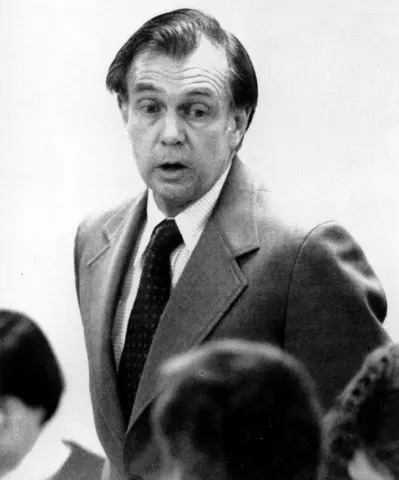
AP Photo/Bob Lucky Jr.Richard B. Crafts
Searches along the Housatonic River turned up small human remains — including bone fragments, tissue and a fingernail — that prosecutors later presented as evidence linking the scene to Helle. Those fragments helped prosecutors pursue a murder charge despite the absence of a complete body.
Prosecution, Trials and Conviction
Prosecutors alleged Helle was killed inside the Crafts' Newtown home on Nov. 18 or 19, 1986, dismembered with a chainsaw and processed through a wood chipper to conceal evidence. Richard was arrested in 1987 and tried in 1988; the first proceeding ended in a mistrial after a juror refused to continue deliberations. A subsequent trial resulted in a November conviction that became Connecticut’s first murder conviction secured without the victim’s intact body.

AP Photo/Don Heiny
Sentencing and Aftermath
At sentencing, attention focused on Richard’s demeanor. He disputed portrayals of himself as emotionless, telling Superior Court Judge Martin L. Nigro, “I have feelings like everyone else,” while stopping short of admitting responsibility. Family members, including Richard’s sister Karen Rodgers — who obtained custody of the couple’s three children — urged the judge to impose the maximum sentence, saying they felt he had shown no genuine remorse.
“I am concerned that Mr. Crafts has not publicly nor privately demonstrated any remorse for the murder of his wife,” Rodgers told the court.
Judge Nigro sentenced Richard Crafts to 50 years in prison. Defense attorneys said they planned to appeal, citing extensive publicity and raising questions about police recording practices, though they acknowledged they had no direct evidence that their client’s recorded conversations were improperly obtained.
Richard continued to maintain his innocence while serving his sentence. Decades later, the case drew renewed attention when he was released earlier than many expected under a now-defunct “good time” credit law that applied to inmates sentenced before 1994.
Why the Case Matters
The Crafts case became notable not only for its grisly allegations but also for the legal precedent it set: securing a murder conviction without a body. It remains a frequently cited example in discussions of forensic limits, evidentiary standards and how investigators can piece together a conviction from fragmentary physical evidence and witness accounts.
Help us improve.