OpenAI CEO Sam Altman predicts that by 2035 some college graduates could be taking high‑paying, exciting jobs on missions across the solar system, even as AI displaces certain roles. He says advanced models like GPT‑5 make it easier for individuals to create scalable businesses, while other tech leaders forecast shorter workweeks, human augmentation and the potential for extreme new wealth. The future remains uncertain, but the coming decade could reshape careers both on Earth and in space.
Sam Altman Predicts College Grads Could Be Working in Space on Lucrative Jobs by 2035

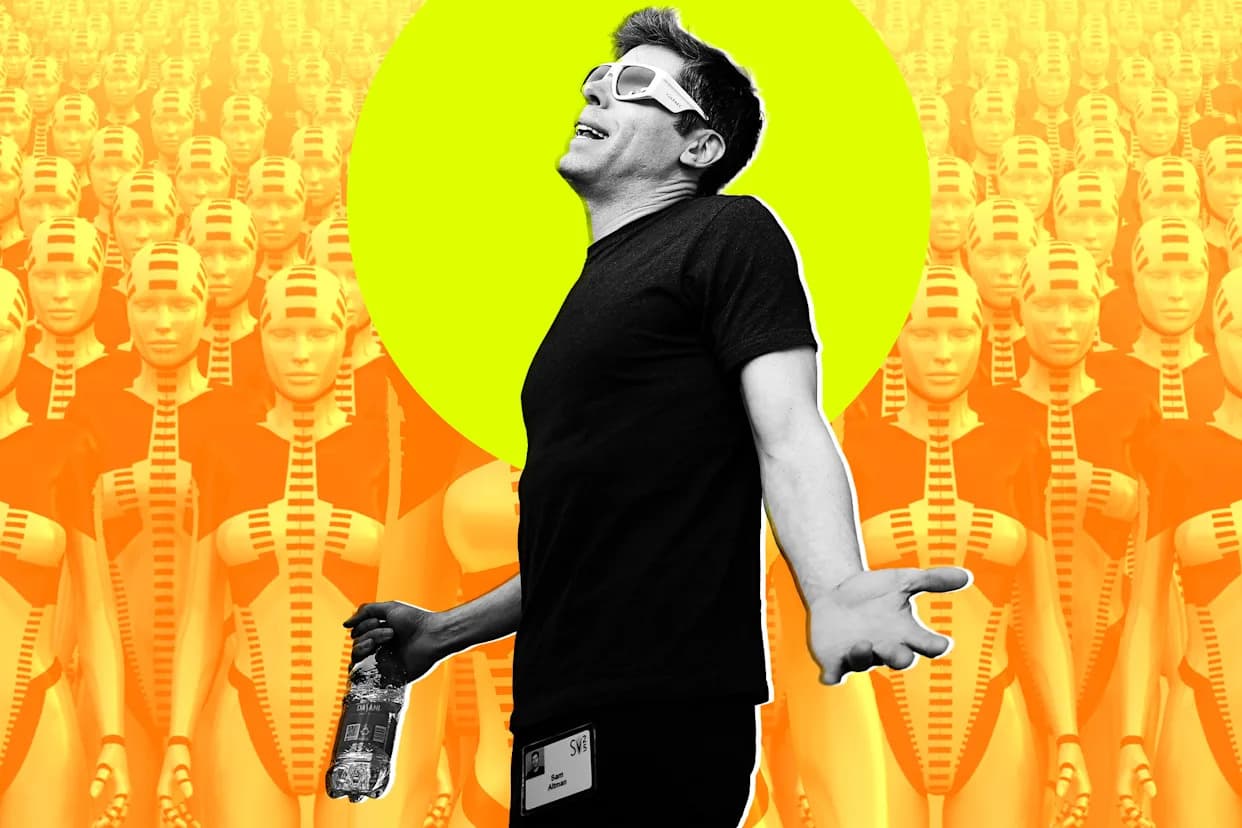
While Bill Gates has said the two-day workweek could come within the next decade, OpenAI CEO Sam Altman (above) says Gen Alpha college graduates will be too busy planet-hopping.
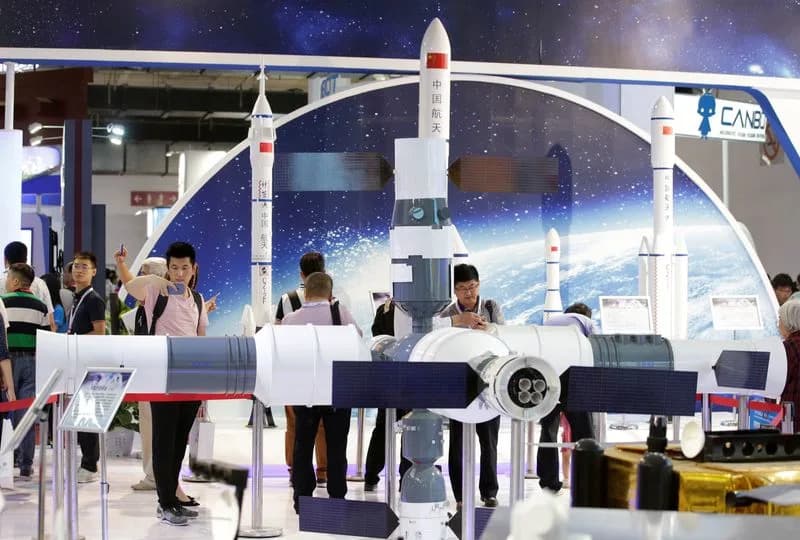
OpenAI CEO Sam Altman painted a provocative picture of the near future: within a decade, some college graduates could be leaving Earth on missions to explore the solar system and taking on "completely new, exciting, super well‑paid" jobs, enabled in part by advances in artificial intelligence.
Altman, a central figure in the AI industry, acknowledged that AI will eliminate some jobs but argued the next ten years could also bring unprecedented opportunities for early‑career workers. "In 2035, that graduating college student, if they still go to college at all, could very well be leaving on a mission to explore the solar system on a spaceship in some completely new, exciting, super well‑paid, super interesting job," he told video journalist Cleo Abram.
Jobs Above and On Earth
How large space employment will become remains uncertain. NASA has set broad goals that include human missions to Mars in the 2030s, and private aerospace companies are accelerating investment in spacecraft, habitats and logistics. The U.S. Bureau of Labor Statistics reports aerospace engineering jobs are growing faster than the national average, with aerospace engineers earning an average annual salary of more than $130,000 — underscoring the financial incentives of working in the sector today.
AI’s Dual Effect On Work
Altman and other tech leaders describe AI’s impact as both disruptive and enabling. He has said that after the rollout of OpenAI's GPT‑5, people effectively carry a "team of PhD‑level experts" in their pockets. That capability, Altman argues, lowers the barriers to building products and companies: "It is probably possible now to start a company, that is a one‑person company that will go on to be worth more than a billion dollars... and deliver an amazing product and service to the world."
"If I were 22 right now and graduating college, I would feel like the luckiest kid in all of history," Altman added, expressing envy for those entering the workforce during rapid technological change.
Other prominent technologists offer complementary perspectives. Microsoft co‑founder Bill Gates has speculated that AI could dramatically shorten the workweek, while Nvidia CEO Jensen Huang described AI as augmenting human capabilities and creating "superhuman" workers. Investor Mark Cuban has suggested AI could generate extreme wealth, even predicting the technology could produce trillionaires.
Altman also cautioned that predictions remain uncertain: the long‑term trajectory of AI and the pace of space commercialization are both difficult to forecast. Fortune reached out to OpenAI for comment.
Note: A version of this story originally appeared on Fortune.com on August 11, 2025.
Help us improve.