
Leading AI and tech leaders envision futures where AI greatly reduces the need to work. Elon Musk describes a "universal high income," Sam Altman argues for shared AI wealth, and Bill Gates, Jensen Huang, Dario Amodei and Demis Hassabis offer variations — from shorter workweeks to political challenges of fair distribution. The core debate centers on how to share prosperity and preserve human purpose.
A Future Without Work? How Musk, Gates and Other AI Leaders Picture an Economy Beyond Jobs

Elon MuskNathan Howard/Reuters
What if artificial intelligence does more than transform work — what if it makes many traditional jobs unnecessary? Tech leaders and AI researchers are debating precisely that scenario: a world of abundance in which work becomes optional, a leisure choice or a source of personal fulfillment rather than an economic necessity.
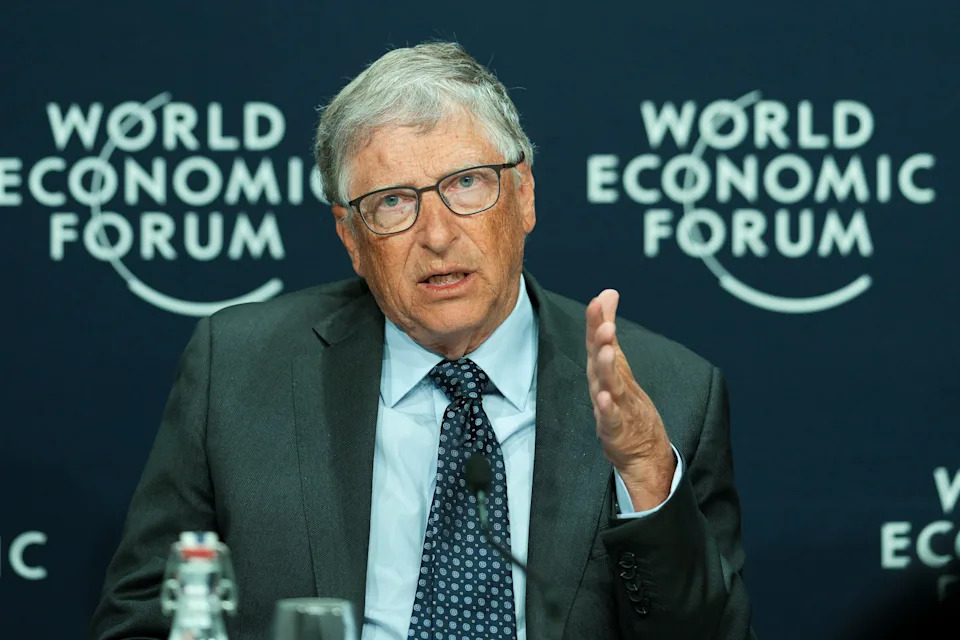
Bill GatesMarkus Schreiber/AP
After a year in which Wall Street fretted about an AI bubble, conversations in Big Tech and research circles have shifted toward the long-term social and political consequences of advanced AI. Below, leading figures describe different visions — from "universal high income" to shared AI dividends, shorter workweeks, and the political challenges of distributing abundance fairly.
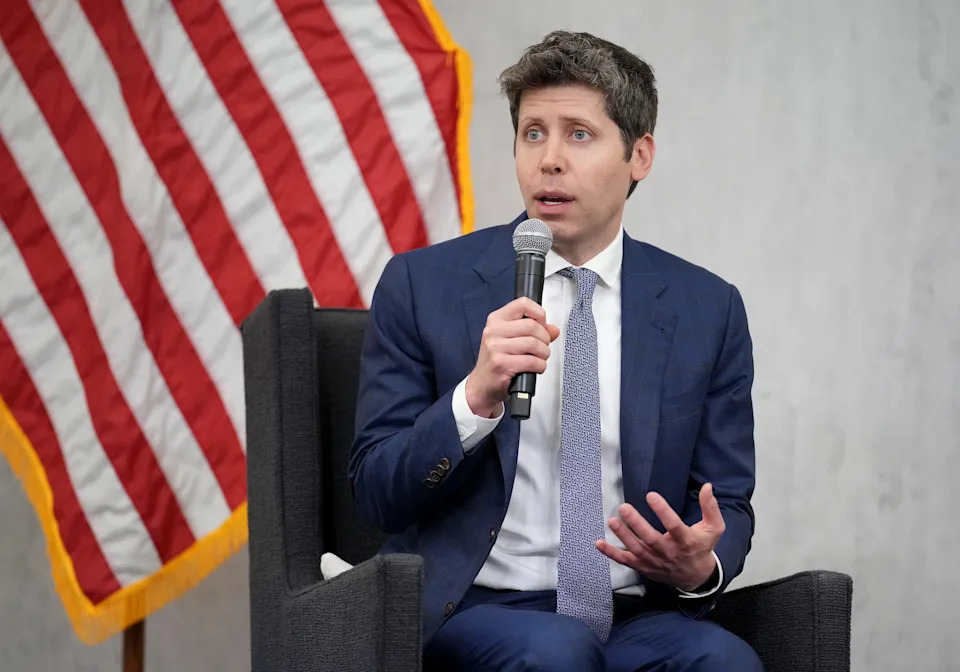
OpenAI CEO Sam AltmanAndrew Harnik/Getty Images
Elon Musk
Elon Musk has coined the phrase "universal high income" to describe a possible future in which AI and robotics generate such broad productivity that poverty disappears. Musk tweeted on X in December: "There will be no poverty in the future, and so no need to save money." On Joe Rogan's podcast he elaborated that work could become more like a hobby or playing a video game, a scenario he said "kind of sounds like heaven," where "everyone has abundance" and universal access to medical care and goods is the norm.
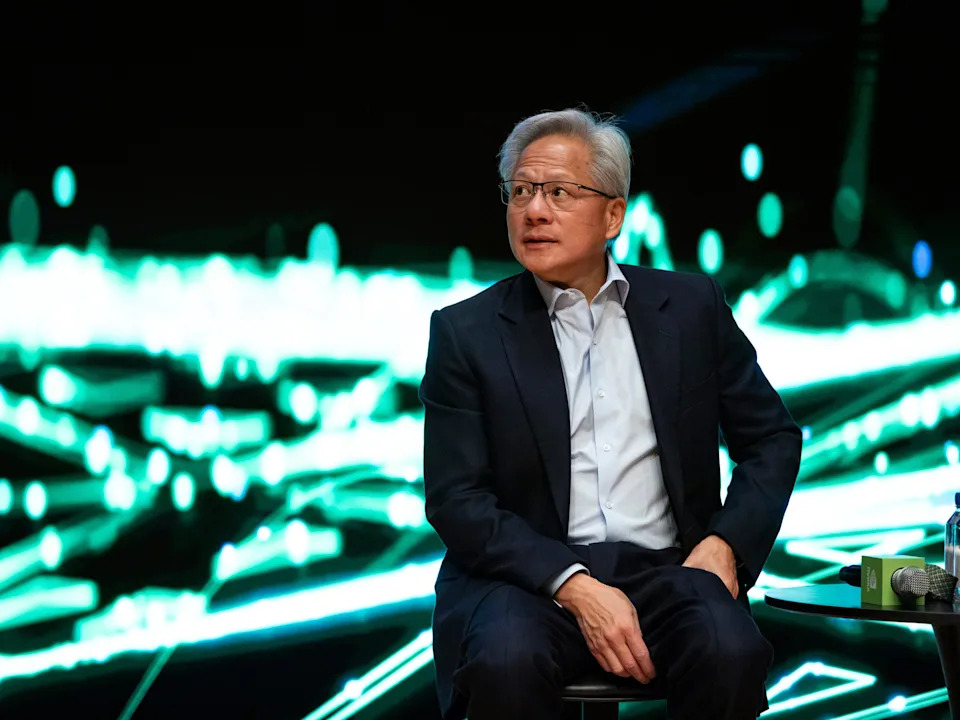
Nvidia founder and CEO Jensen Huang is the face of the company supplying chips to many of the companies in the AI arms race.Woohae Cho/Getty Images
Bill Gates
Bill Gates takes a more measured view: automation could solve many material constraints and make radically shorter workweeks feasible. Gates suggested that tasks like manufacturing, logistics, and food production could be largely automated, opening the door to two- or three-day workweeks and freeing people to focus on creative, civic, or recreational pursuits.
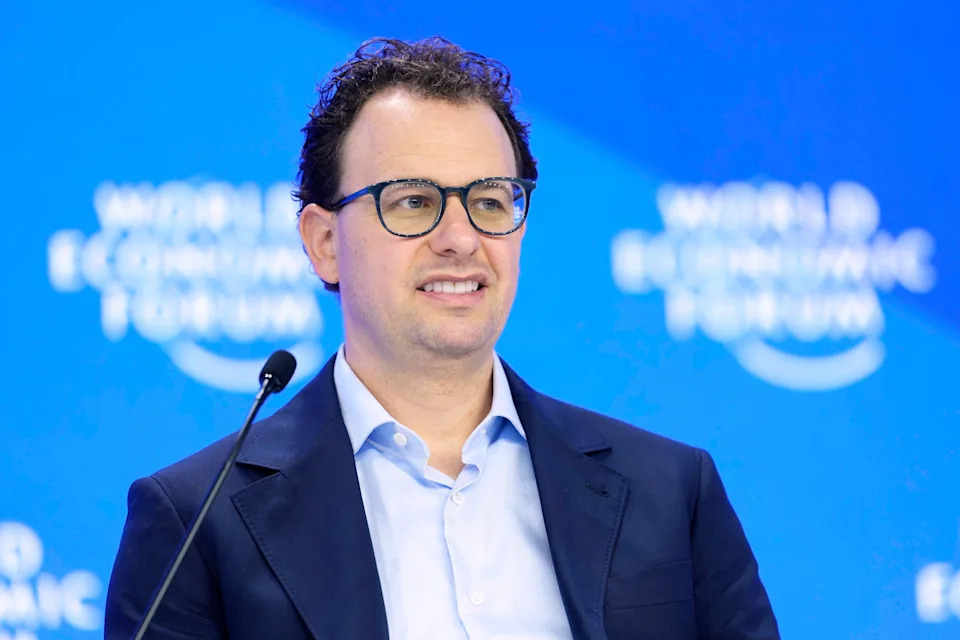
Anthropic CEO Dario Amodei runs the AI firm through long-form Slack debates — a bold experiment in written leadership.AP Photo/Markus Schreiber, File
Sam Altman
OpenAI CEO Sam Altman imagines "universal extreme wealth" but emphasizes that distribution matters. He has proposed forms of shared ownership — sometimes described as a "universal basic wealth" system — so that the gains from AI are returned to the public rather than concentrated among owners. Altman also warns that giving everyone a simple dividend without other structures could leave people feeling purposeless, and he argues society will need ways to preserve meaning and agency.
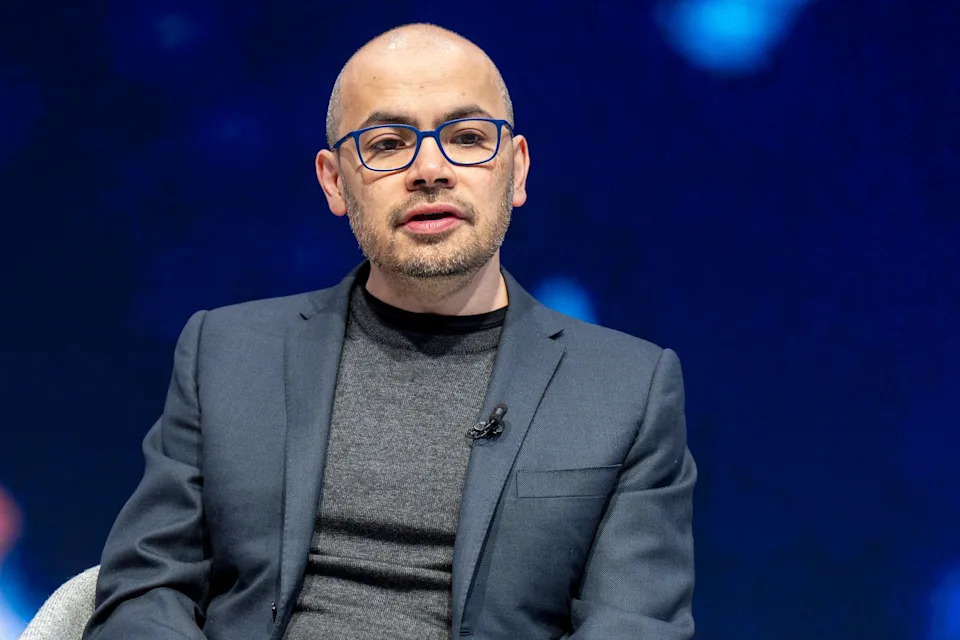
Google Deepmind CEO Demis Hassabis at Davos on January 21, 2025World Economic Forum/Gabriel Lado
Jensen Huang
Nvidia CEO Jensen Huang expects a more mixed outcome. He doubts that Musk-style universal high income and broad UBI would both exist simultaneously, and he urges the debate to look beyond money alone: today we are already "wealthy of information," he notes, and abundance can take many forms. Huang cautions that the long-term future is uncertain because so many scenarios remain possible.
Dario Amodei
Anthropic CEO Dario Amodei frames the challenge as societal adaptation: people will need to "figure out how to operate in a post-AGI age." Onstage at The New York Times' Dealbook Summit he asked whether work might shift from economic survival to personal fulfillment — a vision echoed in John Maynard Keynes' old suggestion that future generations might work far fewer hours.
Demis Hassabis
Demis Hassabis of Google DeepMind talks about "radical abundance" but stresses distribution is a political problem. If abundance is shared equitably, Hassabis says, humanity could reach unprecedented living standards — and even set loftier goals like space exploration. But who controls and benefits from AI will be among the thorniest questions to resolve.
What all these views share: powerful AI could drastically reduce the need for many kinds of labor, but the outcome depends on choices about ownership, policy, and culture. The debate has shifted from technical feasibility to how societies preserve purpose, distribute prosperity, and govern transformative technologies.
Help us improve.


