Tech leaders promise vast productivity gains from AI but have offered few concrete plans for mass job displacement. Geoffrey Hinton and others warn that rising productivity raises urgent political questions about who receives the wealth. Billionaires propose ideas like 'universal high income' or broad ownership, but voluntary redistribution is unlikely to solve the scale of the problem. Measured GDP forecasts suggest modest gains that won’t automatically prevent widespread hardship without deliberate policy or corporate commitments.
What If AI Replaces All Jobs? Why Tech Billionaires Have No Real Plan
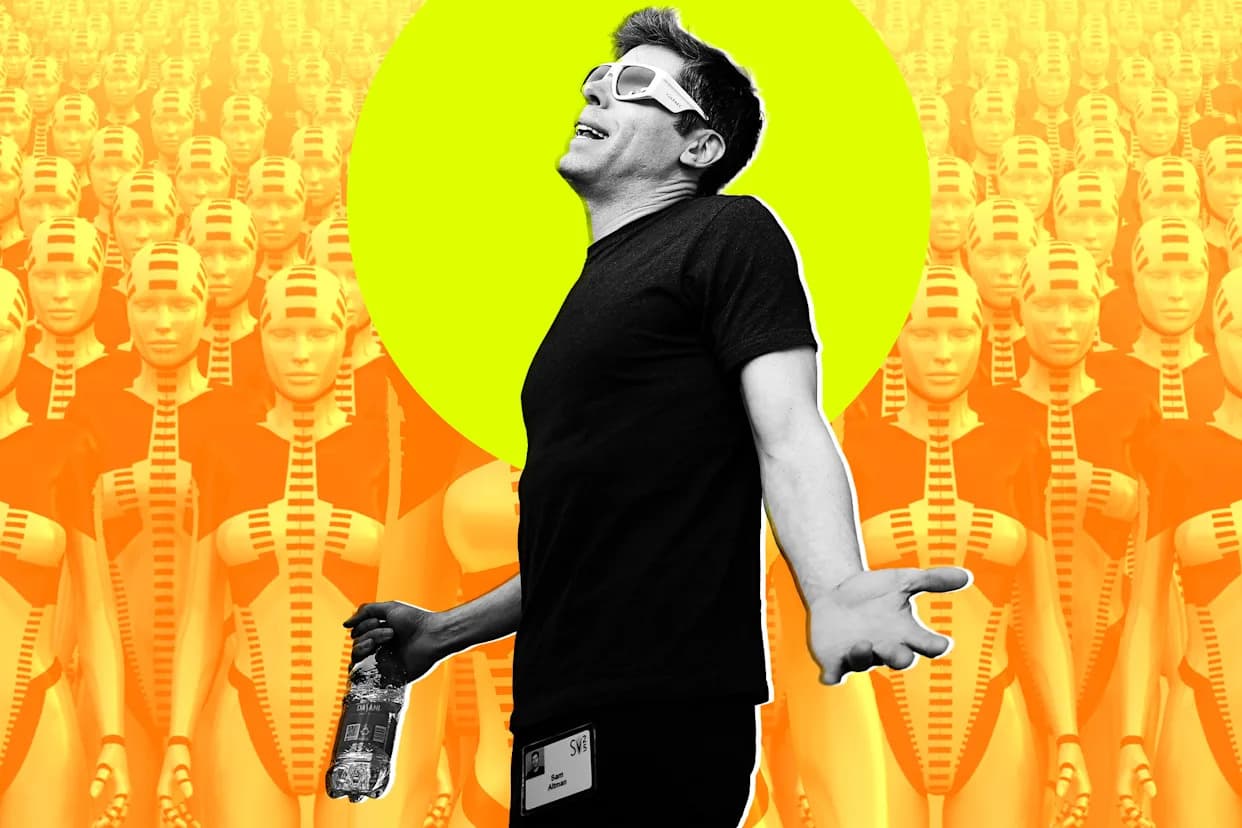
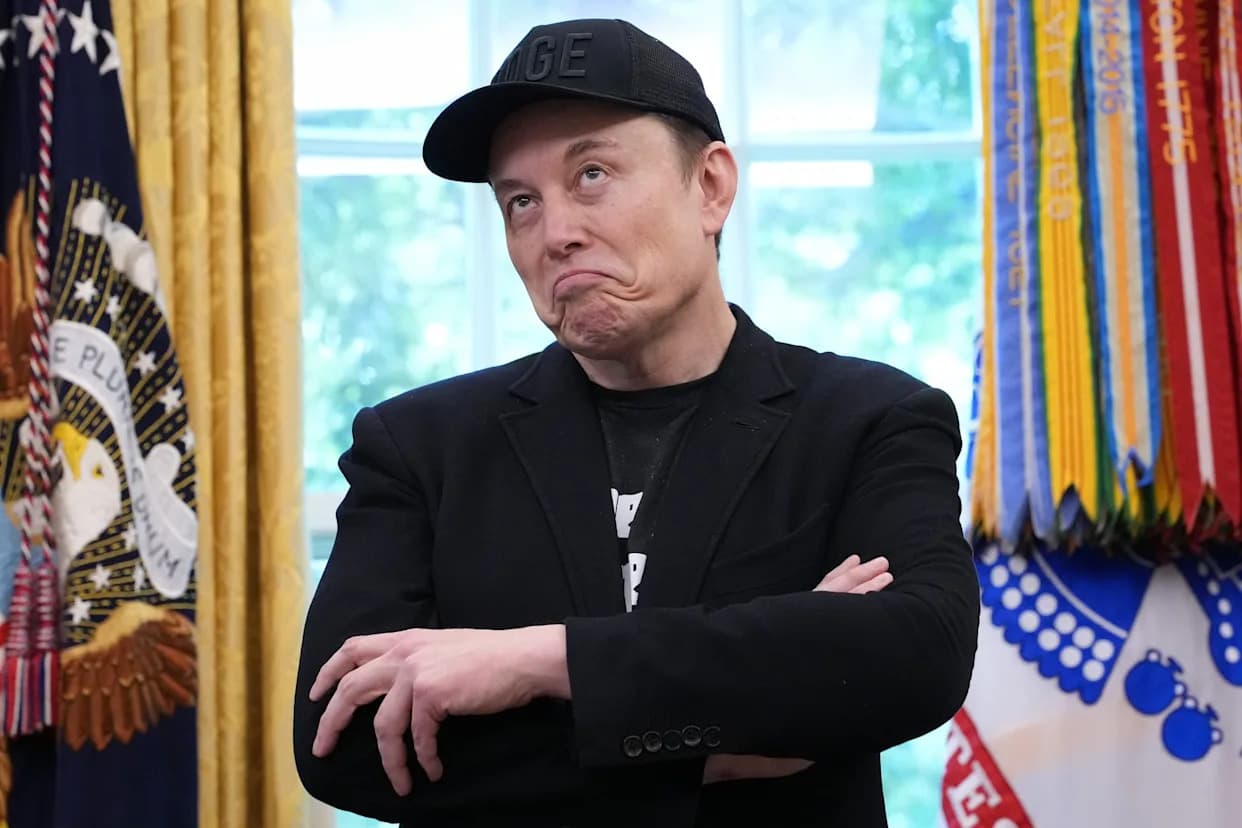
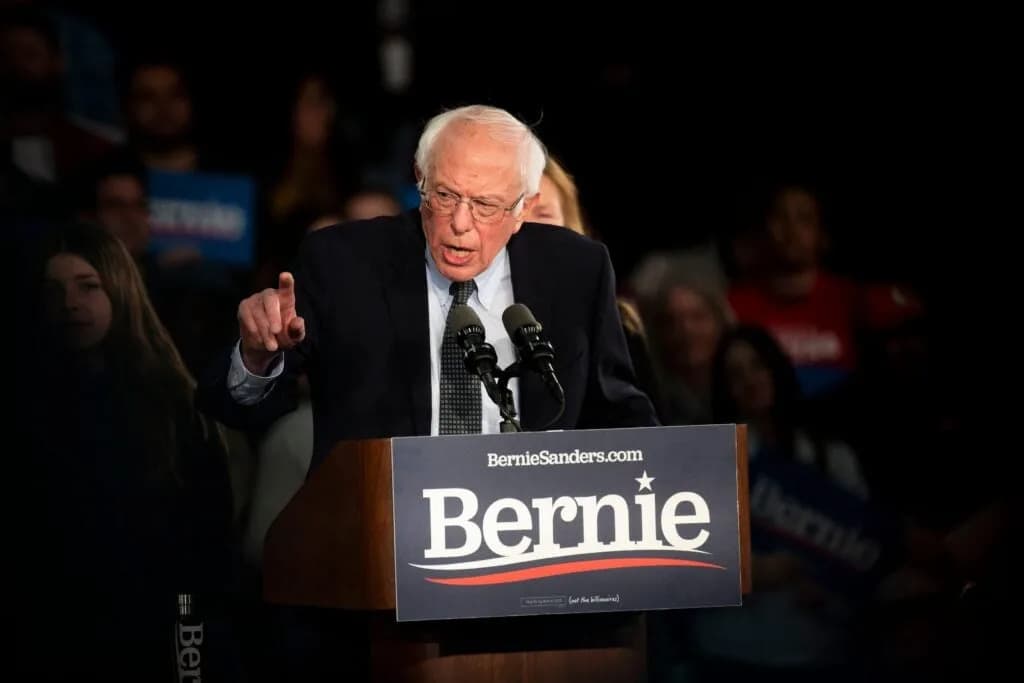
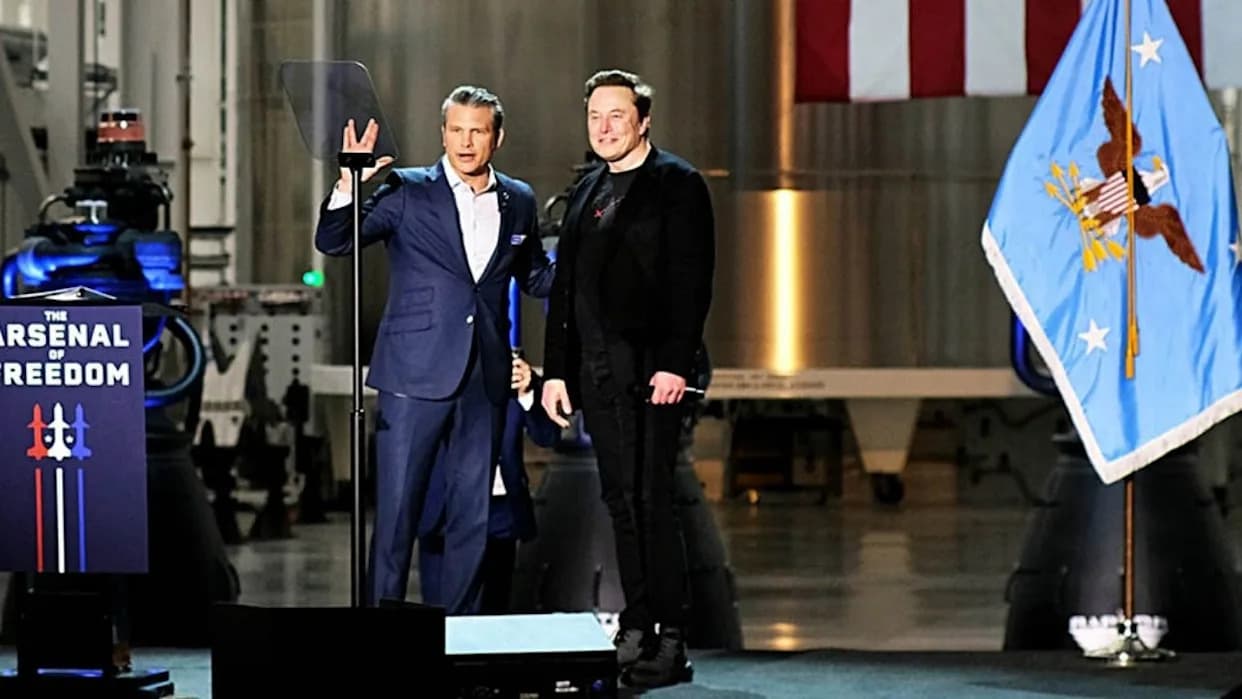
Illustration by Tag Hartman-Simkins / Futurism. Source: Kevin Dietsch / Getty Images
Tech companies are openly driving automation that could replace large swaths of human labor. But while founders and executives tout the productivity gains AI can deliver, few have offered practical, credible plans for what happens if employment collapses at scale.
Geoffrey Hinton, a pioneer of neural networks, warned at a recent press briefing that 'it’s clear that a lot of jobs are going to disappear: it’s not clear that it’s going to create a lot of jobs to replace that.' That observation reframes the debate: this is not only a technological question, it is a political and economic one.
'This isn’t AI’s problem,' Hinton added. 'This is our political system’s problem. If you get a massive increase in productivity, how does that wealth get shared around?'
High-profile leaders have proposed ambitious-sounding remedies but offered little detail on implementation. Elon Musk has promoted the idea of a 'universal high income'—a version of universal basic income funded by corporate-generated wealth, including ventures such as xAI. Sam Altman of OpenAI has described a vision of 'universal extreme wealth' in which people hold broad ownership stakes in AI firms. Mustafa Suleyman, cofounder of DeepMind and head of Microsoft AI, has been more direct: he calls AI 'a fundamentally labor-replacing tool' and argues it could drive down the marginal cost of producing scientific and cultural output within 15 to 20 years.
These proposals raise practical and political questions. Voluntary redistribution by billionaires is historically unlikely—in the words of Martin Luther King Jr., 'privileged groups seldom give up their privileges voluntarily.' Relying solely on billionaire philanthropy or voluntary profit-sharing ignores the scale of coordination and policy needed to protect displaced workers.
Measured economic forecasts also temper utopian claims. Goldman Sachs estimates AI could add about 7% to global GDP over the next decade, while the Penn Wharton Budget Model projects a 3.7% GDP boost by 2075. Even if realized, such gains are unlikely to translate automatically into secure livelihoods for millions without targeted policy interventions.
Possible policy responses include expanded social safety nets, progressive taxation on productivity gains, universal basic income experiments tied to long-term funding mechanisms, public investment in retraining and job transition programs, and new ownership models that give workers a stake in productivity gains. Absent serious policy commitments or coordinated private action, the risk is concentrated benefit and widespread economic insecurity.
Bottom line: AI can create enormous wealth and productivity. But technology alone has no built-in mechanism for fair distribution. Meaningful solutions will require policy, public pressure, and concrete commitments from corporate leaders—not just optimistic slogans.
Help us improve.