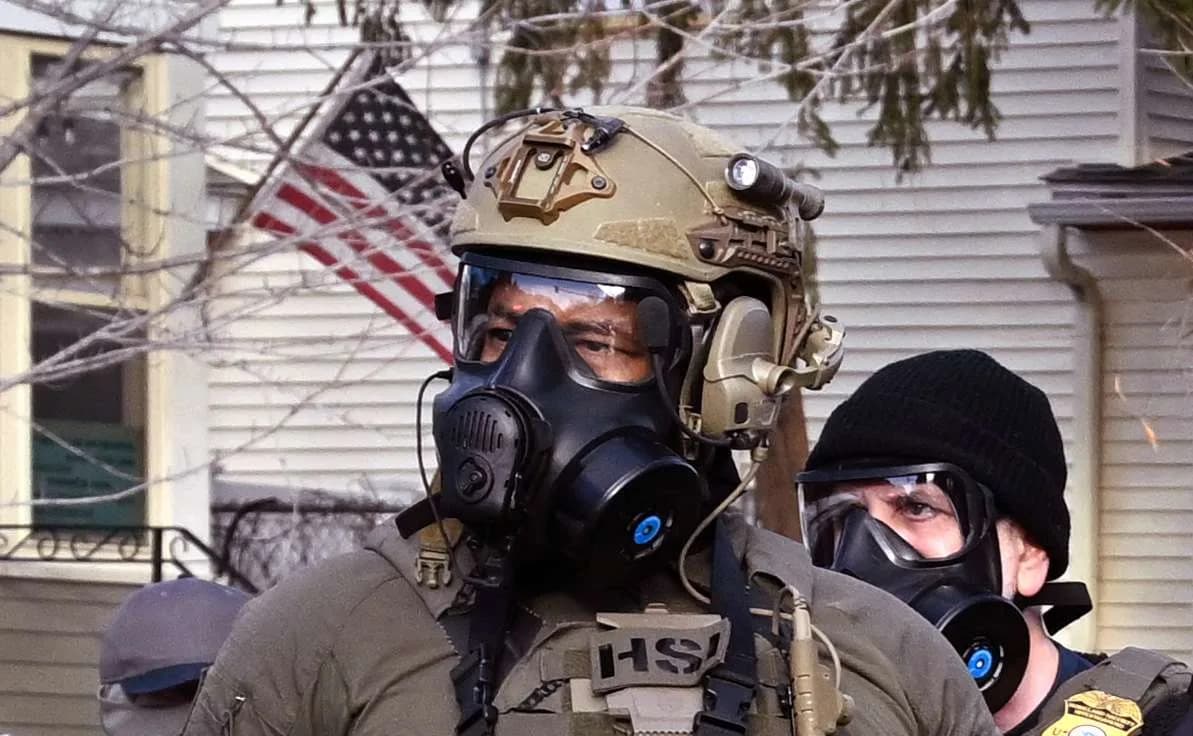
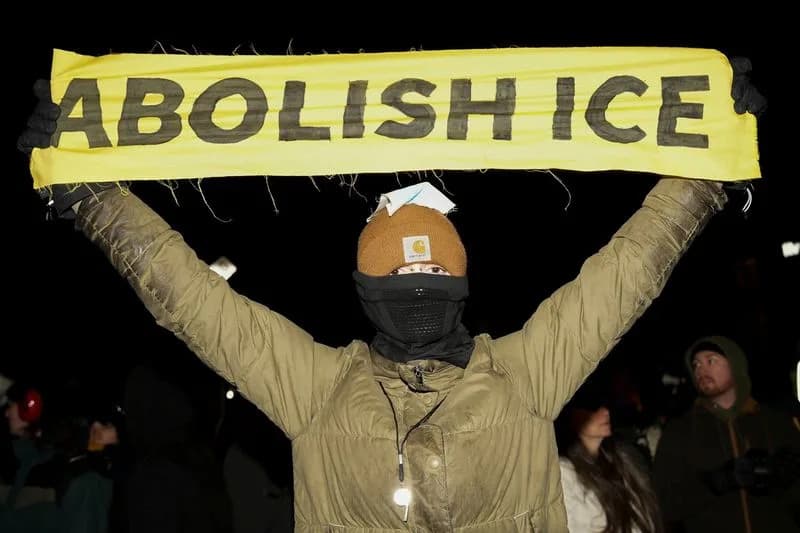
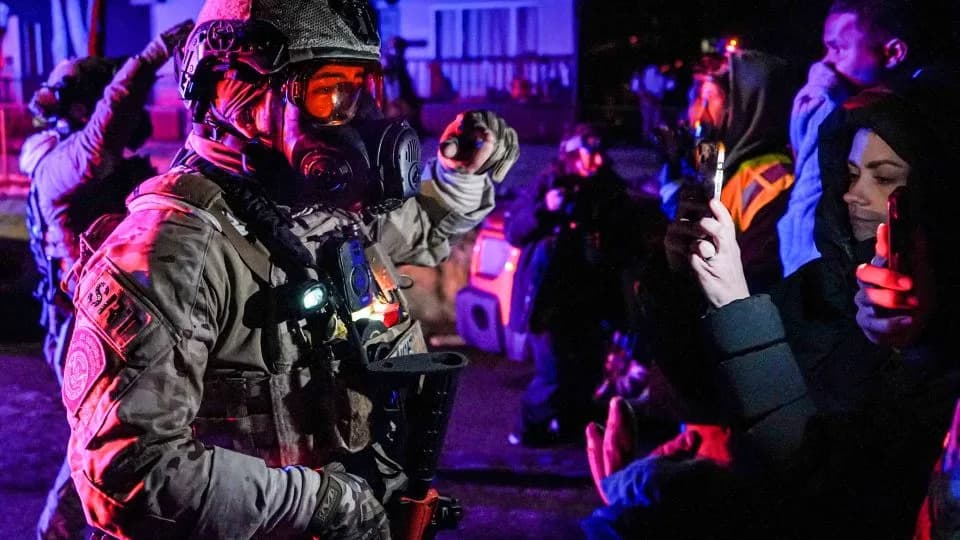
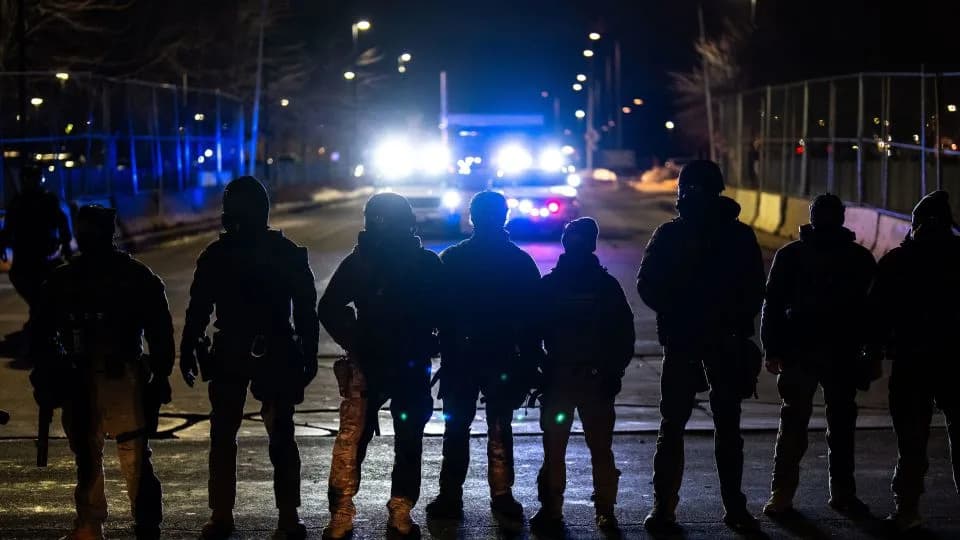
Philadelphia DA Larry Krasner’s pledge to prosecute ICE agents accused of unlawful conduct has prompted warnings from DHS, DOJ and legal scholars about a potential constitutional clash over federal authority. Experts say such prosecutions could trigger litigation under the Supremacy Clause and that federal officers are not above the law — but local efforts to detain or charge them while they perform federal duties raise serious legal obstacles. The dispute could ultimately be decided by courts or by Congress if lawmakers move to clarify enforcement authority.
Philadelphia DA’s Threat To Prosecute ICE Could Spark Landmark Court Battle Over Federal Authority
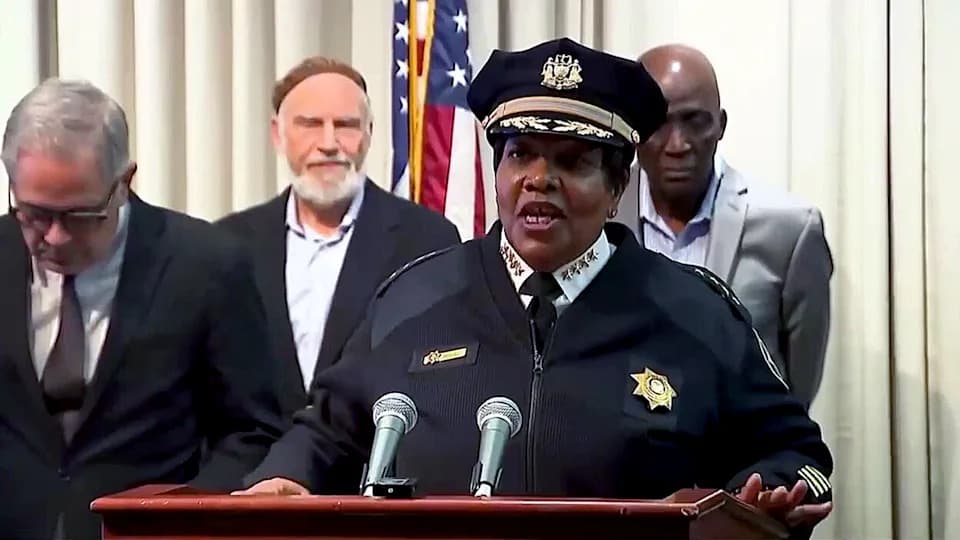
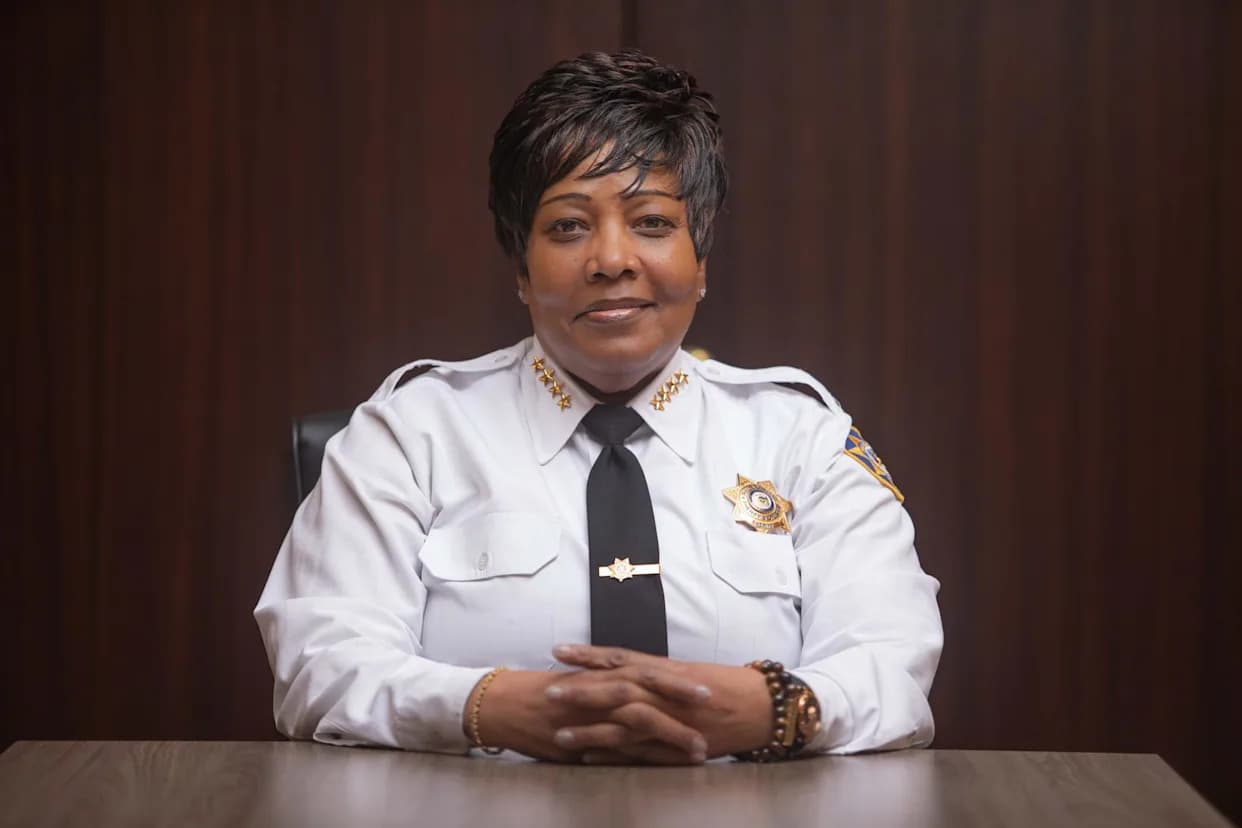
Philadelphia County Sheriff Rochelle Bilal, center, speaks as DA Larry Krasner, left, listens.(Fox News)
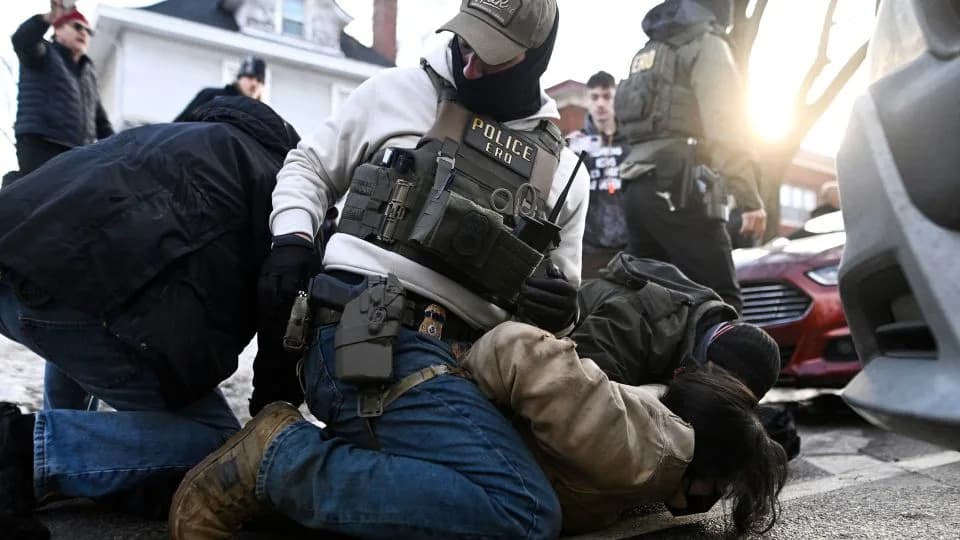
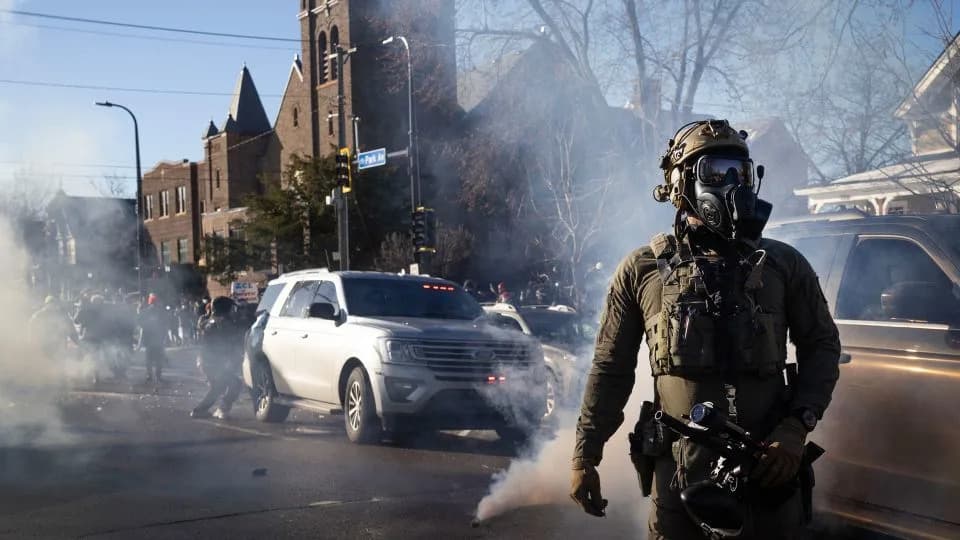
Philadelphia District Attorney Larry Krasner’s vow to prosecute Immigration and Customs Enforcement (ICE) officers accused of unlawful conduct has drawn sharp warnings from federal officials, legal scholars and law-enforcement advocates — and could set the stage for a high-stakes constitutional fight over who has authority to enforce immigration laws.
What Krasner Said
Last week Krasner said he would prosecute agents who "come to Philly to commit crimes," remarks apparently prompted by allegations tied to a separate incident in Minnesota in which an ICE agent shot a woman who, prosecutors say, intentionally struck him with her vehicle during an attempted operation. Philadelphia County Sheriff Rochelle Bilal echoed Krasner’s stance, calling ICE officers "fake, wannabe law enforcement" and warning them they "don’t want this smoke ‘cause we will bring it to you."
Federal Pushback
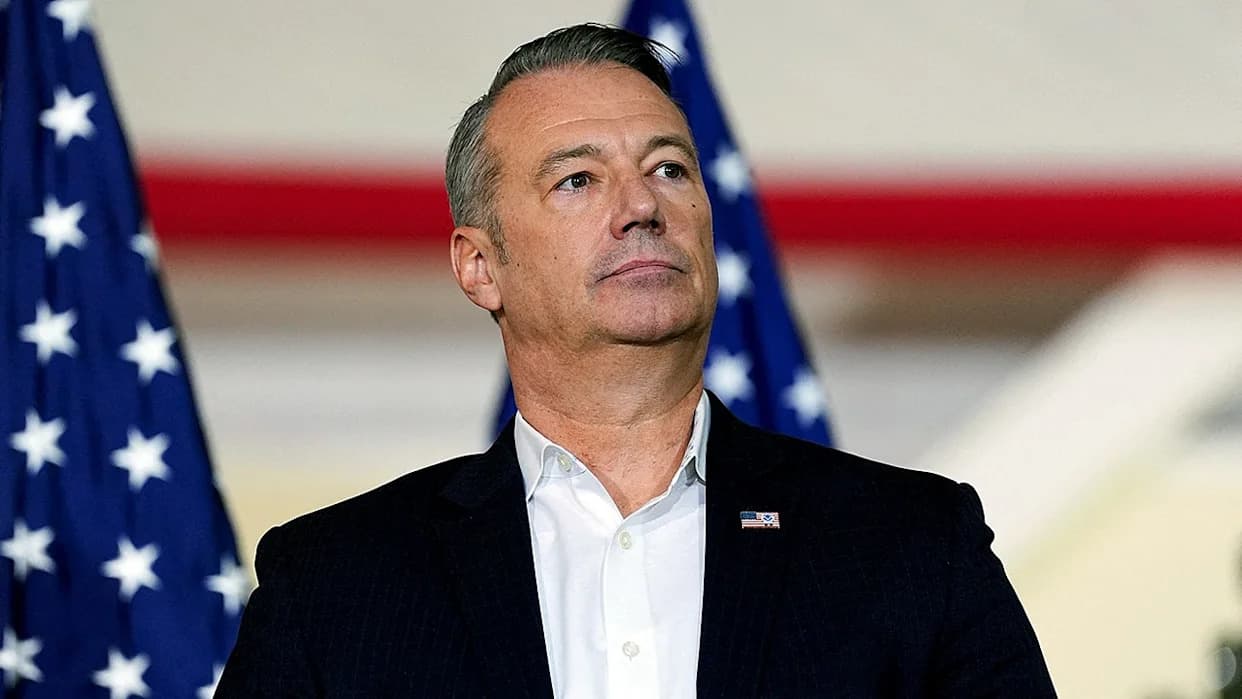
The Department of Homeland Security (DHS) and the Department of Justice (DOJ) told reporters a local effort to arrest federal officers engaged in immigration enforcement would likely invite immediate legal challenges and could be preempted under the U.S. Constitution’s Supremacy Clause. A Justice Department spokesperson reiterated the DOJ’s "zero-tolerance policy for violence against law enforcement" and said the department would hold offenders accountable "to the fullest extent of the law."
Legal Analysis
César Cuauhtémoc García Hernández, chair of Civil Rights & Civil Liberties at Ohio State University’s Moritz College of Law, emphasized two points: federal immigration officers are authorized to enforce federal law nationwide, and local authorities retain the power to investigate violent crime. "No one — not even federal law enforcement officers — can do anything they like in the course of carrying out their job duties," he said. The key legal question, Hernández added, is where the line is drawn between lawful federal action and criminal conduct — a determination he said courts must make after a proper investigation.
"The hard question is where the line is drawn. That is what courts are set up to do," Hernández said.
Views From Other Legal Observers
Pennsylvania state Sen. Doug Mastriano predicted federal authorities would prevail in litigation based on the Supremacy Clause, which makes federal law the "supreme law of the land." Conversely, a senior attorney at the investigative nonprofit Oversight Project argued that any local arrest of a federal officer carrying out official federal duties would be unlawful and could expose local officials to criminal charges for obstructing federal duties.
Practical Stakes
DHS Assistant Secretary Tricia McLaughlin defended agency operations, saying enforcement of federal immigration law is grounded in the Constitution and that Congress would be the appropriate body to create exceptions for local authorities. McLaughlin cited recent DHS arrests that she said justified federal activity, including the capture of Yehia Badawi — an Egyptian national convicted in Philadelphia of aggravated assault and robbery — and named other noncitizens convicted of violent crimes.
Possible Outcomes
Legal experts say the dispute could play out on several fronts: local prosecutors could pursue charges and face immediate federal intervention; courts may be asked to resolve whether state prosecutions of federal agents are permissible in specific circumstances; and Congress could be pressured to clarify or change the law. Ultimately, Hernández said, criminal charges should follow careful investigations that establish whether a federal officer’s conduct crossed into criminality.
Where Things Stand
Krasner’s office did not respond to a request for comment. Sheriff Bilal directed further questions to the district attorney’s office after a spokesperson noted that lawmakers in Harrisburg do not determine arrest decisions in Philadelphia. For now, federal and local officials remain at odds over how far municipal prosecutors can go when targeting federal immigration agents.
Help us improve.