Zohran Mamdani's 400-member transition team blends a handful of establishment figures with a larger contingent of community organizers, police-reform advocates and progressive academics. Several appointees have made statements that alarm Jewish community members and others, and multiple members favor significant NYPD budget reductions. The team includes no prominent school-choice advocates despite thousands of students enrolled in charter schools, and its composition suggests a push toward activist-driven governance that will require Albany and City Council cooperation to implement.
Inside Zohran Mamdani's Transition Team: Who Will Shape the New York City Agenda?

Zohran's Inner Circle: Meet the Radicals on Mamdani's Transition Team
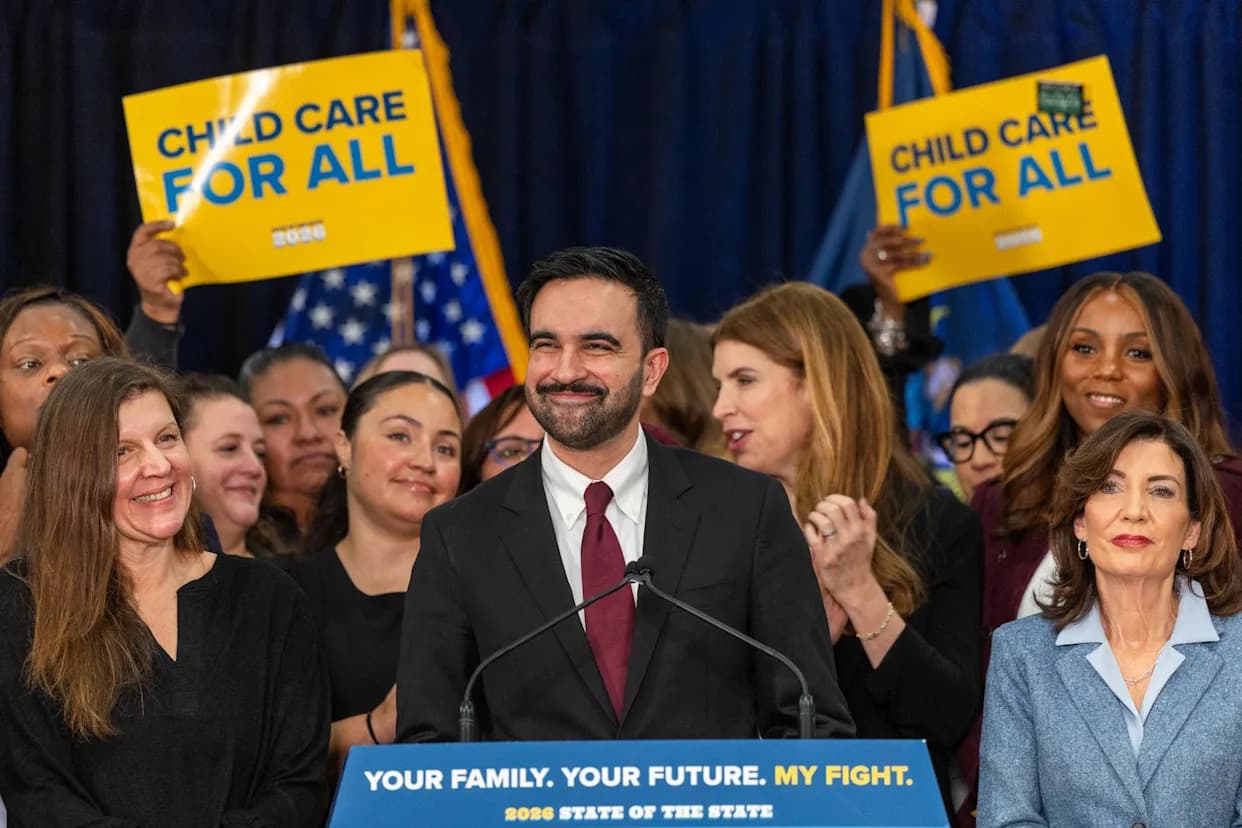
Zohran Mamdani's 400-member transition team offers an early blueprint for how he intends to govern New York City, a municipality that manages roughly a $115 billion budget and employs about 300,000 municipal workers. In a rapid personnel shift, Mamdani asked 179 staffers from Mayor Eric Adams's administration to resign before the handover — a larger and faster turnover than is typical.
A Mix of Establishment Names and Progressive Organizers
Seventeen transition committees cover familiar portfolios such as education, housing, health and public safety — along with two novel panels, Community Organizing and Worker Justice. The rosters include some establishment figures, such as former Fire Commissioner Laura Kavanagh, CUNY Chancellor Félix Matos Rodriguez, and Kathryn Wylde, departing head of the Partnership for New York. Yet the overall list skews toward community organizers, progressive academics, and advocates of police reform.
Controversy Over Some Appointees
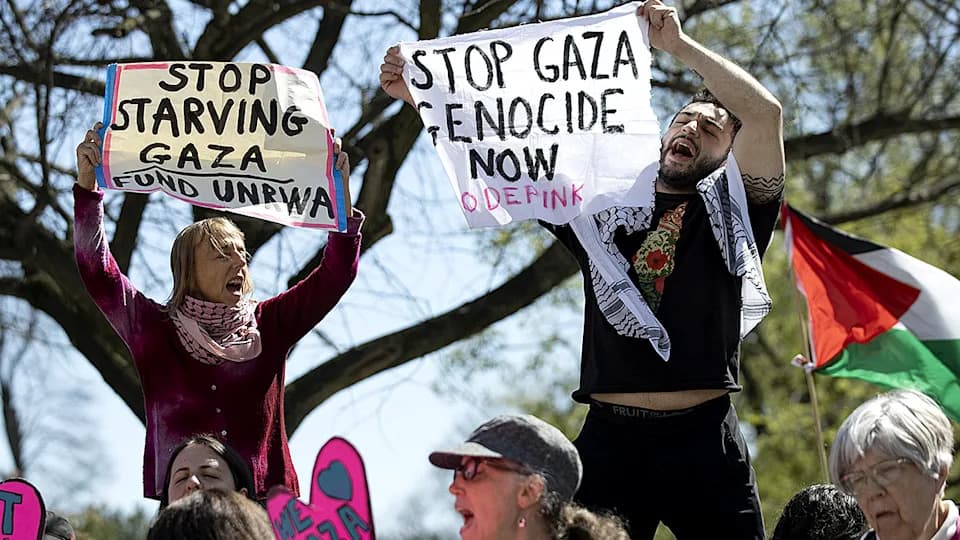
Several appointees have made statements that alarmed parts of the Jewish community and other observers. For example, Jenna Hamed, on the Committee on Arts & Culture, wrote after the October 7, 2023 attacks that she supported "all measures taken" for the Palestinian cause. Tamika Mallory, on the Committee on Community Safety, has criticized Jewish communities and expressed admiration for Louis Farrakhan, a widely criticized figure. Lumumba Bandele, on the Committee on Community Organizing, expressed solidarity while the October 7 events were unfolding. These remarks have raised questions about Mamdani's pledge during the campaign to "protect Jewish New Yorkers" and to "celebrate and cherish them."
Policy Tendencies: Policing, Property, and Schools
A notable anti-policing current is visible among several appointees. Elana Leopold was among more than 230 former and current city-affiliated signers of a 2020 letter that called for an immediate $1 billion reduction in the NYPD operating budget and the reallocation of funds to social services. Academics on the team include Brooklyn College sociologist Alex Vitale (author of The End of Policing) and Max Markham of NYU's Policing Project, who has advocated limiting police involvement in certain property-theft responses.
The Community Organizing committee includes organizers who openly challenge private-property norms: Julie Xu of CAAAV said she joined to "jam the gears of private property and fight for true housing justice." The roster contains many professionalized organizers and nonprofit leaders, some of whom have received public funding for their work.
On education, Mamdani included two representatives of the United Federation of Teachers on the education committee but appears to have appointed no current classroom teachers or students and no prominent advocates of school choice. Critics note that more than one in six New York City public-school students attend one of the city's 285 charter schools and that many families remain on long waiting lists for charter seats.
Political Alignments and Governing Challenges
At least six members of the Democratic Socialists of America are on the transition team, including two on the technology committee — a nod to grassroots organizers who helped elect Mamdani. The roster also includes numerous alumni of the Bill de Blasio era; even an inexperienced mayor typically leans on officials familiar with running city government. Susan Herman, placed on the Community Safety committee, previously led ThriveNYC, a mental-health initiative associated with the de Blasio administration.
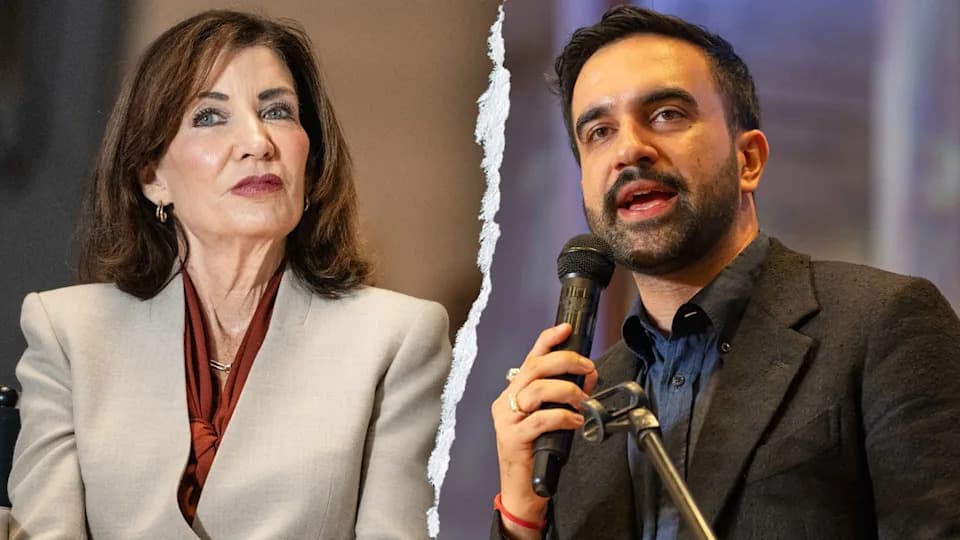
Turning transition priorities into policy will require cooperation from state government and the City Council. Progressives control the State Legislature, but Governor Kathy Hochul has often been pragmatic in negotiations. The City Council remains broadly progressive, though the selection of a more moderate likely speaker has given some observers hope of internal checks on an activist mayoral agenda.
Expanding Executive Reach
Co-chair Lina Khan, chair of the Federal Trade Commission, has flagged an interest in identifying the full range of unilateral authorities available to the mayor — a sign that the transition team may seek ways to advance policy even when legislative paths are uncertain. Mamdani's own victory-line — "There is no problem too large for government to solve, and no concern too small for it to care about" — reinforces expectations that his administration will pursue an expansive, activist agenda.
Bottom Line: The transition roster signals a tilt toward community organizing, police reconfiguration, and progressive policymaking. How much of that agenda becomes reality will depend on negotiations with Albany, the City Council, and practical governance choices once Mamdani names his senior team.
Help us improve.