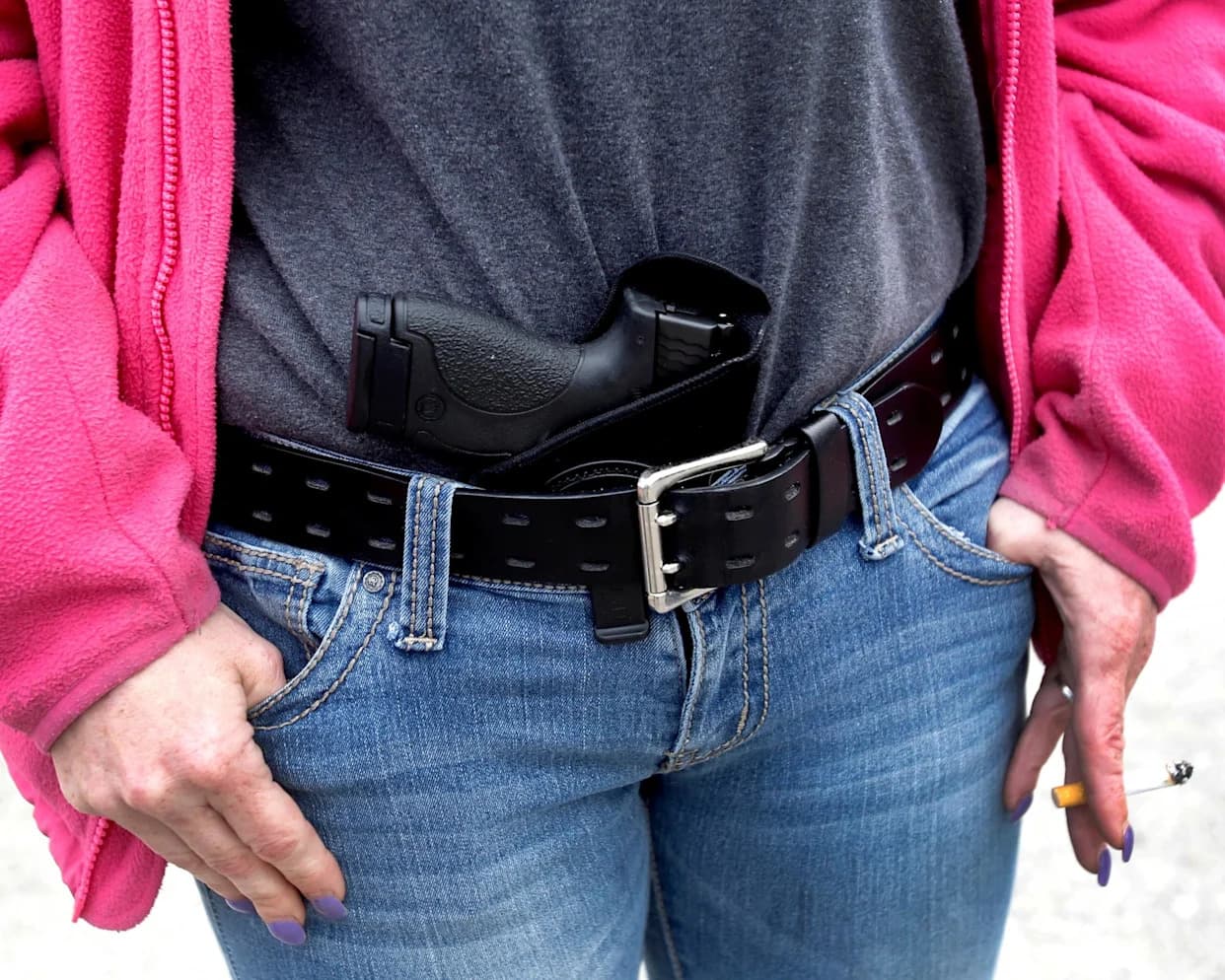
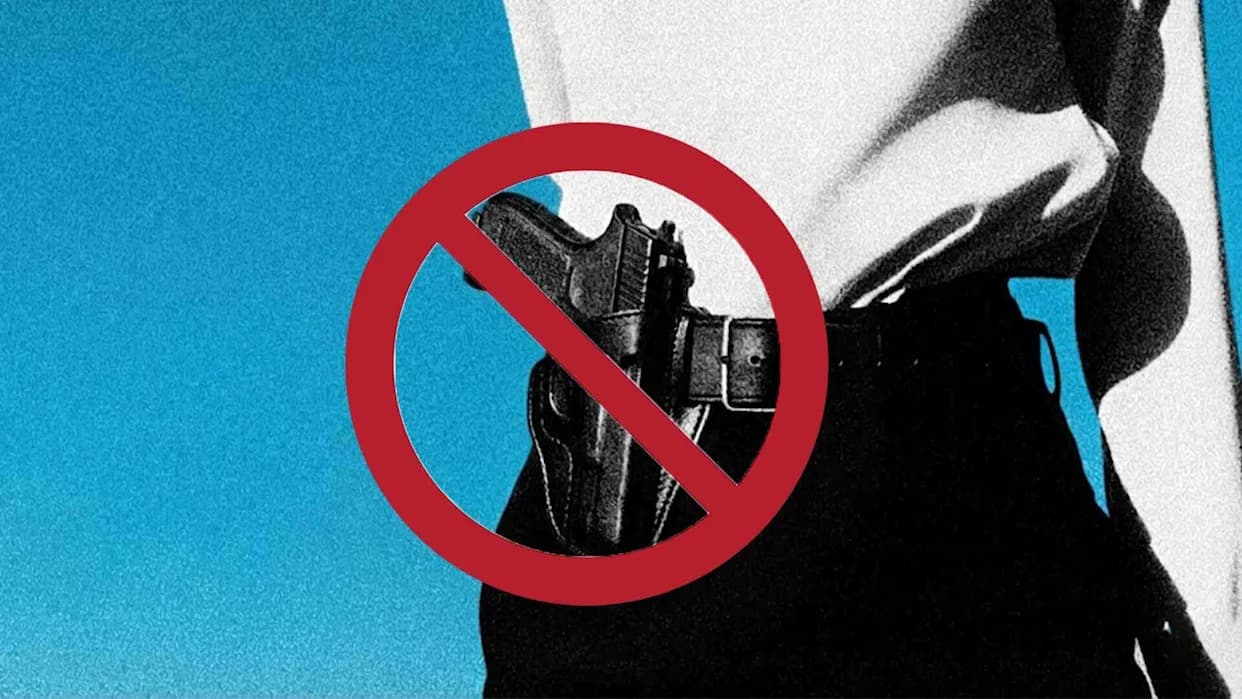
A three-judge panel of the U.S. Court of Appeals for the Ninth Circuit ruled 2-1 that California’s ban on openly carrying firearms in counties with populations above 200,000 violates the Second Amendment. The decision affects counties that contain roughly 95% of California’s population and could reshape open-carry rules across the state.
Majority Opinion and Legal Test
U.S. Circuit Judge Lawrence VanDyke, a Donald Trump appointee, wrote the majority opinion, finding that the state’s prohibition cannot be sustained under the U.S. Supreme Court’s 2022 decision in New York State Rifle & Pistol Association v. Bruen. That ruling established a historical-tradition test for firearm regulations: modern restrictions must be consistent with the Nation’s historical tradition of firearm regulation.
VanDyke: 'The historical record makes unmistakably plain that open carry is part of this Nation's history and tradition.'
VanDyke argued that open carry is a historical practice predating the Bill of Rights and pointed to examples in California law history to support his conclusion.
History Cited by the Court
The opinion notes California originally outlawed public carrying of firearms under the Mulford Act of 1967, enacted in part after armed patrols by the Black Panther Party at the state capitol. VanDyke referenced that episode as evidence of racial animus motivating that earlier law and as part of the historical record the court reviewed.
The court also observed that more than 30 states generally permit open carry and that California allowed citizens to carry unloaded, holstered handguns openly for self-defense until a 2012 change in state law.
Scope of the Ruling
The ruling partially reversed a 2023 lower-court decision that had rejected a 2019 challenge brought by gun owner Mark Baird. While the Ninth Circuit largely sided with Baird's challenge to the statewide ban in large counties, it rejected his separate challenge to licensing requirements in counties with fewer than 200,000 residents; those smaller counties may continue to issue open-carry permits under existing law.
Dissent and Reaction
Senior U.S. Circuit Judge N. Randy Smith, a George W. Bush appointee, dissented. He wrote that his colleagues 'got this case half right' and argued the state's restrictions do comply with the Supreme Court’s Bruen framework. Representatives for California Attorney General Rob Bonta, whose office defended the ban, did not immediately respond to requests for comment. Baird’s attorney also had no immediate comment.
Wider Context and Next Steps
The decision comes amid a wave of litigation nationwide testing modern firearm regulations under Bruen. The U.S. Supreme Court is scheduled to hear United States v. Hemani in March, a case that will consider whether a federal prohibition on gun possession by marijuana users violates the Second Amendment. Separately, a Ninth Circuit panel in September 2024 upheld California restrictions that bar permit holders from carrying in several categories of 'sensitive places' such as bars, parks, zoos, stadiums and museums.
The Ninth Circuit’s ruling will likely be subject to further appeals and could prompt additional litigation over how Bruen’s historical-test approach applies to contemporary public-safety regulations.