The Justice Department has appealed rulings that led to dismissal of charges against James Comey and New York Attorney General Letitia James, arguing the lead prosecutor was validly appointed. A federal judge found interim U.S. Attorney Lindsey Halligan improperly served after her predecessor reached the 120-day statutory limit and threw out the indictments because she was the only prosecutor to sign them. Prosecutors failed twice to re-indict James, and Comey’s case is complicated by a five-year statute of limitations issue. The appeals ask a higher court to revive or allow refiling of the cases.
Justice Department Appeals Rulings That Tossed Indictments Against Comey and Letitia James

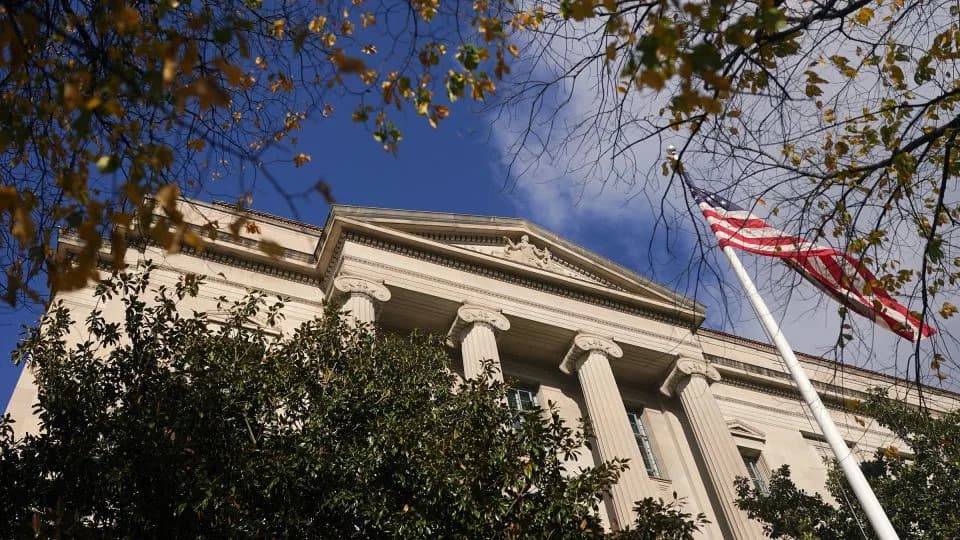
The Justice Department has filed appeals in the cases that led to the dismissal of criminal charges against former FBI Director James Comey and New York Attorney General Letitia James, arguing that the lead prosecutor in both matters was validly appointed.
Both appeals challenge U.S. District Judge Cameron Currie’s finding that interim U.S. Attorney Lindsey Halligan was improperly appointed. Judge Currie concluded Halligan should not have served because her predecessor, Erik Siebert, had already occupied the interim post for the 120-day statutory maximum, and because Halligan was the only prosecutor who signed the indictments in the two cases. The court ruled those indictments defective and ordered them dismissed.
Background
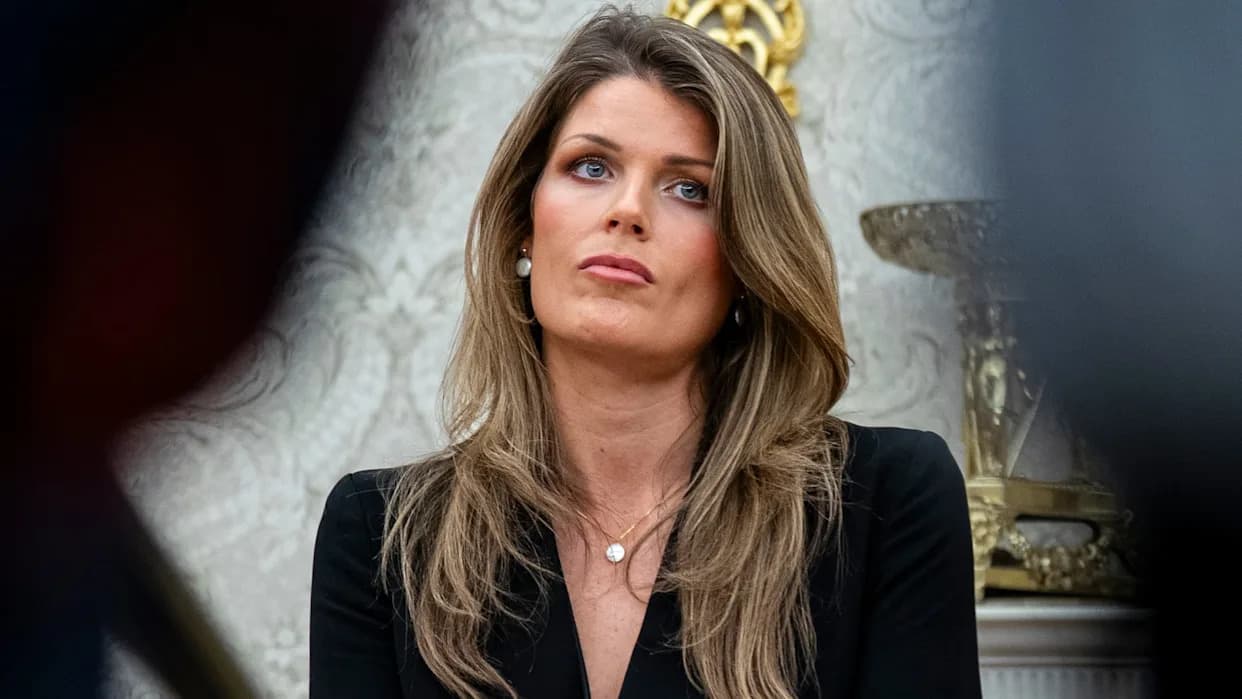
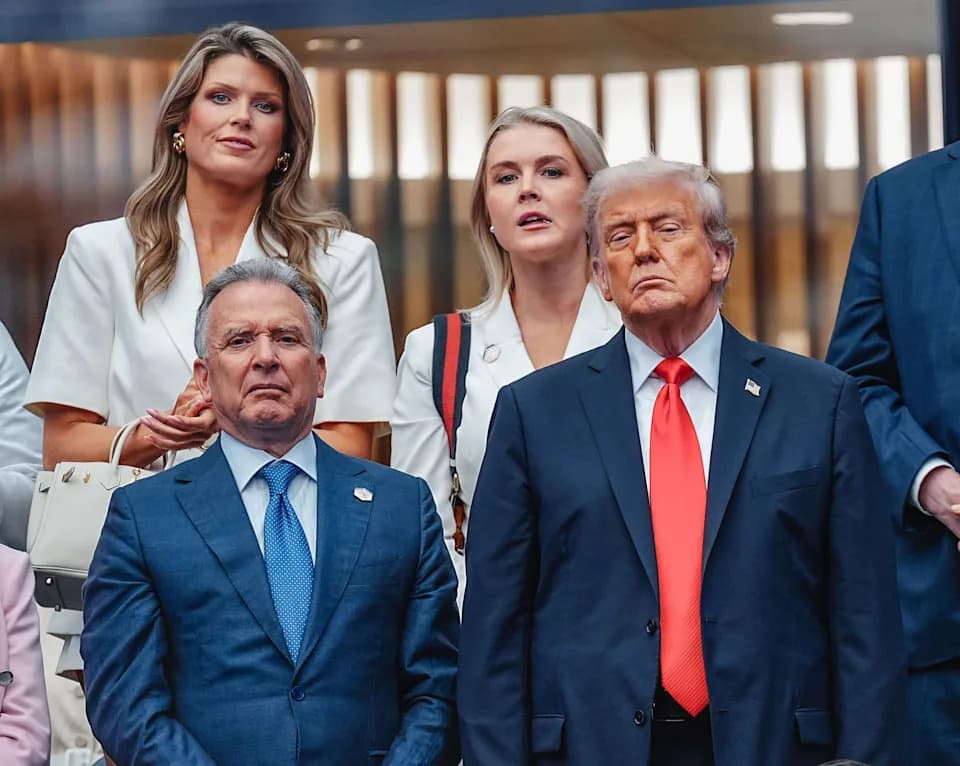
Attorney General Pam Bondi — acting, the filings say, at the urging of President Donald Trump — appointed Halligan in September as interim U.S. attorney for the Eastern District of Virginia. Halligan, a onetime personal lawyer to Mr. Trump with no prior prosecutorial experience, secured criminal charges against Comey and James within days of taking the post.
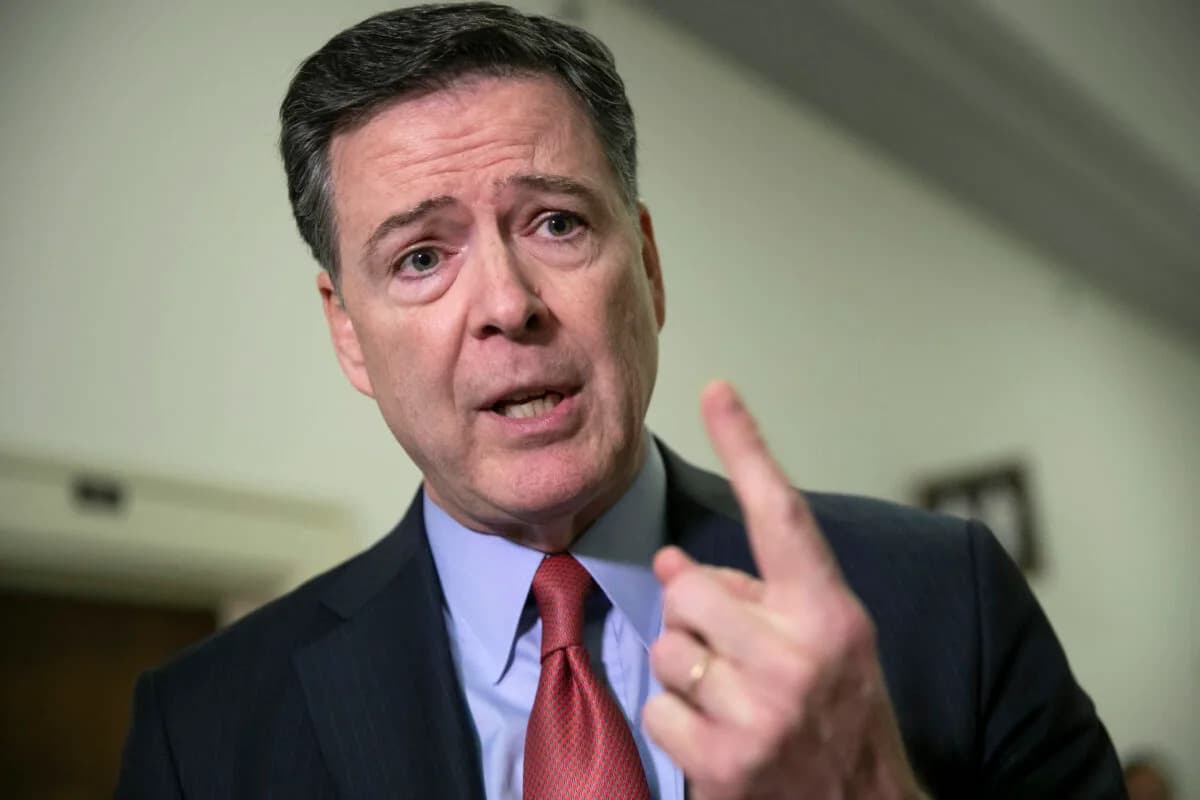
Comey was indicted in late September on allegations that he lied to Congress in 2020 while testifying about the FBI’s investigation into contacts between the 2016 Trump campaign and Russia. Letitia James was charged with mortgage fraud related to a property she purchased in Virginia. Both pleaded not guilty and noted that charges were filed shortly after public demands from President Trump that his Justice Department pursue cases against his political adversaries.
Legal Issues And Next Steps
The Justice Department’s decision to appeal followed two unsuccessful efforts by prosecutors to re-indict Letitia James — uncommon rebukes by grand juries that prompted questions about the strength and motivations of the prosecutions. Reviving Comey’s case faces a particular procedural obstacle: his original indictment arrived just days before a five-year statute of limitations expired, and his legal team contends that failing to obtain a valid indictment before that deadline bars further prosecution.
The appeals ask a higher court to reverse or narrow Judge Currie’s ruling so the charges could be reinstated or refiled. The outcomes will hinge on how appellate judges interpret the statutory limits on interim appointments and the legal effect of a prosecutor’s signature on an indictment.
Bottom line: The appeals do not retry the underlying evidence against either defendant; they challenge the legal basis for the dismissals. Higher-court rulings in these appeals will determine whether the cases can proceed.
Help us improve.