The U.S. attorney in Miami, Jason Reding Quiñones, has broadened an inquiry into former FBI and intelligence officials connected to the 2016 Russia investigation, issuing roughly two dozen subpoenas and convening a Fort Pierce grand jury set to meet in January. Critics — including former DOJ officials and prosecutors — call the probe a politically motivated 'fishing expedition' and question its legal basis and choice of venue. Right-wing lawyer Mike Davis and other Trump allies have publicly pushed the investigation, while legal experts warn of statute-of-limitations hurdles and procedural risks. The expansion has prompted internal resignations and renewed debate about prosecutorial discretion and politicization of the Justice Department.
Trump Ally in Miami Widens Probe of Former Intelligence Officials, Drawing Criticism as Politically Driven

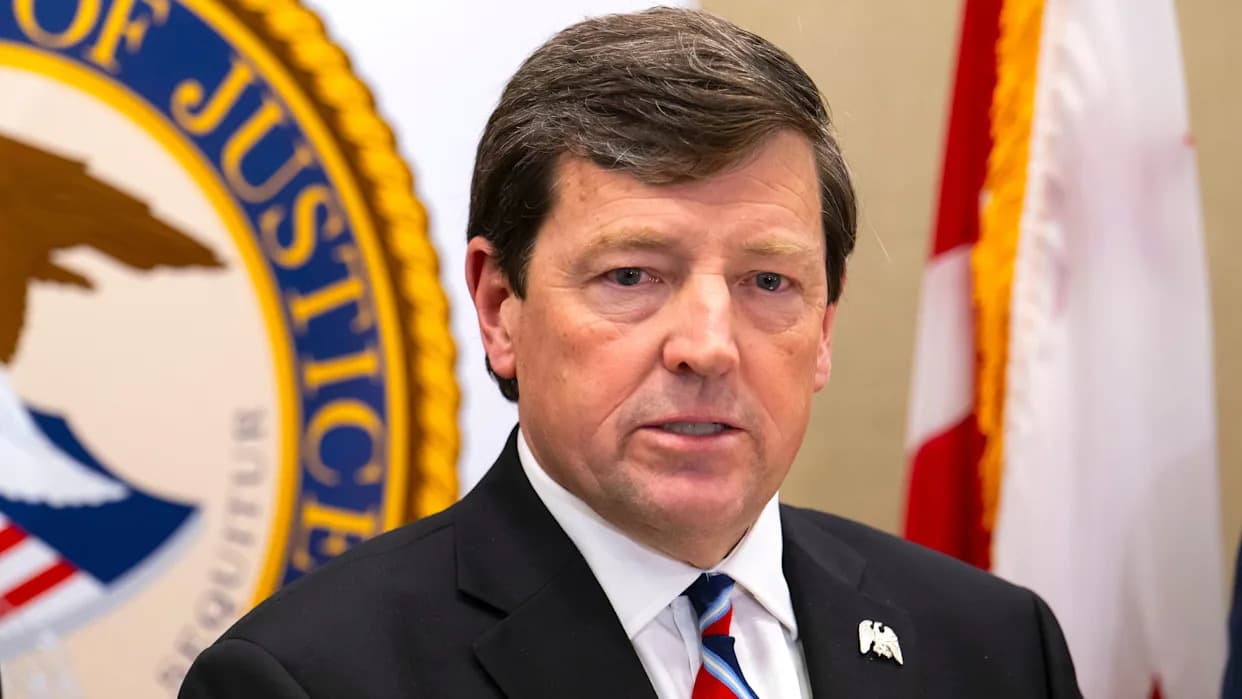
Jason Reding Quiñones, the US attorney for the southern district of Florida, in Brooklyn in August.Photograph: Michael M Santiago/Getty Images
A Trump-aligned U.S. attorney in Miami, Jason Reding Quiñones, has expanded an inquiry into former FBI and intelligence officials connected to the 2016 Russia investigation. The probe — now reported to have produced roughly two dozen subpoenas and a new Fort Pierce grand jury scheduled to convene in January — has prompted sharp criticism from former Justice Department officials and legal experts who describe it as politically motivated.
Scope And Targets
Subpoenas reportedly have been served on several high-profile figures, including former CIA director John Brennan, former Director of National Intelligence James Clapper, ex-FBI counterintelligence agent Peter Strzok, former FBI lawyer Lisa Page and former FBI deputy director Andrew McCabe. The inquiry was transferred to the Southern District of Florida from a Pennsylvania investigation and has since broadened under Reding Quiñones.
Allegations Of Political Motive And Procedural Concerns
Critics say the investigation appears aimed at identifying ways to bring criminal charges against officials who have been previously investigated and largely exonerated. Former Justice Department inspector general Michael Bromwich, who represents Andrew McCabe, called the probe 'a fishing expedition' and argued it lacks a factual predicate and an adequate explanation for venue in Florida.
"There is simply no factual basis for this investigation," Bromwich said. He added that the government has not explained the statutory violations it is pursuing and called the approach unprecedented in his four decades of practice.
Other former prosecutors echoed those concerns. Barbara McQuade, a former U.S. attorney and law professor, said the new inquiry should be viewed skeptically given the earlier exhaustive investigations by two special counsels and a Republican-led Senate panel. Jeffrey Sloman, a longtime veteran of the U.S. attorney's office now overseeing the probe, warned prosecutors not to allow grand juries to be used to target political opponents.
Role Of Outside Actors And Political Context
Legal observers link part of the probe’s momentum to Mike Davis, a right-wing attorney who leads the Article III Project and has close ties to Reding Quiñones and other MAGA allies. Davis has publicly urged aggressive action against what he calls 'lawfare' and has been quoted encouraging prosecutions of officials who investigated Trump. Reding Quiñones, who was confirmed in August and sworn in by former Florida attorney general Pam Bondi, pledged to 'restore impartial justice' at his oath-taking.
Supporters describe the effort as a search for a "grand conspiracy" that would tie the 2016 Russia assessment and subsequent probes to a broader effort to deprive Trump of his rights. Critics counter that statutes of limitations and prior exonerations make criminal charges unlikely.
Resignations, Legal Pushback And Related Court Setbacks
Two junior prosecutors reportedly resigned after being assigned to the case, citing ethical and professional concerns. Observers note the inquiry comes as other politically charged prosecutions have recently faltered: a judge dismissed indictments in separate Trump-era cases against former FBI director James Comey and New York Attorney General Letitia James, citing procedural problems and the improper appointment of an interim U.S. attorney in one instance.
NYU law professor Stephen Gillers warned that grand jury investigations and trials can be used as political weapons even if they do not result in convictions. 'A grand jury investigation and a trial can make the lives of political enemies miserable,' he said.
What Comes Next
The Fort Pierce grand jury is expected to begin in January. Observers say the key legal questions will include whether the Justice Department can identify new evidence that overcomes prior investigations and whether any charges can survive procedural and statute-of-limitations challenges. For now, the probe has heightened debate over the politicization of the justice system and the proper limits of prosecutorial discretion.
Help us improve.