The EU meets in Brussels to decide whether to use €210 billion in frozen Russian central bank assets to support Ukraine, with an initial €90 billion proposed for the next two years via a 'reparations loan'. Belgium—home to Euroclear and led by Prime Minister Bart De Wever—opposes the plan over fears of legal and financial retaliation. EU leaders say a decision is urgent to prevent a looming €135 billion funding shortfall for Ukraine and to preserve the bloc's credibility, while parallel US-Russia talks add diplomatic pressure.
EU Leaders Meet in Brussels to Decide on Using €210bn Frozen Russian Assets for Ukraine

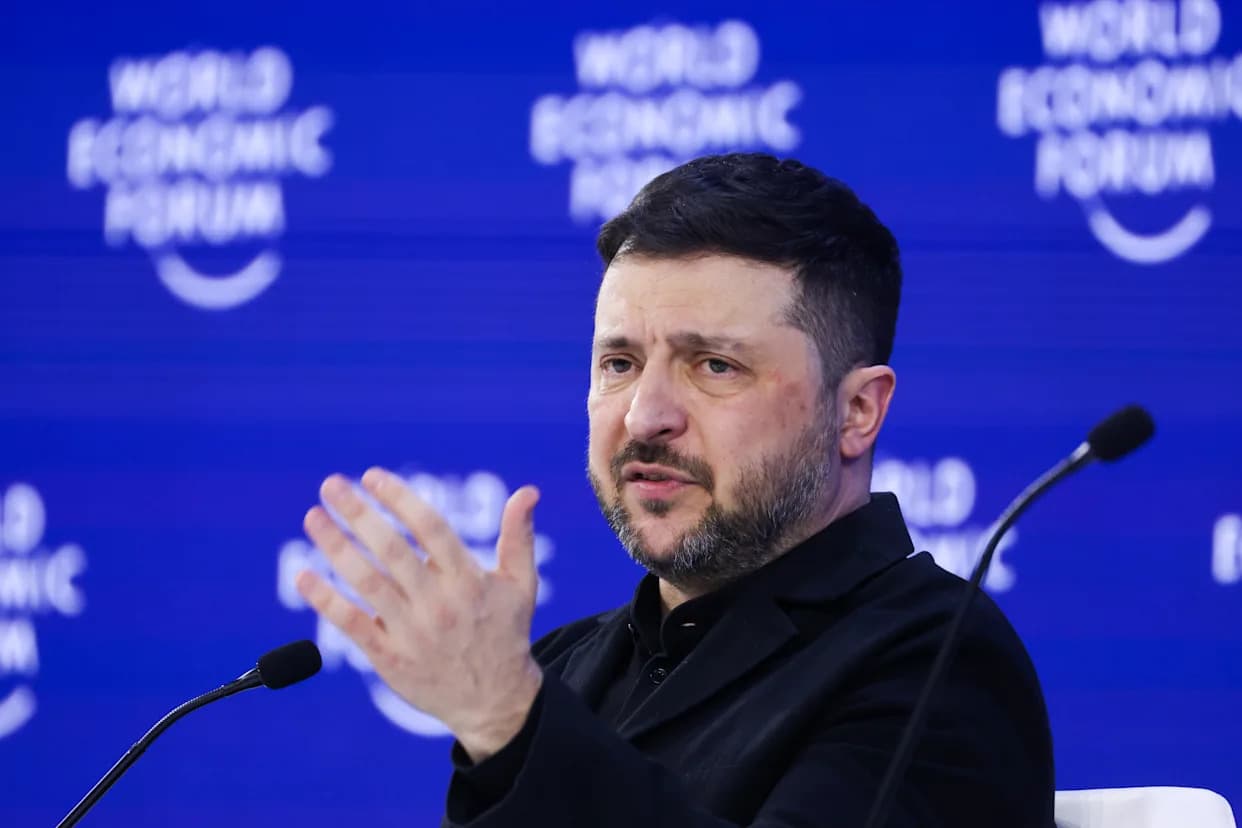
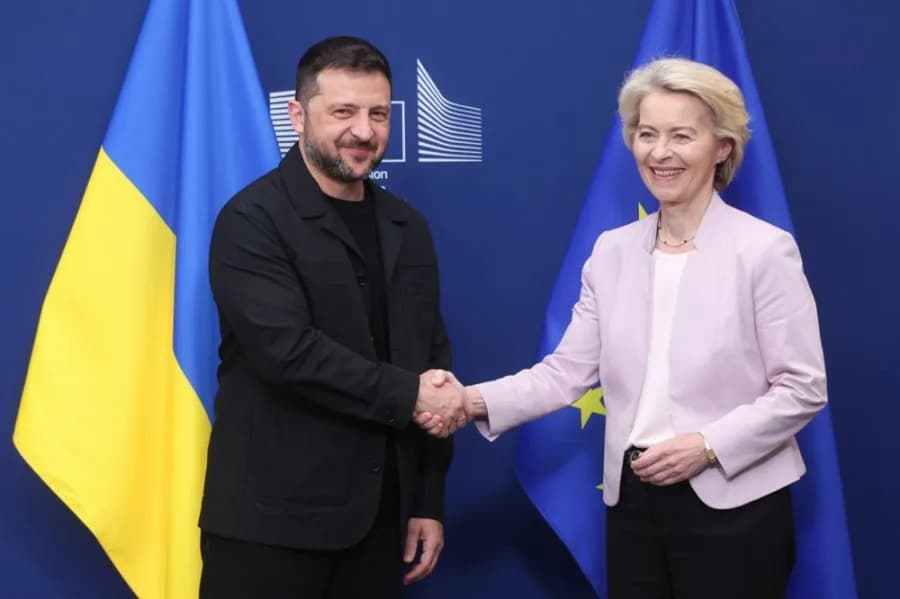
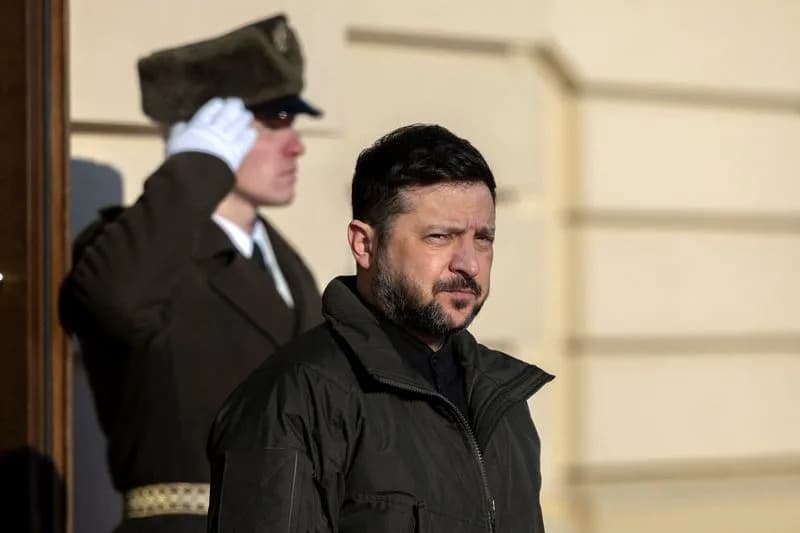
Ukraine's President Volodymyr Zelensky is pushing the EU to use frozen Russian assets to fund Kyiv (JOHN THYS)(JOHN THYS/AFP/AFP)
EU leaders gather in Brussels for a high-stakes summit to resolve whether frozen Russian central bank assets held in the bloc can be used to help finance Ukraine as the war approaches its fourth year. The decision could shape Kyiv's immediate survival and the EU's long-term credibility as a united actor on the world stage.
What Is on the Table
The European Commission has proposed tapping roughly €210 billion in Russian central bank assets frozen in EU jurisdictions. Under the plan, an initial €90 billion would be channelled to Kyiv over two years through an untested mechanism: the frozen assets would be loaned to the EU, which would then lend the funds to Ukraine as a so-called 'reparations loan'. The commission says Ukraine would only begin repaying the loan once the Kremlin is held responsible and ordered to pay for the damage it inflicted.
Why This Matters Now
Brussels says Ukraine needs an extra €135 billion over the next two years to stay solvent, with a funding shortfall expected to begin in April. Officials warn that failure to secure a financing route risks a severe aid gap for Kyiv and could damage the EU's reputation for collective action.
'If we do not succeed in this, then the European Union's ability to act will be severely damaged for years,' said German Chancellor Friedrich Merz, adding that the bloc must show it can stand together at a crucial moment.
Belgium's Opposition
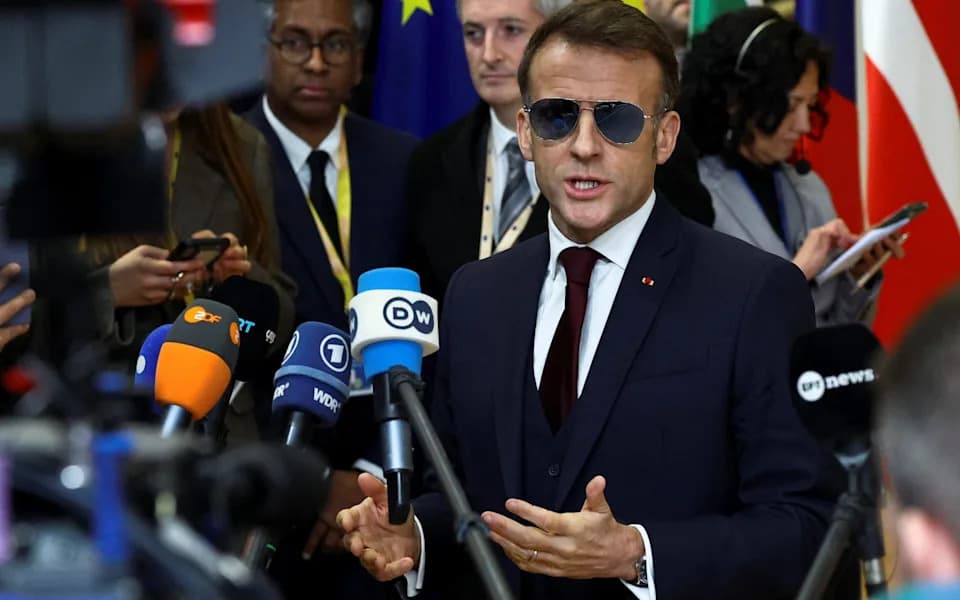
Belgium is the most prominent holdout. Much of the frozen assets are held by Euroclear, the international settlement organisation based in Belgium, and Belgian leaders — led by Prime Minister Bart De Wever — fear potential financial and legal retaliation from Moscow. Russia has already signalled pushback by announcing plans to sue Euroclear.
Belgium has demanded broad and potentially unlimited guarantees and wants frozen assets held in other countries to be tapped as well. While other member states have proposed layered protections and state-backed guarantees to limit Belgian exposure, De Wever has remained resistant.
Alternatives And Political Stakes
The Commission has discussed a fallback option under which the EU would raise and lend the funds itself, but that route is effectively on hold because it requires unanimous approval from all 27 members — and Hungary has already rejected it. Brussels officials say the bloc could in theory adopt the reparations-loan plan by a qualified majority without Belgium, but most see that as a last-resort, divisive step.
International Context
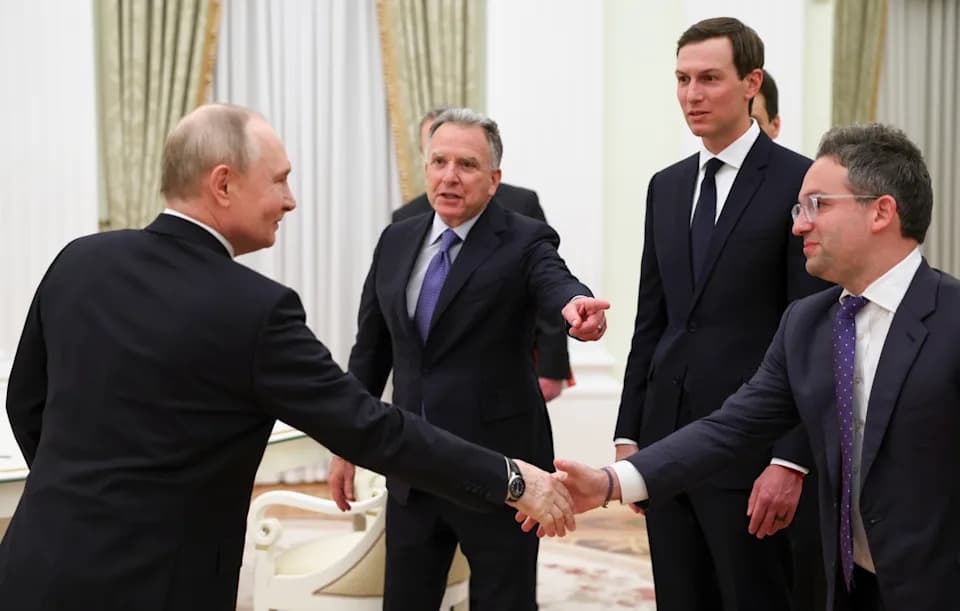
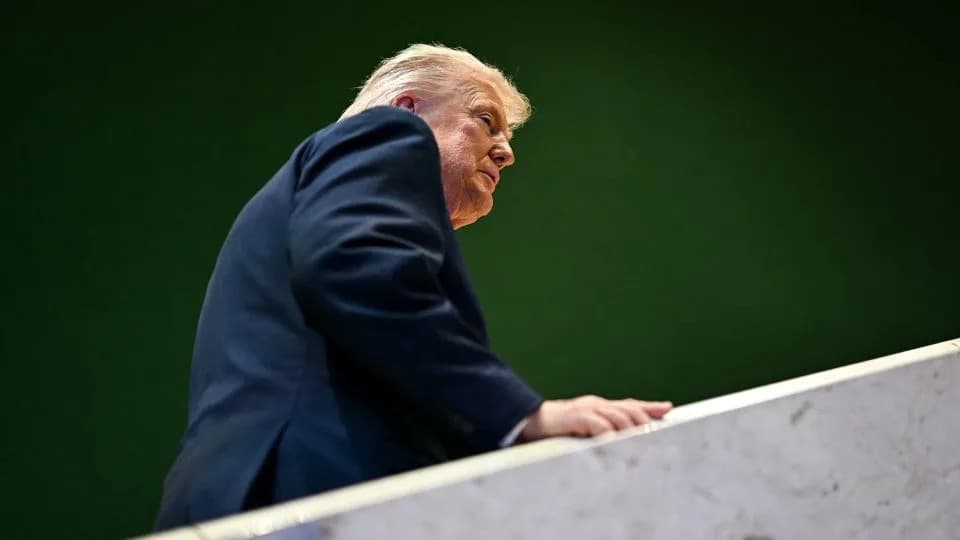
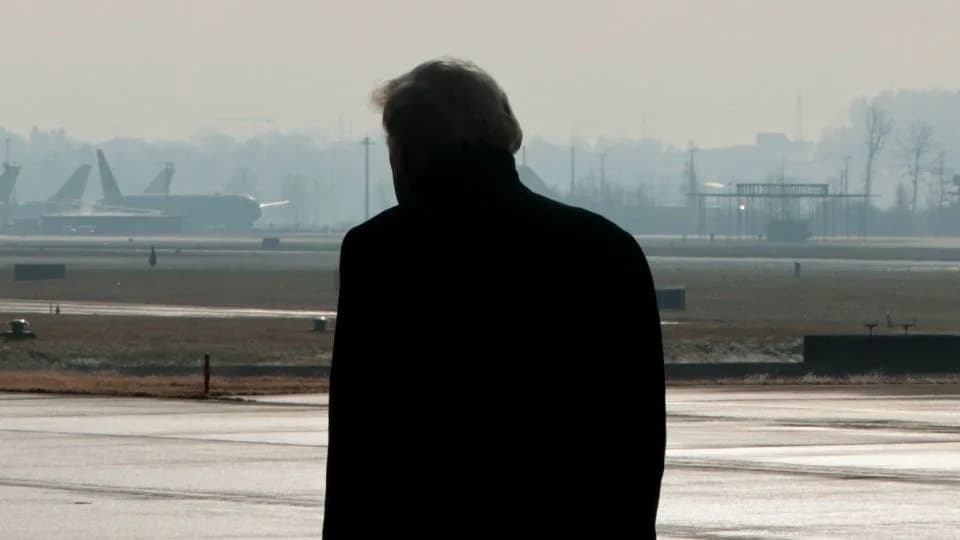
Complicating the summit are parallel US efforts to broker a peace process. US and Russian officials are due to meet in Miami this weekend to discuss a plan promoted by former US President Donald Trump. US envoys reportedly to take part include Steve Witkoff and Jared Kushner; Russia may be represented by economic envoy Kirill Dmitriev.
Ukraine has warned that Washington is urging caution over using the frozen assets, viewing them as leverage in wider negotiations with Moscow. EU officials reject the suggestion that US diplomacy is the primary driver and say the push to mobilise the assets has been motivated by Kyiv's urgent financing needs.
What To Expect From The Summit
Diplomats say talks will continue until leaders reach an accord. Even if Brussels leaves the meeting with only a political agreement, officials expect technical details to be finalised afterwards to avoid a funding gap for Ukraine. 'We need to find a solution,' one EU diplomat said. 'I'd be surprised if they break up without a decision.'
Reporting contributed by multiple EU diplomats and officials. Names and some sources withheld by request.
Help us improve.