President Trump announced that U.S. forces captured Venezuelan President Nicolás Maduro and moved him to a U.S. military ship, calling the action part of a broader operation that included “large‑scale strikes.” The move follows months of stepped‑up U.S. pressure — including strikes on alleged drug boats and a CIA drone strike on Dec. 30 — amid longstanding concerns about Venezuela’s corruption, refugee crisis, and role as a drug trans‑shipment hub. The U.S. labels Maduro the head of a “narcoterrorist cartel,” though some allegations are disputed. Many legal, political and regional consequences remain uncertain.
Why Trump Sent Troops To Seize Maduro — What Happened And What Comes Next

A supporter of Venezuela's President Nicolas Maduro holds up a portrait of him in Caracas on January 3, 2026, after US forces captured the Venezuelan leader. | Pedro Mattey/AFP via Getty Images
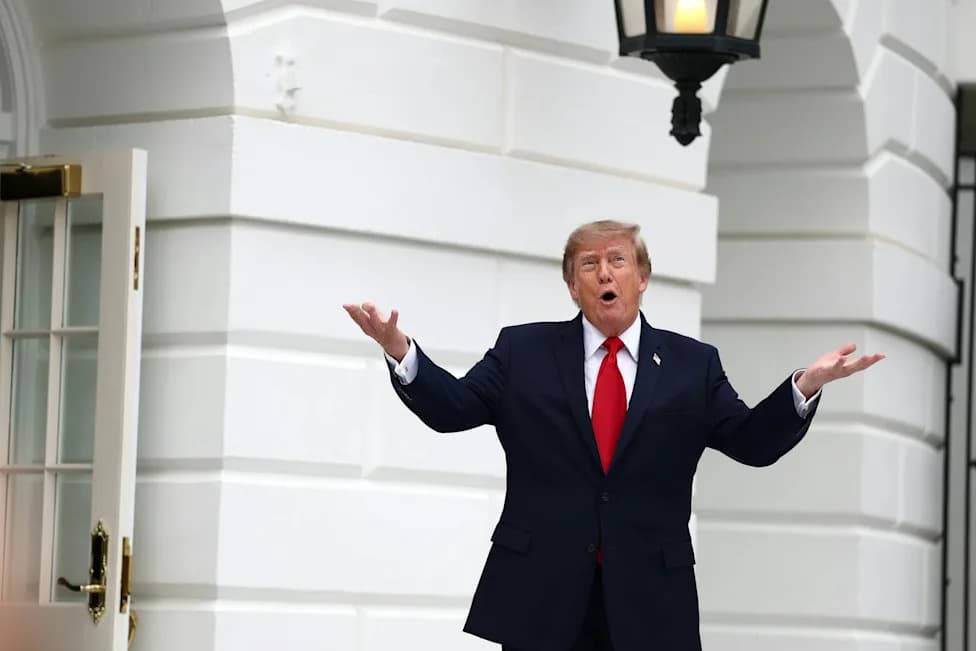
President Donald Trump announced on Saturday that U.S. forces had captured Venezuelan President Nicolás Maduro and flown him to a U.S. military ship off Venezuela’s coast, with plans to transfer him to New York. Trump said the capture was part of a larger military operation that also included what he described as “large‑scale strikes” on Venezuelan targets. Independent verification of the full operation remains limited, and many details are still unclear.
What Trump Announced
According to the White House announcement, Maduro was taken in a targeted operation that followed months of stepped‑up U.S. pressure on Caracas. The administration said the objective was to disrupt criminal networks and remove a regime it calls a “narcoterrorist cartel.” U.S. officials pointed to recent strikes on vessels identified as alleged drug boats and a CIA drone strike inside Venezuela on December 30 as part of the escalation.
How Tensions Escalated
Tensions between Washington and Caracas have been high for decades, rising particularly after Hugo Chávez took office in 1999 and again under Nicolás Maduro after 2013. The United States has long criticized Venezuela’s government for opposing U.S. influence in Latin America and for building ties with countries and actors hostile to Washington, including Cuba, Iran, and Russia.
Venezuela’s Internal Crisis
Since 2013 Venezuela’s oil‑dependent economy has collapsed: the country has experienced hyperinflation, mass unemployment, and shortages of basic goods. Corruption and organized crime have proliferated, the government has cracked down on political opposition and civil society, and millions of Venezuelans have fled — producing one of the world’s largest refugee flows.
Crime, Trafficking, And U.S. Allegations
Venezuela has become an important trans‑shipment hub for Andean cocaine bound for the United States, West Africa, and Europe. The U.S. government accuses Maduro’s circle of enabling or profiting from drug trafficking and has labeled him the head of a “narcoterrorist cartel.” Experts caution, however, that while state corruption and criminal links are well documented, many U.S. claims—including that Maduro personally directs international drug shipments or that Venezuela is a significant source of fentanyl—are contested or lack clear public evidence. Likewise, some high‑profile mentions, such as of the Tren de Aragua prison gang, are debated in terms of their transnational role.
Politics Inside The U.S. Administration
During Trump’s first term, the administration combined sanctions and covert measures to pressure Maduro. After Trump returned to office in 2025 he briefly pursued engagement on specific issues — detainee releases, refugee returns, and U.S. access to oil fields — but those talks were quickly abandoned as pressure resumed. Senior officials, including Secretary of State Marco Rubio, have been prominent advocates for a tougher approach.
What Is Still Unknown
Key questions remain about the legal basis for the capture, how Maduro will be tried or processed, the fate of Venezuela’s institutions, and the likely regional response from neighbors and global powers. The situation could have wide geopolitical consequences depending on how Washington handles detention, due process, and post‑capture governance in Venezuela.
Help us improve.