Summary: The Jan. 3 U.S. raid that captured Venezuelan President Nicolas Maduro served partly as a strategic message to China to stay out of the Western Hemisphere. The operation exposed limits in Beijing’s ability to protect regional partners despite extensive investments in Venezuela’s energy and military sectors. Washington is also pushing back on Chinese influence near the Panama Canal and monitoring ties with Cuba, though analysts warn prolonged U.S. involvement could create new openings for China.
U.S. Raid in Venezuela Sends a Stark Message to China: 'Stay Out of the Americas'
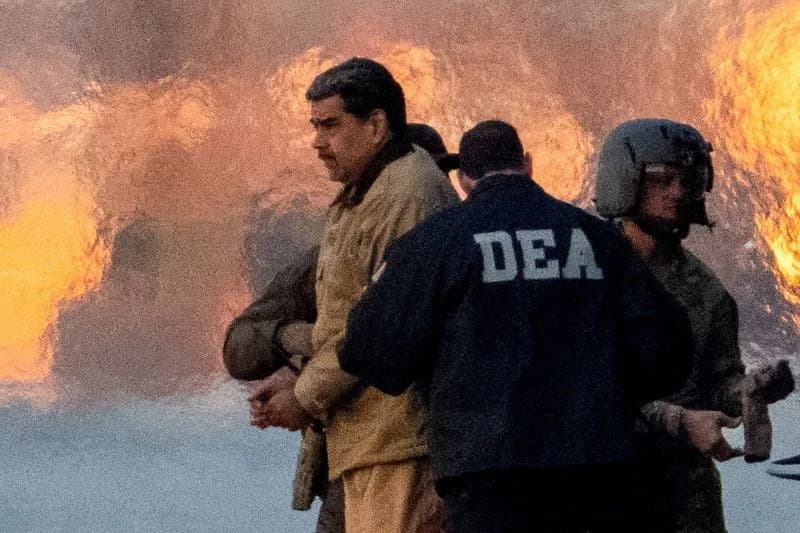
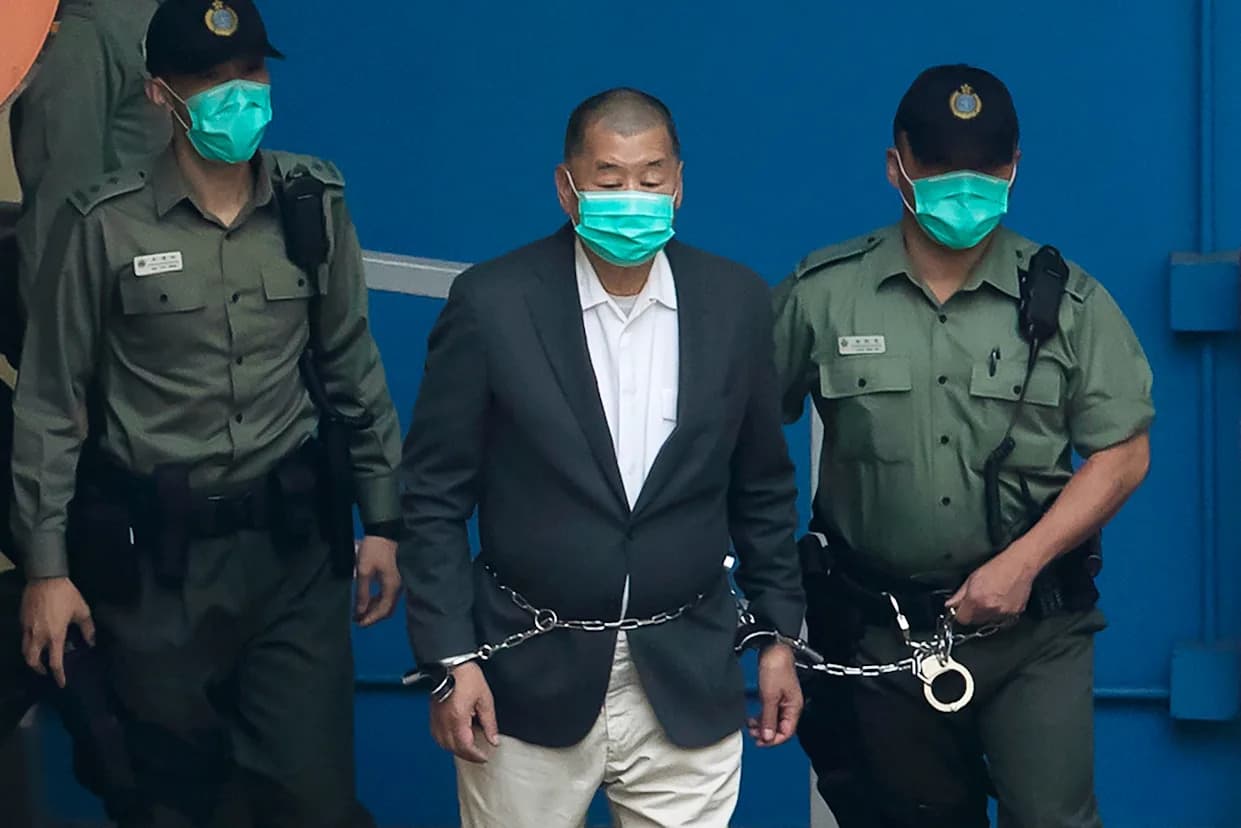
Captured Venezuelan President Nicolas Maduro is escorted, as he heads towards the Daniel Patrick Moynihan United States Courthouse in Manhattan for an initial appearance to face U.S. federal charges including narco-terrorism, conspiracy, drug trafficking, money laundering and others, at Downtown Manhattan Heliport, in New York City. REUTERS/Adam Gray/File Photo
WASHINGTON — One of the clear objectives behind the U.S. military operation that seized Venezuelan President Nicolas Maduro was to send Beijing a direct warning: stay out of the Western Hemisphere.
For more than two decades, China has steadily expanded its economic and strategic presence across Latin America — from satellite-tracking installations in Argentina to port investments in Peru and deep financial ties with Caracas. Those moves have long alarmed successive U.S. administrations.
Operation Aimed at Limiting Chinese Influence
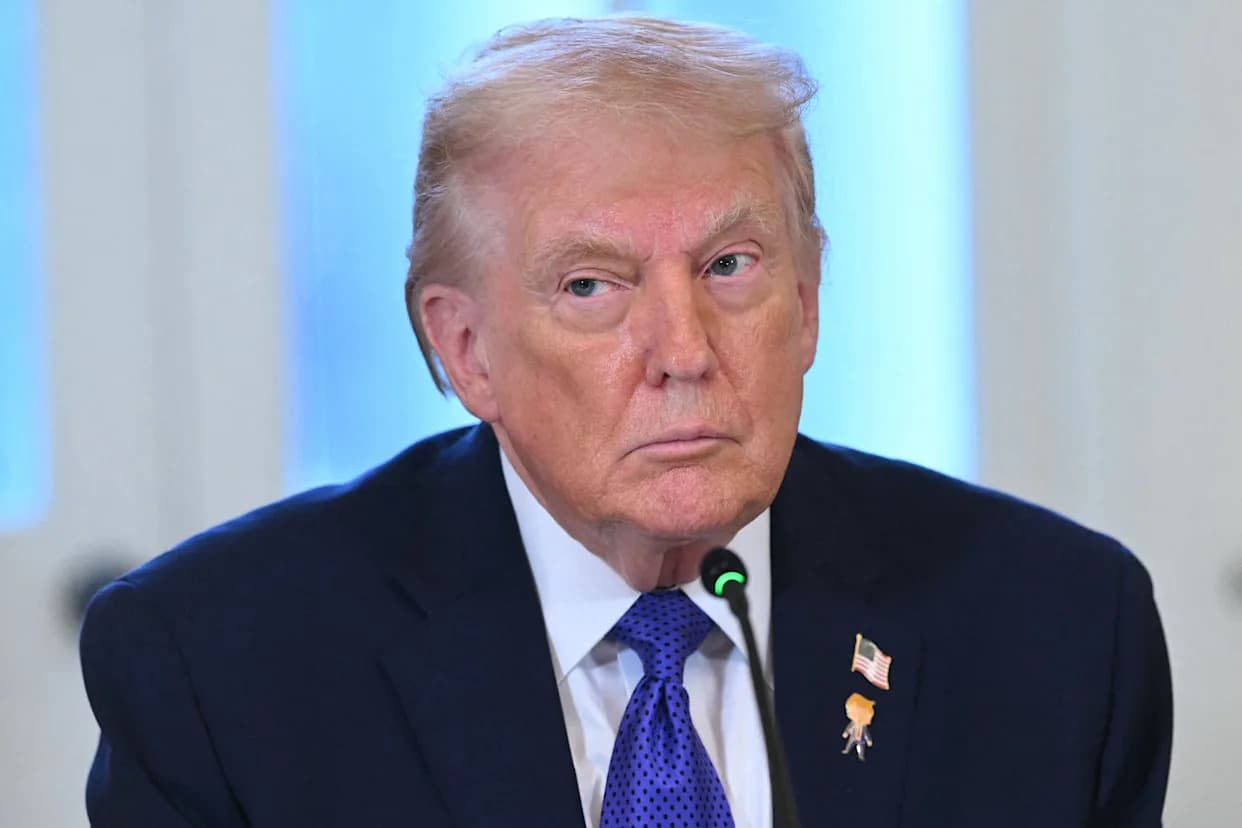
U.S. officials speaking to Reuters said the Jan. 3 raid was intended in part to blunt China’s growing regional footprint. President Trump framed the action bluntly at a meeting with oil executives, saying he had told China and Russia they were unwelcome near the United States and offering Chinese buyers American oil instead.
‘We get along with you very well, we like you very much, we don’t want you there, you’re not gonna be there,’ President Trump said, adding that Chinese buyers could 'buy all the oil they want from us there or in the United States.'
The early-morning operation in Caracas that resulted in the capture of Maduro and his wife dealt a reputational blow to Beijing. U.S. forces rapidly disabled air-defense systems Washington says were supplied by China and Russia, and the White House asserted that some 30 million to 50 million barrels of sanctioned Venezuelan oil previously headed to Chinese ports could now be redirected to the United States.
Limits Of Beijing’s Influence
Analysts say the raid highlighted limitations in China’s ability to deter or defend partners in the Americas. Craig Singleton of the Foundation for Defense of Democracies said the incident exposed a gap between China’s great-power rhetoric and its actual reach: 'Beijing can protest diplomatically, but it cannot protect partners or assets once Washington decides to apply direct pressure.'
In a statement, the Chinese embassy in Washington condemned what it called unilateral, illegal and bullying acts by the United States and emphasized continued cooperation with Latin American and Caribbean countries. U.S. officials, however, suggested regional partners increasingly recognize China may not be able to shield them from U.S. action.
Military, Economic Ties And Intelligence Concerns
Beijing has invested heavily in Venezuela’s energy sector and provided funding and equipment to its armed forces. Along with Russia, China supported radar and air-defense systems that, according to U.S. officials, failed to prevent the raid. Michael Sobolik of the Hudson Institute said the episode has prompted other nations with Chinese-made defense equipment to reassess how vulnerable their systems might be to U.S. capabilities.
U.S. attention is also focused on other potential hotspots: Panama, where Washington is wary of Chinese influence near the Canal, and Cuba, where U.S. officials suspect Beijing could be conducting intelligence-gathering activities — an allegation China denies while pledging closer cooperation with Havana.
Risks And Strategic Implications
While the raid may have set back Chinese influence in the short term, analysts warn that an extended U.S. military presence or prolonged instability in Venezuela could create openings for Beijing to reassert itself. Daniel Russel of the Asia Society noted that a shift in U.S. strategy toward an explicit hemispheric sphere-of-influence approach could, paradoxically, play into China’s long-term aims.
The operation underscored competing U.S. policy signals toward China — from trade diplomacy to assertive actions in support of U.S. interests and partners — and raised fresh questions about how Washington and Beijing will compete for influence in the Americas going forward.
Help us improve.