The uranium consignment estimated at more than 1,000 tonnes that left Arlit in late November has been held at Niamey airport for weeks, causing diplomatic and logistical complications for Niger's junta. Satellite images show 34 trucks arrived in early December, but only four remained visible by January 14. Overland export via Benin is blocked and routes through Togo cross violence-plagued areas; airlift options were suggested after Russian Il-76s were seen, though no departures were confirmed. France has opened a legal probe and Orano claims ownership while Niamey accuses the company of owing 58 billion CFA francs ($102m).
More Than 1,000 Tonnes Of Uranium Stranded At Niamey Airport Sparks Diplomatic, Legal And Security Headache
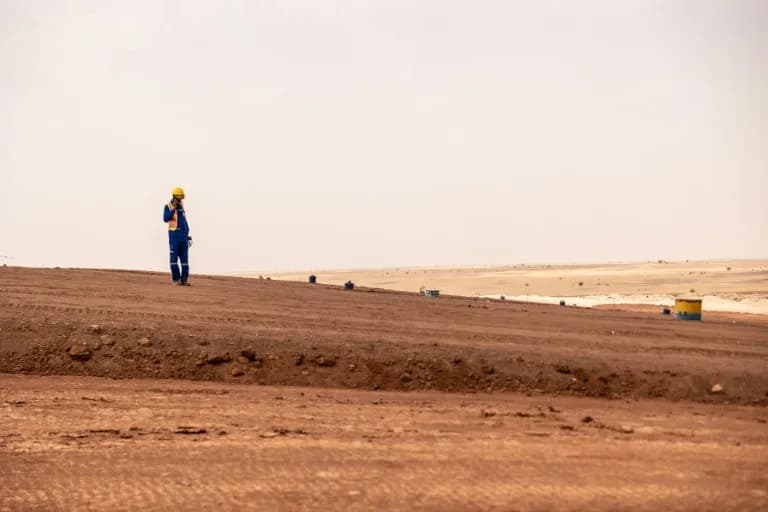
Niger is one of the world's leading producers of uranium (OLYMPIA DE MAISMONT)(OLYMPIA DE MAISMONT/AFP/AFP)
A large uranium consignment estimated at over 1,000 tonnes that left Arlit in late November has been held at Niamey airport for weeks, creating a complex diplomatic, legal and logistical problem for Niger's military government.
Diplomatic Tensions and a Shift in Alliances
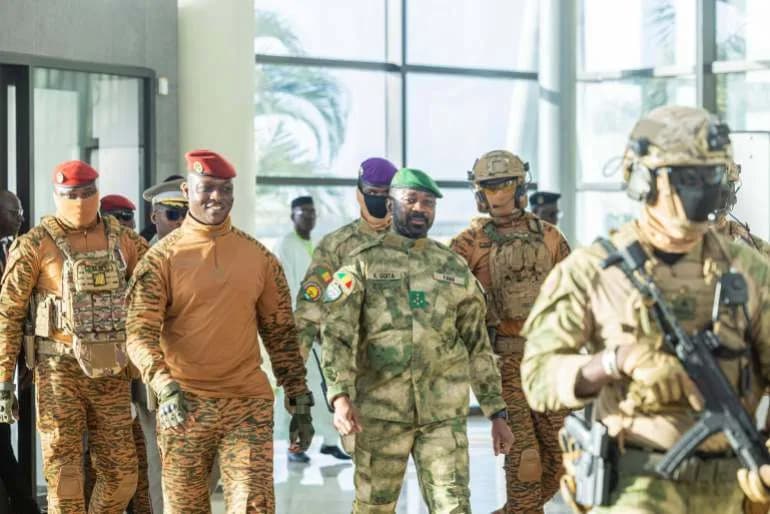
The cargo has become a flashpoint as the junta that seized power in 2023 pivots away from longtime partner France and forges closer ties with Russia. Niger’s bid to assert sovereignty over its uranium resources has intensified since the government announced the nationalisation of the Somair mine in Arlit in June and declared its intention to sell uranium on the international market.
What Is Known About The Shipment
AFP analysis of satellite imagery shows 34 trucks entering the Niamey airport compound between December 3 and 5, though imagery from January 14 showed only four trucks still visible. Multiple sources, including Wamaps, a West African security news network, identify the convoy as the uranium consignment that departed Arlit in late November. Officials quoted by AFP say the cargo has been moved to secure locations inside the airport and is not expected to leave Niger imminently.
Overland Routes Are Problematic
As a landlocked country Niger normally relies on neighbouring ports. The most direct corridor via Benin's Seme-Kpodji port is effectively closed after Niamey accused Cotonou of seeking to destabilise the country and sealed the border. The only practical overland alternative would be transit via Togo, but that route requires crossing western Niger and Burkina Faso — regions plagued by jihadist violence. The projected route would pass through Torodi in southwestern Niger, where the local prefect was killed earlier this year. Observers cite growing security risks in Tillaberi, which ACLED reported as the deadliest area in the central Sahel in 2025.
Airlift Option And Russian Presence
Transport by air is another possibility. Satellite images captured two Russian-made Ilyushin Il-76 cargo aircraft at Niamey between January 9 and 13. However, flight-tracking analysis revealed no registered departures for those specific planes in that period. The ultimate buyer of the shipment remains unconfirmed. Russian officials have not publicly declared a purchase; Russia’s foreign ministry spokeswoman Maria Zakharova said she would 'look into the matter' and respond. Moscow’s energy officials and Rosatom have previously signalled interest in Niger’s uranium sector, signing memorandums on civilian nuclear cooperation.
Legal Dispute Complicates Transit
France opened an inquiry in December into the suspected theft of the uranium 'in the interests of a foreign power.' French mining company Orano asserts that the cargo remains its property; Niger rejects this and alleges Orano owes 58 billion CFA francs (about $102 million) in unpaid debts and invoices. That legal complaint increases the risk for any transit country: sources say Togo and others may be obliged under international commitments to seize the cargo if it crosses their territory, altering the political calculus for movement of the material.
What This Means
The stranded uranium highlights overlapping problems facing Niger: contested ownership and legal claims, tense regional diplomacy, emerging security threats along land corridors, and opaque international interest in the resource. Any attempt to move the shipment will need to navigate safety risks, potential seizure under international law, and the geopolitical competition surrounding Niger’s uranium.
'The cargo is entirely within the airport; it has been moved to secure locations,' a source told AFP. 'It is not intended to leave the country anytime soon.'
Help us improve.