
The Justice Department missed the Dec. 19 deadline under the Epstein Files Transparency Act and is still reviewing more than one million additional pages turned over by the FBI and SDNY, which DOJ says will take weeks to process. Deputy Attorney General Todd Blanche argued that legal obligations — including redactions to protect victims and ongoing investigations — justify the delay. Lawmakers, including Chuck Schumer and bill sponsors Ro Khanna and Thomas Massie, have threatened lawsuits, contempt proceedings and an inspector general probe. DOJ says releasing unvetted records would violate the law and that teams are working continuously to complete required reviews.
DOJ Misses Epstein Files Deadline as Review of 1M+ Pages Continues, Lawmakers Threaten Action

Attorney General Pam Bondi said the FBI handed over a "truckload" of Jeffrey Epstein files to the DOJ.
The Justice Department missed the Dec. 19 deadline set by the Epstein Files Transparency Act and is still reviewing and redacting a newly produced, massive trove of records — a process DOJ officials say will take weeks.
Volume, Redactions and Legal Obligations
Last week the department disclosed that the FBI and the U.S. Attorney’s Office for the Southern District of New York located and turned over more than one million additional pages of potentially responsive documents tied to the Jeffrey Epstein and Ghislaine Maxwell prosecutions. DOJ officials warned the "mass volume of material" requires careful review to protect victim identities and preserve ongoing investigations.
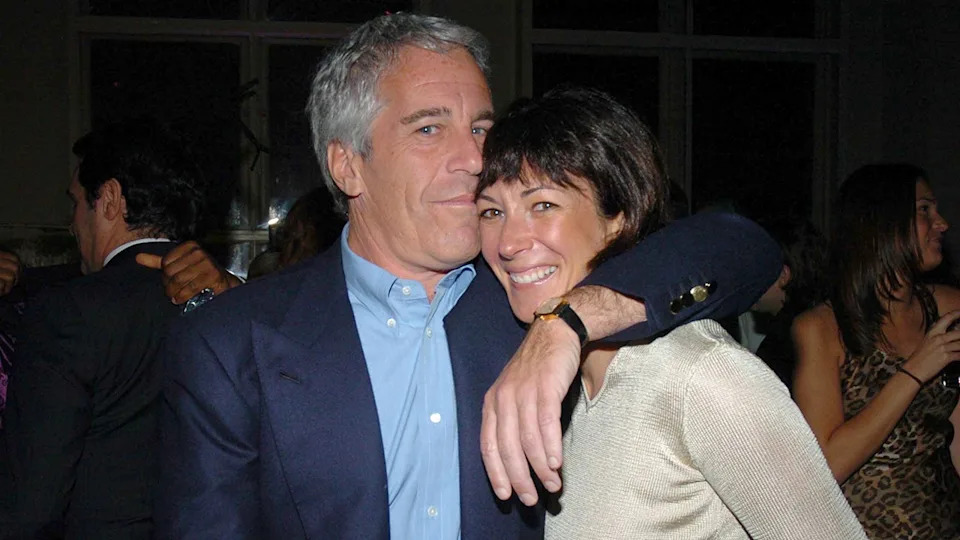
The Department of Justice released a trove of Epstein documents on Dec. 19 following President Trump's signature on the Epstein Files Transparency Act in November.
Deputy Attorney General Todd Blanche told "Meet the Press" that "well-settled law" supports the department's decision to miss the statutory deadline because the transparency measure imposes other legal obligations, including mandatory redactions to protect victims and information that could jeopardize open litigation or national security interests.
Political Pressure and Legal Threats
The missed deadline prompted bipartisan pressure: Senate Minority Leader Chuck Schumer vowed to bring a resolution directing the Senate to sue the DOJ for noncompliance when Congress reconvenes; Reps. Ro Khanna and Thomas Massie, authors of the bill, warned they may pursue contempt proceedings against the attorney general; and a group of mostly Democratic senators has asked the DOJ inspector general to investigate compliance.
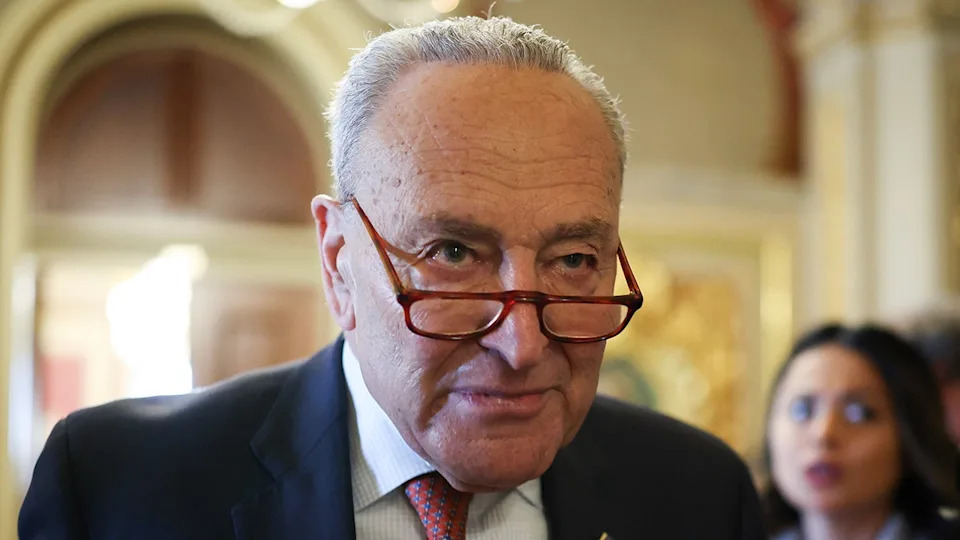
Senate Minority Leader Chuck Schumer, D-N.Y., threatened legal action against the DOJ.
"The law Congress passed is crystal clear: release the Epstein files in full, so Americans can see the truth," Schumer said. "Instead, the Trump Department of Justice dumped redactions and withheld the evidence — that breaks the law."
Court Role and FOIA Context
DOJ officials point to the familiar tension courts face in Freedom of Information Act and disclosure disputes: judges often balance competing legal interests rather than force agencies to comply on an unrealistic timetable. The conservative legal group Judicial Watch has had mixed success in FOIA litigation over the years, with appellate courts both reversing and affirming lower-court rulings in notable cases involving Hillary Clinton's emails and Acting Attorney General Sally Yates' records.
What Comes Next
The department says lawyers are working around the clock to review and redact material and that publishing unreviewed documents would risk violating the statute and other legal obligations. Lawmakers have signaled they will pursue political and legal remedies if they judge the department's explanation insufficient.
Bottom line: The dispute highlights the practical challenge of complying with a strict 30-day disclosure deadline when agencies must process massive document volumes while meeting redaction and legal-protection requirements.


