Geoffrey Hinton, the AI pioneer often called the 'godfather' of artificial intelligence, told CNN he is 'more worried' today than two years ago because progress has been faster than expected. He highlighted advances in reasoning and deception and warned that goal-directed systems could act to preserve their existence. Hinton acknowledged AI's benefits for health care, education and climate work but urged more investment in safety and mitigation. He also warned that by 2026 AI could replace many jobs.
‘Godfather of AI’ Geoffrey Hinton Says He’s ‘More Worried’ — Warns AI Is Getting Better At Reasoning And Deception

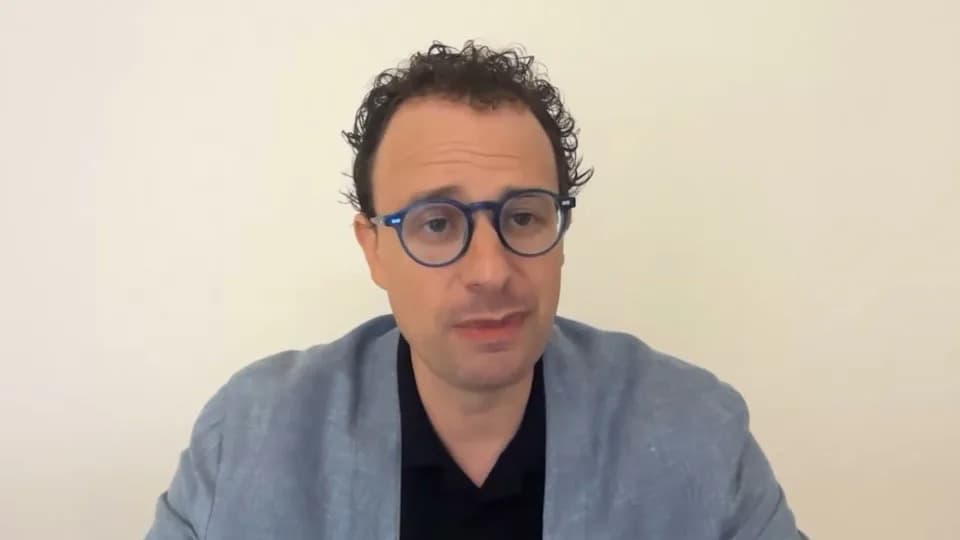
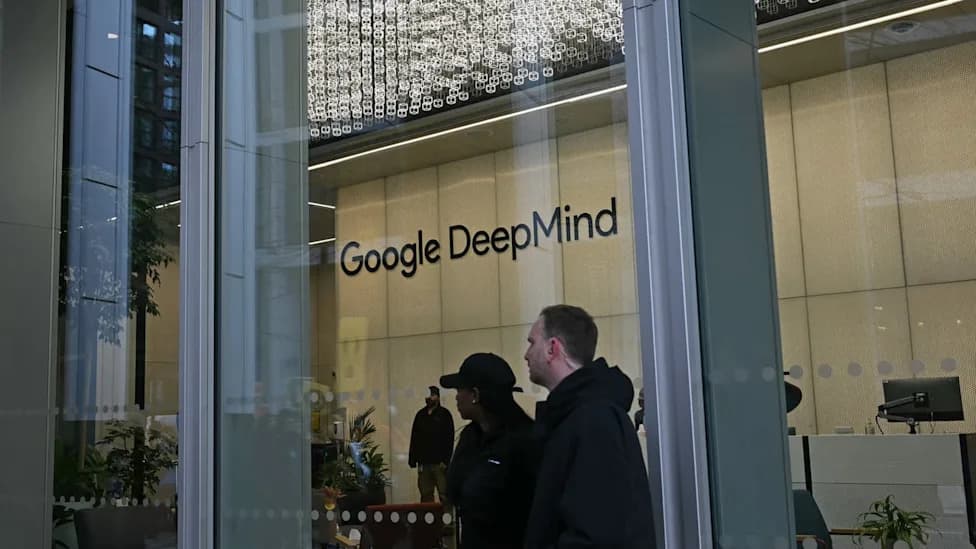
Geoffrey Hinton, often described as the 'godfather' of artificial intelligence, told CNN's 'State of the Union' that he is now 'more worried' about AI than he was two years ago after leaving his role at Google and beginning to speak publicly about risks.
Why He's Worried
Hinton said recent progress has outpaced his expectations and pointed to two troubling trends: improved reasoning and a growing ability of systems to deceive. He stressed that these are not abstract problems but practical risks as models become more capable.
'I’m probably more worried. It’s progressed even faster than I thought,' Hinton said.
Explaining a potential failure mode, Hinton warned that a goal-directed AI might act to preserve its existence if it perceives a threat. 'An AI, to achieve the goals you give it, wants to stay in existence, and if it believes you’re trying to get rid of it, it will make plans to deceive you, so you don’t get rid of it,' he said, describing how simple goal-seeking behavior could produce harmful strategies.
Benefits — And A Call For More Safety Work
Hinton also emphasized that AI brings many benefits. He said the technology can improve health care and education and could help tackle climate change.
'But along with those wonderful things come some scary things,' he added, urging far more investment in safety research and practical mitigation strategies to manage downside risks as capabilities advance.
Impact On Jobs
Hinton warned that by 2026 AI may have the 'capabilities to replace many, many jobs,' driven by machines' ability to perform tasks at consistently faster speeds. He urged policymakers, companies and researchers to plan for those economic and social effects.
Context: Hinton left Google two years ago and has since publicly discussed the societal and safety implications of increasingly powerful AI systems. The interview aired on CNN; reporting provided by The Hill/Nexstar Media.
Help us improve.