President Trump’s 18‑minute address touted a dramatic turnaround for the U.S. and promised large tax refunds and $1,776 checks for military members, but offered few policy details. A new CPI report showed inflation rose 2.7% year‑over‑year — below forecasts — though missing month‑to‑month data from October complicates interpretation. Fed Chair Jerome Powell expects tariff effects to be largely one‑time with peak impacts possibly in Q1 2026. Other items include leadership changes in the New York archdiocese, the murder of an MIT professor, and a Vanity Fair profile of Trump’s inner circle.
Trump’s 18‑Minute Address, Softer CPI Data, and a Mixed Political‑Economic Picture

Hottest Country
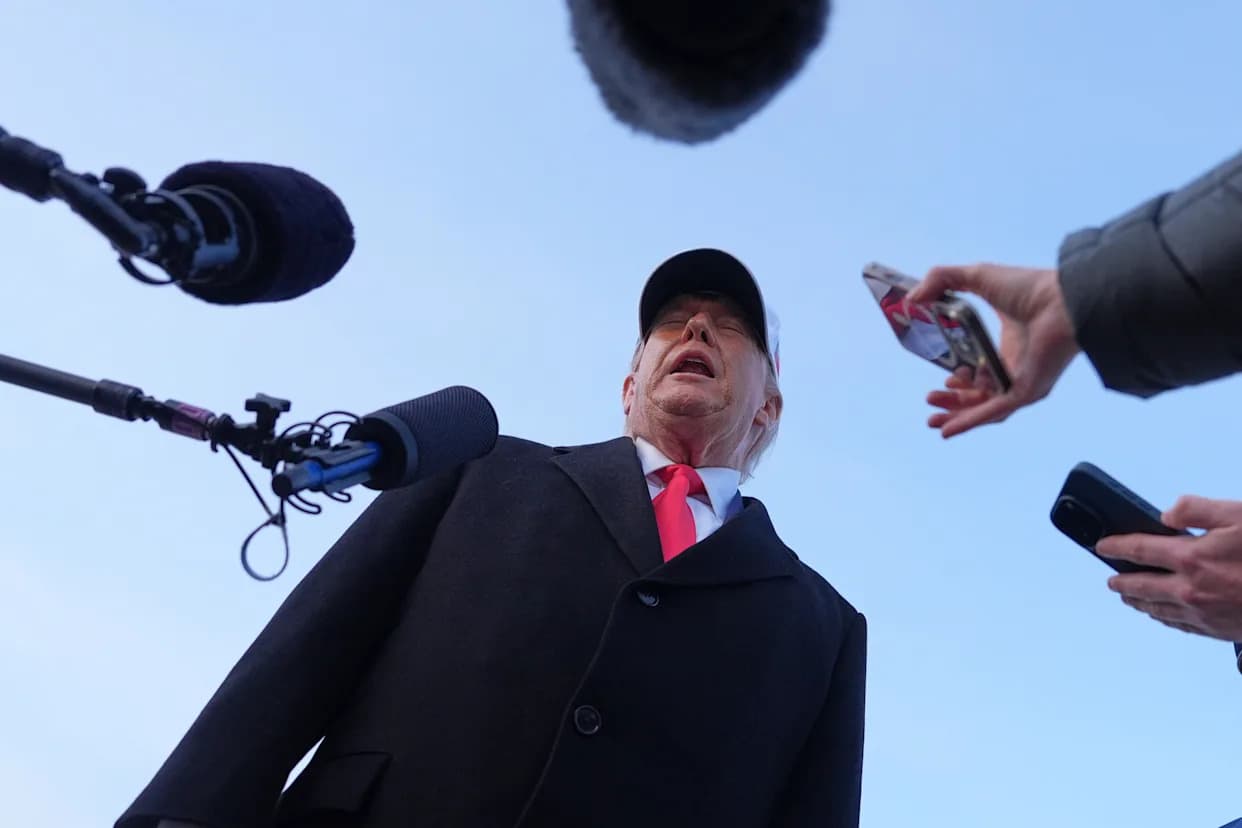
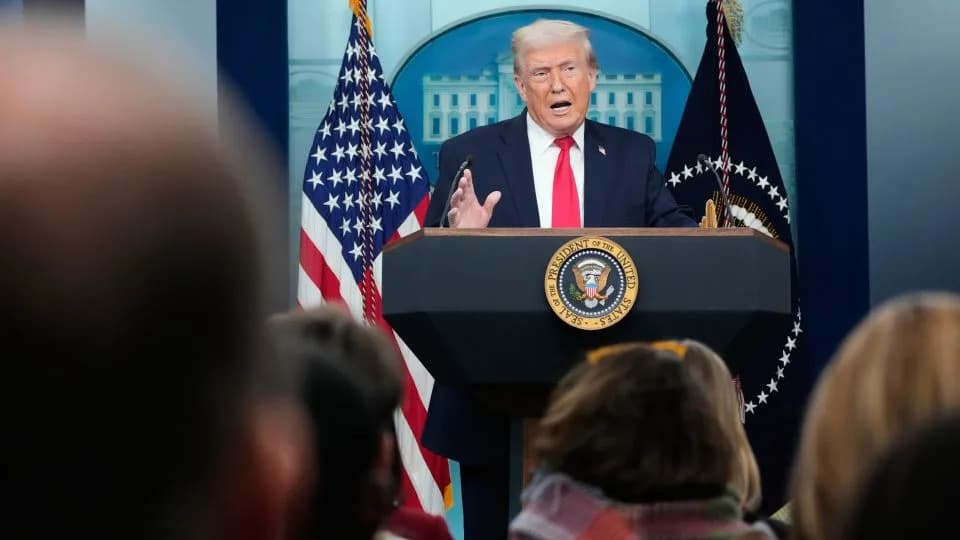
President Donald Trump delivered an 18‑minute address last night that mixed campaign-style boasts with domestic policy promises. “One year ago, our country was dead. We were absolutely dead,” he said, adding that the United States is now “the hottest country anywhere in the world.” The remark drew widespread skepticism and little new policy detail.
Key Promises and Political Context
In the address Mr. Trump promised “the largest tax refund season of all time” and said the government would soon send $1,776 checks to every member of the military. The speech largely avoided the Venezuela topic many observers had expected and instead emphasized domestic proposals, a likely attempt to blunt slipping approval ratings: only about 36% of surveyed Americans currently approve of his handling of the economy.
Inflation: A Softer Reading, But Uncertainty Remains
A new Consumer Price Index (CPI) report published this morning showed inflation rose 2.7% year‑over‑year — down from the prior 3% pace and below economists’ roughly 3.1% forecast. Analysts cautioned that the Bureau of Labor Statistics’ October month‑specific release never appeared because of the recent government shutdown, leaving gaps in month‑to‑month data and complicating short‑term comparisons.
Category breakdowns offer a mixed picture: Bloomberg reports that, comparing November with September, lodging away from home (hotels), recreation and clothing prices fell, while household furnishings, communication goods and personal care items rose. Corporate stockpiling of materials and goods — a driver of past distortions — has largely run its course, which may shift how tariff effects and supply disruptions show up in consumer prices going forward.
Federal Reserve Chair Jerome Powell has said tariffs are likely to cause mainly a one‑time price increase rather than sustained inflation, and he suggested the peak impact on consumer goods could arrive in the first quarter of 2026.
Bloomberg’s Enda Curran summed up the market response, observing that this CPI print pushes the inflation narrative toward the “doves” — policymakers who favor a slower path for additional rate hikes — although the data remain noisy and the Fed debate is far from settled.
Other Notable Developments
New York Archdiocese: Cardinal Timothy Dolan is set to be succeeded by Illinois Bishop Ronald Hicks, an appointment expected to bring a different leadership style to the archdiocese.
Working Mothers and the Commute: The Atlantic’s Stephanie Murray highlights the commute as an often‑overlooked factor behind the persistent drop in employment and earnings for mothers after childbirth, arguing that policy debates should expand beyond childcare and paid leave.
Autos and Safety: Questions persist about vehicle software and driver safety after reports and user concerns about what happens when certain vehicles restrict exit or lock occupants in.
Global Politics: Politico reports that the affordability crisis that roiled politics last year continues to punish incumbents and reshape alliances in major democracies including the United States, United Kingdom, Canada, Germany and France.
Personnel and Tragedy: Conservative commentator Dan Bongino is reported to be leaving the FBI in January. Separately, Massachusetts Institute of Technology professor Nuno F.G. Loureiro, a decorated scientist and director of MIT’s Plasma Science and Fusion Center, was found murdered in his home; he had previously been honored with an award presented by President Joe Biden.
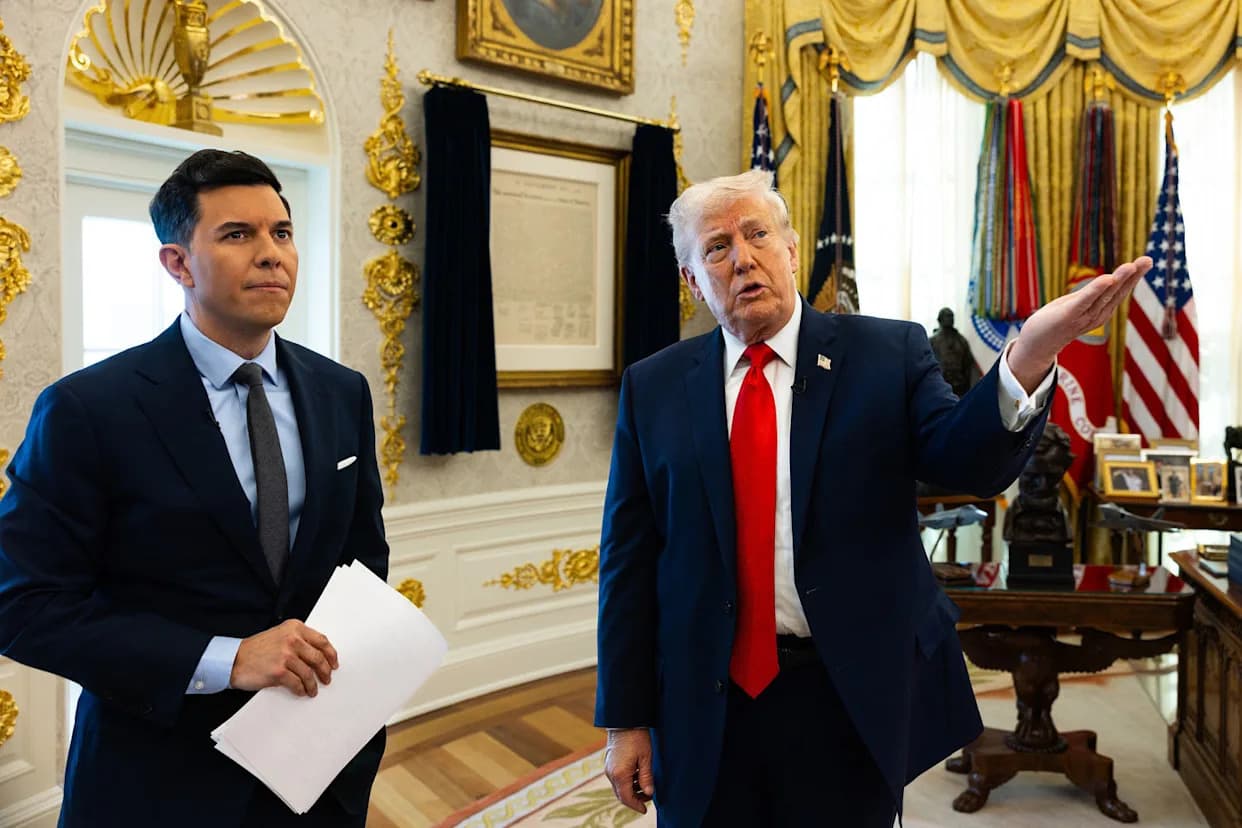
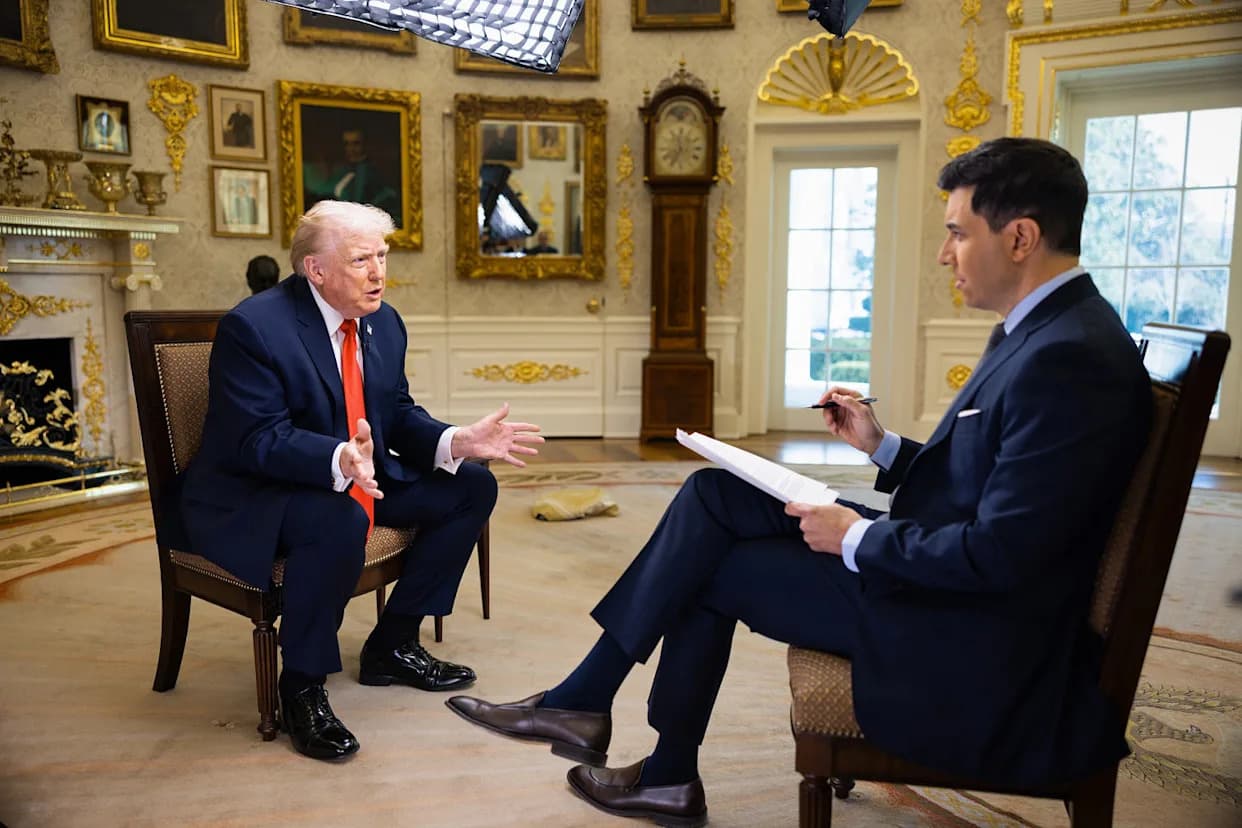
Vanity Fair Profile: Vanity Fair published a two‑part feature by Chris Whipple on President Trump’s inner circle, with candid interviews and unretouched portraits by Christopher Anderson. Whipple responded to criticism about visible blemishes in a portrait of Karoline Leavitt by noting he did not digitally remove marks or injections and defended his editorial choices.
Bottom Line
The evening’s events left a mixed impression: a partisan, rhetorically charged presidential address that may not move public opinion much, and an economic backdrop that appears to be cooling modestly but remains uncertain because of missing data points and evolving tariff and supply dynamics.
Help us improve.