The Pentagon directed the U.S. military to use waist‑to‑height ratio (limit: <0.55) as the primary measure of body composition, replacing height‑and‑weight tables. New body‑fat ranges are 18%–26% for men and 26%–36% for women, with twice‑annual evaluations. Service members who exceed limits enter remedial programs and may face withheld promotions or separation for continued noncompliance. The memo, signed by Undersecretary Anthony Tata and supported by Secretary Pete Hegseth, allows limited waivers for high fitness‑test performers but emphasizes enforcement.
Pentagon Adopts Waist‑to‑Height Ratio (<0.55) as Primary Measure of Service Members' Body Composition
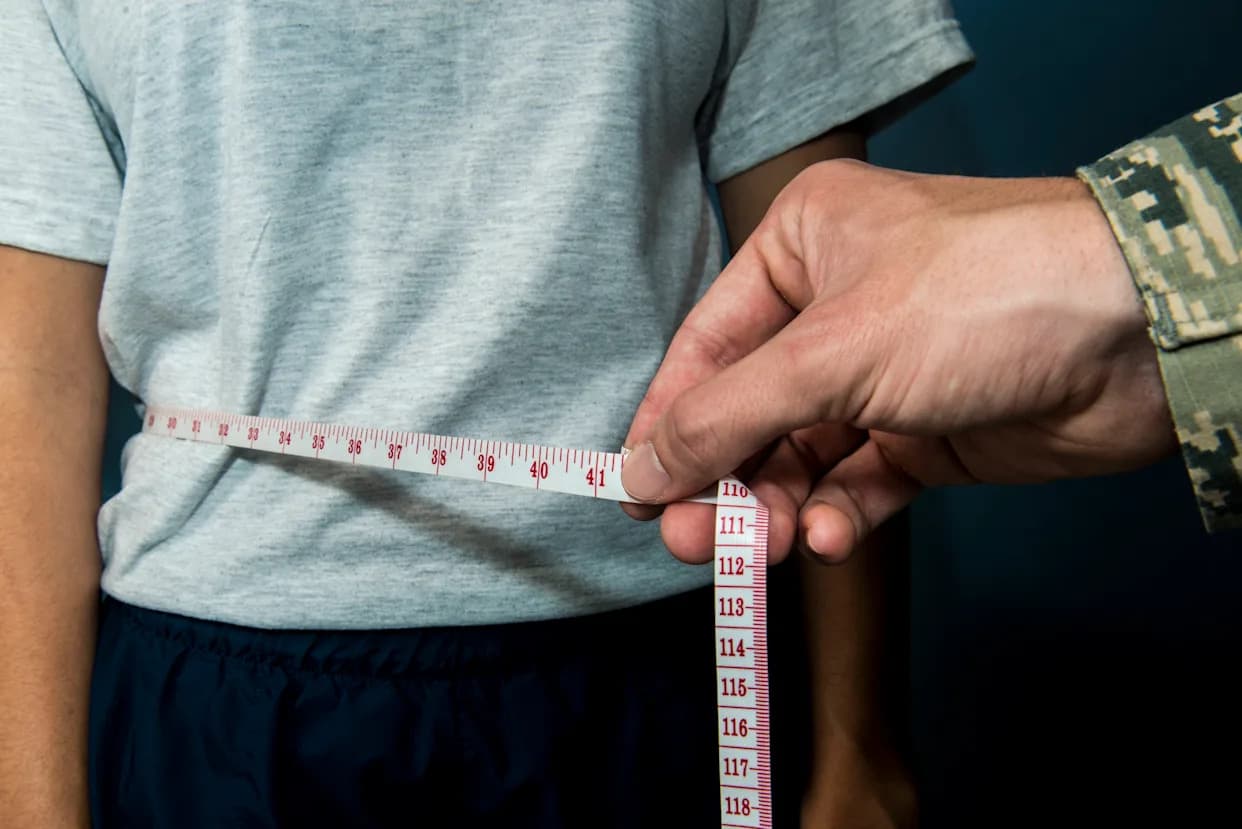
The U.S. military will now evaluate body fat using a waist-to-height ratio. (A1C Destinee Sweeney/Air Force)
The Pentagon on Monday issued a memo directing the U.S. military to adopt waist‑to‑height ratio as the primary measure of service members' body composition, replacing the long‑standing height‑and‑weight tables.
Key Details
The directive sets an upper limit for the waist‑to‑height ratio at less than 0.55 for Military Service Body Composition policies. The memo also establishes body‑fat ranges of 18%–26% for men and 26%–36% for women.
All service members will be evaluated under the new standard twice a year. Personnel who exceed the limits will be enrolled in the military's remedial program. The memo warns that failure to meet standards "may result in the withholding of favorable personnel actions, including promotions," and that continued noncompliance could lead to administrative actions up to and including separation from the military.
Performance, Allowances, and Enforcement
The memo, signed by Undersecretary of Defense for Personnel Anthony Tata, calls body composition a "vital component for the warrior ethos and foundational to lethality and readiness." It addresses service members who perform well on physical fitness tests but do not meet body composition standards: outstanding fitness‑test results "may be granted allowances," but only within limits set by each service branch. The directive makes clear that high fitness scores do not excuse non‑compliance with body composition requirements.
Defense Secretary Pete Hegseth, who previewed the change in September, said the update aims to "promote consistency and fairness across the joint forces." In a September address at Quantico, Hegseth criticized visible overweight among senior leaders and troops, saying: "It's tiring to look out at combat formations...and see fat troops. Likewise, it's completely unacceptable to see fat generals and admirals...It is a bad look. It is bad, and it's not who we are."
Related Policy Moves
As part of his effort to shape a fitter force, Hegseth has tightened grooming standards — requiring service members to be neatly presented — and has urged a return to the "highest male standard" for some combat arms positions. The Pentagon also launched a six‑month review in January to evaluate the "effectiveness" of women in ground combat roles.
This shift to a waist‑to‑height standard represents a significant change to how the U.S. military evaluates readiness and body composition, with potential career consequences for those who do not meet the new thresholds.
Help us improve.