
Pete Hegseth announced a directive to change how military chaplains provide spiritual support, criticizing the Army's spiritual fitness guide and promising a 'top-down' cultural overhaul. The announcement followed a Pentagon Christmas service where Franklin Graham invoked a 'God of war,' drawing public attention and criticism. Observers warn that Hegseth's ties to hardline evangelical figures and recent federal changes on proselytizing raise concerns about religious freedom and the separation of church and state within the military.
Hegseth Orders 'Top-Down' Overhaul Of Military Chaplains Amid Concerns Over Proselytization

Defense Secretary Pete Hegseth has announced a directive to reshape how U.S. military chaplains deliver spiritual care, promising a "top-down cultural shift" in the services' approach to religious guidance.
What Hegseth Said
In a video released Tuesday, Hegseth criticized what he called 'secular humanism' and objected to the Army's recently published spiritual fitness guide, saying it used the word 'feelings' more often than 'God.' He added that chaplains are 'not emotional support officers' and said he will enforce changes in how spiritual support is provided across the armed forces.
Potential Policy Changes
Reports indicate the move may include discarding the Army's spiritual fitness guide, which Army Times reported was released in August. The announcement arrives amid broader administrative changes critics say relax prohibitions on proselytizing by federal employees.
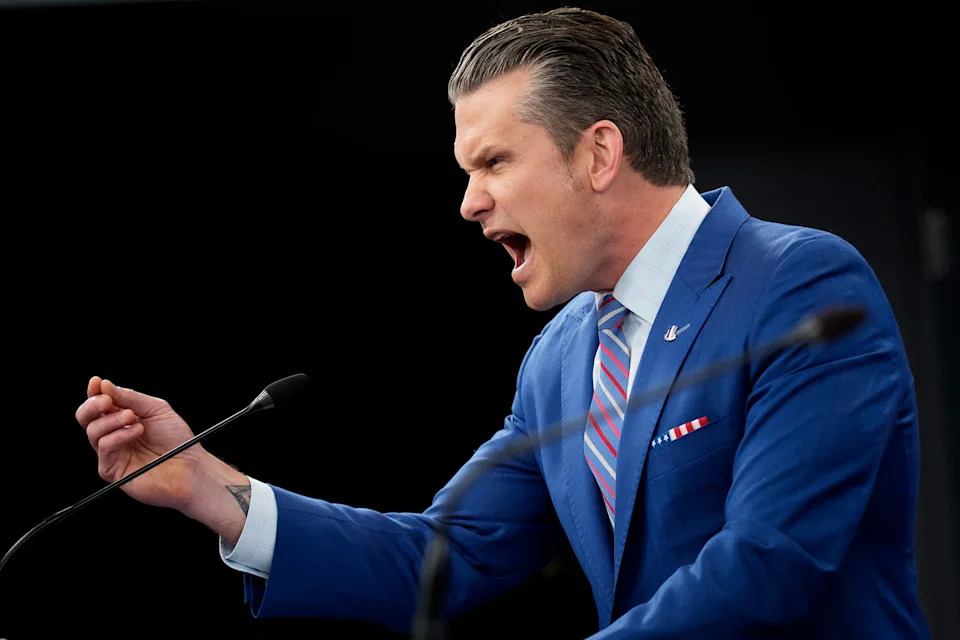
ARLINGTON, VIRGINIA - JUNE 26: (EDITOR'S NOTE: Alternative Crop) U.S. Defense Secretary Pete Hegseth (L), accompanied by Chairman of the Joint Chiefs of Staff Air Force Gen. Dan Caine (R), speaks during a news conference at the Pentagon on June 26, 2025 in Arlington, Virginia. The Department of Defense top officials gave an update after three Iranian nuclear facilities were struck by the U.S. military last weekend and Iran countered by launching missiles at Al Udeid Air Base in Doha, Qatar. (Photo by Andrew Harnik/Getty Images)(Andrew Harnik / Getty Images)
Pentagon Event And Public Reaction
One day after his announcement, Hegseth hosted a Pentagon "Christmas worship service" featuring pastor Franklin Graham. Graham told attendees, 'Did you know that God also hates? Do you know that God also is a God of war?' Media outlets quoted him reciting a passage from Samuel in which God commands the king of Israel to destroy an opposing tribe and saying people should 'better believe' in the violent God he described.
Franklin Graham: 'Did you know that God also hates? Do you know that God also is a God of war?'
Concerns And Context
Critics describe Hegseth as aligned with Christian nationalist views and note his reported ties to hardline evangelical figures. Observers say those relationships — and recent federal guidance that loosens limits on workplace conversion attempts — raise concerns that changes to chaplain policy could permit more overt proselytizing within the Pentagon.
Supporters of Hegseth's proposals argue the changes aim to restore a clearer religious identity among chaplains and strengthen spiritual leadership. Opponents warn that top-down directives shaping what chaplains may say or how they engage service members risk undermining religious pluralism and the constitutional separation of church and state in military settings.
What To Watch
Watch for formal policy updates from the Department of Defense and subsequent guidance to service branches and chaplain corps. Any revisions to the spiritual fitness guide, official rules on chaplain conduct, or enforcement policies will determine how broadly Hegseth's 'cultural shift' affects daily life for service members and chaplains alike.


