
After a Bloomberg Law/NBC News investigation documented more than 50 cases of miscarriages, stillbirths and newborn deaths among people jailed while pregnant, lawmakers nationwide are pushing reforms. Proposed changes include keeping nonviolent pregnant defendants out of custody, mandatory data collection on jail pregnancies, better training for corrections staff and improved medical care in custody. Several federal and state bills, plus local programs such as doula services, aim to close oversight gaps and prevent further tragedies.
Lawmakers Push Reforms After Investigation Reveals Deadly Failures Caring for Pregnant People in Jails

Lawmakers vow to improve care for pregnant women in jails
Lawmakers at both the federal and state levels are proposing new policies after a Bloomberg Law/NBC News investigation documented systemic failures that left pregnant people and newborns dangerously underserved behind bars.
Investigation Findings
The joint investigation identified more than 50 cases nationwide in which pregnant detainees reported miscarriages, stillbirths or newborn deaths while incarcerated. Many of those women were jailed for minor offenses or detained because they could not afford bail amounts as low as $125. The reporting found instances of women delivering alone on jail toilets, bleeding for days before receiving care, and two pregnant people who died while in custody. At least 22 states do not systematically track pregnancy outcomes in local jails, making the full scope of the problem difficult to assess.

Nobody knows how many pregnant women get locked up in America, and there is no comprehensive data on how those pregnancies turn out. (Annie Flanagan for NBC News)
Federal Response
On Capitol Hill, Rep. Sydney Kamlager-Dove (D-Calif.) is preparing to reintroduce the Pregnant Women in Custody Act. The bill would require federal data collection on pregnancies in jails, review local and state policies, mandate training for corrections staff on pregnancy-related risks, and require enhanced care in Bureau of Prisons facilities while limiting restrictive housing for pregnant detainees and immigrants.
Sen. Jon Ossoff (D-Ga.) and Sen. John Kennedy (R-La.) also introduced legislation that would require states to report pregnancy data to the attorney general, including whether births occurred in a facility or at a hospital.

Women who suffered stillbirths in jail said they wonder if things would have gone differently if they'd received better care. (Annie Flanagan for NBC News)
State And Local Efforts
State lawmakers in several regions are advancing complementary reforms. In Pennsylvania, state Sen. Amanda Cappelletti is drafting legislation to keep pregnant people accused of nonviolent offenses out of jail during pretrial proceedings after reviewing the investigation; Cappelletti has publicly said the reporting was "really, truly, gutting."
In Virginia, Del. Rae Cousins is proposing mandatory reporting of the number of pregnant people in custody and related emergencies and deaths, and seeks broader standards of care and expanded use of home electronic monitoring for convicted pregnant people. Texas will require jails to publish a first-of-its-kind report on maternal health, pregnancy complications and mortality rates beginning next year. Other states — including California, Wisconsin and Kentucky — are considering measures addressing data collection, shackling during labor, care standards and corrections contracts.
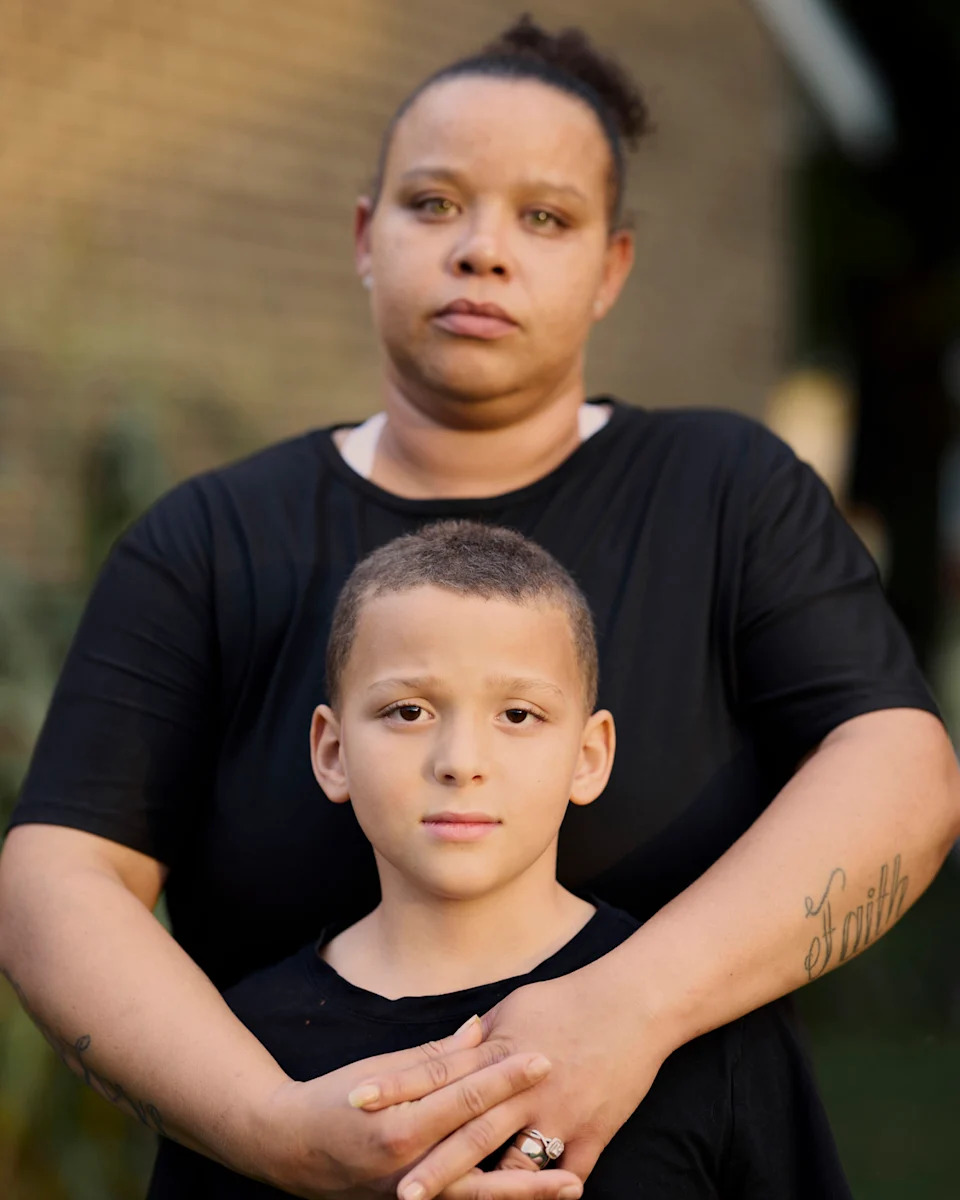
Kelsey Love delivered her son, Xayden, in a jail cell hours after pleading for help. (Annie Flanagan for NBC News)
Community Programs And Medical Oversight
Advocates and clinicians stress that oversight and enforcement are essential. Dr. Carolyn Sufrin, an OB-GYN and researcher at Johns Hopkins, said that if society detains pregnant people, corrections systems must ensure custody does not worsen their health. Local solutions include staff training, doula programs and stronger contracts with medical providers.
Arlington County Detention Facility in Virginia runs a jail-based doula program operated in partnership with Birth in Color. Kenda Denia, the nonprofit's founder, said the program illustrates what supportive, trauma-informed care can look like — but also highlights how rare such services remain.
Voices And Survivors
Survivors, lawmakers and judges have responded to the investigation with calls for urgent reform. Kelsey Love, who says she gave birth alone in a Kentucky jail cell in 2017, urged lawmakers to require treatment for pregnant people experiencing drug withdrawal and to expand alternatives to incarceration. Michelle Rick, a Michigan appellate judge and past president of the National Association of Women Judges, is pressing for judicial education about the risks of jailing pregnant people.
"They’re in the custody of the government, and we have a responsibility to make sure people aren’t leaving our care in worse shape than when they came in," Rep. Sydney Kamlager-Dove said.
The investigation has spurred lawmakers from across the political spectrum to consider reforms aimed at preventing further harm: keeping pregnant people accused of nonviolent offenses out of custody, improving data collection and oversight, expanding medical and supportive services behind bars, and strengthening enforcement mechanisms to ensure standards of care are met.


