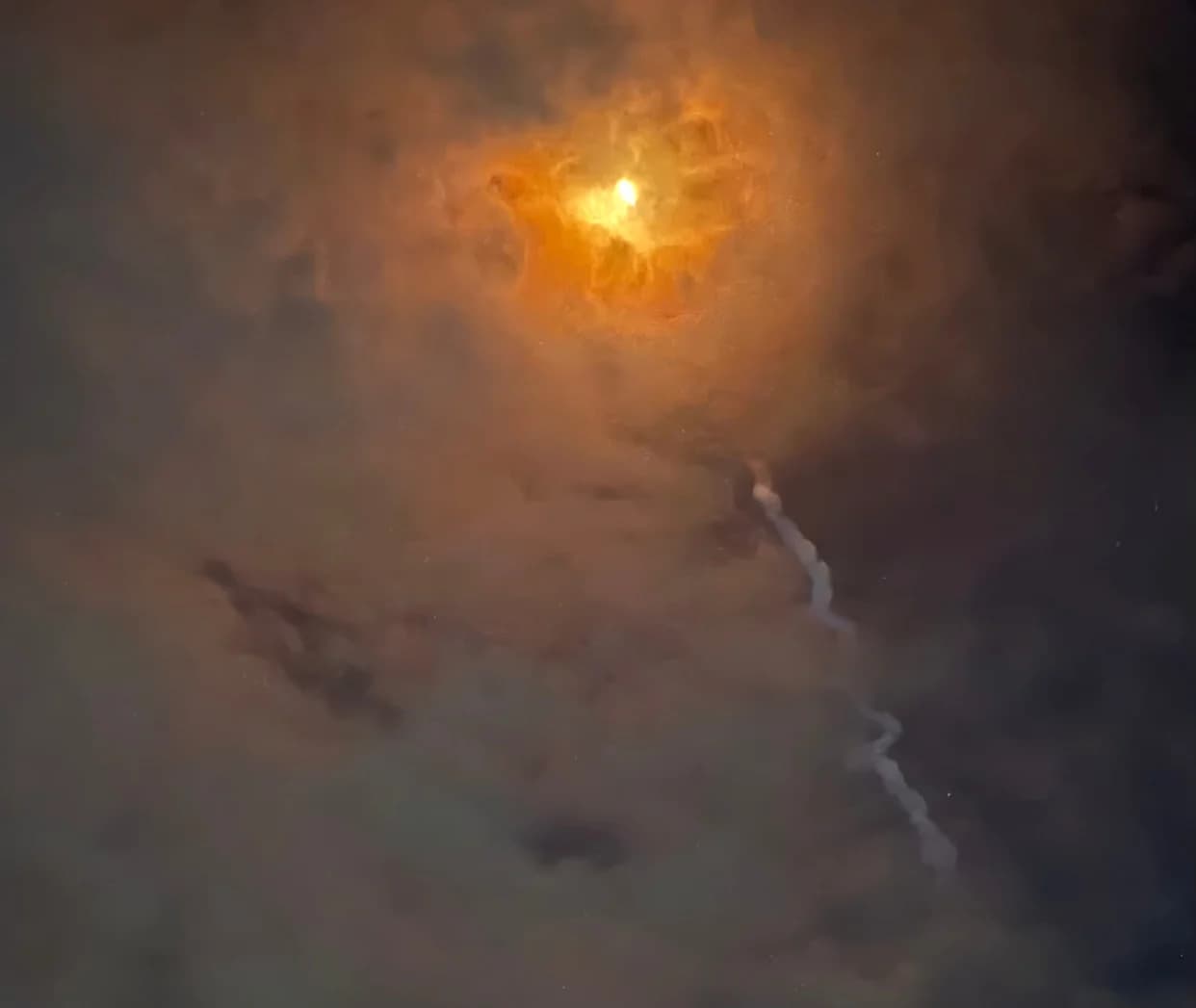
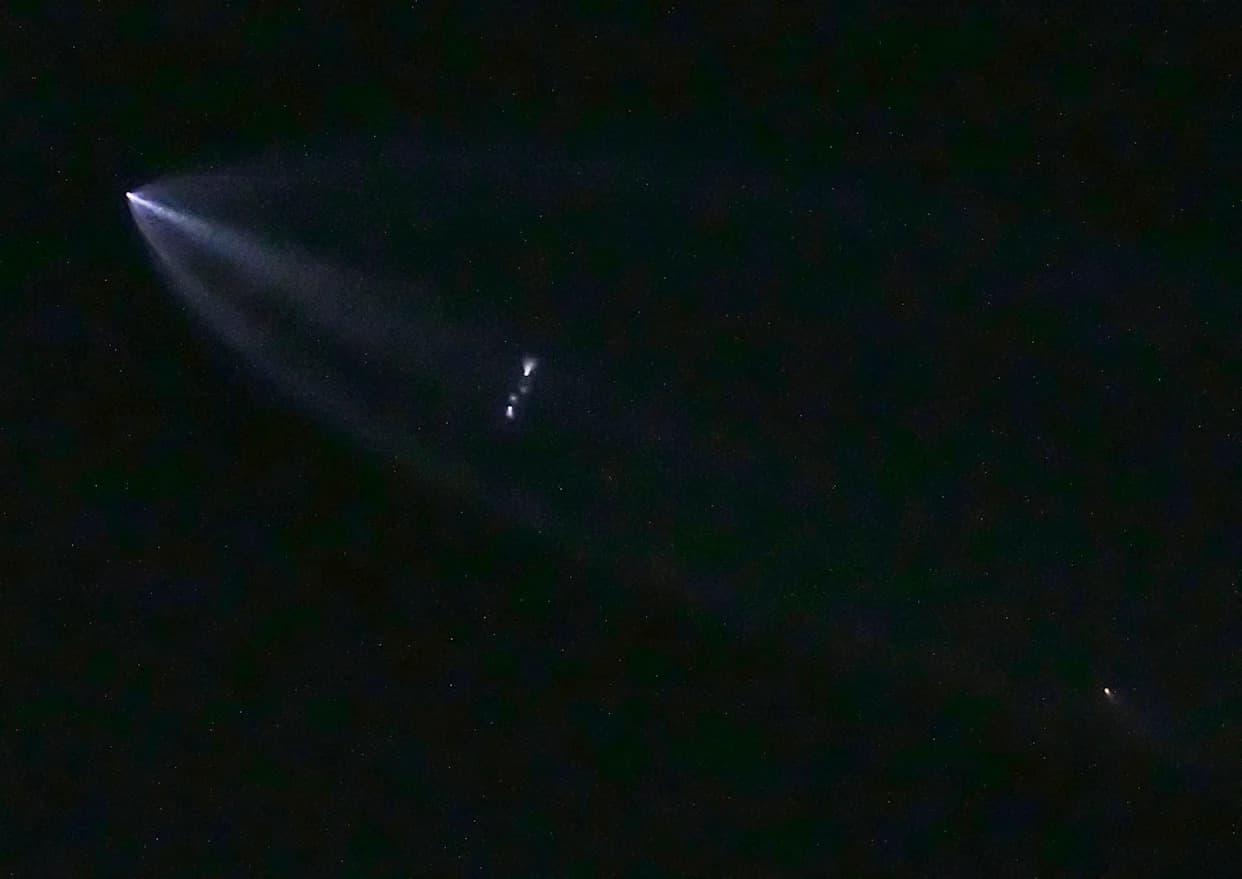
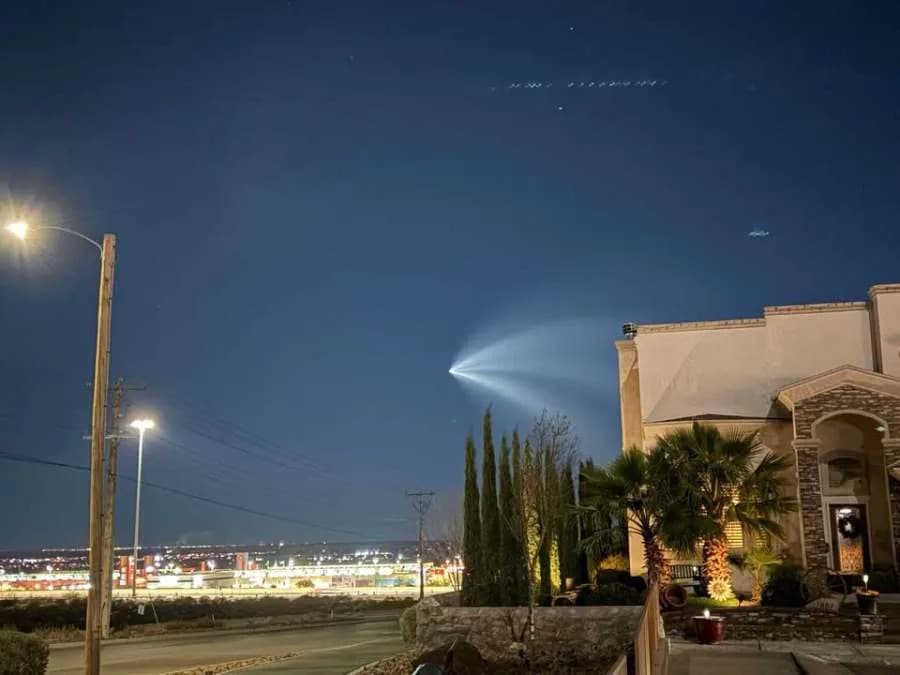
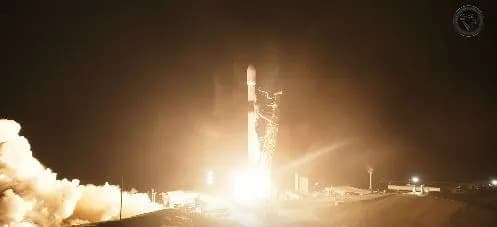
SpaceX plans a Falcon 9 launch from Vandenberg Space Force Base on Jan. 16 carrying NROL-105 reconnaissance satellites for the National Reconnaissance Office. The 35-minute launch window opens at 8:18 p.m. PT, with a backup opportunity the following day if needed. Because the rocket is expected to fly southeast, residents across Arizona—especially at mountain lookouts and dark-sky areas—may be able to see the 230-foot vehicle streak overhead. Check azcentral.com or SpaceX channels for updates.
SpaceX Falcon 9 Set To Launch NRO Reconnaissance Satellites — Will Arizona See It?
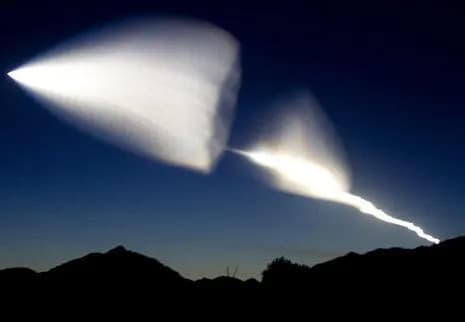
SpaceX is preparing its third West Coast launch of 2026: a Falcon 9 mission from Vandenberg Space Force Base carrying reconnaissance satellites for the National Reconnaissance Office (NRO). The flight, designated NROL-105, is part of the NRO's "proliferated architecture," which uses many smaller satellites in low-Earth orbit to increase coverage and revisit rates.
What To Know
The mission is currently scheduled for Friday, Jan. 16, with a 35-minute launch window opening at 8:18 p.m. Pacific Time. A Federal Aviation Administration (FAA) operations advisory indicates a backup opportunity would be available the following day if the launch is postponed. As with any spaceflight, weather or technical issues can delay liftoff—would-be viewers should check azcentral.com or official SpaceX updates for the latest information.
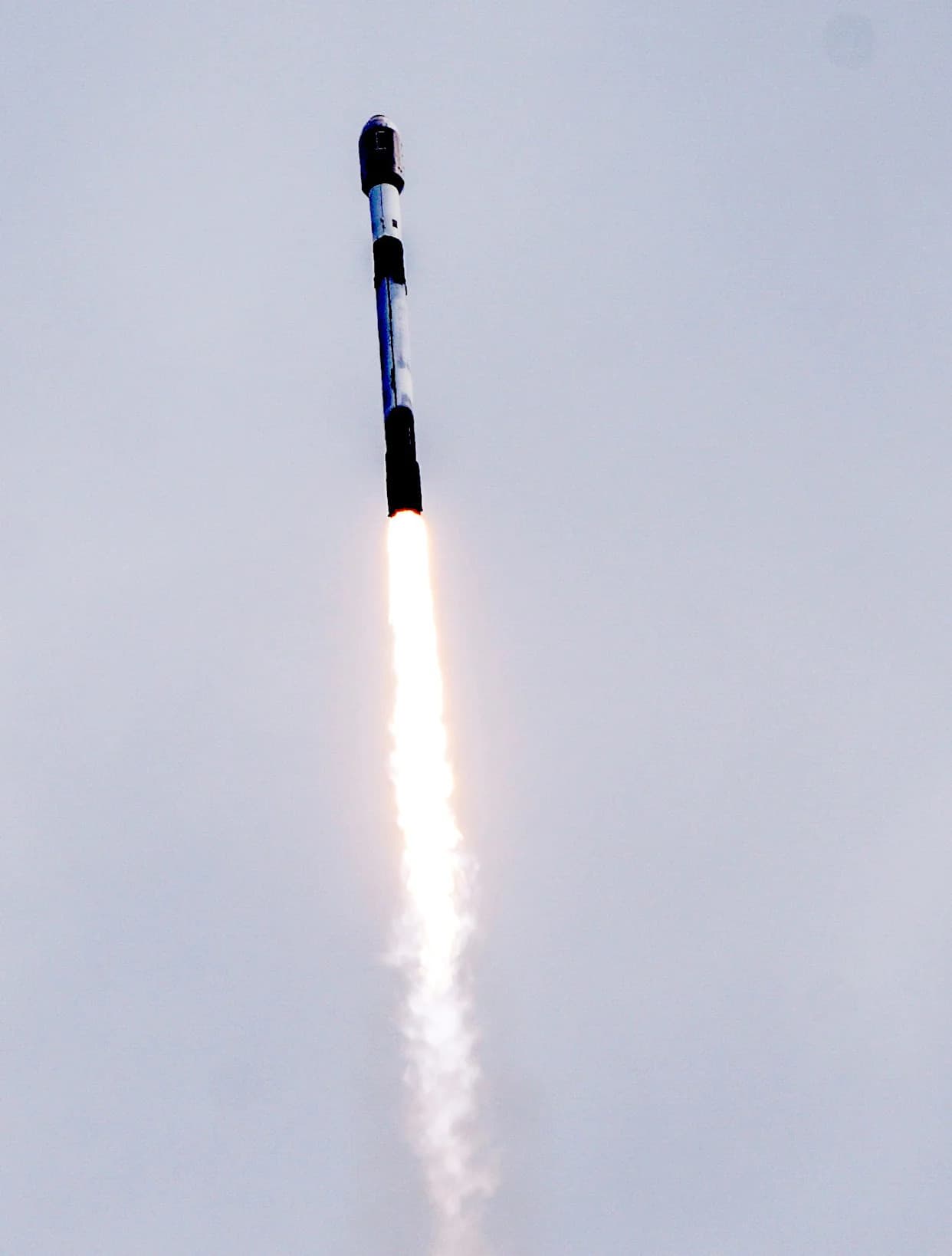
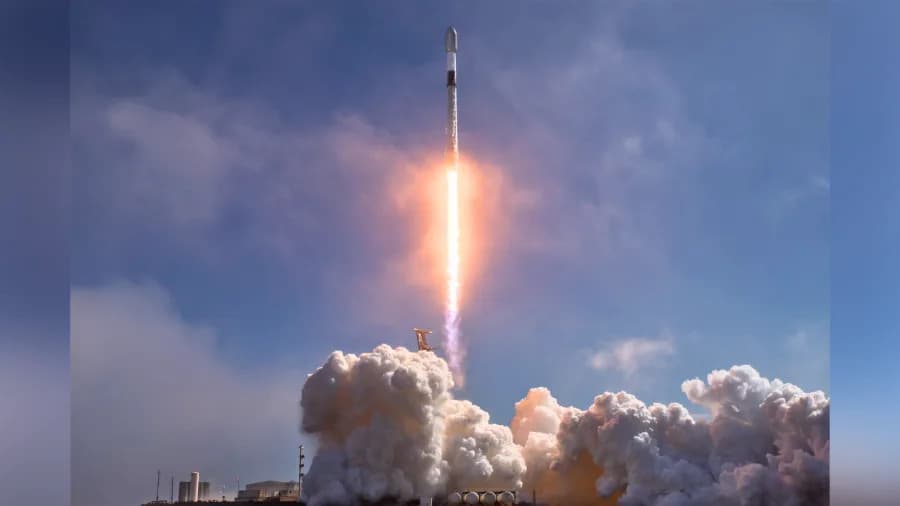
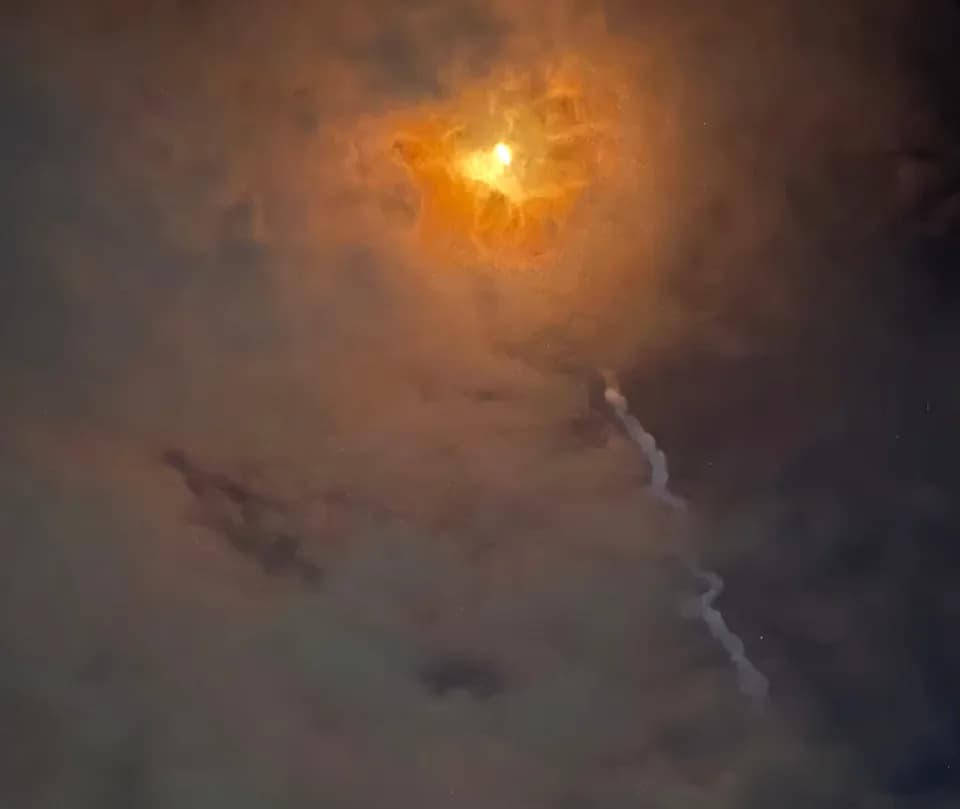
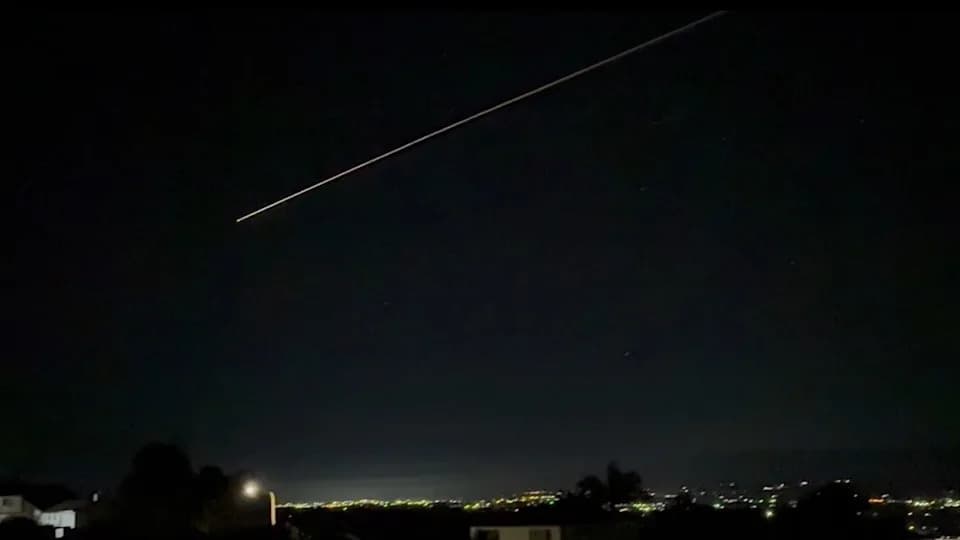
The launch will occur from Space Launch Complex 4E (SLC-4E) at Vandenberg Space Force Base in Santa Barbara County, California. SpaceX will fly its two-stage, roughly 230-foot Falcon 9 to place the NRO payloads into low-Earth orbit. Launches from Vandenberg commonly fly on a southeast trajectory, increasing the chance the rocket’s exhaust plume and first-stage ascent will be visible over parts of Arizona.
Where In Arizona You Might See It
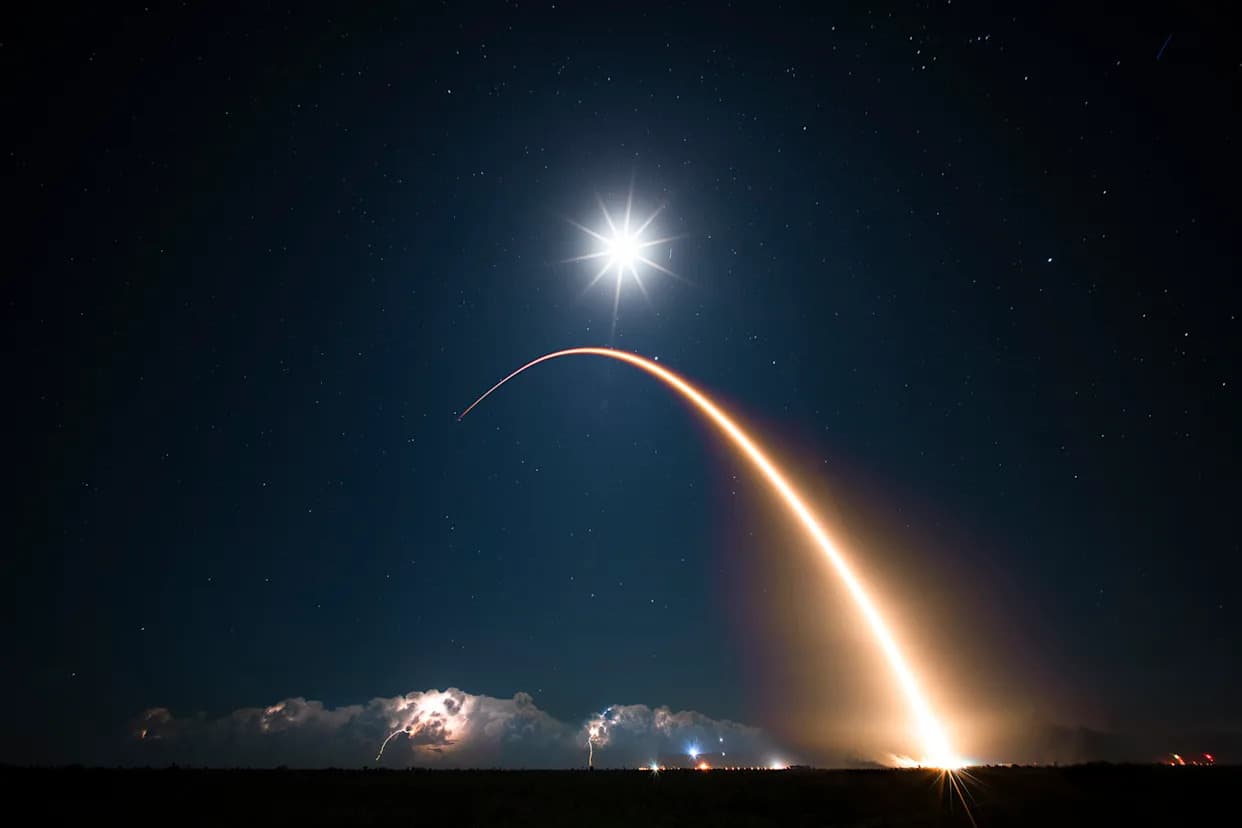
Because of Arizona’s proximity to Vandenberg’s southeast launch corridor, observers across the state—especially during nighttime or early pre-dawn launches—stand a good chance of seeing the rocket streak overhead. The Arizona Republic compiled several popular viewing spots:
- Dobbins Lookout, South Mountain (10919 S. Central Ave., Phoenix)
- Papago Park (625 N. Galvin Parkway, Phoenix)
- Fountain Hills (designated a Dark Sky Community)
- Superstition Mountains (about 40 miles from metro Phoenix)
- Cave Creek (north of Fountain Hills)
- Phoenix Sky Harbor parking garage (3400 Sky Harbor Blvd.) — popular for plane watching
- Black Canyon City, Estrella Mountain Regional Park (Goodyear), Skyline Regional Park (Buckeye)
- White Tank Mountains (Waddell), San Tan Mountain Regional Park (Queen Creek), Monument Hill (115th Ave.)
- Casa Grande, Avondale and Queen Creek — accessible suburban viewing options
Why This Flight Matters
NROL-105 advances the NRO's strategy of deploying many smaller, lower-altitude satellites that can provide faster revisit times and broader coverage for reconnaissance tasks. For SpaceX, the mission is another example of routine national security launches that complement its commercial Starlink deployments and crewed missions with Dragon.
SpaceX, founded in 2002 and led by CEO Elon Musk, is headquartered at Starbase in South Texas near the U.S.–Mexico border, where it is also developing and testing the larger Starship vehicle. The company regularly flies Falcon 9 missions from both California and Florida and holds significant launch contracts with NASA and the Department of Defense.
Planning to watch? Check azcentral.com and SpaceX social channels for real-time updates and any delays before heading to a viewing location.
Help us improve.