Summary: After most mainstream Pentagon reporters gave up their badges rather than accept a restrictive 21‑page agreement, the department credentialed dozens of pro‑Trump bloggers and influencers. The new corps largely celebrated the U.S. capture of Nicolás Maduro instead of pressing legal or ethical questions. Critics say the credentialing terms — which limit access to unauthorized materials and certain Pentagon areas — undercut independent reporting at a time when aggressive military options are being discussed.
Inside the Pro‑Trump Pentagon Press Corps: How Influencers and Restrictions Replaced Mainstream Reporters
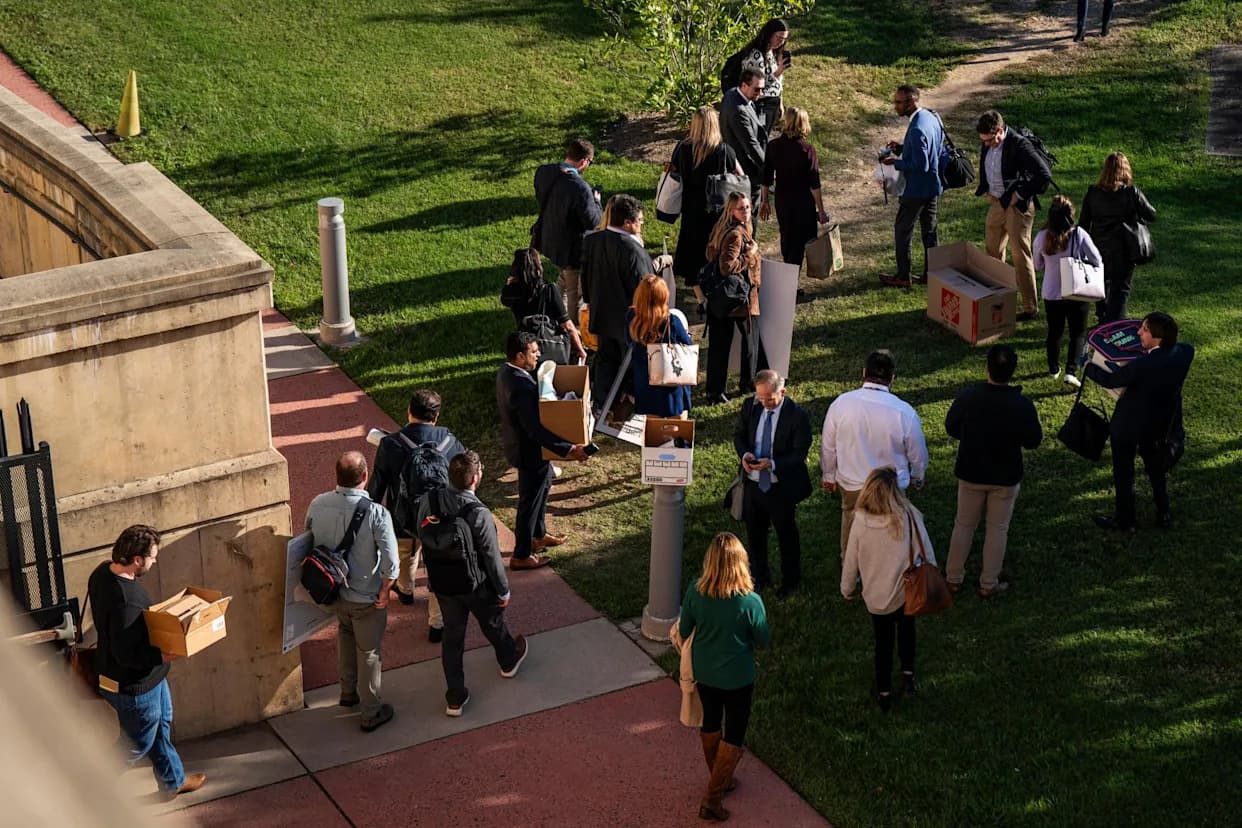
Reporters walk out together after turning in their credentials for refusing to sign new reporting limits dictated by Pete Hegseth.Photograph: Jabin Botsford/Washington Post via Getty Images
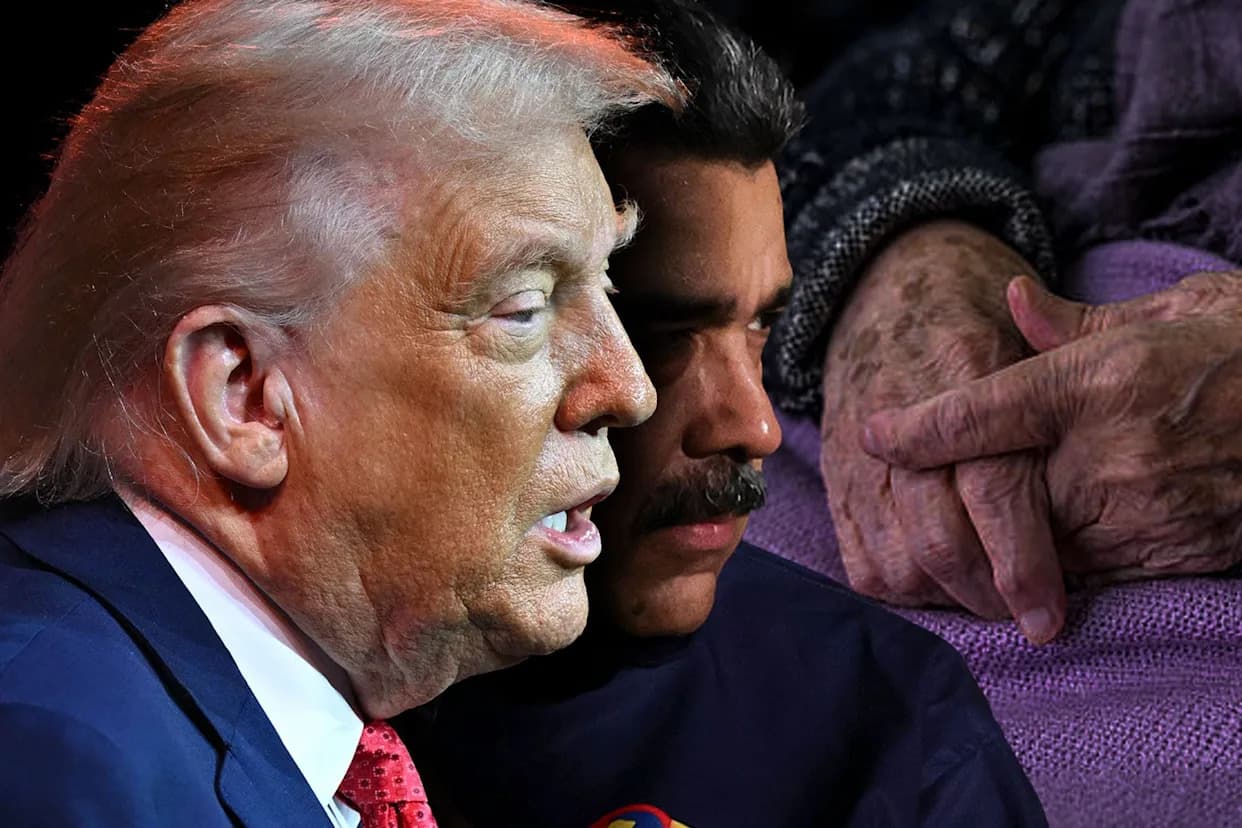
When U.S. forces moved into Venezuela and detained President Nicolás Maduro and his wife, the Pentagon’s traditionally robust press operations were strikingly muted. Rather than answering sustained questions from mainstream national reporters, the department’s public face for the story was a newly reconstituted press corps dominated by pro‑Trump online personalities and partisan outlets.
What happened is not just a change of personnel; it reflects a deeper shift in who gets access to official defense information and under what rules they will operate.
What Changed In October
In October, nearly all credentialed journalists from established media organizations relinquished their Pentagon press badges instead of signing a 21‑page Pentagon agreement that imposed new limits on journalistic activity. The agreement included provisions that effectively restricted reporting to officially provided material and curtailed access to certain areas within the Pentagon.
Who Filled The Void
The Pentagon subsequently granted credentials to dozens of pro‑Trump bloggers, influencers and partisan outlets. New entrants included operators from small or ideologically driven platforms — such as a streaming channel tied to a MyPillow executive — and publishers from niche sites who have publicly praised senior administration officials.
The Maduro Raid And The Corps’ Response
When U.S. forces captured Maduro, many credentialed voices celebrated the operation rather than demanding detailed legal or strategic explanations. Examples cited public comments or celebratory coverage from credentialed outlets and individuals:
"A stunning operation by US forces," wrote The Gateway Pundit, a conservative website known for spreading false claims about the 2020 election.
John Konrad of maritime outlet gCaptain urged followers to "give ALL your thanks to the military members who risked their lives capturing Maduro."
Other credentialed commentators posted praise or glib remarks about regime change rather than probing questions about legality, civilian risk or international consequences.
Access Rules That Limit Independent Reporting
To obtain credentials, many new entrants accepted the Pentagon’s restrictive terms. Among the key constraints were pledges not to obtain unauthorized materials — effectively limiting reporters to official releases — and limits on entry to classified or sensitive areas. Critics argue those restrictions make independent investigative reporting difficult, if not impossible.
Voices Of Concern
Media scholars and veteran journalists warn that a press corps composed largely of partisan influencers, operating under access-limiting agreements, undermines robust public scrutiny of military actions. Melissa Wall, a journalism professor at California State University, Northridge, told Wired that the new contingent often sounded like "armchair warriors" who repeated official talking points rather than uncovering new information.
Why This Matters
At a time when the administration publicly flirts with aggressive foreign options — including suggestions that seizing territories such as Greenland or the Panama Canal might be "options" — the need for an independent, skeptical press corps is heightened. A credentialed media contingent that largely amplifies official narratives reduces transparency and the public’s ability to evaluate the legal, ethical and strategic dimensions of U.S. military actions.
Bottom line: The October exodus of mainstream Pentagon reporters and the Pentagon’s subsequent accreditation of partisan online figures reshaped the press corps in ways that may limit scrutiny of military decisions at a moment when rigorous oversight is most needed.
Help us improve.