According to Semafor, The New York Times and The Washington Post learned of an overnight U.S. operation in Venezuela before it occurred but temporarily withheld reporting to avoid risking American personnel. The raid reportedly resulted in the capture and transfer of Nicolás Maduro to New York to face federal charges that include narco-terrorism and weapons offenses. Preliminary Venezuelan reports cited by The Times say at least 40 people were killed. The episode highlights the tension between the public’s right to know and newsroom judgments about operational security.
Why The New York Times and The Washington Post Withheld Reporting On The Venezuela Raid — And What Happened Next
Both The New York Times and The Washington Post learned in advance of an overnight U.S. operation targeting Venezuela but chose not to publish immediate accounts, according to a Saturday-night report by Semafor. Editors at both papers told colleagues they delayed coverage to avoid endangering American personnel and to protect operational security.
Semafor Report: Reporters Max Tani and Shelby Talcott wrote that newsroom leaders at the two legacy outlets opted for temporary secrecy in line with longstanding journalistic practices when reporting on sensitive national security operations. The piece framed the decision as an example of occasional cooperation between newsrooms and officials in high-stakes situations.
"The decisions in the New York and Washington newsrooms to maintain official secrecy is in keeping with longstanding American journalistic traditions — even at a moment of unprecedented mutual hostility between the American president and a legacy media that continues to dominate national security reporting. And it offers a rare glimpse at a thread of contact and even cooperation over some of the highest-stakes American national security issues." — Semafor
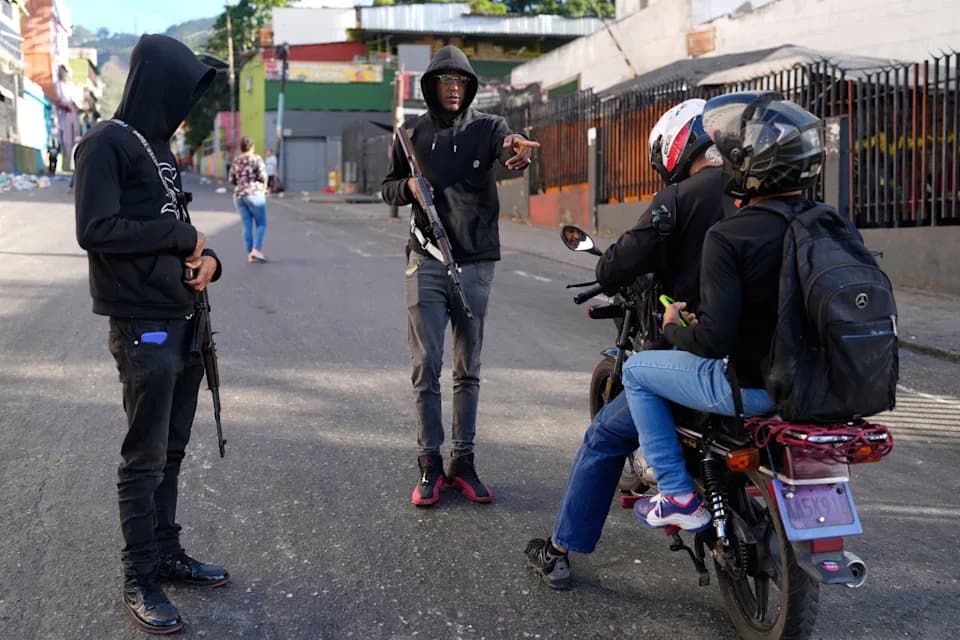
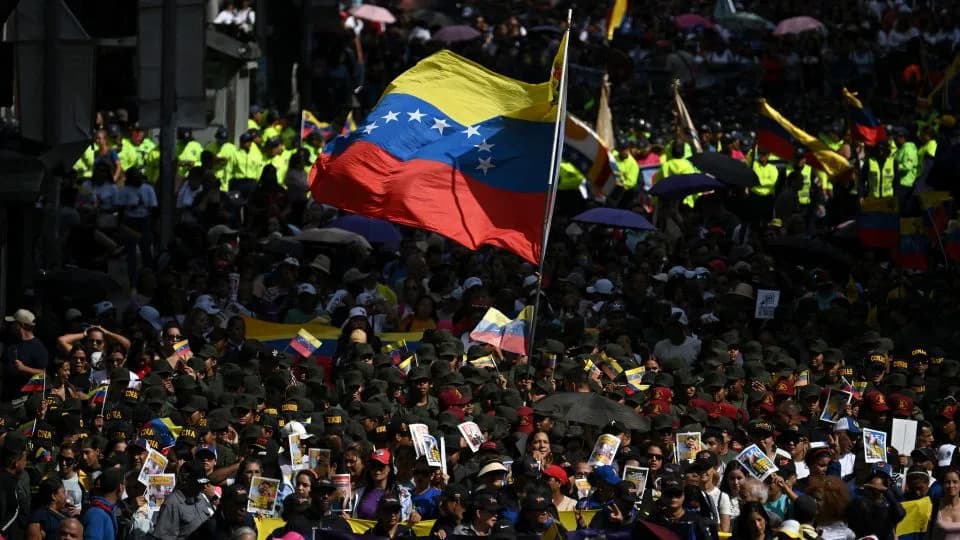
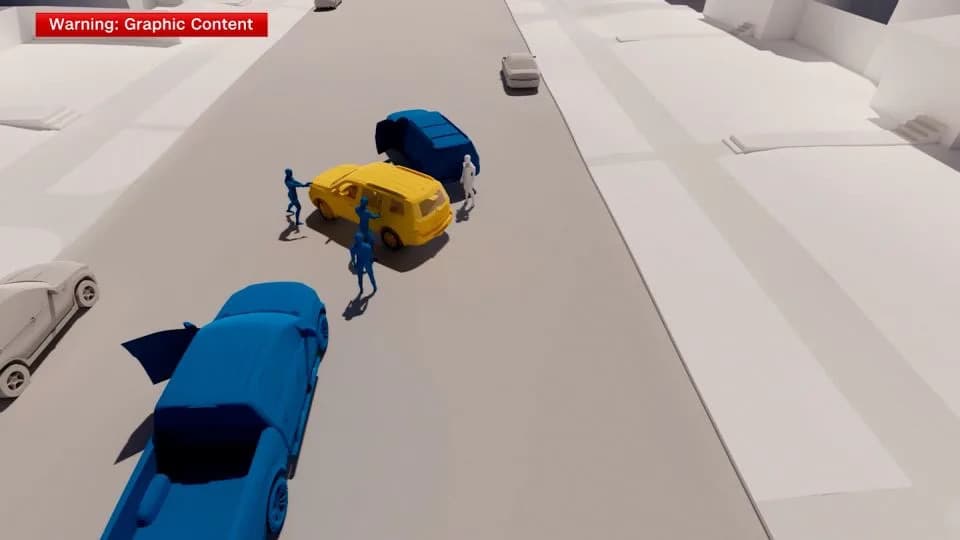
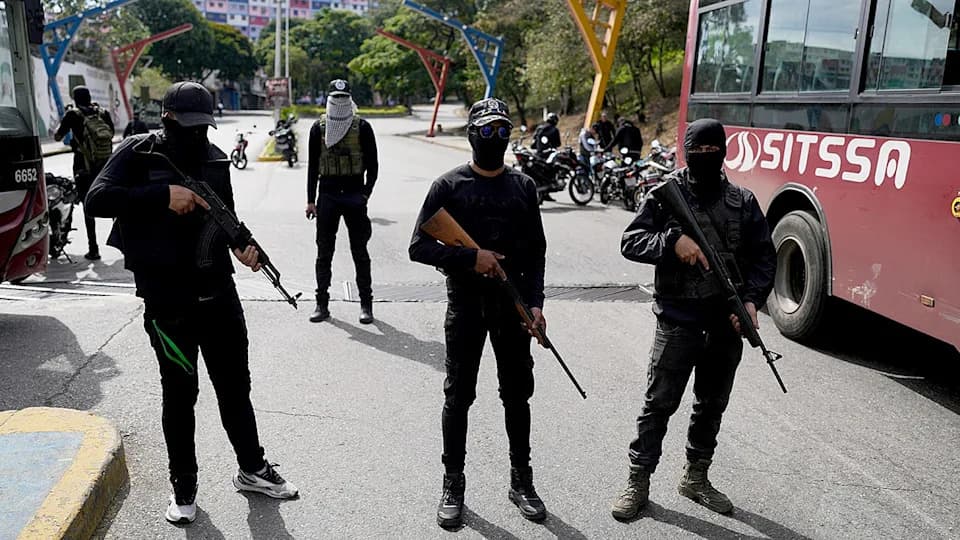
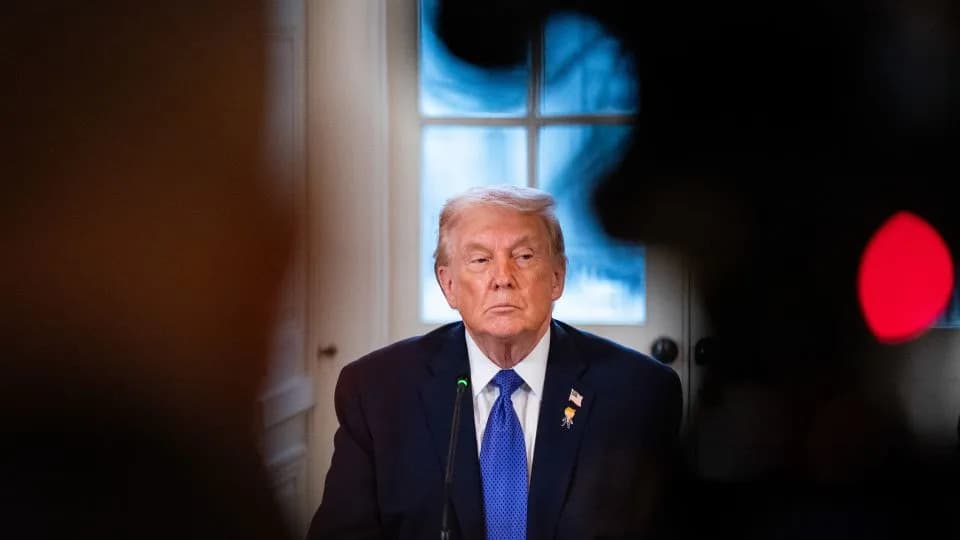
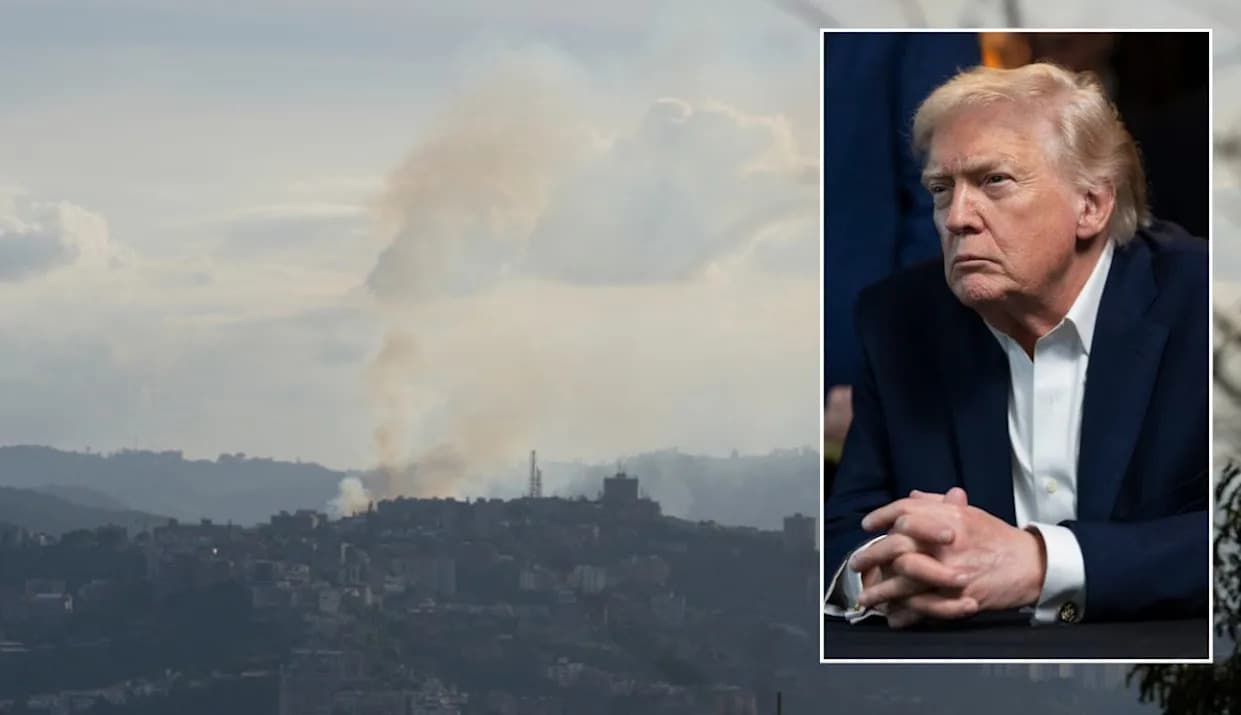
The overnight strike in Caracas, which U.S. officials say was ordered by President Donald Trump, reportedly resulted in the capture of Venezuelan leader Nicolás Maduro. Semafor and other outlets reported that Maduro was transported to New York to face federal charges, which U.S. prosecutors have described as including narco-terrorism conspiracy, weapons offenses, and cocaine-importation conspiracy.
Times journalist Mariana Martinez later reported that preliminary Venezuelan figures indicated at least 40 military personnel and civilians were killed in the operation; that casualty figure was attributed to a senior Venezuelan official who spoke on condition of anonymity and described as preliminary.
President Trump told reporters the United States would "run" Venezuela for the time being and said the U.S. would "get the oil flowing the way it should be" because, he added, America had "built that whole industry there." These public remarks followed the operation and have drawn scrutiny and debate about U.S. policy toward Venezuela.
Why The Newsrooms Withheld Reporting: Editors at major outlets face a recurring dilemma in national security coverage: balancing the public’s right to know against the potential risk that immediate reporting could jeopardize lives or the success of a mission. In this case, both papers judged that delaying publication was the responsible short-term choice while continuing to report and verify details.
This episode underscores the tension between transparency and safety in conflict and national-security reporting and raises questions about how high-profile outlets make rapid editorial decisions under pressure.
Help us improve.