Venezuela’s newly sworn interim leader, Delcy Rodríguez, forcefully rejected President Donald Trump’s assertion that the United States is in control of the country after a U.S. military operation captured former president Nicolás Maduro. Rodríguez said the Venezuelan government remains sovereign and vowed to resist external pressure.
What Happened
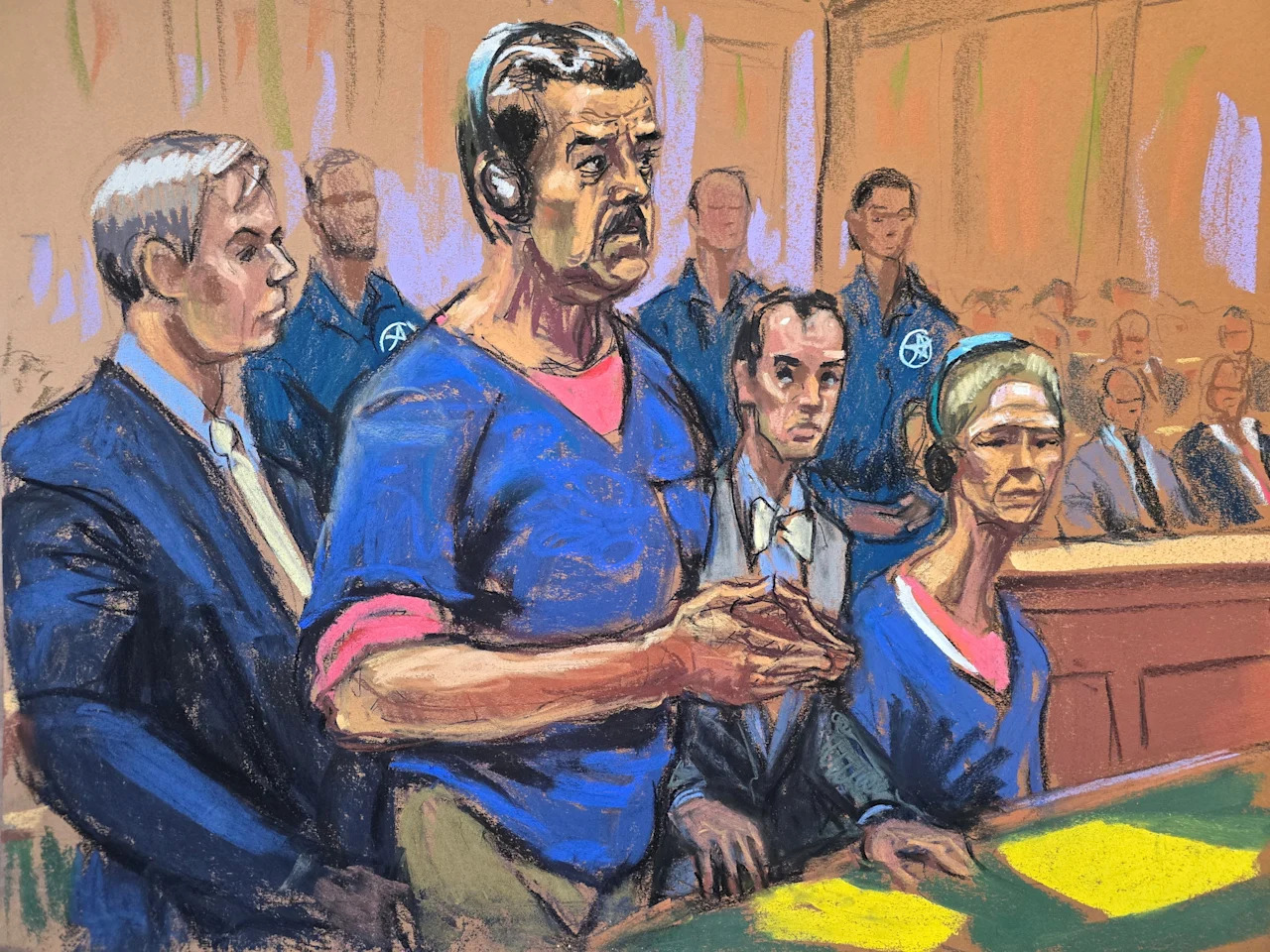
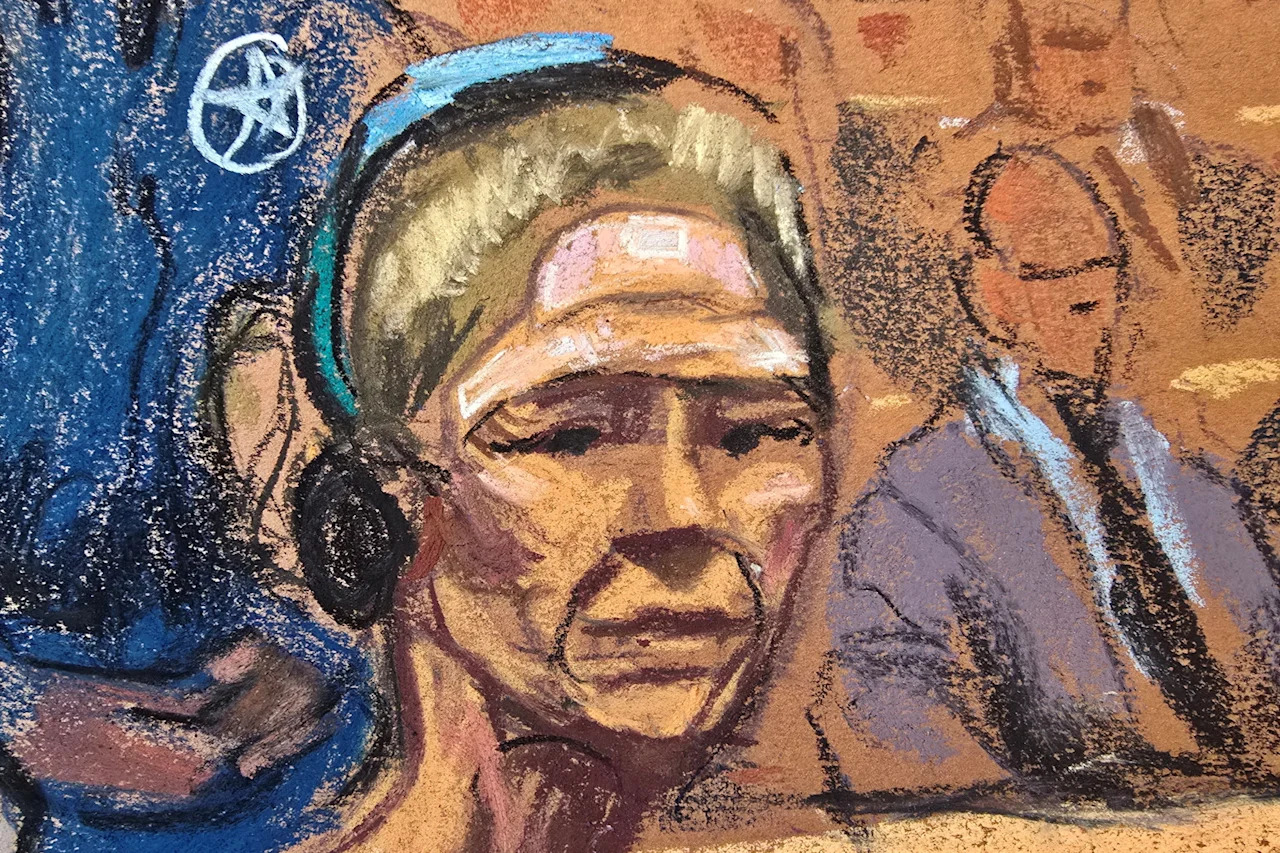
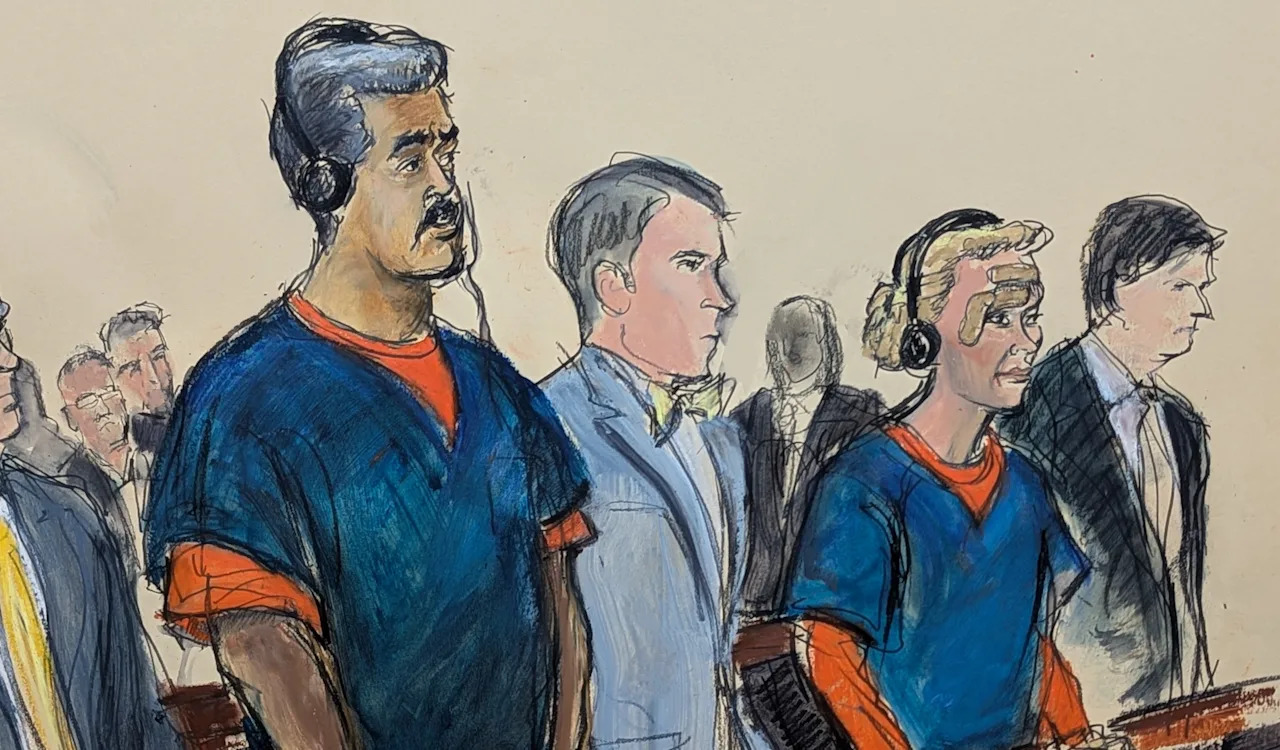
Maduro and his wife, Cilia Flores, pleaded not guilty on narco-terrorism charges in a Manhattan federal court on Monday. They were taken from their home during a weekend U.S. operation that Venezuelan and Cuban officials say left dozens of security personnel dead. As he left the courtroom, Maduro called himself “a kidnapped president” and “a prisoner of war.”
Venezuelan Response
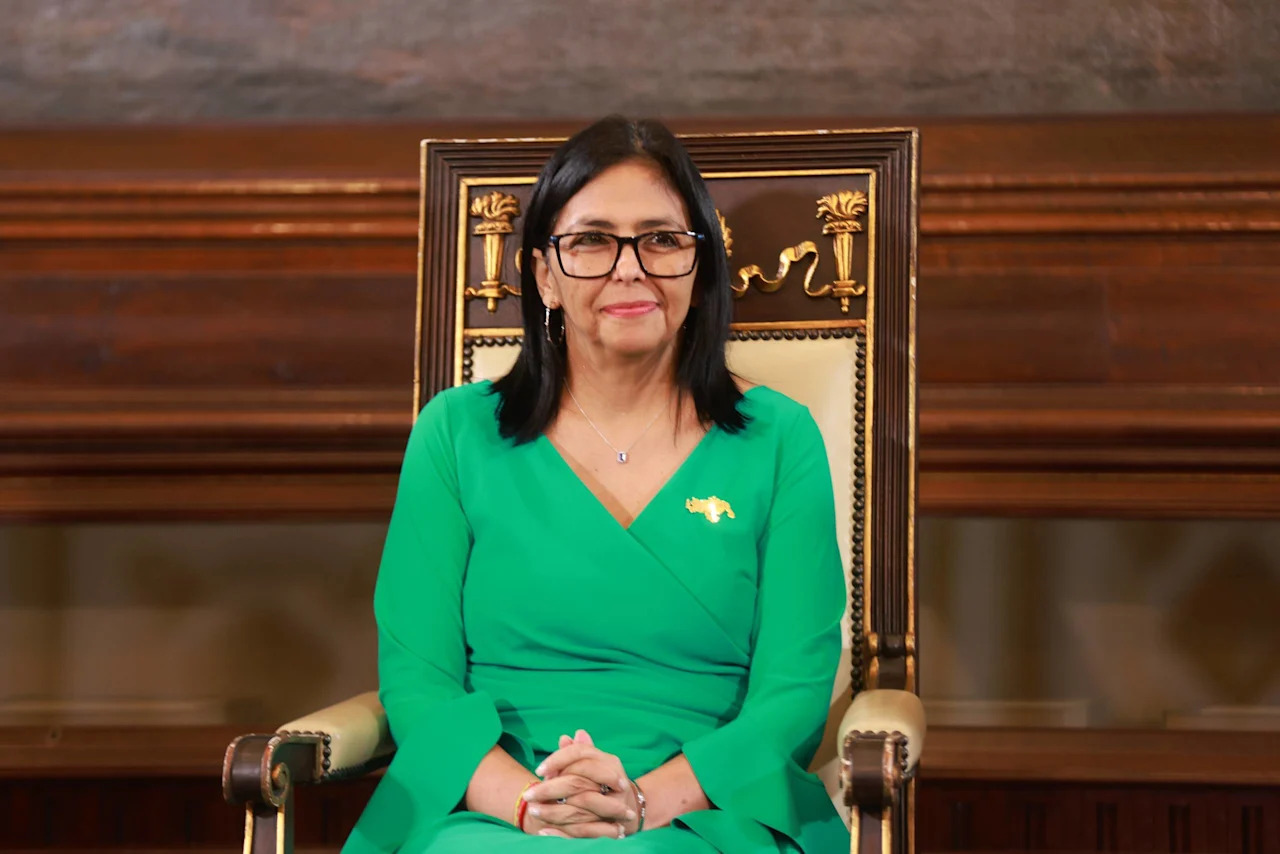
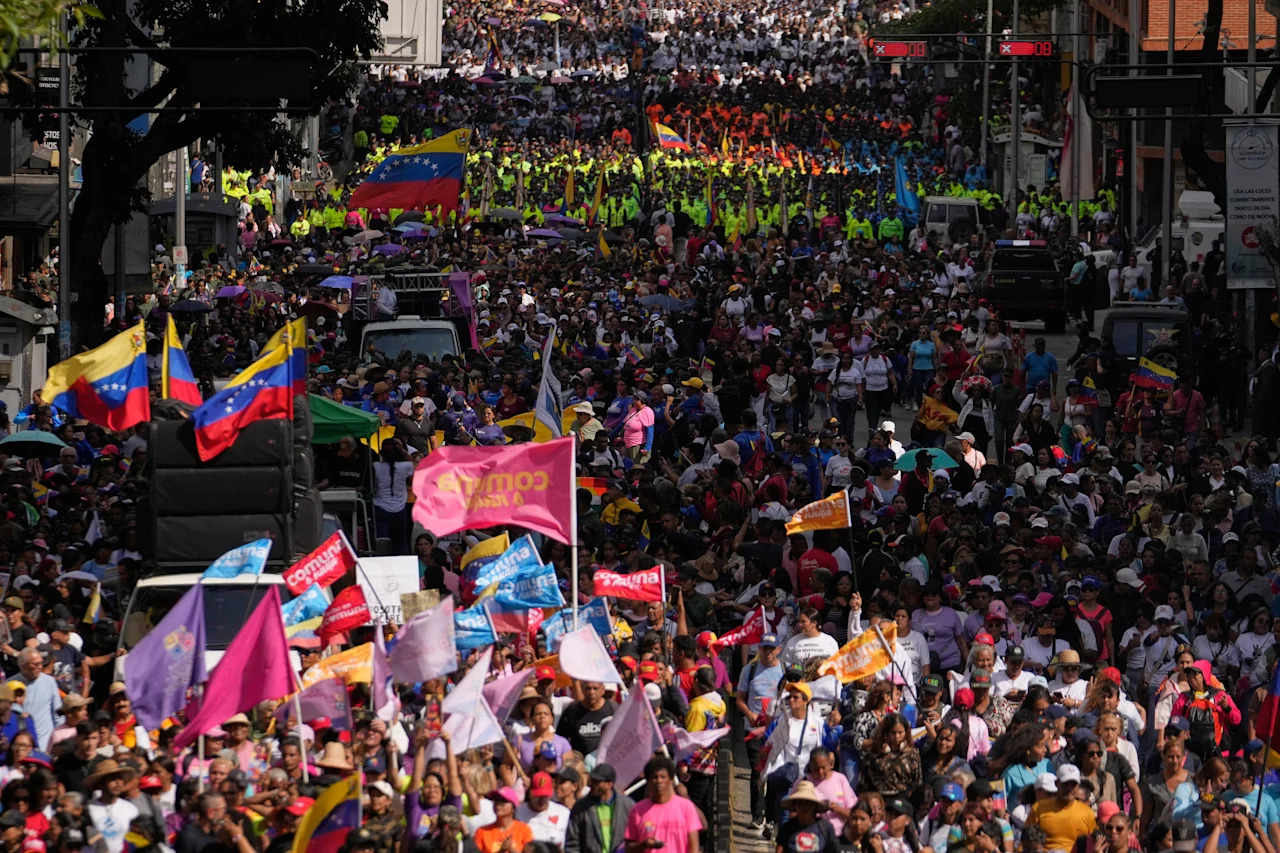
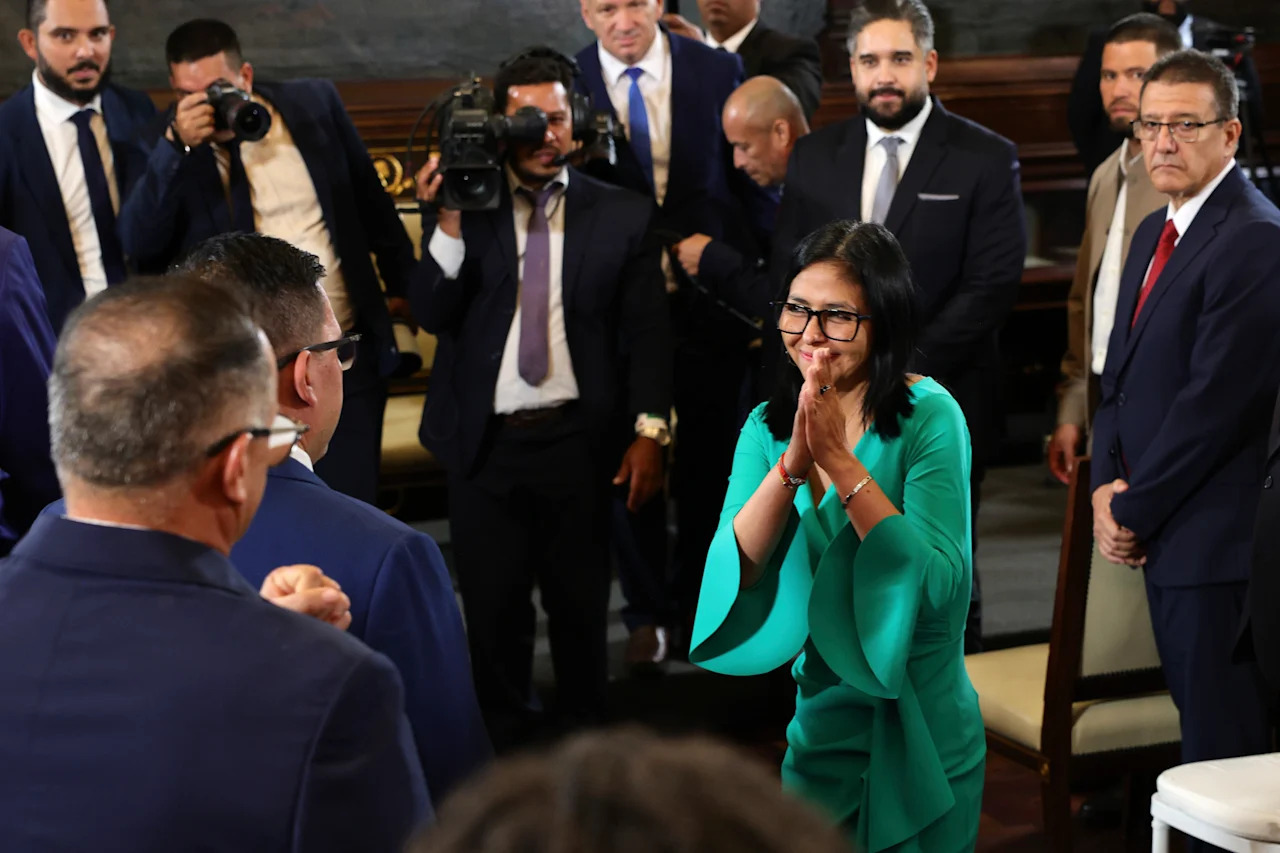
Delcy Rodríguez, who was sworn in as interim president after Maduro’s removal, rejected Trump’s claim that the United States is running Venezuela. “The Venezuelan government governs our country, and no one else,” she told gathered officials. Rodríguez also responded defiantly to U.S. threats, saying, “Whoever threatens me, my destiny is decided only by God.” Large pro-Maduro demonstrations filled the streets of Caracas in the days after the arrest, according to news reports.
U.S. Statements and International Reaction
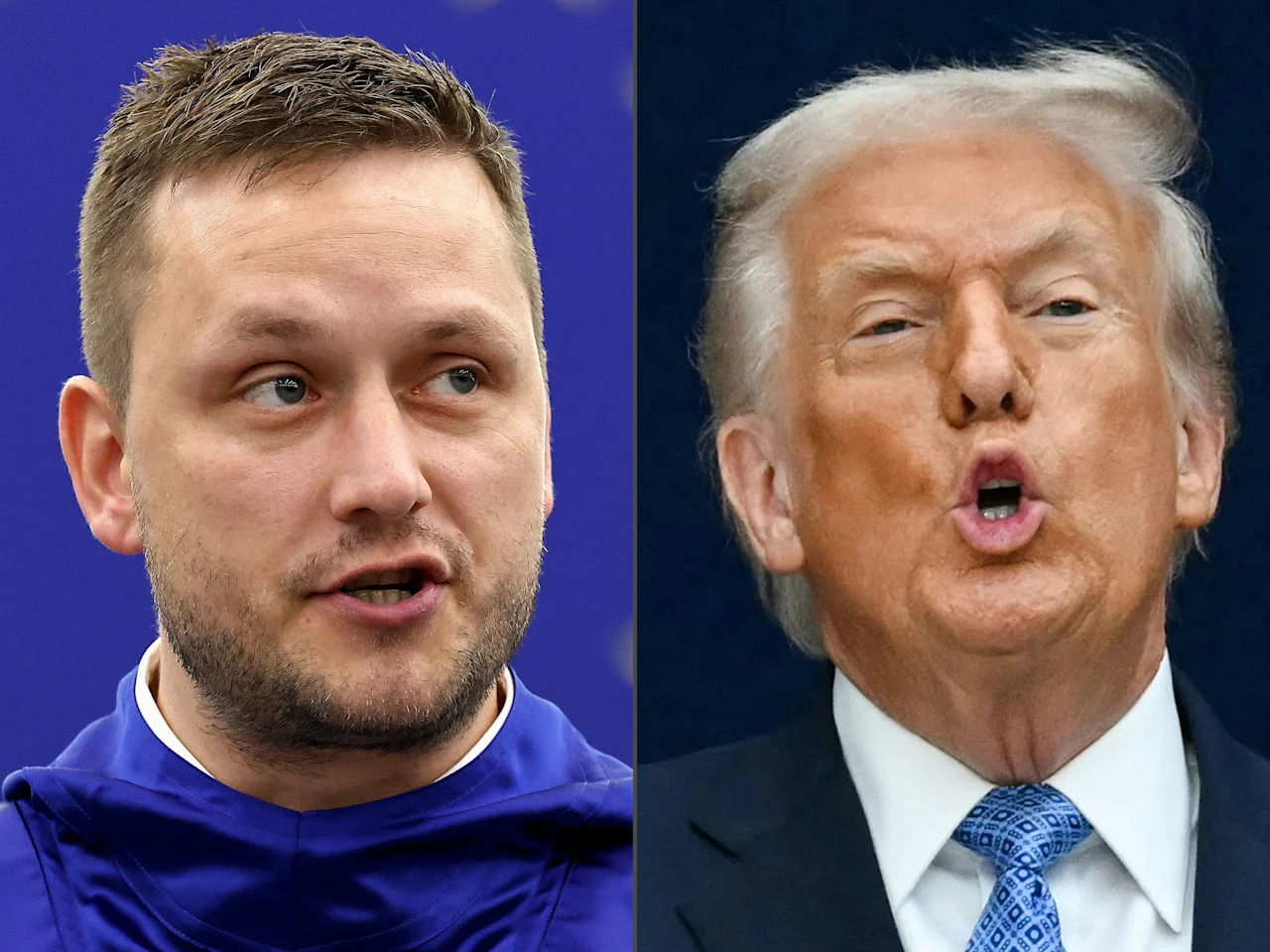
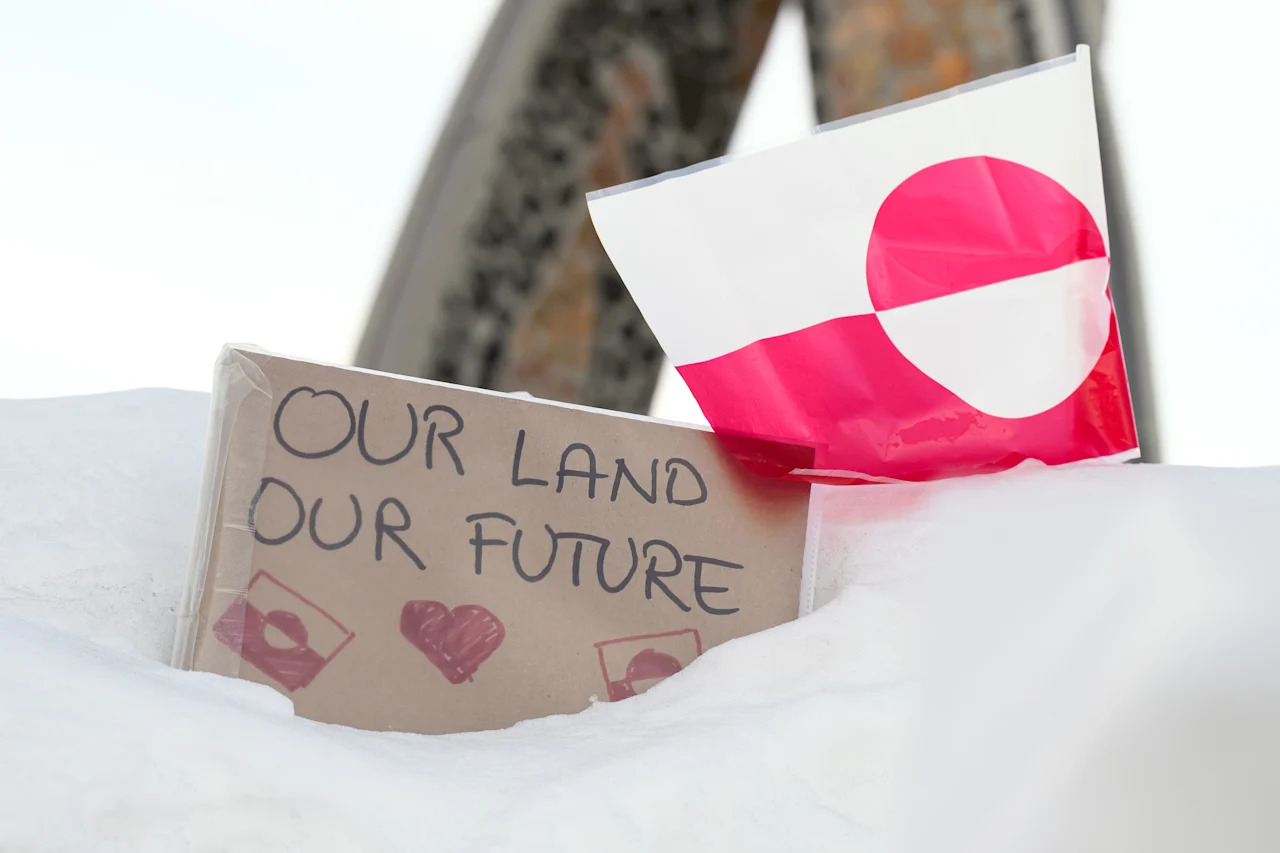
The White House said it was “discussing a range of options” to pursue President Trump’s long-stated interest in bringing Greenland under U.S. control and added that military force “is always an option.” European leaders — including Denmark, Britain, France, Germany, Italy, Poland and Spain — pushed back in a joint statement, insisting that “Greenland belongs to its people” and that decisions about the territory are for Denmark and Greenland alone. Greenland’s prime minister called the idea of annexation unacceptable.
Casualties, Force Size and Legal Questions
Venezuela’s attorney general, Tarek William Saab, said “dozens” of officials and civilians were killed in the operation; Cuban authorities reported 32 Cuban officers among the dead. Secretary of Defense Pete Hegseth estimated roughly 200 U.S. service members participated in the predawn Caracas operation, while the Pentagon previously noted that more than 150 aircraft from multiple branches were involved.
Legal and political leaders in the U.S. and abroad questioned the operation’s legality. Several legal experts and Democratic lawmakers said the raid appeared to violate international law and U.S. legal norms because it involved arresting foreign leaders on foreign soil. Maduro's defense raised sovereign-immunity arguments in court.
Domestic U.S. Politics and Oversight
On Capitol Hill, top lawmakers expressed frustration about being excluded from a closed briefing on the operation. Senate Judiciary Committee leaders Chuck Grassley and Dick Durbin criticized the administration for not consulting their committee. House Speaker Mike Johnson and Senate Majority Leader John Thune defended the decision not to notify Congress in advance of the mission, arguing sensitivity and operational security concerns.
Diplomatic Fallout
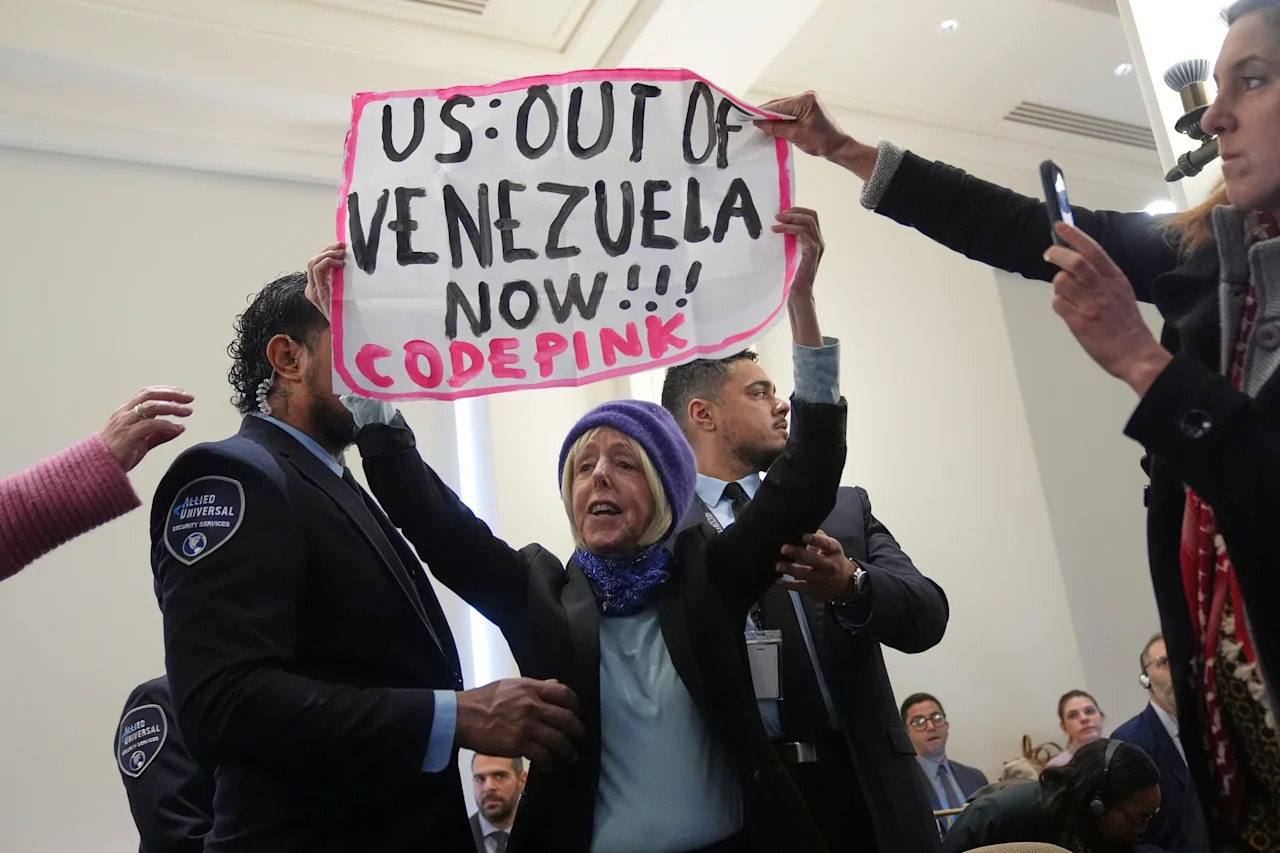
The Organization of American States meeting in Washington saw protests and sharp debate. U.S. Ambassador to the OAS Leandro Rizzuto Jr. defended the operation as a targeted law-enforcement action against an indicted criminal and rejected claims that it was an invasion. Critics, including regional leaders and human-rights advocates, maintained that the action risked escalating regional tensions and undermining international norms.
What Comes Next
The Trump administration said it has convened a team of senior officials to coordinate next steps for Venezuela. With legal proceedings underway in New York and political and diplomatic pressure mounting internationally, the situation remains fluid and likely to produce prolonged legal, diplomatic and security debates.
Key quotes: "The Venezuelan government governs our country, and no one else" — Delcy Rodríguez. "Utilizing the U.S. military is always an option" — White House statement on Greenland.
Delcy Rodríguez is sworn in as acting president of Venezuela in Caracas on Jan. 5. (Venezuelan National Assembly/Anadolu via Getty Images)
Madea Benjamin, cofounder of Code Pink, holds up a sign during a meeting at the Organization of American States in Washington, D.C., on Tuesday. (Jacquelyn Martin/AP)
People gather in Caracas on Tuesday for a march to demand the return of deposed Venezuelan President Nicolás Maduro. (Matias Delacroix/AP)
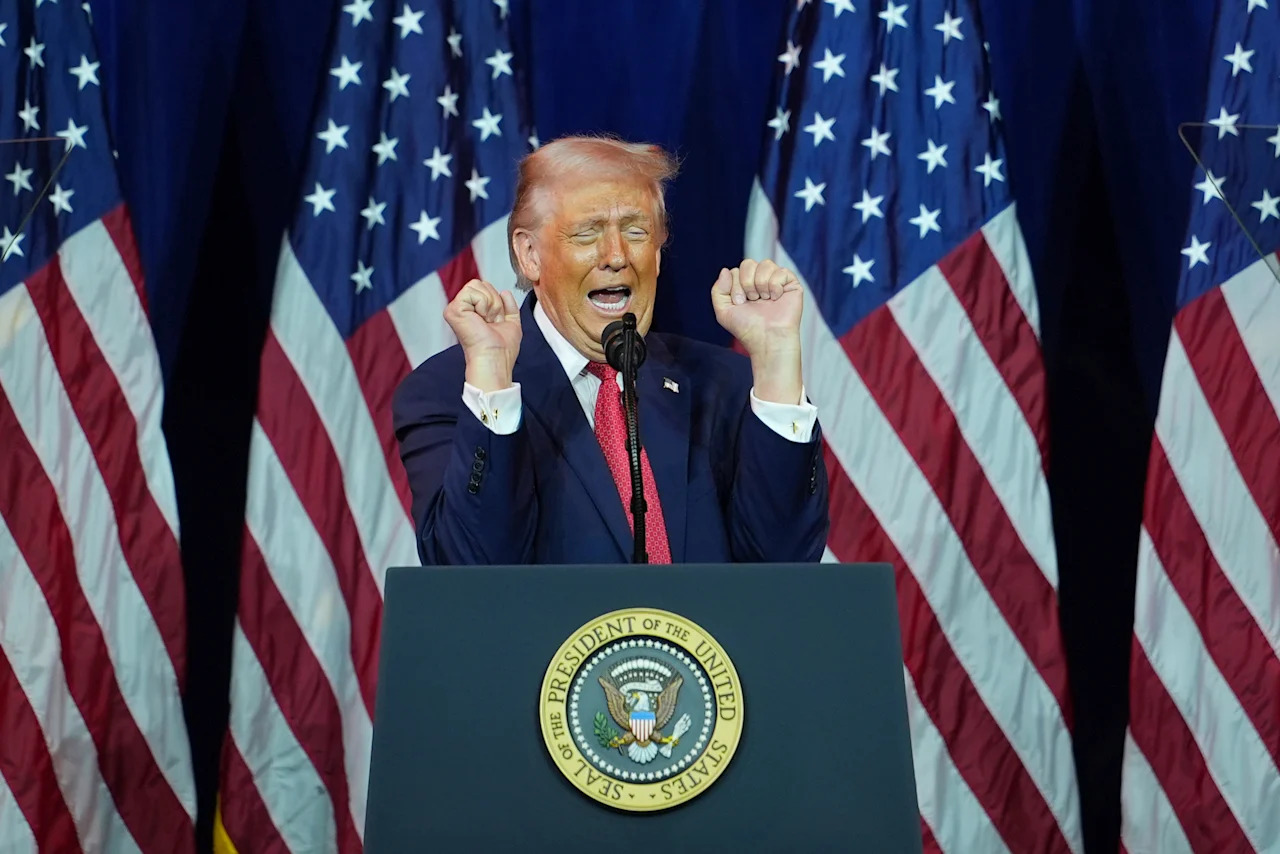
President Trump speaks at a House Republican retreat in Washington, D.C., on Tuesday. (Evan Vucci/AP)
Greenland Prime Minister Jens-Frederik Nielsen and President Trump (Frederick Florin and Andrew Cabellero-Reynolds/AFP via Getty Images)
A sign reading "Our Land Our Future" rests in the snow alongside the flag of Greenland in March 2025 in Nuuk, Greenland. (Leon Neal/Getty Images)
Deposed Venezuelan President Nicolás Maduro, standing, and his wife, Cilia Flores, seated, appear in New York federal court on Monday. (Jane Rosenberg/Reuters)
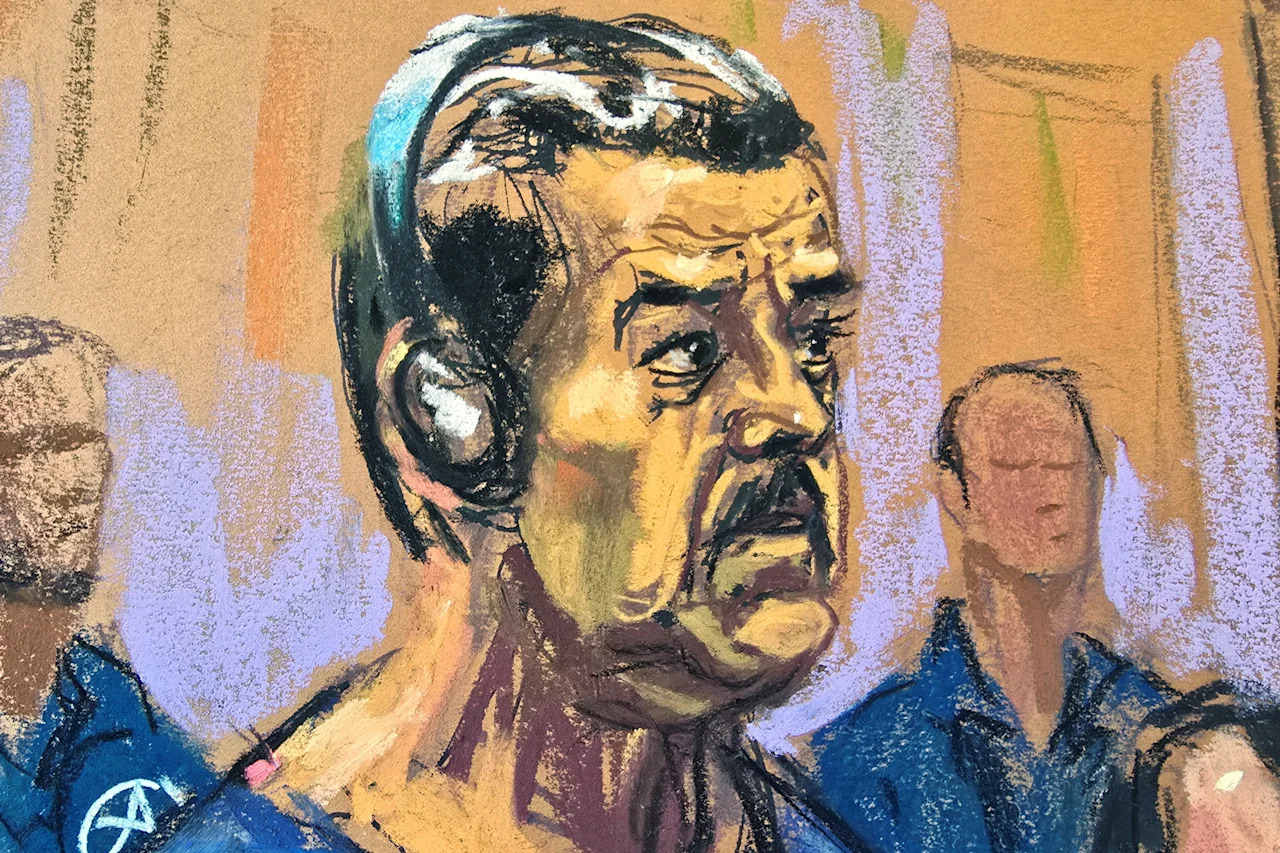
Deposed Venezuelan President Nicolás Maduro. (Jane Rosenberg/Reuters)
Cilia Flores. (Jane Rosenberg/Reuters)
Maduro, left, and Flores, second from right, appear in federal court. (Elizabeth Williams via AP)
Vice President of Venezuela Delcy Rodriguez reacts after being sworn in as Acting President of Venezuela on Jan. 05 in Caracas, Venezuela. (Jesus Vargas/Getty Images)